Producer Licensing and Responsibilities
Not sure you’re ready?
Take the ~3-minute readiness diagnostic and see where you stand.
Insurance is fundamentally the sale of an invisible, future promise. When a client purchases a life or health policy, they are trading their present capital for a piece of paper that says, “If the unthinkable happens, we will be there.” Because the product is entirely conceptual until a claim is filed, the entire architecture of the insurance industry rests on a single pillar: absolute trust. The state insurance department's primary job is to measure, verify, and enforce that trust. That is why an insurance producer must obtain a license to sell, solicit, or negotiate insurance.
You cannot legally pitch a policy, explain its terms to a prospect, or broker a contract without this state-sanctioned certification. The licensing and regulatory framework is not merely a bureaucratic hurdle; it is the physical mechanism by which the state ensures that the people handling these immense financial promises are intellectually competent, fundamentally honest, and meticulously monitored.
Before you can represent an insurance company, you must prove to the state that you are worthy of holding the public’s trust.
To qualify, the minimum age to apply for an insurance producer license is generally 18 years old. However, age is just a baseline. The state demands proof that an applicant must possess a good reputation and character to qualify for an insurance producer license.
How does a vast bureaucracy measure "good character"? They look at your past. Licensing candidates must typically submit to fingerprinting and a criminal history background check. Past actions are viewed as the most reliable predictor of future behavior in financial services. For instance, a state insurance commissioner can deny a license application if the applicant has been convicted of a felony. Furthermore, character evaluations extend beyond criminal history into civic obligations: failing to pay court-ordered child support can result in the suspension or denial of a producer license.

Once your character is cleared, you must demonstrate your technical competence. A candidate must pass a state-administered examination to obtain a resident producer license. The integrity of this exam is fiercely protected. Attempting to bypass the study process will end your career before it begins; cheating on an insurance licensing examination is grounds for license denial or revocation.
The Non-Resident License
Insurance markets do not stop at state borders, and neither does your career. If you hold a license in your home state, you can cross state lines to do business. An individual can obtain a non-resident producer license in a different state without taking another exam through reciprocity.
Reciprocity is a mutual agreement between states: "If you trust your resident producer, we will trust them too." However, there is a structural catch. A non-resident producer license requires the producer to maintain a valid resident license in good standing in their home state. If your home state suspends your resident license, your non-resident licenses in other states will collapse like dominoes.

The Temporary License
Imagine a scenario where a solo insurance producer running a successful local agency tragically dies in a car accident. Suddenly, hundreds of clients need their policies serviced, but the producer's spouse does not have an insurance license.
To prevent the business from instantly imploding, the state offers an emergency bridge. A temporary insurance license is commonly issued to a surviving spouse if an active producer dies or becomes severely disabled.
A temporary insurance license allows a designated person to service existing policies without passing a licensing exam.
Because this person has not proven their competence through an exam, the state strictly limits their power. First, a temporary insurance license is typically valid for a maximum period of 180 days. This grants the family exactly six months to either sell the agency, close it down cleanly, or study and pass the exam themselves. Second, a temporary insurance license does not grant the authority to sell new insurance policies. You can answer the phones, process address changes, and collect renewal premiums, but you cannot originate new risks.
A common misconception among new agents is that once you have a producer license, you can immediately start selling insurance for any company. This is false. A license is like a driver's license—it proves you know how to drive, but it doesn't give you a car.
An individual cannot act as an agent of a specific insurer without an official appointment from that insurer. An appointment is the legal tether connecting you (the agent) to the principal (the insurance company).
When you agree to sell for a carrier, the insurance company is responsible for filing a notice of appointment with the state insurance department. The clock starts ticking the moment you sign your contract with the carrier: an insurer must typically file a notice of appointment within 15 days from the date the agency contract is executed.
Business relationships, however, are not always permanent. An insurance company has the legal right to terminate a producer appointment. If you fail to meet production quotas or violate company policy, they can cut the tether. When they do, the state wants to know immediately. An insurer must typically notify the state insurance department within 30 days following the termination of a producer appointment.
Crucially, the insurer cannot simply quietly sever ties with a problematic agent. An insurer must state the reason for termination when notifying the state insurance department about a terminated appointment. If an insurer terminates you because they caught you stealing, they are legally obligated to tell the commissioner exactly why, preventing a bad actor from simply hopping to a new company undetected.
Once you are licensed and appointed, you will begin handling other people's money. At this moment, you are no longer just a salesperson; you become a fiduciary.
A fiduciary duty requires the producer to act with a high degree of trust and financial responsibility toward clients and insurers.
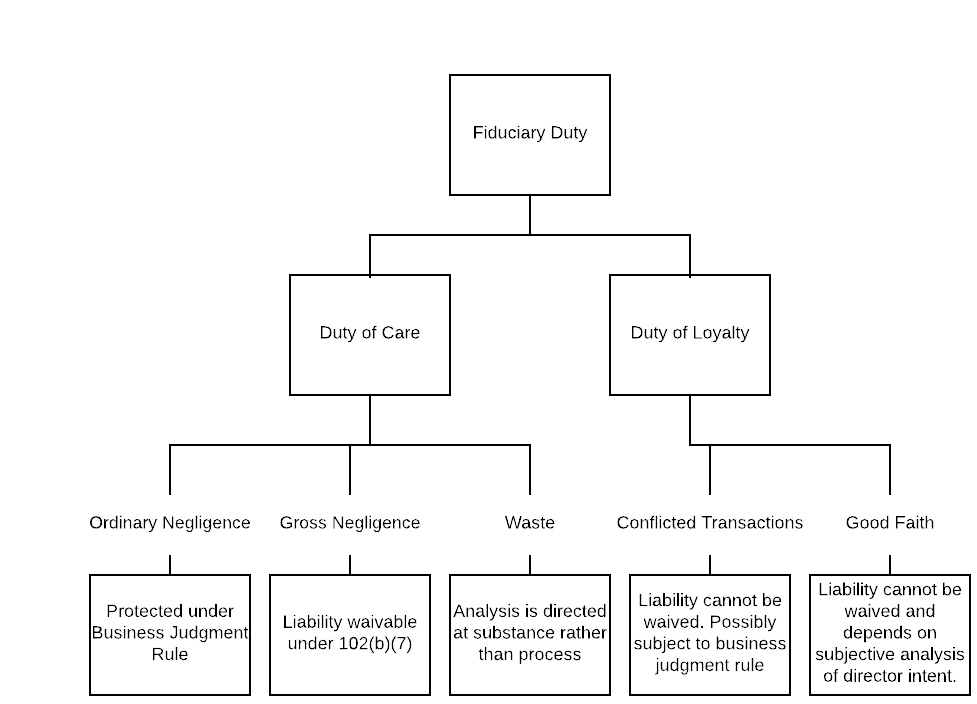
Because a producer acts in a fiduciary capacity when handling insurance premiums, the law treats the money in your hands as if it is already in the insurance company's vault. If a client hands you a check for $1,500 for an annual premium, you must safeguard it perfectly.
The Cardinal Rule: No Commingling
The most common and destructive mistake a new producer can make is mixing money. Commingling occurs when a producer mixes collected insurance premiums with personal or general operating funds.
Suppose a client pays you $500 in cash for a health insurance premium. You are on your way to the bank, but you stop for gas and use $40 of that cash to fill your tank, intending to reimburse it from your own pocket tomorrow. You have just committed a severe violation. It does not matter if you replace the money; commingling of premium funds with personal funds is strictly prohibited by insurance regulations.
To enforce this boundary physically, producers must maintain a separate premium trust account to hold client funds. This account exists purely as a pristine holding tank for premiums, untouched by your agency's payroll or your personal grocery bills.
The Flow of Funds
Money must move in specific directions, and it must move fast.
- Upward to the Insurer: Producers are required to remit collected premiums to the insurance company promptly.
- Downward to the Client: If a client cancels a policy early and is owed a refund for time they didn't use, producers must promptly return unearned premiums to the insured client.
If a producer decides to keep this money, they have crossed from negligence into theft. Misappropriation of funds occurs when a producer improperly uses premium funds for personal gain. This is the fastest way to end a career. The state insurance commissioner can suspend or revoke a license for misappropriating insurance premiums.
Because the state cannot watch every producer every day, they rely on paper trails. Producers must maintain complete and accurate records of all insurance transactions. This includes correspondence, policy details, premium receipts, and claim files.
Memory fades, but the law requires persistence: insurance transaction records must typically be kept for a period of three to five years depending on specific state law. You do not get to keep these records a secret. To enforce compliance, the state insurance commissioner has the authority to examine a producer's business records at any time.
Recordkeeping is fundamentally about accuracy. Taking shortcuts in the paperwork—such as signing a client's name to an application to save time or meet a deadline—is never permissible. Forging another person's name to an application for insurance is a violation of licensing regulations, regardless of your intentions.
Your license is a living document. It requires constant maintenance and absolute transparency.
Renewal and Continuing Education
The insurance industry constantly evolves. Tax laws change, new products are developed, and ethical standards are updated. Therefore, insurance producer licenses generally expire and must be renewed every two years.
To renew, you cannot simply pay a fee. You must prove you have kept your knowledge current. Producers must complete a specified number of continuing education hours to renew an insurance license.
The standard continuing education requirement for producers is 24 hours per two-year licensing period. Because the technical mechanics of insurance are secondary to the trust involved, the state mandates that out of those 24 hours, producer continuing education requirements typically mandate at least three hours dedicated to ethics training.
The 30-Day Reporting Rule
As a regulated professional, your life changes are the state's business. You must adhere to a strict 30-day clock for reporting significant events:
- Change of Address: The commissioner must always know where to find you. A producer must notify the state insurance department of any change of residential or business address. Consequently, producers are generally required to report a change of address within 30 days of the move.
- Administrative Actions: If you hold non-resident licenses and get into trouble in another state, you cannot hide it from your home state. A producer must report any administrative action taken against them in another jurisdiction to the home state insurance department. This transparency is enforced by time: producers must typically report out-of-state administrative actions within 30 days of the final disposition.
- Criminal Prosecutions: The state’s concern regarding your character does not end when you get your license. A producer must report any criminal prosecution to the state insurance department. You do not wait until you are convicted; criminal prosecutions must typically be reported to the insurance department within 30 days of the initial pretrial hearing date.
The Cost of Violations
The state insurance commissioner holds tremendous disciplinary power. If you violate these laws—whether through misappropriation, forgery, or failing to report vital information—the commissioner's authority is not limited merely to taking away your livelihood.
In addition to stripping you of your professional credentials, a state insurance department can impose a civil penalty or fine in addition to suspending or revoking a license.
Understanding these rules is not just about passing an exam. These regulations are the operating system of your new career. Master them, respect the boundaries they create, and you will build a practice rooted in the very trust that makes the insurance industry possible.