The Insurance Regulatory System
Not sure you’re ready?
Take the ~3-minute readiness diagnostic and see where you stand.
Every day, billions of dollars in insurance premiums and claims flow across state lines. By all standard legal and economic definitions, this web of financial transactions is the very essence of interstate commerce. Yet, when you pass your upcoming exam, you will not receive a federal insurance license issued by Washington, D.C.; you will receive a license granted by a specific state.
The reason for this intensely localized control over a massive national industry is not an accident of history. It is the result of a constitutional tug-of-war over who gets to hold the regulatory reins. Understanding the architecture of this system is not just an academic exercise for your exam—it dictates who will audit your records, who will set the rules for your commissions, and who guarantees that the policies you sell will actually pay out when your clients need them most.
To understand why the insurance industry operates under a uniquely state-based framework, we must look at a critical legal battle that took place in the mid-twentieth century.
For decades, insurance was strictly viewed as a local contract, immune from federal oversight. That abruptly changed with the United States v. South-Eastern Underwriters Association Supreme Court decision of 1944. In this landmark ruling, the Court declared that insurance transactions crossing state lines constitute interstate commerce. Because the United States Constitution grants the federal government the power to regulate interstate commerce, the United States v. South-Eastern Underwriters Association decision meant that the federal government had the constitutional right to regulate the insurance industry.
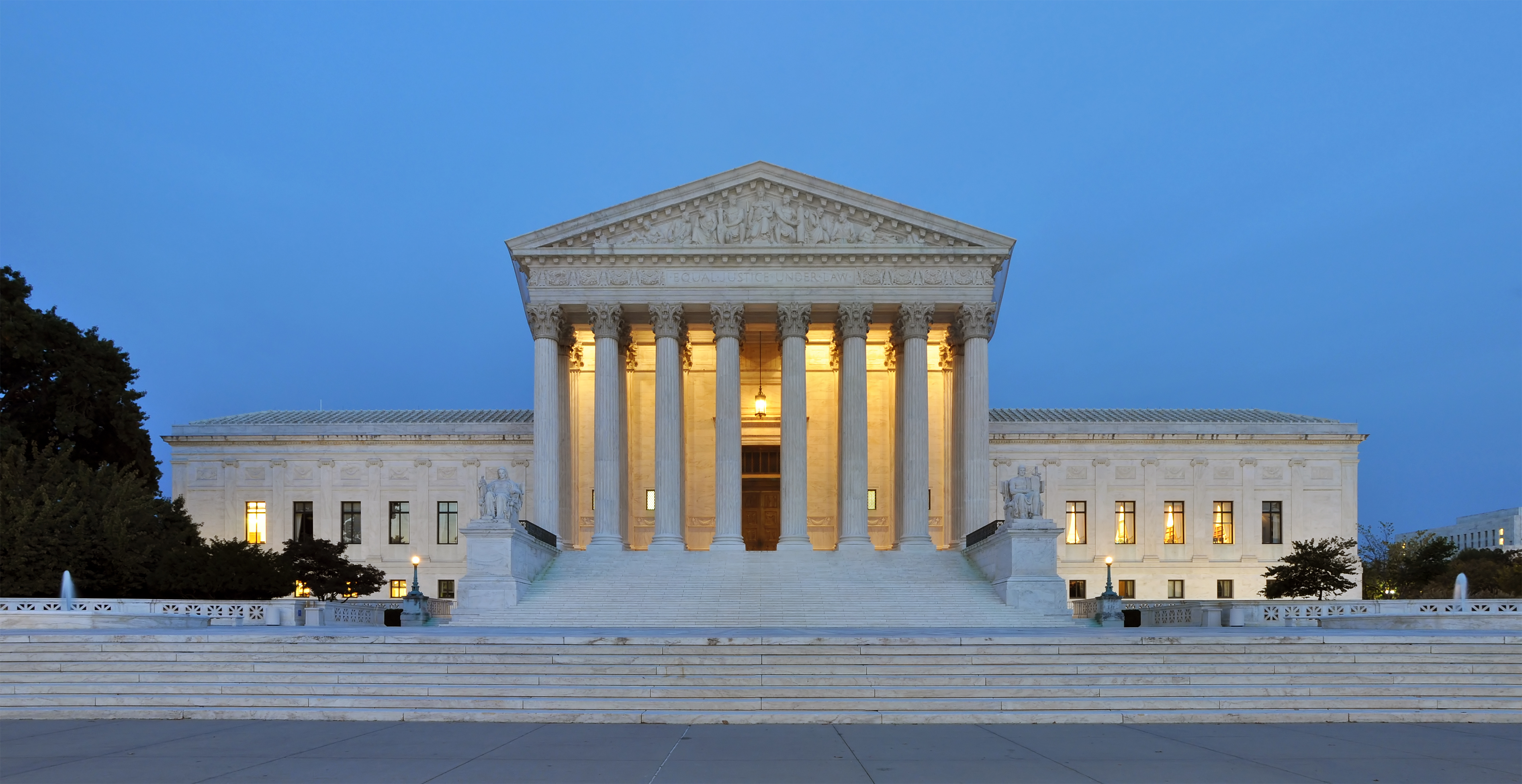
This ruling sent shockwaves through the industry and state legislatures. Suddenly, the entire foundation of localized insurance oversight was in jeopardy of being swallowed by federal bureaucracy.
The Legislative Reversal: Public Law 15
The federal takeover never happened. The United States Congress, recognizing the chaos that a sudden shift to federal control would cause, passed the McCarran-Ferguson Act in 1945.
Also known as Public Law 15, the McCarran-Ferguson Act was a profound statutory pivot. Rather than claiming power, Congress delegated it back. The McCarran-Ferguson Act established that the regulation and taxation of the insurance industry by individual states is in the public interest. By doing so, the McCarran-Ferguson Act returned the primary authority to regulate the business of insurance to the individual states.
Analogy: The Landlord and the Tenant Think of the federal government as a landlord who legally owns a building (the constitutional right to regulate interstate commerce). Through the McCarran-Ferguson Act, the landlord signs a binding lease that hands all daily operational control to the tenant (the individual states), stating that tenant-run management is best for the neighborhood (the public interest).
The Federal "Strings Attached"
While the states won the primary authority, the federal government did not walk away entirely. The McCarran-Ferguson Act comes with specific conditions.
Crucially, the McCarran-Ferguson Act exempts the insurance industry from most federal antitrust laws. However, this is a conditional exemption. Federal antitrust laws apply to the business of insurance only to the extent that the industry is not regulated by state law. If a state has robust regulatory frameworks in place, federal antitrust regulators stay out.

Furthermore, the federal government keeps a few specific regulatory tools firmly in its pocket:
- The Fallback Provision: The federal government retains the right to regulate the insurance industry if states fail to provide adequate regulation. If the "tenant" fails to maintain the building, the "landlord" will step back in.
- The "Bad Faith" Clause: The federal government retains regulatory authority over insurance practices involving boycott, coercion, and intimidation. State law cannot shelter bad actors engaging in these specific anti-competitive behaviors.
Because of the McCarran-Ferguson Act, you are entering a profession overseen primarily by the state in which you operate.
The primary goal of state insurance regulation is to protect the public interest. While that sounds broad, it manifests in a very specific, ruthless mathematical mandate: state insurance regulation aims to ensure the financial solvency of insurance companies operating within the state.
A life insurance policy is simply a piece of paper containing a promise to pay a massive sum of money decades in the future. If the insurance company goes bankrupt, that piece of paper is worthless. Therefore, protecting the public interest means ensuring the carrier always has enough cash in reserve to make good on its promises.
To execute this mandate, each state has a dedicated department or division responsible for overseeing insurance operations within its borders.
- The Head Official: The head official of a state insurance department is typically titled the Commissioner, Director, or Superintendent of Insurance. (These titles are functionally identical; the exact term depends purely on your state's naming conventions).
- The Lawmakers: It is vital to understand the separation of powers. A Commissioner enforces the law, but they do not write it. State legislatures possess the sole authority to enact insurance laws within their respective jurisdictions.
If state legislatures possess sole authority, and 50 different states are writing 50 different sets of rules, the result could easily be a fragmented, contradictory nightmare for insurance companies trying to do business nationwide.
To prevent this chaos, the states rely on the National Association of Insurance Commissioners (NAIC).
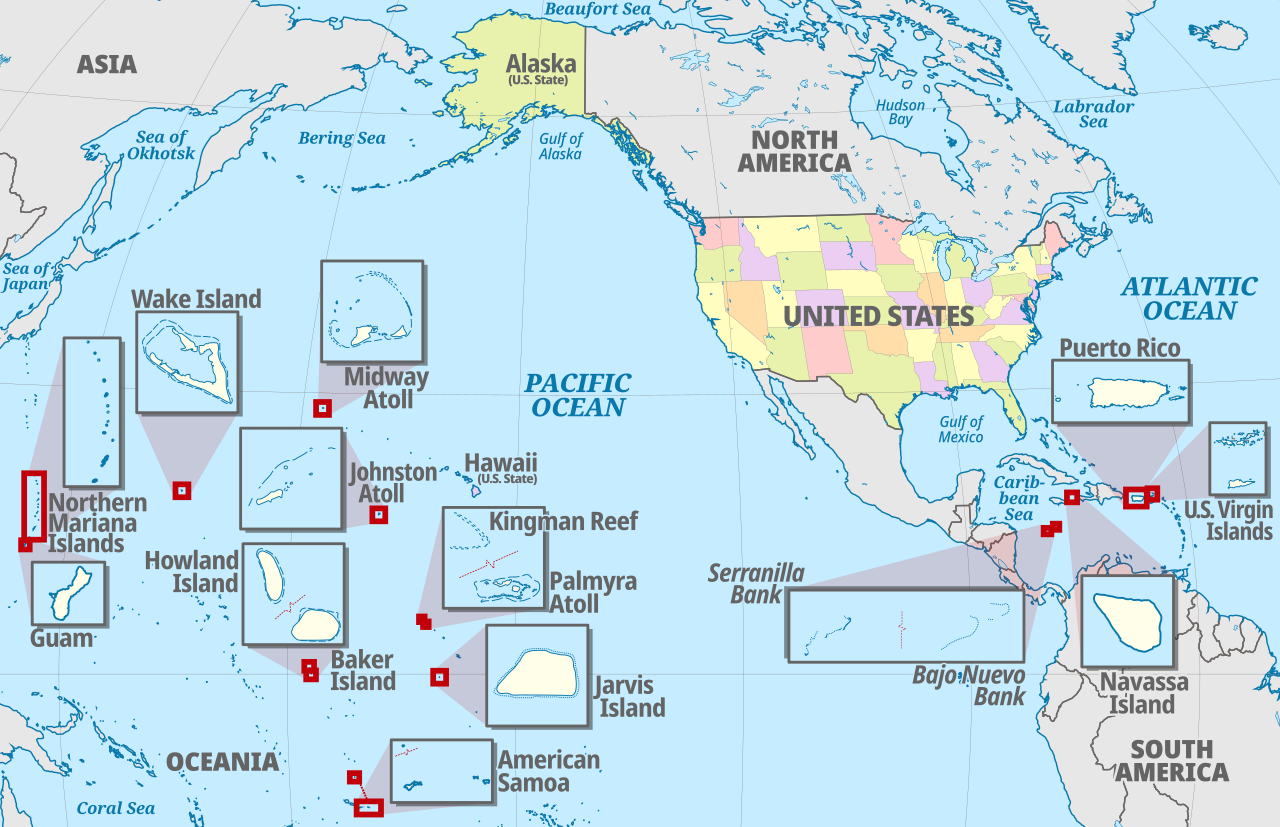
Established in 1871, the National Association of Insurance Commissioners is composed of the chief insurance regulators from all fifty states, the District of Columbia, and five United States territories.
Purpose and Function
The primary purpose of the National Association of Insurance Commissioners is to promote uniformity in state insurance regulation. By gathering the top regulators under one roof, the National Association of Insurance Commissioners provides a national forum for state insurance regulators to coordinate regulatory strategies.
When a new type of insurance product is invented, or a new economic threat emerges, regulators use the NAIC to hash out a unified response rather than inventing 56 separate, conflicting solutions.
The "Architect" Constraint: Model Laws
For your exam, you must memorize a critical limitation of the NAIC:
- The National Association of Insurance Commissioners lacks the legal authority to enact insurance laws.
- The National Association of Insurance Commissioners does not have the legal authority to enforce insurance regulations.
If the NAIC has no legal authority to pass or enforce laws, how does it promote uniformity? Through the creation of model laws.
The National Association of Insurance Commissioners drafts model laws. A model law drafted by the National Association of Insurance Commissioners serves as a standardized template for state legislatures to consider.
Analogy: The Architectural Blueprint Think of the NAIC as a master architectural firm. They design brilliant, highly detailed blueprints (model laws) for how to build a safe, efficient house (a regulatory framework). However, the NAIC does not own the land, and they do not swing the hammers. The state legislature is the property owner.

Because they are merely templates, state legislatures are not obligated to adopt model laws drafted by the National Association of Insurance Commissioners. When presented with an NAIC model law, a state legislature has three distinct options:
- Adopt: A state legislature may adopt a model insurance law exactly as written by the National Association of Insurance Commissioners.
- Modify: A state legislature may modify an NAIC model law before passing the law to fit specific state needs.
- Reject: A state legislature has the right to completely reject any NAIC model law.
To consolidate this for your exam, review the division of powers in the modern insurance landscape:
| Entity | Primary Role & Authority | Key Facts to Remember |
|---|---|---|
| Federal Government | Retains constitutional right (via U.S. v. SEUA), but delegates primary authority to states. | Steps in only for boycott, coercion, intimidation, or if a state fails to regulate adequately. |
| State Legislature | Holds the sole authority to enact insurance laws within its borders. | Can adopt, modify, or completely reject NAIC model laws. |
| State Insurance Department | Oversees operations, enforces state law, ensures carrier solvency. | Led by a Commissioner, Director, or Superintendent. Goal is to protect the public interest. |
| The NAIC | Promotes uniformity and coordinates strategy by drafting model laws. | Zero legal authority to enact or enforce laws. Made up of top regulators from 50 states, D.C., and 5 territories. |
When you sit for your exam, remember that the entire structure of the rules you are memorizing exists because in 1945, Congress decided that a localized, state-by-state approach to consumer protection and carrier solvency was the best way to safeguard the public interest. Every model law you study, and every regulation your future Commissioner enforces, traces its origins back to this foundational compromise.