An insurance contract is an invisible product. When you sell a life or health policy, you are not handing your client a tangible good that they can test, inspect, or weigh. You are selling them a mathematical promise that, on the worst day of their life, capital will materialize to save their family or their business. Because this transaction relies entirely on an asymmetry of information—the producer understands the actuarial mechanics, while the client understands only their vulnerability—the state of Illinois aggressively regulates the integrity of that promise. The legal framework governing this relationship is designed to ensure that the invisible product functions exactly as described when it is finally needed.
Information asymmetry occurs when an insurance producer understands the complex actuarial mechanics of a policy while the client only understands their vulnerability.
To maintain the structural integrity of the insurance market, the state utilizes the Illinois Unfair Trade Practices Act. This legislation regulates trade practices by defining precisely what constitutes unfair methods of competition and explicitly prohibits deceptive acts in the business of insurance. It is not merely a set of suggestions; it is the boundary line between a legitimate financial mechanism and predatory behavior. The Illinois Director of Insurance enforces the Illinois Unfair Trade Practices Act, wielding broad authority to investigate, penalize, and revoke the livelihoods of those who manipulate the system.
To understand unfair trade practices, we must look at how the transfer of information between the producer and the client can be corrupted. When an agent prioritizes their commission over the client's actuarial reality, they inevitably cross into prohibited territory.
At the foundation of consumer protection is the prohibition of misrepresentation, a primary unfair trade practice. Misrepresentation occurs when an individual makes false, misleading, or deceptive statements about an insurance policy's terms or benefits. If you tell a prospect that a standard whole life policy will guarantee a 12% annual cash valuereturn, you are altering the reality of the contract to manufacture a sale.
When misrepresentation is weaponized to move a client from one policy to another, it evolves into a distinct violation.
Twisting is an unfair trade practice that involves making a misrepresentation to induce a policyholder to lapse, forfeit, exchange, or surrender an existing insurance policy.
Twisting usually involves moving a client to a new insurer under false pretenses. The client absorbs new surrender charges and essentially resets their incontestability period, all based on a lie.
Conversely, we have churning, which focuses on the producer's internal book of business. Churning is an unfair trade practice that occurs when a producer replaces a policy with the same insurer solely to generate additional commissions for the producer. The producer essentially cannibalizes the client's existing cash value to fund a new policy, providing no demonstrable economic benefit to the client.
Insurance rates are heavily regulated mathematical formulas. If producers were allowed to alter the price of a policy on a whim, the entire risk pool would destabilize. This is why rebating is strictly prohibited as an unfair trade practice.
Rebating occurs when a producer offers something of value not specified in the insurance contract to induce a sale. It takes many forms:
Giving a prospective client a portion of the producer's commission.
Offering special favors or dividends not specified in the policy to induce a purchase.
If you tell a prospect, "Buy this life insurance policy from me, and I'll give you back half my first-year commission," you are engaging in rebating. Because this behavior corrupts the fundamental pricing models of insurance, Illinois treats it with exceptional severity. A producer found guilty of rebating in Illinois commits a Class B misdemeanor. Furthermore, the law holds the consumer equally accountable: an insured person who accepts a rebate in Illinois also commits a Class B misdemeanor.
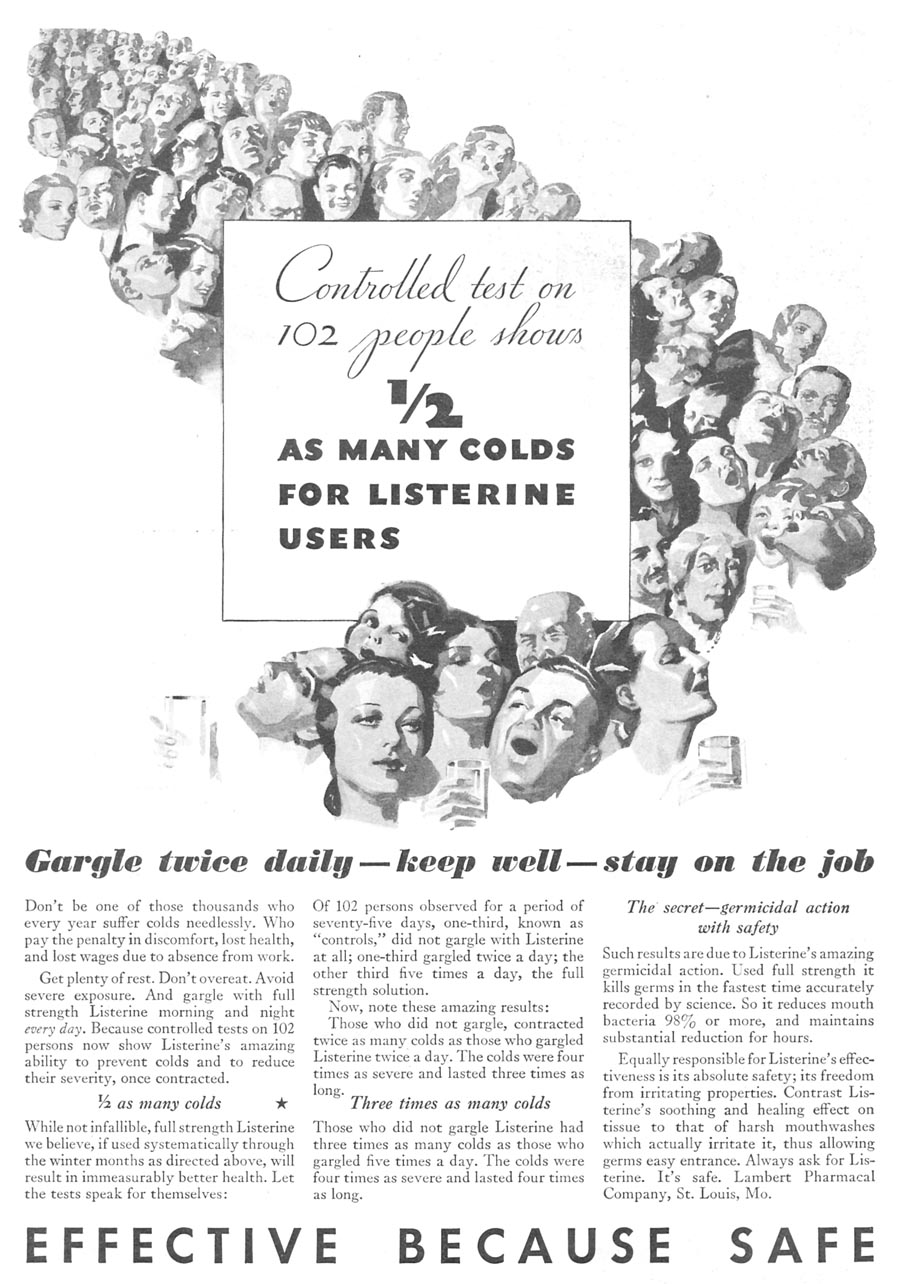
Expanding deception from the individual client to the general public constitutes false advertising, another unfair trade practice. False advertising involves publishing untrue, deceptive, or misleading statements about the business of insurance in any media. Whether it is a billboard, a television commercial, or a social media post, the communication must reflect the absolute truth of the products being offered.
Deceptive marketing, such as this historical advertisement penalized for making unproven medical claims, is strictly prohibited in the insurance industry across all media platforms.
The Unfair Trade Practices Act does not just protect consumers; it protects the ecosystem of the insurance industry itself from malicious corporate behavior.
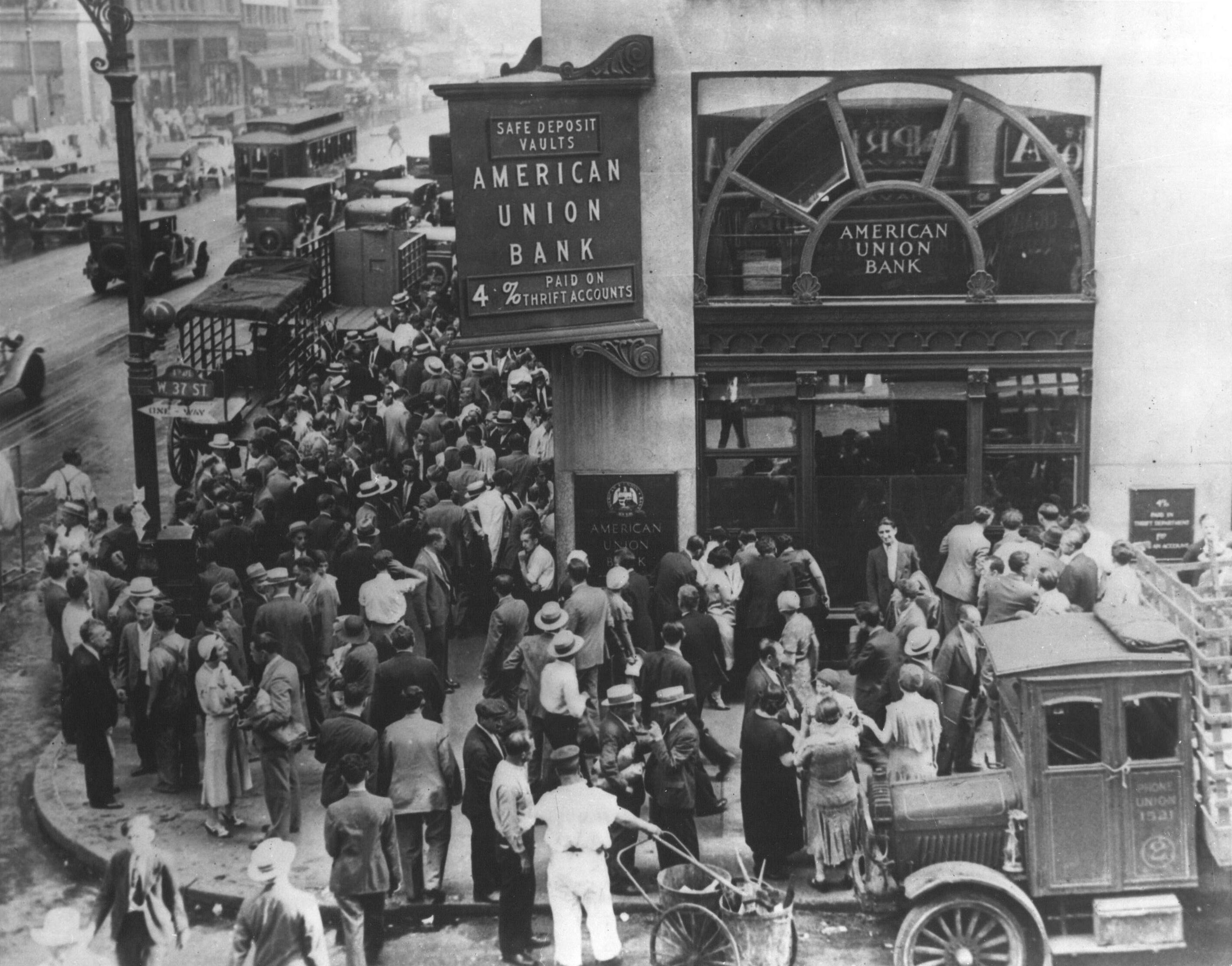
Information regarding the solvency of an insurance company is highly sensitive. If consumers believe an insurer cannot pay its claims, a "run on the bank" scenario can occur. Therefore, defamation is an unfair trade practice. Defamation involves making malicious or false statements regarding the financial condition of an insurer. The strict legal intent of defamation is to injure a person or company engaged in the insurance business.
Defamation about an insurer's financial solvency can trigger panic and a catastrophic "bank run," destabilizing the entire risk pool as policyholders rush to withdraw their cash values.
A related, yet distinct, violation is the making of false financial statements. This is an unfair trade practice involving the publishing of inaccurate information about an insurer's own financial condition with the intent to deceive. If an insurer alters its balance sheets to hide insolvency from the Director of Insurance and the public, it is manipulating the fundamental metric of its reliability.
The market must remain free and competitive. Boycott, coercion, and intimidation are unfair trade practices that involve actions resulting in an unreasonable restraint of the insurance business. If a group of producers colludes to refuse to write business for a specific company to force that company to raise its commission rates, they are boycotting and artificially restraining trade.
Insurance fundamentally discriminates based on risk—a 90-year-old smoker will pay more for life insurance than a 20-year-old marathon runner. This is fair, mathematically justified discrimination.
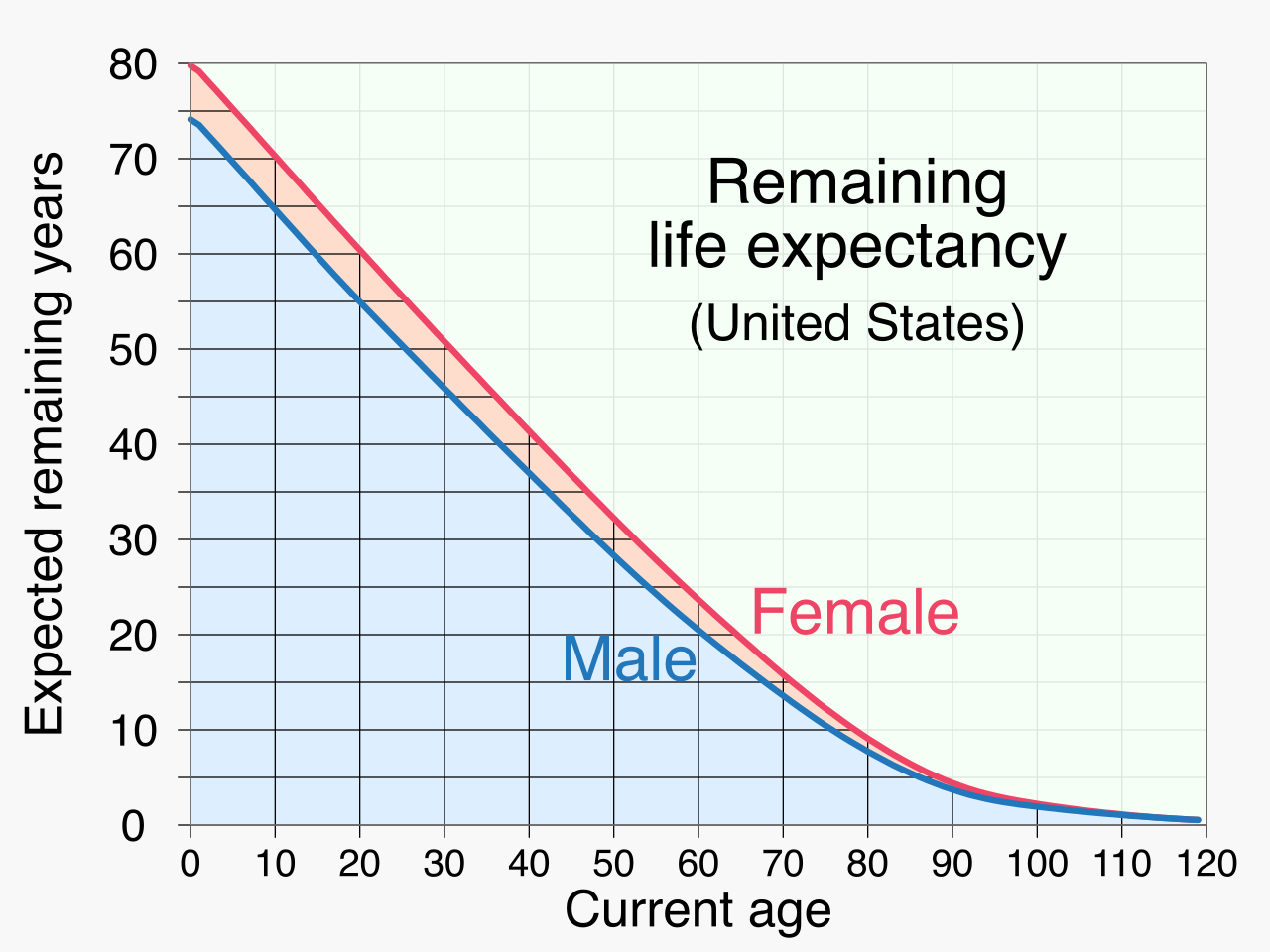
Actuarially fair discrimination relies on concrete mathematical models, such as remaining life expectancy, to assess risk. Charging different premiums for statistically identical risks constitutes unfair discrimination.
However, unfair discrimination is a severe unfair trade practice. Unfair discrimination occurs when an insurer charges different rates to individuals of the same class and equal life expectancy. If the actuarial math dictates that two individuals present the exact same risk to the insurer, they must be charged the exact same premium.
Illinois law specifically prohibits discrimination in insurance rates or benefits based on race, color, religion, or national origin. Furthermore, the state provides explicit protections for specific vulnerable populations based on historical precedent:
Illinois insurers cannot refuse to insure individuals solely because the individuals are blind or partially blind.
Illinois insurers cannot refuse to insure individuals solely because the individuals have been victims of domestic violence.
The entire apparatus of the insurance industry exists for a single event: the claim. When a loss occurs, the abstract promise becomes a concrete obligation. Illinois aggressively polices how insurers handle this transition. Unfair claims settlement practices involve handling insurance claims in an unreasonable or deceptive manner.
An insurer violates the law if it engages in any of the following systemic behaviors:
Misrepresenting pertinent policy provisions related to the coverages at issue (e.g., telling a beneficiary a peril is excluded when the contract clearly covers it).
Failing to acknowledge communications regarding claims reasonably promptly.
Failing to adopt reasonable standards for the prompt investigation of claims.
Refusing to pay claims without conducting a reasonable investigation based upon all available information.
Compelling insureds to file lawsuits by offering substantially less than the claim value.
Attempting to settle a claim for less than the amount a reasonable person would believe the person was entitled to.
The Illinois Claims Settlement Timetable
To ensure that "reasonably promptly" is not left to interpretation, Illinois law dictates a strict, chronological framework that insurers must follow when a claim is filed. Aspiring producers must memorize these intervals:
Timeframe
Insurer Obligation
15 Days
In Illinois, an insurer must acknowledge receipt of a claim within 15 days [1.1.9].
15 Working Days
An insurer must provide necessary claim forms within 15 working days of a request.
30 Days
An insurer must pay a claim within 30 days after liability has been determined.
45 Days
If a claim remains unresolved for 45 days, the insurer must send a delay letter to the claimant.
Every 45 Days
The insurer must send a subsequent delay letter every 45 days while a claim remains unresolved.
Furthermore, if the investigation concludes that the claim is not covered, the insurer cannot simply issue a flat denial. In Illinois, an insurer must provide a specific written explanation when denying a claim, pointing exactly to the policy provision that precludes coverage.
When the rules of the Unfair Trade Practices Act are breached, the Illinois Director of Insurance possesses severe administrative, civil, and criminal enforcement mechanisms.
If the Director suspects a violation, they may issue a cease and desist order against a producer engaging in an unfair trade practice, legally mandating an immediate halt to the behavior before a formal hearing is concluded.
When guilt is established, the penalties scale with the severity of the offense:
Violation
Legal Classification
Financial Penalty
General Violations
Administrative
The Director may impose a civil penalty of up to $15,000 per violation for any known violation of Illinois insurance law.
While unfair trade practices are generally committed by the producer or the insurer, the consumer can also attempt to manipulate the system. However, when a producer becomes complicit in this manipulation, the consequences escalate to the highest level.
Insurance fraud includes knowingly filing a statement of claim containing false, incomplete, or misleading information. Because this act represents an outright theft from the collective risk pool, committing insurance fraud in Illinois is classified as a felony.
As a life and health producer, your license represents a localized monopoly on the execution of these contracts. The state of Illinois grants you this authority with the strict expectation that you will defend the mathematical integrity of the risk pool, provide absolute transparency to your clients, and execute your duties free of deception. The penalties outlined above are the state's ultimate guarantee that the invisible product you sell will remain fundamentally visible and reliable when the claim is filed.