Illinois Automobile Insurance Laws
Not sure you’re ready?
Take the ~3-minute readiness diagnostic and see where you stand.
Every time a combustion engine propels two tons of steel and glass down an Illinois highway, the state faces a profound statistical certainty: eventually, physics will fail the driver, and metal will meet metal. To prevent this physical inevitability from triggering widespread financial ruin, the state of Illinois enforces a rigorous architecture of automotive financial responsibility. As a property and casualty producer, you are not merely selling paper contracts; you are constructing the legal bulkheads that keep your clients—and the public—solvent when the worst occurs. Understanding the precise mechanics of Illinois automobile insurance law is the foundation of protecting that economic ecosystem.
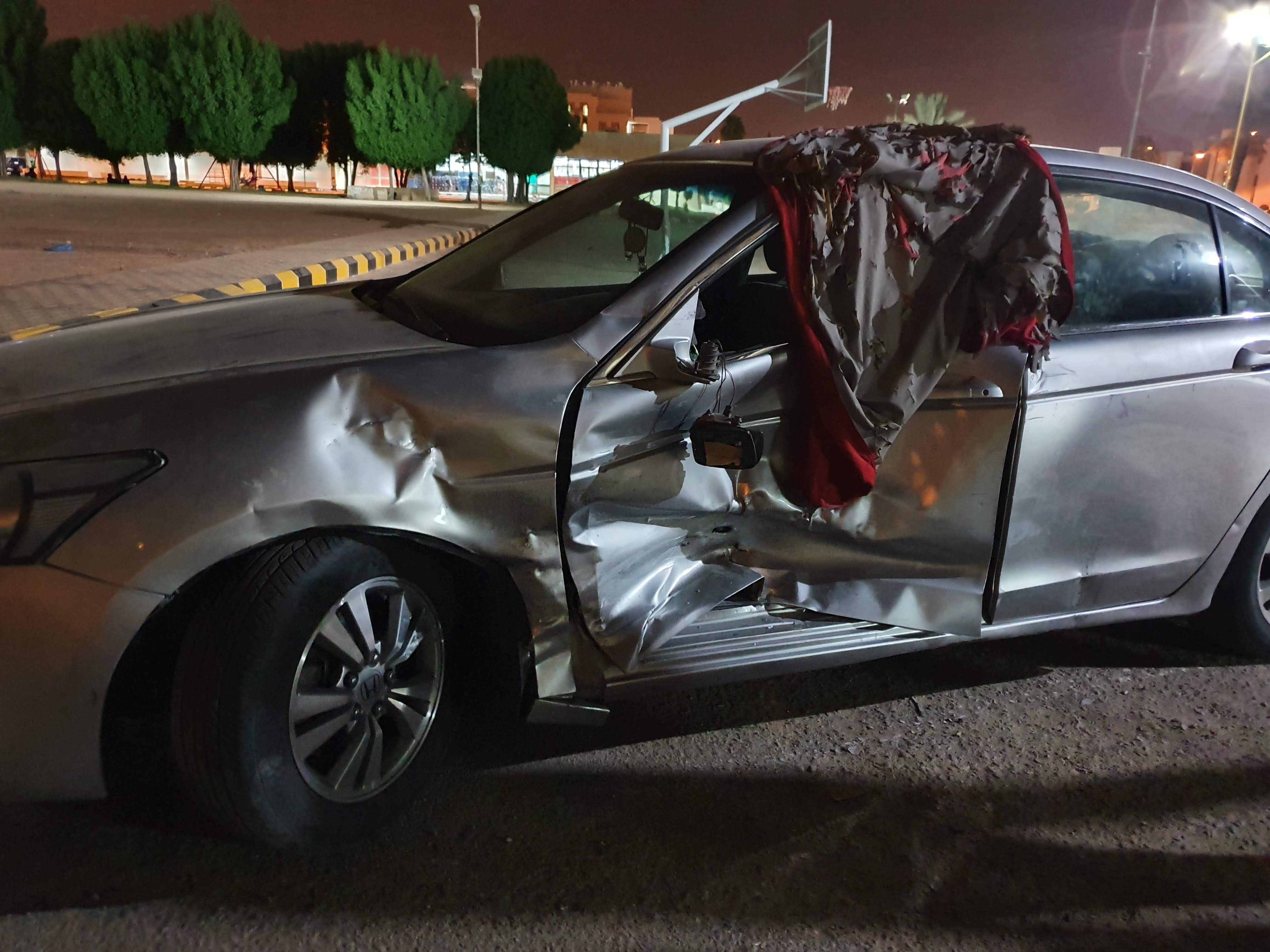
Illinois operates on a strict fault-based system backed by compulsory insurance. It is a fundamental violation of state law to introduce the physical risk of a vehicle to the public roads without also introducing the financial mechanism to pay for the damage it might cause.
Specifically, Illinois law prohibits individuals from operating or registering a motor vehicle without an active auto liability insurance policy. This obligation extends beyond the driver's seat. The law dictates that a vehicle owner in Illinois may not allow another person to operate the owner's motor vehicle unless that specific vehicle is covered by an active auto liability policy.
The 25/50/20 Rule
When we speak of minimum limits in Illinois, we are defining the absolute lowest threshold of financial responsibility the state will accept. Illinois law requires all drivers to carry a minimum amount of auto liability insurance, standardized in the industry by the abbreviation 25/50/20.
This shorthand defines the exact maximum payouts under the policy for a single auto accident:
- $25,000 is the Illinois minimum liability limit for bodily injury or death of one person.
- $50,000 is the Illinois minimum liability limit for bodily injury or death of two or more people in total.
- $20,000 is the Illinois minimum liability limit for property damage.
Producer's Note: Remember that liability insurance pays others for the damage your client causes. If your client totals someone's $60,000 luxury vehicle while carrying only state minimums, the insurance company will pay out the $20,000 property damage limit, leaving your client personally liable for the remaining $40,000.
Proof of Coverage
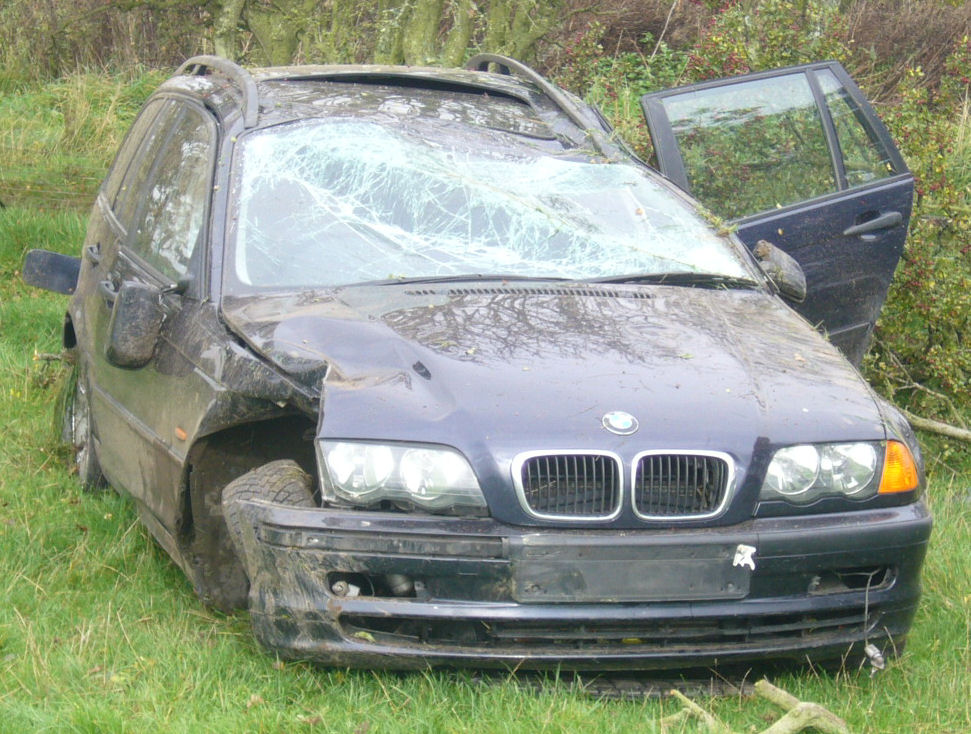
The state does not take a driver's word that they possess this coverage; it requires immediate, verifiable proof. Illinois drivers must carry proof of auto insurance inside the vehicle at all times and must display this proof of auto insurance to law enforcement officers upon request.
Recognizing modern technological realities, Illinois law allows drivers to provide this proof of auto insurance electronically using a mobile device. Whether paper or pixels, the absence of this proof during a traffic stop results in immediate citations.
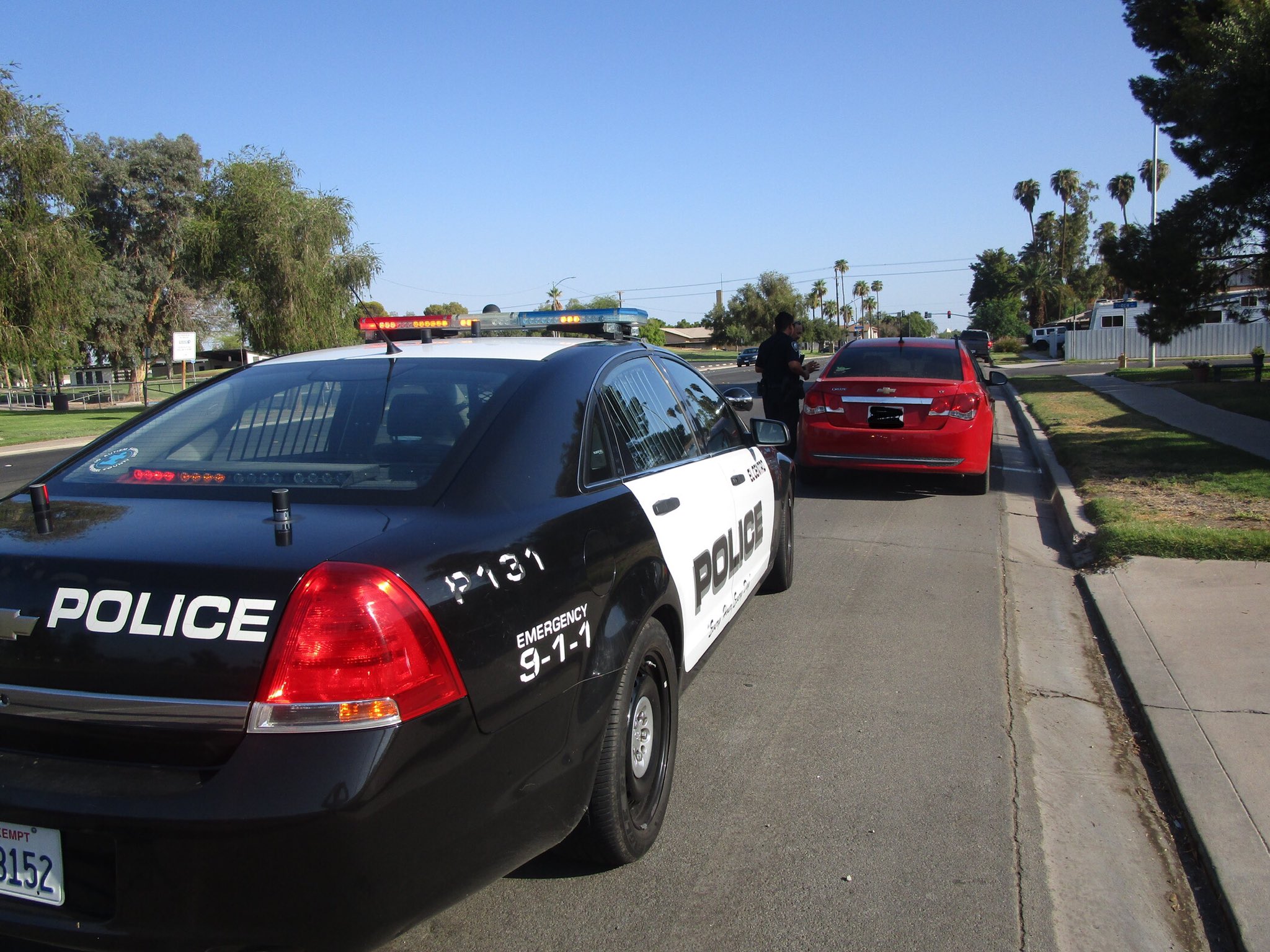
Despite compulsory insurance laws, some drivers break the rules. To prevent responsible drivers from suffering the financial consequences of an irresponsible driver's negligence, Illinois mandates a secondary layer of protection: Uninsured Motorist (UM) and Underinsured Motorist (UIM) coverage.
Uninsured Motorist Bodily Injury (UM BI)
By law, every auto liability policy issued in Illinois must include Uninsured Motorist Bodily Injury coverage. The state sets the mandatory minimum limit for Uninsured Motorist Bodily Injury coverage at $25,000 per person and $50,000 per accident—mirroring the state minimum liability limits.
This coverage acts as a financial mirror. It protects the insured against bodily injury caused by an at-fault driver who has no auto liability insurance. Crucially, Illinois Uninsured Motorist Bodily Injury coverage also protects the insured against bodily injury caused by a hit-and-run driver.
To prevent consumers from accidentally leaving themselves under-protected, Illinois auto insurers must automatically provide Uninsured Motorist Bodily Injury coverage limits equal to the insured's chosen bodily injury liability limits. If a client purchases $100,000/$300,000 in bodily injury liability, the insurer must automatically match the UM BI at $100,000/$300,000.
However, the consumer retains ultimate control over their purchasing decisions. An Illinois insured can reject Uninsured Motorist Bodily Injury coverage limits that exceed the $25,000/$50,000 state minimums, but they can only do so by submitting a written rejection.
Underinsured Motorist Coverage (UIM)
What happens if the at-fault driver has insurance, but they only carry the state minimum ($25,000), while your client suffers $80,000 in medical bills? This is where UIM enters the equation.
Illinois law requires Underinsured Motorist coverage to be included in an auto policy if the insured purchases Uninsured Motorist limits higher than the state minimums.
The Mechanics of UIM: Illinois Underinsured Motorist coverage pays the difference between the insured's Underinsured Motorist limits and the at-fault driver's bodily injury liability limits.
Let us look at a practical example: Your client carries $100,000 in UIM coverage. They are severely injured by an at-fault driver carrying only the $25,000 Illinois minimum liability limit. The at-fault driver's insurance pays its maximum: $25,000. Your client's UIM coverage evaluates the gap: $100,000 (UIM Limit) - $25,000 (At-fault payout) = $75,000. Your client's policy will pay up to $75,000 to bridge the gap.
Uninsured Motorist Property Damage (UMPD)
While UM BI is mandatory, Uninsured Motorist Property Damage coverage is an optional insurance coverage in Illinois.
Illinois Uninsured Motorist Property Damage coverage pays for damage to the insured's vehicle caused by an identified, at-fault, uninsured driver.
Notice the critical emphasis on the word identified. Hit-and-run accidents where the responsible driver cannot be identified are explicitly excluded from Illinois Uninsured Motorist Property Damage coverage. Why? This is an anti-fraud mechanism. If hit-and-runs were covered under UMPD, a driver who carelessly backed their own car into a brick wall could claim a "phantom vehicle" hit them and fled, thereby avoiding an at-fault collision claim on their record.
If a client wishes to purchase this coverage, Illinois law requires auto insurers to offer Uninsured Motorist Property Damage coverage with a maximum out-of-pocket deductible of $250.
When a driver demonstrates a severe disregard for the state's traffic and insurance laws, the state revokes the privilege of driving. To earn that privilege back, the driver enters a highly monitored status via the SR-22 system.
A fundamental misconception among consumers is that an SR-22 is a type of insurance. It is not. An SR-22 in Illinois is a certificate of financial responsibility rather than an actual insurance policy.
An SR-22 certificate proves to the Illinois Secretary of State that a high-risk driver currently carries the state's minimum required auto insurance coverage. The Illinois Secretary of State requires an SR-22 certificate for drivers attempting to reinstate a suspended or revoked driver's license.
Triggers and Timelines
The state does not demand an SR-22 for minor infractions like a standard speeding ticket. Specific, severe violations trigger this requirement:
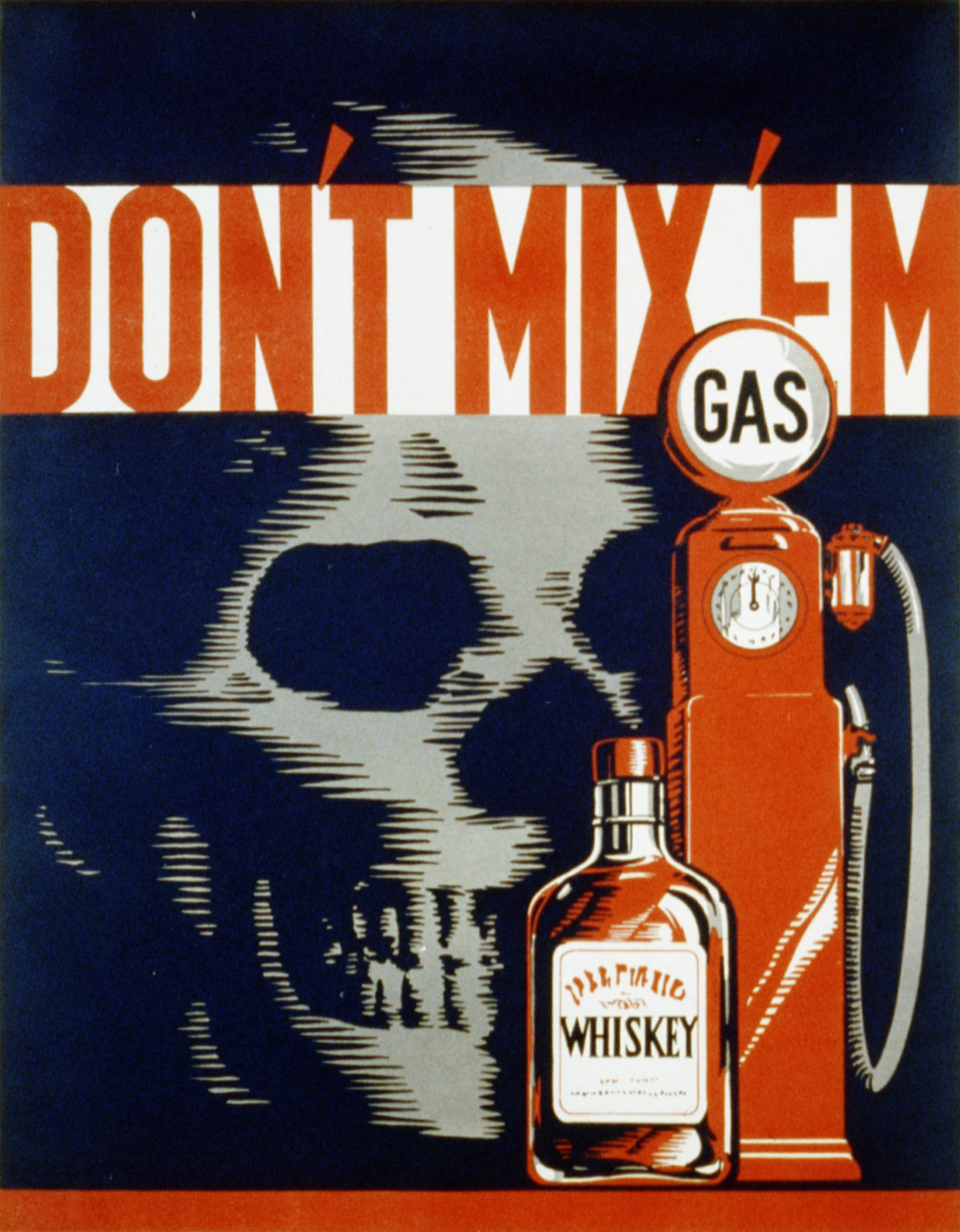
- DUI: Certain high-risk driving offenses like a DUI conviction trigger the requirement to file an SR-22 certificate.
- Uninsured Accidents: Being at fault in an auto accident while driving without insurance triggers an SR-22 filing requirement.
- Chronic Non-Compliance: Receiving three or more convictions for mandatory insurance violations requires the driver to file an SR-22 certificate.
The bureaucratic sequence matters. An Illinois driver should not file an SR-22 until receiving an official notice requirement from the Illinois Secretary of State. Once that notice is received, the clock starts: a driver has 90 days to file an SR-22 certificate to prevent a driver's license suspension.
Once established, the driver is on probation. An Illinois driver mandated to have an SR-22 must continuously maintain the SR-22 certificate on file with the state for three years.
The Flow of Information: SR-22 and SR-26
The driver cannot hand-deliver this proof. To prevent forgery, Illinois insurance companies submit the SR-22 form directly to the Illinois Secretary of State on behalf of the insured driver.
If the driver fails to pay their premium and the underlying auto policy lapses, a rigid, automatic legal circuit closes. The driver's insurance company is legally required to file an SR-26 form with the Illinois Secretary of State.
Filing an SR-26 form immediately cancels the specific driver's SR-22 certificate. In turn, the cancellation of an SR-22 certificate via an SR-26 form triggers an automatic suspension of the Illinois driver's license. There is no grace period; the state's tolerance for financial irresponsibility from a high-risk driver is zero.
Types of SR-22 Certificates
Because drivers have different living situations, Illinois offers three distinct varieties of the SR-22 certificate:
| Certificate Type | Scope of Coverage |
|---|---|
| Operator's Certificate | Provides financial responsibility coverage for a driver operating any non-owned vehicle. |
| Owner's Certificate | Provides financial responsibility coverage specifically for vehicles owned by the driver. |
| Operators-Owners Certificate | Provides financial responsibility coverage for all vehicles owned and non-owned by the driver. |
Insurance operates on the principle of acceptable risk. However, some drivers—due to a catastrophic driving record, multiple DUIs, or a history of severe claims—represent a risk profile so severe that no standard insurance company is willing to underwrite their policy.
Because the state mandates insurance to drive, but standard carriers are rejecting the driver, the state must provide a mechanism to prevent these individuals from driving entirely uninsured out of desperation.
Enter the Illinois Automobile Insurance Plan. This state-sponsored mechanism (often referred to as an Assigned Risk Plan) provides auto liability coverage to high-risk drivers who are unable to secure insurance from traditional companies.
However, a driver cannot simply choose to utilize this plan because they dislike the premiums offered by standard carriers. It is strictly a market of last resort. To qualify for the Illinois Automobile Insurance Plan, a driver must be officially turned down for coverage by at least two auto insurers. Once qualified, the state assigns the high-risk driver's policy to an insurance company operating within the state, ensuring that the public remains protected from the physical realities of the road, regardless of the driver's past.