Illinois Unfair Trade Practices & Claims Settlement
Not sure you’re ready?
Take the ~3-minute readiness diagnostic and see where you stand.
The insurance industry is an intricately balanced ecosystem built entirely on an invisible commodity: trust. When a property and casualty producer writes a policy, they are not handing over a tangible object like a smartphone or a car; they are trading a piece of paper for a promise of future protection. If the mechanisms governing that trade—the truthfulness of the sale, the fairness of the pricing, and the speed of the claim payout—break down, the entire system collapses. Illinois insurance law exists to maintain the structural integrity of this promise.
To understand unfair trade practices, you must recognize that insurance relies on actuarial science and informed consent. If a producer or insurer distorts the truth or circumvents the math, the marketplace fails. Under Illinois law, these distortions are strictly prohibited.
Information Asymmetry: Misrepresentation, Twisting, and Defamation
In any complex transaction, the expert holds more power than the consumer. The law penalizes those who weaponize that imbalance.
Misrepresentation occurs when an insurance producer makes false or misleading statements regarding the terms or benefits of an insurance policy.
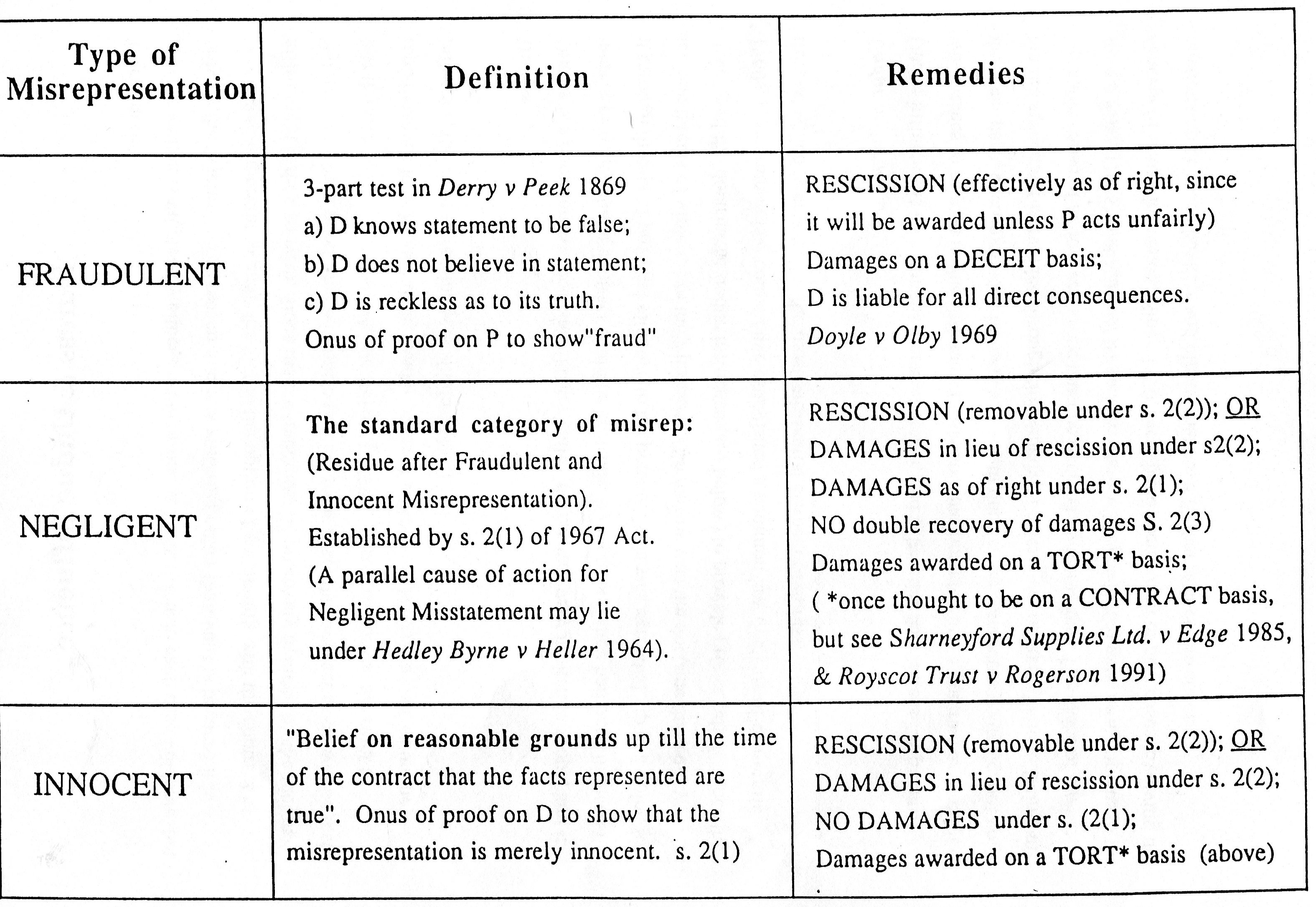
If you tell a client their standard homeowner's policy covers flood damage when it expressly does not, you are fundamentally altering the reality of what they are purchasing.
When misrepresentation is used specifically to manipulate a client's portfolio, it evolves into a more destructive practice. Twisting is the act of using misrepresentation or incomplete policy comparisons to induce a policyholder to lapse, forfeit, or surrender an existing policy. Think of twisting as predatory replacement. The producer convinces the client to abandon perfectly good coverage—often resetting waiting periods or incurring penalties—solely so the producer can generate a new commission.
Conversely, some producers lie not about their own products, but about their competitors. Defamation is the unfair trade practice of publishing or circulating false or maliciously critical statements concerning an insurer's financial condition with the intent to injure. In an industry where a company's financial stability is its only product, whispering that a competitor is secretly insolvent is a direct attack on their right to exist.
Corrupting the Incentive Structure: Rebating and Controlled Business
A competitive market requires a level playing field. Tactics that bypass the actual value of an insurance product to buy a customer's business are illegal.
Rebating is the prohibited practice of offering any valuable inducement not specified in the insurance contract to persuade a person to buy a policy.
If an underwriter prices a commercial auto policy at $5,000 based on mathematical risk, and you offer the client two courtside basketball tickets out of your own commission to secure the deal, you have broken the model. You are no longer selling the value of the protection; you are bribing the client.

Similarly, the state restricts how producers use their licenses for their own benefit. Controlled business refers to insurance procured by a producer primarily to cover the producer's own life, property, or risks. Illinois limits the amount of controlled business a producer can write to prevent individuals from obtaining a license solely to earn commissions on their own policies. An insurance license is a public trust, not a wholesale discount card for your own family's assets.
Coercion and Unfair Discrimination
The marketplace must also be free from force and prejudice. Boycott, coercion, and intimidation are unfair trade practices when the actions result in an unreasonable restraint of trade in the insurance business. You cannot strong-arm a mortgage client into buying your agency's home insurance by threatening to delay their loan.
Furthermore, risk must be priced purely on statistical hazard, not social bias. Unfair discrimination occurs when an insurer charges different rates or offers different benefits to individuals of the same class and risk hazard.
Illinois law mandates specific protections to enforce this:
- Illinois law prohibits insurers from discriminating against applicants based on race, color, religion, or national origin.
- Illinois insurers are prohibited from refusing to insure or charging higher premiums solely because an applicant has partial or total blindness.
- Insurers in Illinois cannot refuse to issue a policy solely because the applicant was previously refused coverage by another insurer.
- Insurers in Illinois cannot refuse to issue a policy solely because the applicant was previously cancelled or nonrenewed by another insurer.
Prior cancellations or blindness do not inherently rewrite the mathematical risk of a specific property or liability exposure. The insurer must underwrite the actual risk presented today.
When a producer violates these rules, the Illinois Director of Insurance steps in as the enforcement mechanism. The Director does not merely observe; they have the power to halt market damage immediately.
Cease and Desist Orders and Hearings
The Illinois Director of Insurance has the authority to issue a cease and desist order if a producer is suspected of violating unfair trade practice regulations.
When the gavel falls, compliance is not optional. A producer who receives a cease and desist order must immediately stop the prohibited activity. However, due process remains intact. A producer who receives a cease and desist order retains the right to request a hearing to contest the allegations.

To ensure fairness, the Director must provide a written notice of a hearing to interested parties at least 20 days before the scheduled hearing date. These hearing notices issued by the Director must specify the date, time, and location of the hearing.
The Mathematics of Penalties
If the hearing confirms a violation of Illinois unfair trade practices laws, the Director may suspend or revoke a producer's license. The financial penalties scale with the severity of the defiance:
| Violation | Maximum Civil Penalty |
|---|---|
| Violating a final cease and desist order issued by the Director regarding an unfair trade practice | Up to $1,000 per violation |
| Actions that warrant license suspension or revocation under Illinois producer licensing laws | Up to $10,000 per violation |
| Maximum total civil penalty assessed under general licensing revocation proceedings | Capped at $100,000 |
A policy is theoretical until a loss occurs. The claim is the moment the product is actually delivered. Because the insured is inherently vulnerable after a loss, Illinois imposes rigid, legally binding timelines and behavioral standards on how insurers must handle claims.
The Chronology of a Claim
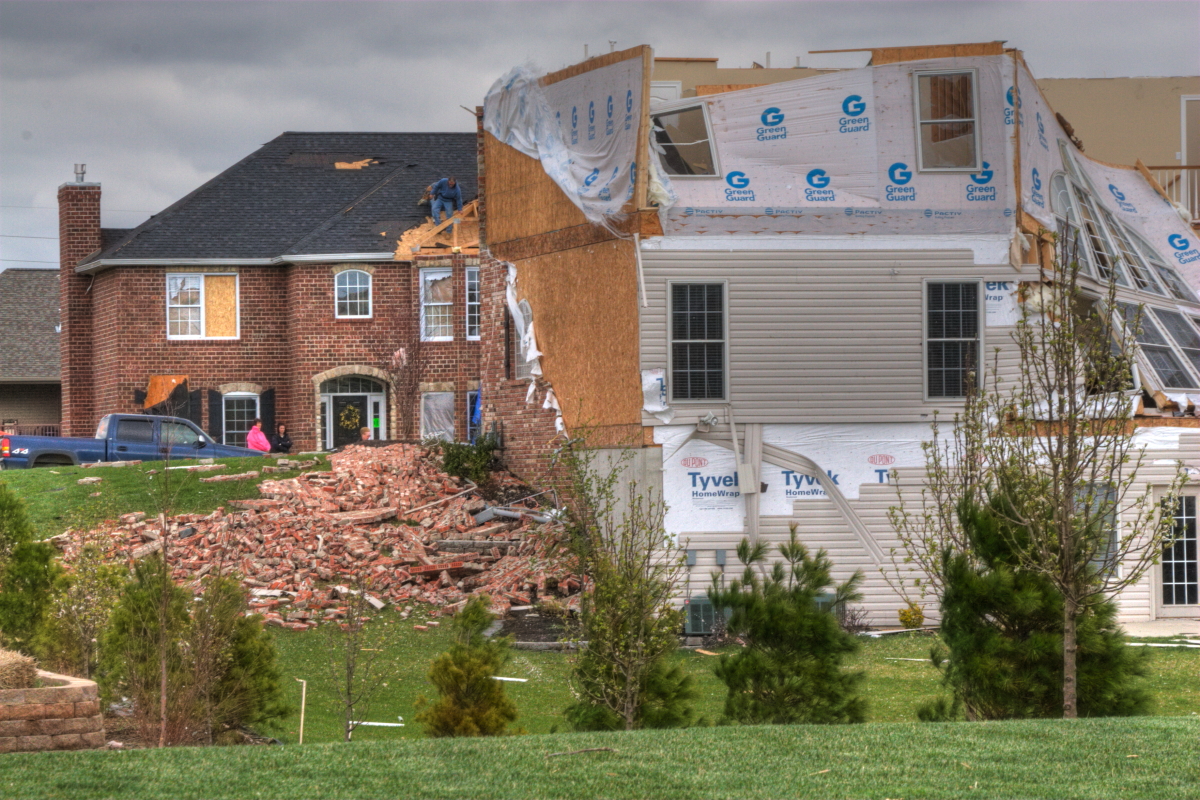
Time is the enemy of a claimant whose roof has collapsed or whose vehicle is totaled. Therefore, Illinois dictates exact deadlines:
The First 15 Days:
- Illinois unfair claims settlement laws require insurers to acknowledge the receipt of a claim within 15 working days.
- Insurers must provide necessary claim forms to the claimant within 15 working days of receiving notice of a claim.
- An insurer must respond to pertinent communications from a claimant with reasonable promptness. Illinois regulations define reasonable promptness for responding to claimant communications as a maximum of 15 working days.
The Next 30 Days (After Liability is Determined):
- Insurers must pay the undisputed portions of a claim within 30 days of affirming liability.
- If the claim is not fully paid, transparency is required. An insurer must provide a written explanation of the basis for the decision if the insurer denies a claim entirely.
- Similarly, an insurer must provide a written explanation of the basis for the decision if the insurer offers a claim settlement lower than the claimed amount.
- This written explanation for a denied claim or lower settlement offer must be provided to the insured within 30 days of completing the claim investigation.
Delays (45 to 60 Days): Sometimes, thorough investigations take time. But silence is unacceptable.
- An insurer must provide the insured with a written explanation for the delay if a standard insurance claim remains unresolved 45 days after the claim was filed.
- An insurer must provide a written explanation for the delay if a property damage liability claim remains unresolved in excess of 60 days. (Liability claims naturally take longer because they often involve third-party investigations and comparative negligence analyses).
The Pathology of Bad Faith
Beyond missing deadlines, insurers can be penalized for the specific ways they interact with claimants. Failing to adopt and implement reasonable standards for the prompt investigation of claims is an improper claims settlement practice in Illinois.
The law aggressively targets bad-faith tactics designed to exhaust, confuse, or cheat the claimant:
- Shooting in the dark: Refusing to pay claims without first conducting a reasonable investigation based on all available information is a prohibited claims practice.
- Bureaucratic friction: Requiring a claimant to submit a formal proof of loss that duplicates information already provided in a preliminary claim report is a prohibited delay tactic.
- Economic coercion: Compelling an insured to institute a lawsuit to recover amounts due by offering substantially less than the amount ultimately recovered is an unfair claims practice. Insurers cannot use their massive legal war chests to force desperate claimants into accepting lowball offers.
- Post-claim underwriting: Attempting to settle a claim based on an application that was altered without the knowledge or consent of the insured is a prohibited claims practice.
- The bait and switch: Attempting to settle a claim for less than what a reasonable person would expect based on written advertising material accompanying the application is an unfair practice. The marketing cannot promise a parachute while the claims department delivers a cocktail umbrella.
- The silent freeze: Failing to promptly affirm or deny coverage of claims within a reasonable time after proof of loss statements have been completed is an improper claims practice.
- Active sabotage: Finally, the intentional obstruction and delay of a claims investigation is a direct violation of Illinois insurance regulations.
When you pass your exam and enter the field, remember that these statutes are not mere administrative red tape. They are the physical guardrails keeping the invisible promise of insurance intact. Mastery of these rules ensures you protect not only your client's assets, but the integrity of the profession itself.