Contract Law
Not sure you’re ready?
Take the ~3-minute readiness diagnostic and see where you stand.
Every time a client slides a signed application back across your desk, an invisible architecture of legal obligations is constructed in the room. You are not trading a tangible good—like handing over the keys to a vehicle or handing across a piece of hardware. You are facilitating the sale of a promise. Specifically, you are transferring the catastrophic financial risk of death, disease, or injury from a single family to a multi-billion-dollar institution. Because you are dealing in promises rather than physical objects, the entire transaction is governed by the strict, uncompromising rules of contract law. For an insurance policy to be enforceable in a court of law, it must be constructed on a flawless legal foundation, and it operates under a unique set of behavioral rules that defy how we normally buy and sell goods.
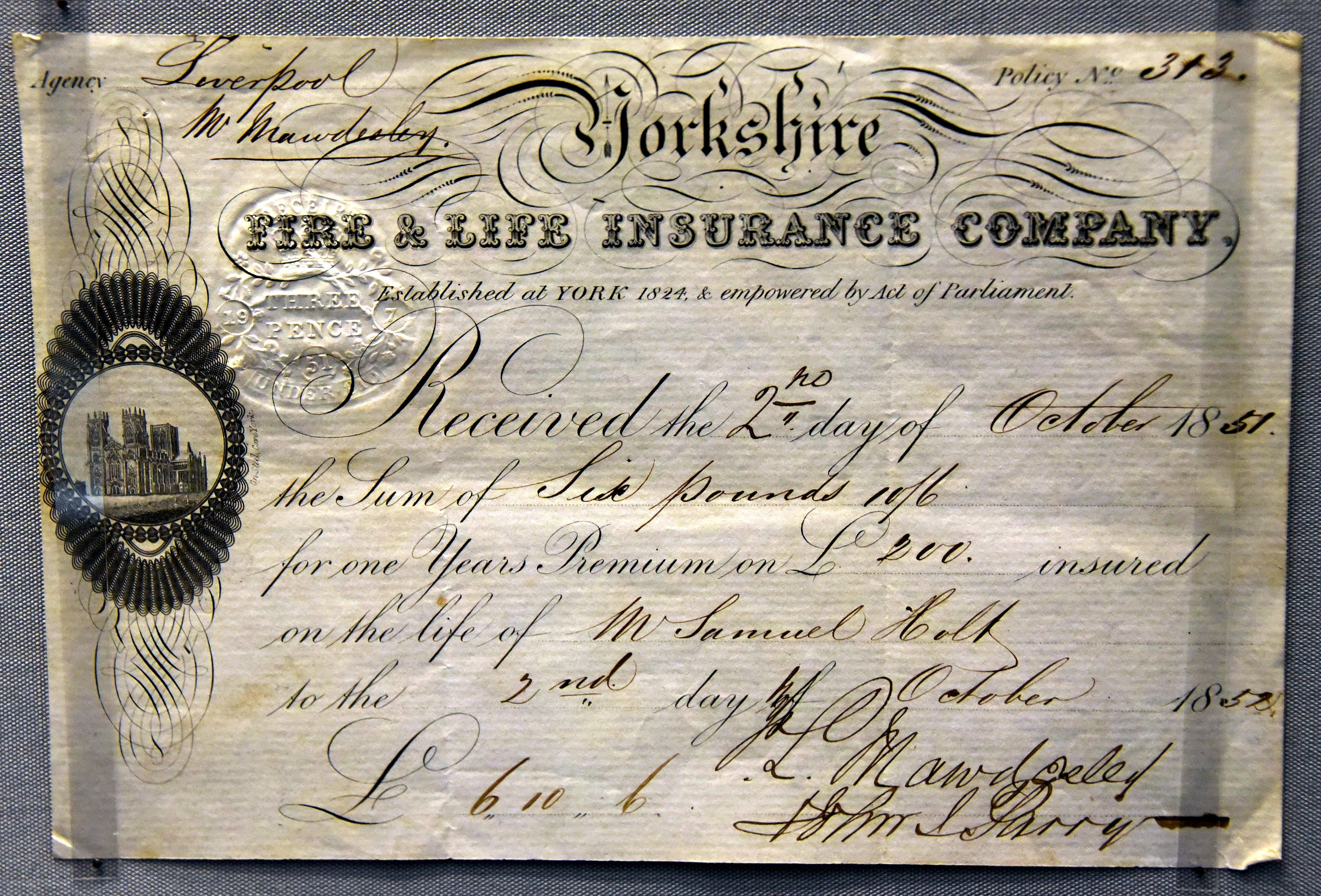
For any contract to exist—whether you are hiring a contractor to build a house or securing a life insurance policy for a young family—four specific legal pillars must be present. If even one is missing, the contract simply does not exist in the eyes of the law. An insurance contract requires an offer and acceptance to be legally binding, the exchange of consideration, the involvement of legally competent parties, and it must possess a legal purpose.
1. Offer and Acceptance: The Dance of Agreement
An agreement cannot happen in a vacuum; one party must propose a relationship, and the other must agree to it exactly as proposed.
In the insurance world, an insurance offer is typically made by the applicant submitting a completed application. However, there is a catch that frequently appears on state exams: paper alone is not an offer. To have legal weight, an applicant's legal offer must include the initial premium payment.
Think about it mechanically: if your client hands you a completed application and a check for the first month's premium, they are saying, "Here is my physical health history and my actual money. I offer to buy your policy." Acceptance of this standard insurance offer occurs when the insurer issues the policy as applied for.
But what happens if the client forgets their checkbook? An application submitted without the initial premium is not considered a legal offer. Legally speaking, an application submitted without a premium is simply an invitation for the insurer to make an offer.
The Sequence of No-Premium Applications When an application lacks the initial premium, the dynamic flips. The insurer reviews the health history and, if acceptable, makes the legal offer by issuing the policy. The ball is now in the client's court. The applicant accepts the insurer's policy offer by paying the first premium upon delivery. Until that money changes hands at delivery, no contract exists.
2. Consideration: The Exchange of Value
Courts will not enforce a contract if only one person is giving up something of value. There must be an exchange. Consideration is the binding exchange of value between the parties in a contract.
It is easy to see what the insurance company brings to the table: the insurer provides consideration by promising to pay financial benefits in the event of a covered loss. But what does the applicant bring?
An insurance applicant provides consideration in two distinct forms. First, they provide consideration by making premium payments. Second—and this is equally vital—an insurance applicant provides consideration through the truthful statements made on the insurance application. If the applicant lies about their heart condition, they have provided faulty consideration, which can collapse the foundation of the contract entirely.
3. Competent Parties: The Capacity to Bind
A contract is only as strong as the mental capacity of the people signing it. The competent parties element requires all contract participants to be of legal age (typically 18, though this can vary slightly by state for insurance purposes) and requires all contract participants to be mentally capable of understanding the agreement.
If you are sitting across from a client who is visibly intoxicated, you must stop the application process immediately. A person under the influence of drugs or alcohol is not considered a legally competent party. If a court discovers a party was incapacitated at the time of signing, the contract is voidable.
4. Legal Purpose: Lawfulness and Insurable Interest
You cannot write a legally binding contract to protect a bank robber’s getaway car, nor can you take out a life insurance policy on a random stranger. An insurance contract cannot be written for a purpose that violates public policy.
In our industry, a legal purpose in life insurance requires the existence of a valid insurable interest. This means the person buying the policy must stand to suffer a legitimate financial or emotional loss if the insured person dies. Furthermore, you cannot secretly insure someone. A legal purpose in life insurance requires the written consent of the proposed insured. Without insurable interest and written consent, the policy is legally viewed as a wager or a gambling contract, which violates public policy.
Once the four fundamental pillars are established, we must look at how the contract actually behaves. Buying life and health insurance is not like buying a television. The legal framework of an insurance policy possesses four highly specific characteristics.
The Contract of Adhesion: Take It or Leave It
If you lease an apartment, you might negotiate with the landlord to include parking or lower the rent. That is a negotiated contract. Insurance does not work this way. An insurance policy is classified as a contract of adhesion.
A contract of adhesion is drafted entirely by one party without any negotiation over the contract terms. The insurance company prepares the contract of adhesion on a strict take-it-or-leave-it basis. As the producer, you cannot cross out a policy exclusion with a red pen and ask the home office to initial it. The insured must accept or reject the contract of adhesion exactly as written by the insurer.
Because of this immense imbalance of power in drafting, the legal system applies a powerful counterweight to protect the consumer. The insurer holds sole responsibility for the language drafted in a contract of adhesion. Therefore, courts interpret contractual ambiguities against the party that drafted the contract.
The Rule of Ambiguity If a clause in a health insurance policy is poorly worded and could reasonably mean two different things, the court will not ask what the insurer intended it to mean. Because the insurer wrote it, any ambiguity or unclear language in an insurance policy is legally resolved in favor of the insured.

The Aleatory Nature: Unequal Exchange by Chance
If you pay $500 for a television, you expect to receive a television worth $500. This is a commutative contract—an equal exchange of value. Insurance policies, however, are classified as aleatory contracts.
An aleatory contract involves an unequal exchange of monetary value between the contract parties. The financial payout in an aleatory contract depends entirely upon the occurrence of a specific and uncertain future event.
Let’s translate that into reality. In an aleatory insurance contract, the premium paid by the insured is typically much smaller than the potential death benefit paid by the insurer. A 30-year-old might pay a $50 monthly premium for a $500,000 life insurance policy. If that client tragically dies in a car accident in month two, the family receives $500,000 in exchange for just $100 in total paid premiums. Conversely, if the client outlives a term life policy, they may pay thousands of dollars over 20 years and receive absolutely nothing in return. The exchange of dollars is massively unequal, dictated entirely by the uncertain timing of mortality or morbidity.

The Unilateral Characteristic: A One-Sided Promise
The prefix uni- means one. An insurance policy is classified as a unilateral contract because, in a unilateral contract, only one party makes a legally enforceable promise.
It is a common misconception that an insurance contract binds both the company and the client equally. It does not. The insured makes no legally binding promises to the insurer in a unilateral insurance contract. The client does not legally promise to keep paying premiums; an insured can cancel a unilateral insurance contract at any time by simply stopping premium payments. The insurer cannot sue the client for failure to pay.
On the other hand, the insurer's hands are tied. The insurer is legally bound to pay covered claims in a unilateral insurance contract as long as the policy remains in force. The client can walk away tomorrow, but the insurer is legally trapped by its own promise.
The Conditional Framework: If-Then Obligations
Even though the insurer is the only one making a legally binding promise, they do not just hand over a check blindly. An insurance policy is classified as a conditional contract.
A conditional contract requires certain actions to be completed by the policyowner before the insurer fulfills its obligations. Think of it as a massive framework of "If/Then" statements.
- Condition of Continuation: Paying the required premium is a condition that the insured must meet to keep an insurance contract in force. If you pay the premium, then the coverage continues.
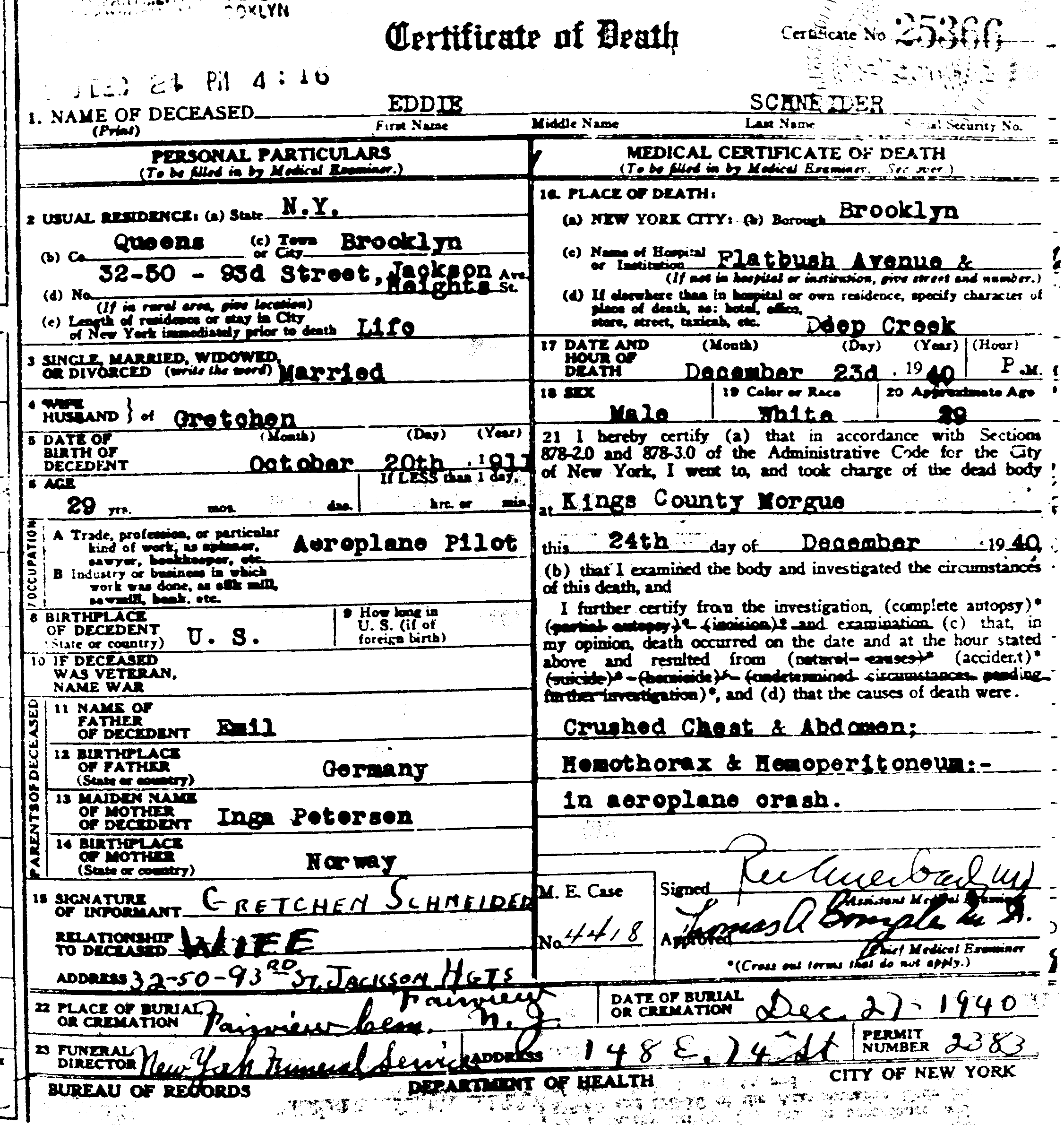
- Condition of Claim: Providing formal proof of loss is a condition that an insured must meet for an insurer to pay a claim. If the insured passes away, then the beneficiary must provide a certified death certificate before the insurer will release the funds.
| Characteristic | What It Means in Plain English | Why It Matters on the Exam |
|---|---|---|
| Adhesion | "Take it or leave it." | Ambiguities are always ruled in favor of the insured. |
| Aleatory | "Unequal exchange driven by chance." | Explains how a $50 premium can yield a $500,000 payout. |
| Unilateral | "A one-sided promise." | The insurer must pay; the insured can walk away at any time. |
| Conditional | "If you do X, we will do Y." | Claims aren't paid automatically; proof of loss is required. |
As you sit for your licensing exam, remember that the questions are not trying to trick you—they are trying to ensure you understand the gravity of the documents you will soon handle. When you collect a premium and a truthfully completed application, you are gathering consideration. When you ensure the client is sober and of sound mind, you are verifying competent parties. When you check for a legitimate financial risk, you are confirming legal purpose. And when you combine the application and the initial check, you are facilitating the offer.
Master these fundamentals, not just because they will appear as multiple-choice questions, but because they form the operational reality of your entire career as an insurance professional.