Delivering the Policy
Not sure you’re ready?
Take the ~3-minute readiness diagnostic and see where you stand.
An insurance policy is a bundle of intangible promises, a contract mapping out future contingencies. Until the moment it is legally delivered, it remains mere paperwork. The act of policy delivery is the ignition switch of this legal engine. An insurance producer is not merely acting as a courier during this phase; the producer is finalizing the terms of a binding agreement, establishing legal timelines, and guaranteeing that the physical realities of the applicant match the theoretical risk the underwriter assumed.
Understanding the precise mechanics of policy delivery allows you to protect the insurance company from taking on uncalculated risks, protect the client from misunderstanding their coverage, and protect yourself from catastrophic liability.
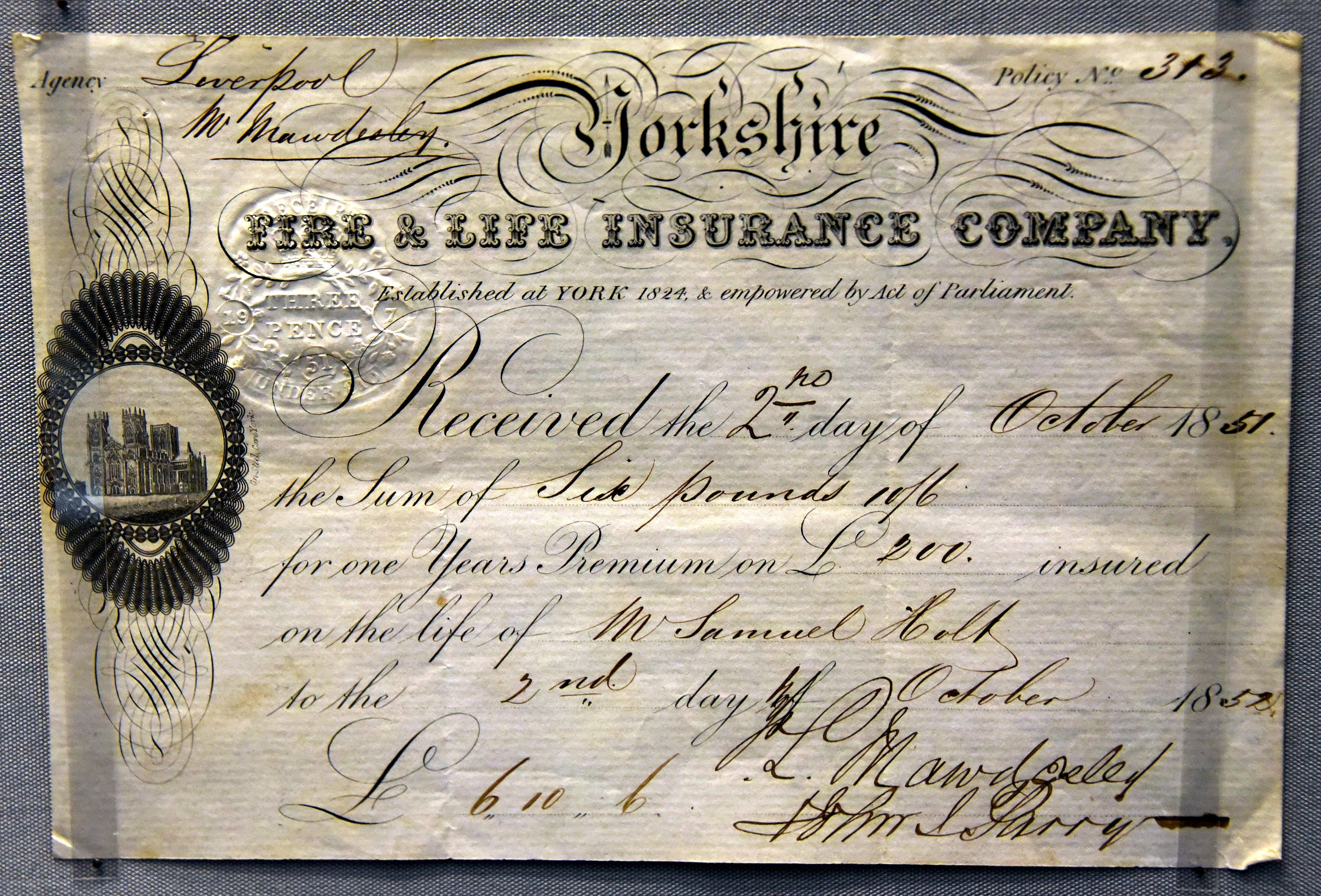
In contract law, delivery is not merely about physical location; it is about intent and control. Legal delivery of a life insurance policy occurs the moment the insurer intentionally relinquishes control of the policy to the policyowner.
This relinquishment of control can take several forms:
- Constructive Delivery: This occurs when the insurance company mails the policy to the agent for delivery to the policyowner. Because the insurer has let go of the document with the intent that it reaches the client, constructive delivery is legally equivalent to handing the policy directly to the policyowner.
- Direct Mail: An insurance company can legally deliver a policy by mailing the policy directly to the policyowner. In these cases, mailing an insurance policy to the policyowner via certified mail provides legal proof of the policy delivery date.
- Personal Delivery: This is the physical handover of the insurance policy by the agent to the policyowner.
While the mail might suffice legally, personal delivery of a life insurance policy is a highly recommended practice for insurance producers. It is the gold standard because it fulfills the agent’s fiduciary duty to ensure the client actually understands what they have purchased.
Before you even sit down with your client, you have homework to do. The agent must personally review the issued policy before the delivery appointment.
Why? Because insurance companies process thousands of applications, and underwriters are human. Pre-delivery review of the issued policy allows the agent to identify any errors made by the insurance company before handing the policy to the client. You must ensure the issued policy exactly matches the coverage requested in the application. Handing a client a policy with a misspelled name, the wrong beneficiary, or an incorrect death benefit creates immediate distrust and legal friction.
When you sit down with the client for personal delivery, you are acting as the translator between a highly technical legal document and a layperson's expectations. Personal delivery provides an opportunity for the agent to thoroughly explain the insurance policy terms to the client.
Upon policy delivery, the agent must personally review the insurance policy provisions with the policyowner. You cannot simply hand them the envelope and leave. During this meeting, you must:
- Explain the specific benefits: Detail exactly when and how the death benefit or health benefits pay out.
- Explicitly point out the coverage exclusions: Clients must know what is not covered (e.g., suicide clauses, aviation exclusions) to prevent devastating surprises at claim time.
- Explain the function of any riders: If the policy includes an Accelerated Death Benefit or a Waiver of Premium rider, explain how these modify the base contract.
Furthermore, state insurance regulations mandate consumer protection disclosures. The agent must deliver the life insurance Buyer's Guide and the Policy Summary to the applicant no later than the time of policy delivery.
The most critical variable at the time of delivery is whether the client paid money when they filled out the application. The timing of the initial premium dictates the exact steps you must take to put the policy in force.
Scenario A: Premium Paid with the Application
If the applicant paid the initial premium with the application, you likely issued them a conditional receipt. In this scenario, the underwriter evaluated the risk based on the client's health on the day the application was signed. Therefore, a Statement of Good Health is not required at policy delivery if the applicant paid the initial premium with the application or if the agent issued a conditional receipt at the time of the application.
Scenario B: No Premium Paid with the Application
An application submitted without an initial premium is essentially an invitation for the insurance company to make an offer. It delays the effective date of the life insurance policy until the policy delivery date.
When you arrive to deliver a policy where no premium was collected upfront, you have two strict obligations:
- An application submitted without an initial premium requires the agent to collect the premium at the time of policy delivery.
- It also requires the agent to obtain a signed Statement of Good Health at the time of policy delivery.
What is a Statement of Good Health? A Statement of Good Health is a document confirming that the applicant's health has not deteriorated since the original application date.
Why is this document so vital? The Statement of Good Health protects the insurance company against adverse selection between the application date and the policy delivery date. Imagine an applicant who applies for life insurance, pays nothing, and suffers a massive heart attack three weeks later while the policy is still in underwriting. If the agent delivers the policy and collects the premium after the heart attack, the insurer is taking on a drastically different risk than they underwrote.
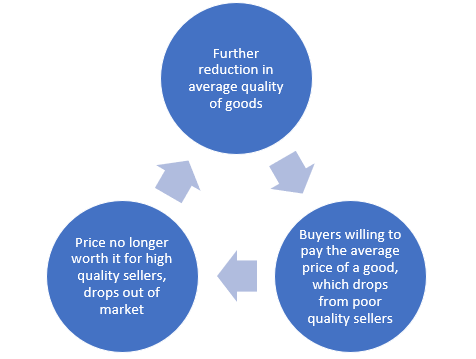
Therefore, a life insurance policy will not become effective if the applicant's health declines between the application date and the premium payment date.
If you are at the delivery appointment and the agent discovers the applicant's health has deteriorated since the application date, an absolute rule applies: An insurance agent must not deliver a policy. If the applicant's health has deteriorated before policy delivery, the agent must return the policy to the insurance company without delivering it.

Sometimes, the underwriter reviews the medical records and decides the applicant is far riskier than initially assumed. In this case, the insurer will issue a rated life insurance policy—a policy issued with a higher premium due to the applicant's substandard risk profile.
If the insurance company issues a policy with different terms than originally applied for, the modified policy constitutes a counteroffer.
A counteroffer changes the entire legal landscape. Most importantly, a counteroffer by the insurance company voids any conditional receipt issued during the initial application. The original deal is dead; a new deal is on the table.
When delivering a rated life insurance policy, the agent is responsible for several critical steps:
- Explain the Rating: Delivering a rated life insurance policy requires the agent to clearly communicate the reasons for the premium increase to the client.
- Obtain the Amendment: An underwriter may require an applicant to sign an amendment to the life insurance application before coverage can begin. An amendment to a life insurance application officially modifies the terms of the original application. The agent must obtain the applicant's signature on a required policy amendment during the policy delivery appointment.
- Collect the Difference: An agent must collect any required additional premiums upon policy delivery if the policy was issued at a higher risk classification than originally applied for.
Once signed by the applicant, a life insurance policy amendment becomes a legally binding part of the entire contract. Remember: A policy issued as a counteroffer does not become effective until the applicant explicitly accepts the new terms and pays any additional required premium.
Once the policy is in the client's hands, a consumer protection countdown begins. This is the free-look period, a mandatory provision giving the policyowner a set number of days (usually 10 to 30, depending on the state and product) to review a newly delivered insurance policy.
During the free-look period, the policyowner can return the insurance policy for a full refund of all premiums paid. No questions asked.
Because this right is absolute, the exact start time of this period is highly scrutinized. The free-look period begins on the exact date the policyowner receives the delivered insurance policy.
- The free-look period does not begin on the date the insurance company issues the life insurance policy.
- The free-look period does not begin on the date the insurance company approves the life insurance application.
Because the clock starts upon physical receipt, the agent needs ironclad proof of when that event occurred. The agent is responsible for obtaining a signed delivery receipt from the policyowner to document the completion of the delivery process.
The delivery receipt must be signed by the policyowner immediately upon receiving the physical insurance policy. Obtaining this signed delivery receipt establishes the exact start date of the free-look period.
Why the Delivery Receipt Matters:
- It protects the insurance company by providing documentary proof of the exact date the policyowner received the policy, closing the window on free-look refund disputes.
- It protects the agent by providing documentary proof of the exact date the policyowner received the policy, defending the agent against accusations of delayed delivery or failure to deliver the contract.
Quick Reference: Delivery and Premium Paths
| Action | Premium Paid at Application | Premium Paid at Delivery |
|---|---|---|
| Receipt Issued | Conditional Receipt | None |
| Statement of Good Health | NOT Required | REQUIRED |
| Effective Date | Date of Application (or medical exam, if later), assuming approved as applied. | Date of Delivery + Premium Payment. |
Every action taken during policy delivery converges to establish one critical milestone: the effective date. The delivery of the policy and the collection of the initial premium establish the effective date of the insurance contract.
This date is the anchor for the entire policy life cycle. Most notably, the effective date of the insurance contract determines the start date for the policy's incontestability period (the standard two-year window during which the insurer can contest a claim for material misrepresentations).
When you deliver an insurance policy, you are not closing a sale; you are opening a contract. By understanding the profound legal weight of constructive delivery, the protective mechanism of the Statement of Good Health, and the precise timing of the free-look period, you elevate your role from a simple salesperson to a competent, indispensable professional protecting both your client and the integrity of the insurance system.