New York Marketing, Replacement & Suitability Rules
Not sure you’re ready?
Take the ~3-minute readiness diagnostic and see where you stand.
Insurance is an invisible product. You are not handing a client a tangible machine they can inspect, test-drive, or hold up to the light; you are handing them a legally binding promise. Because the client cannot objectively measure this promise on a physical scale, the rules governing how you present, compare, and recommend that coverage are not merely administrative hurdles. They are the fundamental laws of gravity that maintain trust in the financial marketplace. New York State enforces this trust through stringent regulations on marketing, product replacement, and the fiduciary-like standards of producer recommendations.
Understanding these rules requires seeing them not as red tape, but as a system designed to correct a massive information imbalance. The client relies entirely on the clarity of your communication and the integrity of your analysis.

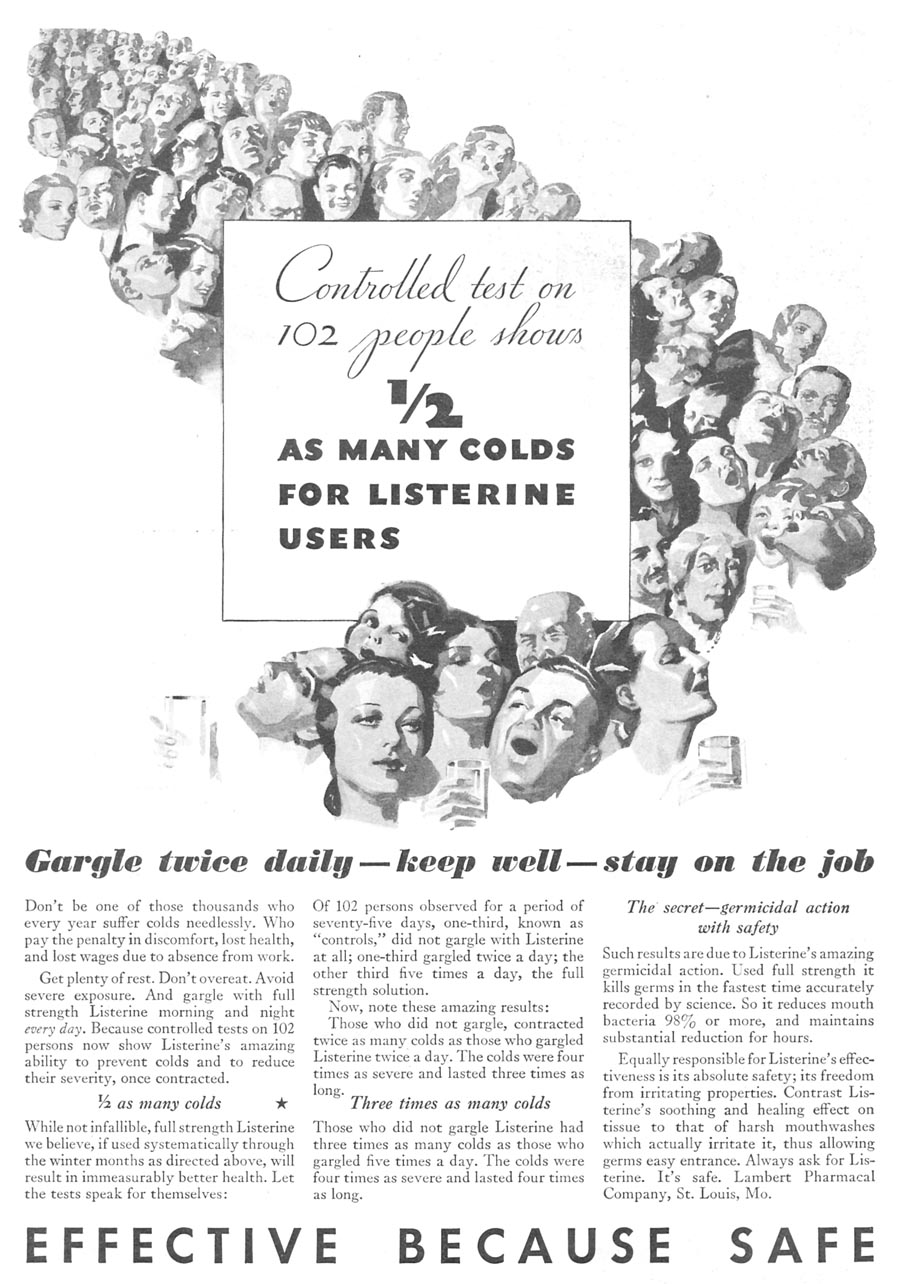
When you create a marketing piece, you are shaping a prospective client’s reality. New York insurance law requires that all advertisements be truthful and not misleading in fact or implication. This is a standard that goes beyond mere literal accuracy.
The format and content of a New York insurance advertisement must be clear enough to avoid misleading a person not knowledgeable in insurance. If a brilliant marketing brochure is confusing to a layperson, it is a non-compliant brochure.
The Rules of Engagement in Marketing
- Identify the Source: New York insurance advertisements must clearly identify the full name of the actual insurer issuing the policy. You cannot hide behind a catchy agency DBA (Doing Business As) name while obscuring the underwriter.
- Prominent Disclosures: An insurance advertisement cannot minimize, obscure, or present required disclosures in an ambiguous fashion. The fine print cannot contradict the bold print.
- Ultimate Responsibility: An insurer is held ultimately responsible for all advertising materials used by the insurer's producers in New York. If you, the producer, create a non-compliant Facebook ad, the insurer bears the regulatory strike.
- Genuine Endorsements: Testimonials used in New York insurance advertisements must be genuine and represent the current opinion of the author. You cannot recycle a glowing review from a client who subsequently canceled their policy in frustration.
- The Safety Net Prohibition: New York insurance regulations strictly prohibit producers from using the existence of the state Guaranty Association as an inducement to sell insurance. You cannot say, "Even if this company goes bankrupt, the state will bail you out, so buy this policy." The Guaranty Association is a last-resort safety net, not a marketing feature.
Educating the Buyer: Guides and Summaries
Before a client parts with their money, they must understand both the general theory of what they are buying and the specific math of their actual policy.
- Life Insurance Buyer's Guide: This document provides basic, generic information about life insurance policies to prospective purchasers. Think of it as the textbook—it explains the difference between term and whole life, how premiums work, and what to look for.
- Policy Summary: This provides specific details and financial information about the actual life insurance policy being purchased. Think of this as the receipt—it shows the specific premium amounts, guaranteed death benefits, and cash values for their exact policy.
The Timing Rule: New York producers must generally provide a Life Insurance Buyer's Guide and a Policy Summary to an applicant prior to accepting the initial premium deposit.
The Exception: If a New York life insurance policy contains a free-look period of at least ten days, the Buyer's Guide and Policy Summary may be delivered with the policy itself, rather than before the premium is collected.
The "free-look" period is a legally mandated window allowing a new policyholder to read their contract, think about their purchase, and return it for a full refund if they change their mind. It is a cooling-off period designed to protect consumers from high-pressure sales tactics.
Because different purchasing environments carry different risks of misunderstanding, New York varies the length of the free-look period based on how the policy was sold:
| Transaction Type | Required Free-Look Period | Why This Matters |
|---|---|---|
| Standard Issue | Minimum 10-day free-look | Applies to most newly issued life insurance and annuity contracts sold in a traditional setting. |
| Mail Order | 30-day free-look | Distance selling lacks face-to-face clarification. Life insurance policies sold by mail order in New York require more time for the consumer to review the documents. |
| Replacement | 60-day free-look | Replacing an old policy with a new one is highly complex. New York law mandates a 60-day free-look period when a life insurance policy or annuity is sold as a replacement. |
In the physical world, replacing an old car with a new car is straightforward. In life insurance, replacing an old policy with a new one involves breaking a long-term mathematical compound curve and starting over, often with new acquisition costs and new contestability periods.
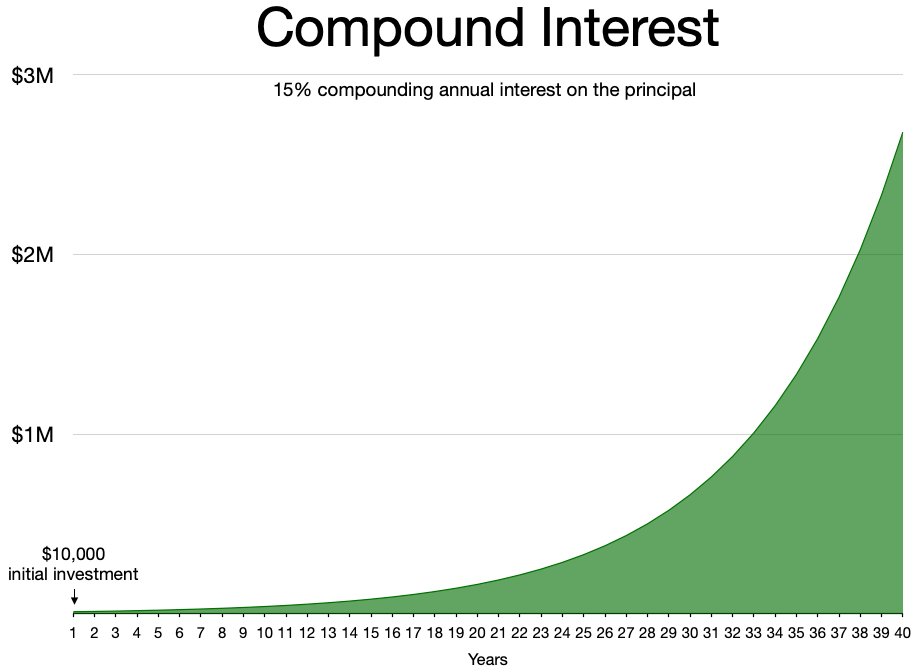
What is a Replacement? A policy replacement occurs when a new life insurance policy is purchased and an existing life insurance policy is surrendered. However, it also occurs under less obvious conditions, such as when an existing life insurance policy is converted to reduced paid-up insurance to fund a new policy.
New York Regulation 60 establishes the rules and procedures for the replacement of life insurance and annuity contracts. The primary purpose of New York Regulation 60 is to protect the public by reducing the opportunity for misrepresentation and incomplete comparison during replacement transactions.
The Producer's Duties at the Point of Sale
When you sit down with a client, the regulatory clock starts immediately.
- The Interrogation: A New York producer must ask every life insurance applicant whether the new coverage will replace any existing life insurance or annuities.
- The Signatures: A New York life insurance applicant must sign a written statement disclosing whether existing life insurance or annuities will be replaced by the new application. Concurrently, the New York producer must sign a written statement confirming whether the producer knows the transaction involves the replacement of existing insurance.
- The Warning: If a replacement is involved, a New York producer must provide the applicant with the "Important Notice Regarding Replacement or Change of Life Insurance Policies or Annuity Contracts." This document acts as a glaring warning label, and it must be provided to the applicant no later than at the time of the application.
- Full Transparency: A New York producer must leave a copy of all sales proposals used in a replacement presentation with the applicant. You cannot show them a beautiful illustration of future wealth and then take it back to your office.
The Insurer-to-Insurer Battlefield
Once the application is submitted, a formal exchange of data takes place to ensure the client is making an objective decision.
- The replacing producer must submit a completed Disclosure Statement containing existing and proposed policy data to the replacing insurer.
- Under New York replacement rules, the replacing insurer must formally notify the existing insurer of the proposed replacement.
- Under Regulation 60, the replacing insurer must give the existing insurer 20 days to provide the information necessary to complete the Disclosure Statement.
The 20-Day Good-Faith Rule: What happens if the existing insurer tries to stall the process by ignoring the request? The law anticipates this. If a replaced New York insurer fails to provide necessary information within 20 days, the replacing producer may proceed using good-faith approximations on the Disclosure Statement.
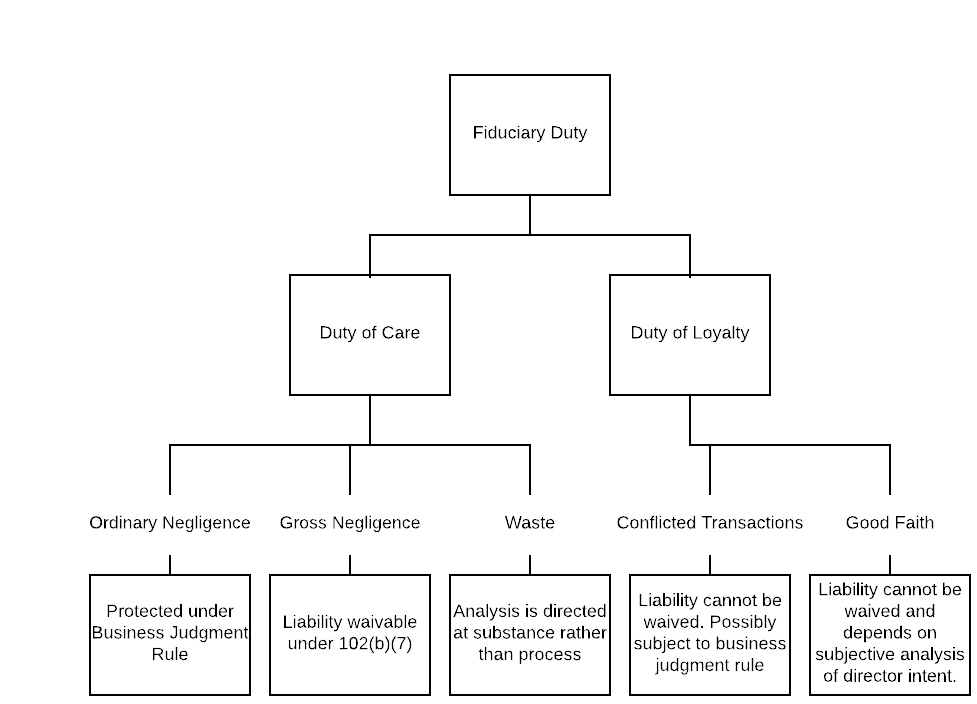
For decades, the standard in the insurance industry was "suitability"—meaning a product simply had to be appropriate for a client. New York Regulation 187 raised the bar dramatically. It mandates a best interest standard for recommendations of life insurance and annuity products.
You must step into the shoes of a fiduciary. A New York producer must base any life insurance or annuity recommendation on the best interest of the consumer rather than the producer's own financial incentives (such as higher commissions).
The Scope of Regulation 187
This is not a niche rule. The New York Regulation 187 best interest standard applies to all life insurance policies and annuity contracts issued in the state. Furthermore, it is not limited to the initial point of sale. The best interest standard applies to both new sales and post-issue in-force transactions (such as recommending a client exchange an annuity or take a substantial policy loan years after the policy was issued).
Building the Consumer Profile
To know what is in someone's best interest, you must understand their financial anatomy. New York producers must collect consumer profile information to determine the suitability of an insurance recommendation.
Relevant suitability factors under New York Regulation 187 include:
- The consumer's age
- Income
- Financial objectives
- Time horizon
- Liquidity needs
- Risk tolerance
You cannot just highlight the shiny features of a product. A New York producer must evaluate both favorable and unfavorable components of a proposed policy when making a best interest recommendation. If a highly complex indexed annuity has great upside potential but severely locks up the client's liquidity for ten years, both the upside and the lock-up must be weighed against the client's profile.
Handling Refusals and Inadequate Knowledge
What if a client says, "My income is none of your business, just sell me the policy"? If a New York consumer refuses to provide requested suitability information, the producer must formally document the refusal. However, documentation is not an automatic green light. A New York producer cannot make an insurance recommendation if a consumer's refusal to provide suitability information prevents an adequate best-interest analysis. If you are flying blind, you are not permitted to fly the plane.
Similarly, you must know your own limitations. A New York producer cannot recommend an insurance transaction if the producer possesses inadequate knowledge about the specific product.
Documentation and Training
Your decisions will be scrutinized, so your methodology must be recorded. A replacing insurer or producer in New York must maintain documentation explaining the basis for any insurance recommendation made to the consumer.
Before you even step into the field, mandatory education is required:
- General Training: A New York producer must complete a general pre-sale suitability and best interest training course before soliciting life insurance or annuities in the state.
- Specific Training: A New York producer must complete carrier-specific product training prior to recommending that specific life insurance or annuity product to a consumer.
Finally, the state demands that the institutions watch the individuals. New York Regulation 187 requires insurers to establish a system of supervision to oversee that producers meet their best-interest duties. The insurer cannot turn a blind eye to rogue producers; the system itself must ensure that every recommendation genuinely serves the client's financial future.