Ohio Health Insurance Mandates & Continuation of Coverage
Not sure you’re ready?
Take the ~3-minute readiness diagnostic and see where you stand.
In civil engineering, the physical properties of steel and concrete are universal, but the building codes dictating how they are assembled change at the state line. Health insurance operates on the exact same principle. While the actuarial math of risk pooling remains constant nationwide, the legal architecture that dictates who must be covered, what benefits are mandatory, and how coverage continues after employment is strictly codified by the state of Ohio. For an insurance producer, mastering these state-specific mandates is not just an academic exercise in passing a licensing exam; it is the professional obligation required to properly design the safety net your clients will rely upon during their most vulnerable moments.

To navigate the Ohio health insurance market, we must understand the specific rules governing small businesses, what happens when an employee loses their job, how we protect seniors buying Medicare supplements, and the non-negotiable benefits the state forces insurers to include in every policy.
When an insurance agent approaches a local business—say, a hardware store or a graphic design firm—they are typically operating in the small group market. To keep this market stable and prevent insurers from cherry-picking only the healthiest companies, Ohio imposes rigid definitions and rules on both the employer and the carrier.
Defining the "Small Employer"
Under Ohio law, a small employer is defined as an employer that employs between 2 and 50 eligible employees.
But what makes an employee "eligible"? Ohio defines an eligible employee as someone who works a normal workweek of 30 or more hours. The state explicitly dictates that this definition does not include temporary, substitute, or seasonal employees. The distinction matters because the count of eligible employees determines if the business falls under small group regulations.
The Rules of the Game: All-or-Nothing
Ohio state law does not penalize small employers for failing to provide group health insurance coverage to their employees. Offering insurance is entirely voluntary.
However, if an Ohio small employer decides to step into the arena and offer group health plan coverage to any employee, they trigger an all-or-nothing requirement: the employer must offer coverage to all eligible employees. You cannot buy a group policy just for the executive suite and leave the warehouse staff uninsured.
Guaranteed Issue and Non-Discrimination
Imagine an insurer discovers that one of the employees at a 15-person landscaping company has a severe, chronic illness. A purely mathematical insurer would want to deny coverage to that group to avoid the claims cost. Ohio law forbids this.
Small group health plans in Ohio must operate on a guaranteed issue basis for eligible employers. Furthermore, health insurance carriers are explicitly prohibited from denying small group coverage to an Ohio employer based on the health status or claims experience of the employees. Risk is pooled across the entire small group market block, ensuring that small businesses are not priced out or denied coverage due to the unfortunate medical luck of a single worker.
You are likely familiar with the federal COBRA law, which allows employees of large companies to keep their health insurance after leaving a job. But federal COBRA only applies to employers with 20 or more employees. What happens to the employee at the 15-person landscaping company if they are laid off?
Enter Ohio state continuation of coverage, often called "Mini-COBRA." This state law bridges the gap, specifically applying to employer group health plans with fewer than 20 employees.
Mechanics of the Bridge
State continuation acts as a temporary bridge allowing eligible individuals to maintain their group health benefits for up to 12 months after a qualifying event (like being laid off).
However, the employee must pay the toll to cross this bridge. Individuals who elect Ohio state continuation of coverage must pay the full premium amount for the health plan. This is often a shock to the consumer because this full premium amount includes the portion previously paid by the employer. If the premium was $600 a month, and the employer used to cover $400 of it, the former employee is now responsible for the entire $600.
Strict Eligibility Gates
Not everyone gets to use the bridge. To qualify for Ohio state continuation, the employee must have been continuously insured under the employer group policy for at least three months immediately preceding the termination of employment.
Furthermore, Ohio law explicitly disqualifies individuals under three specific conditions:
- Voluntary Termination: An employee is ineligible if they voluntarily terminated their employment (e.g., they simply quit).
- Gross Misconduct: An employee is ineligible if they were terminated for gross misconduct (e.g., stealing from the company).
- Medicare Eligibility: An individual becomes ineligible the moment they become eligible for Medicare. State continuation is meant to bridge a gap, not serve as a permanent alternative to federal safety nets.
When Ohioans turn 65, they enter the complex world of Medicare. Because Medicare Parts A and B leave significant coverage gaps (deductibles, coinsurance), private insurers sell Medicare Supplement (Medigap) policies. Because seniors are a highly targeted consumer demographic, Ohio heavily regulates the marketing and issuance of these policies.
The Open Enrollment Window
The golden rule of Medicare Supplements is the open enrollment period, which lasts for exactly six months.
Critical Timing: The six-month open enrollment period begins on the first day of the month in which an individual is both age 65 or older and enrolled in Medicare Part B.
During this six-month window, the applicant possesses immense purchasing power: an Ohio insurer cannot deny coverage or charge higher premiums based on an applicant's health status. This is guaranteed issue at its most powerful.
Pre-existing Conditions and Prior Coverage
Even during open enrollment, insurers might be tempted to slap a pre-existing condition exclusion on the new policy, refusing to pay for an ongoing illness for the first few months. Ohio prevents this through the concept of "creditable coverage." An Ohio Medicare Supplement policy cannot exclude pre-existing conditions if the applicant had at least six months of continuous creditable coverage prior to purchasing the new policy.
Consumer Protections: Education and Refunds
Insurance producers must operate with total transparency in the senior market. Ohio insurance agents are required by law to provide a Medicare Supplement Buyer's Guide to all prospective applicants at or before the time of application.
Once the policy is delivered, the consumer is granted a 30-day free look period. This 30-day window allows an Ohio Medicare Supplement policyholder to review the actual contract, and if they are unsatisfied with the coverage for any reason, they may return the policy for a full premium refund.
When an insurance company designs a policy to sell in Ohio, they do not start with a blank slate. The Ohio legislature mandates that certain benefits and provisions must be included in health insurance policies, protecting vulnerable populations and ensuring access to essential preventative and emergency care.
Protecting Children and Dependents
- Newborns: Ohio health insurance policies must provide coverage for newborns from the moment of birth. This mandated coverage must include treatments for medically diagnosed congenital defects and birth abnormalities.
- The 31-Day Rule: To continue this mandated newborn coverage beyond the initial period, Ohio policyholders must notify the insurer and pay any required premium within 31 days of the birth. If they miss this window, the insurer is not obligated to seamlessly continue the child's coverage.
- Handicapped Dependents: Standard policies drop dependent children at a specific limiting age (usually 26). However, Ohio group health insurance policies must allow a dependent child to remain on a parent's policy beyond the limiting age if the child is incapable of self-sustaining employment due to a physical or mental handicap.
Mandated Medical Services
The state recognizes that certain treatments and screenings yield massive public health dividends or are undeniable medical necessities. Consequently, Ohio forces insurers to cover the following:
| Mandated Benefit | Scope / Requirement in Ohio |
|---|---|
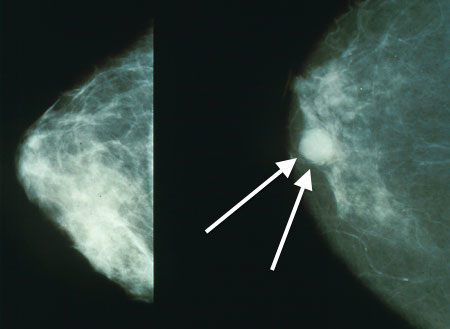
| Routine Screening Mammography | Must be provided by both Ohio individual and group health insurance policies to detect breast cancer early. |
| Cytologic Screening | Policies must provide coverage for cytologic screening, which is commonly known in the medical world as a Pap smear, to screen for cervical cancer. |
| Emergency Transportation | Both individual and group health insurance policies must provide coverage for emergency transportation and ambulance services. You cannot be left financially ruined simply for taking an ambulance to the ER. |
| Off-Label Prescription Drugs | Laws require coverage for the off-label use of FDA-approved prescription drugs, provided the drug is recognized as safe and effective in standard medical reference compendia. (Doctors frequently use drugs effectively for conditions not explicitly on the original FDA label; insurers must respect established medical consensus). |
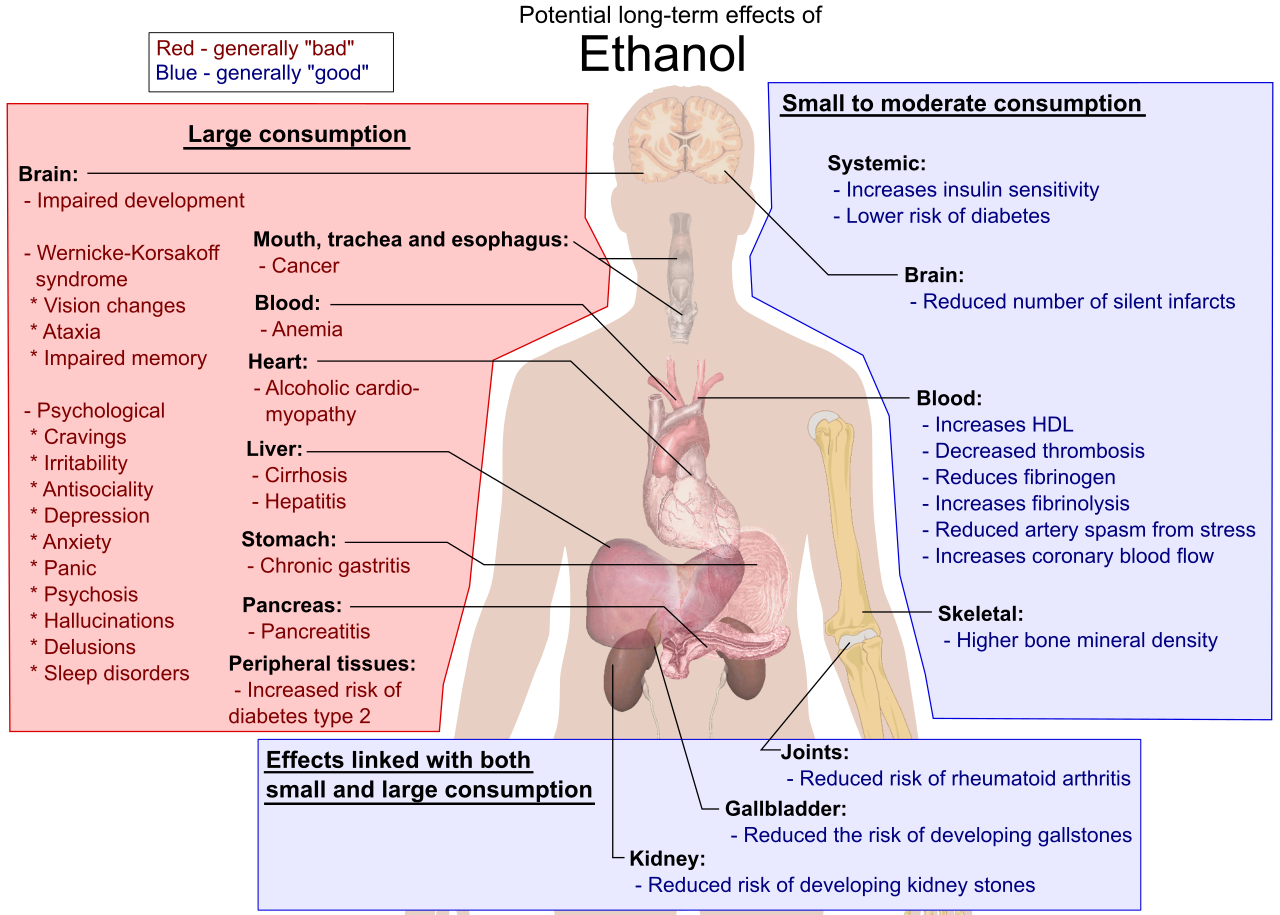
| Alcoholism Treatment | Ohio group health insurance policies must provide or offer coverage for the treatment of alcoholism. (Note that this specific mandate applies to the group market). |
As a licensed producer, you are the translator between abstract legal statutes and a client's reality. When a small business owner tells you they only want to insure their managers, you will rely on your knowledge of the eligible employee definitions. When an anxious worker is laid off from a 10-person firm, you will guide them through the precise timeline and premium mechanics of Ohio state continuation. By understanding not just what the rules are, but why they exist to stabilize the market and protect consumers, you transition from a salesperson to a trusted, indispensable professional.