Ohio Insurance Code & Department of Insurance
Not sure you’re ready?
Take the ~3-minute readiness diagnostic and see where you stand.
The foundation of the insurance industry is not cash, but confidence. When families in Ohio purchase life or health insurance, they are exchanging current premiums for a future promise—a promise that when disaster strikes, the financial safety net will hold. Because consumers cannot simply inspect an insurance policy the way they might inspect the foundation of a house, the State of Ohio must act as the ultimate guarantor of trust. This responsibility falls to the Ohio Department of Insurance (ODI). To understand Ohio insurance law, you must view it not as a list of arbitrary rules, but as an engineered system designed to protect the public from insolvent companies and unethical actors.
At the top of this regulatory system sits a single authority figure. The Superintendent of Insurance serves as the chief executive officer of the Ohio Department of Insurance.
Because the role is executive rather than political, the Superintendent is not elected by the public. Instead, the Governor of Ohio appoints the Superintendent of Insurance. You can think of the Superintendent as the chief referee of the Ohio insurance market. As an executive officer, the Superintendent of Insurance enforces and executes Ohio insurance laws, ensuring that all players—companies and producers alike—adhere to the rules of the game.
However, a referee does not write the rulebook; they only enforce it. Therefore, the Superintendent of Insurance does not have the legislative power to write or amend Ohio insurance statutes. Only the Ohio General Assembly (the state legislature) can pass or change insurance laws.

Licensing Authority
Before you can step onto the field, you need the referee's permission. The Superintendent of Insurance has the authority to issue insurance licenses. Conversely, if you violate the trust placed in you, the Superintendent of Insurance holds the power to suspend or revoke insurance licenses. This authority also acts as a gatekeeping mechanism: the Superintendent of Insurance may deny an initial license application based on the applicant's prior violation of insurance laws. Past behavior is the best predictor of future conduct, and the ODI protects the public by keeping known bad actors out of the market entirely.
An insurance contract is only as good as the company backing it. To ensure insurers remain solvent and capable of paying claims, the ODI continuously monitors their financial health.
By law, the Superintendent of Insurance must examine the financial affairs of every domestic insurance company at least once every three years. A "domestic" company is one that is incorporated under the laws of Ohio. Why every three years? Because financial deterioration can happen quickly, but a three-year cycle allows the state to catch mismanagement before it leads to insolvency.
There are, however, nuances to this timeline:
- Deferrals: If a domestic insurer has a spotless record and strong financials, the Superintendent of Insurance may defer the mandatory financial examination of a domestic insurer for a maximum period of five years.
- Admitted Insurers: What about companies incorporated in other states but authorized (admitted) to do business in Ohio? The Superintendent of Insurance may conduct a financial examination of an admitted Ohio insurer at any time.
Who foots the bill? Financial examinations require teams of specialized actuaries and auditors. Rather than burdening the Ohio taxpayer, the law dictates that the insurance company being examined must pay the costs associated with the financial examination.
As a life and health insurance producer, you are the bridge between the insurer and the consumer. The state imposes strict maintenance requirements on your license to ensure you remain competent and accountable.
The Lifecycle of an Ohio License
Your license is not a permanent grant; it operates on a strict timeline. Ohio resident individual insurance producer licenses must be renewed every two years.
To prevent a massive administrative bottleneck where all agents renew on the exact same day, Ohio uses a staggered system tied to your birthday. An individual Ohio insurance producer must renew their license by the last day of the producer's birth month.
To qualify for renewal, you must prove that you have stayed current with industry changes, ethics, and product knowledge.
- Ohio insurance producers must complete 24 credit hours of continuing education during each two-year license renewal period.
- Because the temptation to cut corners is ever-present in a commission-based industry, Ohio insurance producers must complete at least 3 hours of approved ethics training as part of their 24-hour continuing education requirement.
Identity and Jurisdiction
How you present yourself to the public matters deeply to the ODI. Consumers must know exactly who they are doing business with.
- Business Entities: A business entity applying for an Ohio insurance license must use the entity's legal name as registered with the Ohio Secretary of State.
- Assumed Names (DBA): If you decide to market your agency under a catchy brand name rather than your legal name, you cannot do so in secret. An Ohio insurance agent must notify the Superintendent of Insurance before doing business under any assumed name.
Furthermore, the ODI cooperates with other states to allow out-of-state producers to sell in Ohio. However, they rely on the home state's vetting process. Thus, an individual must hold a valid resident insurance license in their home state to obtain a non-resident insurance license in Ohio.
The Duty to Notify
If the Superintendent needs to serve you with a legal notice, they will not search for you on social media; they will mail it to your address of record. Therefore, keeping your contact information current is a legal obligation.
- Active Ohio insurance licensees must promptly notify the Superintendent of Insurance regarding any change to a residential address.
- Equally important, active Ohio insurance licensees must promptly notify the Superintendent of Insurance regarding any change to a business address or email address.
In the insurance business, if it isn't documented, it didn't happen. As a fiduciary handling sensitive financial products, your files are subject to state oversight.
- Client Transactions: Ohio insurance agents must keep their transaction records available for inspection by the Superintendent of Insurance. If a client complains about a policy sold three years ago, the ODI expects you to have the paperwork detailing exactly what was discussed, recommended, and signed.
- Educational Compliance: Ohio insurance producers must retain copies of their continuing education course completion certificates for at least three years. Even though CE credits are usually reported electronically, technology fails. You are ultimately responsible for proving you completed your required hours.
What happens when an agent breaks the rules? The ODI possesses robust investigative and administrative powers to protect the public from predatory or negligent behavior.
Investigations and Immediate Action
When a complaint is filed, the ODI does not merely take the consumer's word for it; they investigate. During these investigations, the Superintendent of Insurance can subpoena witnesses and take sworn testimony.
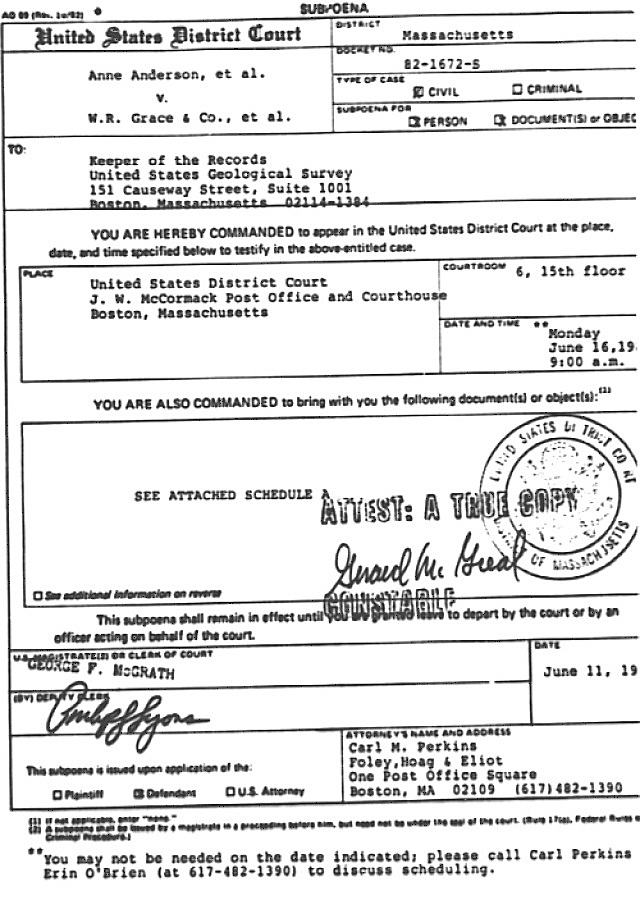
If the Superintendent uncovers an ongoing practice that is actively harming consumers—for instance, an agent illegally pocketing premium money—they do not have to wait for a lengthy trial to stop the bleeding. The Superintendent of Insurance can issue a cease and desist order to immediately halt any illegal insurance practice.
Due Process and Hearings
Before taking definitive action against a license, the ODI must observe the agent's right to due process. If the Superintendent believes the code has been violated, the Superintendent of Insurance may conduct hearings to investigate alleged violations of the Ohio insurance code.
To ensure fairness, the Superintendent of Insurance must provide the accused party with written notice specifying the date and time of an administrative hearing. This notice gives the producer time to secure legal counsel and prepare a defense.
Penalties and The Ultimate Sanction
Following a hearing, if an agent is found guilty of violating the insurance code, the Superintendent has a menu of disciplinary actions at their disposal.
- Civil Penalties: The Superintendent of Insurance may assess civil penalties against any person who violates the Ohio insurance code. These fines hit the violator in their wallet, serving as a powerful deterrent.
- Revocation: If the violation is severe—such as fraud, forgery, or theft of premiums—the state removes the agent from the marketplace. The revocation of an Ohio insurance license results in the permanent termination of all authority to act as an insurance agent in the state.
The Five-Year Rule The term "permanent" is taken incredibly seriously in Ohio. If your license is revoked, you cannot simply apologize and apply again next year. The Superintendent of Insurance cannot modify an administrative action revoking a license until at least five years have passed.
Surrender for Cause
Sometimes, an agent facing insurmountable evidence of wrongdoing wishes to avoid the public spectacle and legal expenses of a formal administrative hearing. Ohio law provides a mechanism for this.
An Ohio insurance agent may offer a surrender for cause to give up an insurance license in lieu of facing a formal revocation.
Think of a "surrender for cause" as handing over your badge before the chief can publicly strip it from your uniform. However, this is not an easy way out that allows you to sneak back into the industry quietly. To ensure the penalty holds equal weight to a revocation, a surrender for cause prohibits an individual from seeking any Ohio insurance license for at least five years.
As you prepare for the Ohio Life & Health Exam, remember that the Ohio Department of Insurance is not an adversary; it is the entity that gives your new profession its legitimacy. By understanding the Superintendent's powers, honoring your recordkeeping and continuing education duties, and recognizing the severe penalties for misconduct, you protect not only your clients but your livelihood. Insurance is the business of keeping promises, and the Ohio insurance code ensures that those promises are always backed by integrity.