Ohio Producer Licensing, Appointment & Continuing Education
Not sure you’re ready?
Take the ~3-minute readiness diagnostic and see where you stand.
Insurance is an invisible product—a contractual promise sold on a piece of paper. The only thing giving that paper weight in the physical world is the integrity, competence, and legal authority of the person selling it. Because policyholders are purchasing future security rather than a tangible good, the State of Ohio regulates the "promisers" just as rigorously as it regulates the underlying financial reserves of the insurance companies. Licensing is not merely a bureaucratic hurdle; it is the fundamental mechanism by which Ohio ensures that those guiding clients through life's most vulnerable moments—illness, death, and catastrophe—are qualified to do so.
Understanding Ohio's producer licensing laws means understanding the boundaries of your own legal authority. We will explore exactly how the state grants this authority, how you must maintain it, and the specific behaviors that will cause the state to take it away.
Before you can offer advice or bind a policy, you must prove your foundational competence. The Ohio Department of Insurance (ODI) sets precise thresholds for entry.
To obtain a resident Ohio insurance producer license, an applicant must be at least 18 years old. Crucially, you do not actually have to live in Ohio to hold a resident license, provided your professional life is anchored there. You can qualify by either being a legal resident of Ohio or by maintaining your principal place of business within the state.
Lines of Authority and Prelicensing Education
Insurance is not a monolith. Ohio divides its insurance markets into major lines of authority, which include:
- Life
- Accident & Health
- Property
- Casualty
- Personal Lines
Ohio requires candidates to complete 20 hours of approved prelicensing education for each major line of authority they plan to sell. Therefore, candidates pursuing a combined Life, Accident, and Health license must complete 40 hours of prelicensing education.
The Integrity of the Classroom: To ensure you actually absorbed the material, Ohio requires that your prelicensing final exams be monitored by a disinterested third-party proctor. You cannot have your spouse or your prospective boss watch you take the test.

You must pass this prelicensing final exam with a score of 70% or higher to receive a certificate of completion. Once earned, this certificate acts as a ticking clock: it remains valid for 180 calendar days from the date of issuance. If you do not pass your state exam within that window, your education expires, and you must sit through the coursework again.
The State Licensing Exam and Application
With your valid certificate in hand, you move to the state licensing examination.
- The Threshold: You must pass the Ohio state licensing exam with a minimum score of 70%.
- Persistence is Permitted: There is no limit to the number of times a candidate may retake the Ohio state licensing examination. The state is concerned with whether you understand the material, not how many attempts it takes you to grasp it.
Once you pass, the application process relies heavily on modern digital infrastructure. You must complete a criminal background check using WebCheck fingerprinting, ensuring a direct, biometric verification of your history. Applications must then be submitted electronically through the National Insurance Producer Registry (NIPR).

Special Authorizations: Variable Products and Assumed Names
If you intend to sell variable annuity products—where the client's funds are tied to market performance—an Ohio Life license is not enough. Because these are technically securities, an agent must hold an Ohio variable products qualification and be registered with the Financial Industry Regulatory Authority (FINRA).
If you plan to operate your business under any name other than your legal name (such as "River Valley Insurance Solutions"), you must notify the Superintendent of Insurance before using the assumed name. The state must always be able to trace a consumer-facing brand back to the legally accountable individual.
Life is unpredictable. If an active producer dies, becomes severely disabled, or is deployed, their clients still need servicing, and their agency needs time to transition.
To prevent the collapse of an agency during a crisis, the Ohio Superintendent of Insurance may issue a temporary insurance producer license for a period not to exceed 180 days without requiring an examination.
This emergency bridge is strictly limited to specific individuals:
- The surviving spouse of a deceased licensed insurance producer.
- The court-appointed representative of a disabled licensed insurance producer.
- The designee of a licensed insurance producer who enters active service in the armed forces.
Holding a license means the State of Ohio has authorized you to sell insurance. However, it does not mean any specific insurance company has authorized you to sell their insurance.
Core Concept: An insurance producer cannot act as an agent for an insurer in Ohio unless formally appointed by that insurer. If your license is your driver's license, your appointment is the keys to a specific car.
When an insurer decides to sever this relationship, strict communication protocols apply to protect the public and the producer:
- Standard Termination: Insurers must notify the Ohio Superintendent of Insurance within 30 days when terminating a producer's appointment.
- Termination for Cause: If an insurer terminates you for cause (e.g., suspected fraud or misconduct), the stakes are higher. The insurer must notify the producer within 15 days after notifying the Superintendent.
- Delivery Mechanism: Because of the legal weight of a termination for cause, this notification to the producer must be verifiable. It can be sent by certified mail with a return receipt requested or by overnight delivery using a nationally recognized carrier.
An Ohio insurance producer license is a temporary privilege, issued for a two-year term. It must be renewed every two years by the last day of the licensee's birth month.
To maintain regulatory oversight, the Ohio Department of Insurance relies on accurate contact data. Ohio licensees must report any change in their residential address, business address, or legal name to the Department within 30 days of the change.
The Consequences of Letting the Clock Run Out
If you miss your birth-month deadline, Ohio allows a 30-day grace period for producers failing to renew prior to the expiration date. However, utilizing this grace period requires the payment of a $50 late fee.
If your license is not renewed by the end of that 30-day grace period:
- Your license expires.
- All of your company appointments are canceled. You are officially out of the business.
Reinstatement Mechanics
If you allow your license to expire, your path back to the industry depends on how long you wait:
- Under 12 Months: A former producer may have an expired license reissued without taking an exam if they apply within 12 months of the expiration date (though hefty penalties apply).
- Over 12 Months: If the license has been expired for more than 12 months, the state effectively forgets you were ever licensed. You must complete the prelicensing education requirement again, retake the state licensing exam, and submit new fingerprints for a background check.
The insurance industry evolves rapidly. Policies change, tax laws shift, and ethical pitfalls mutate. Therefore, Ohio resident producers holding major lines of authority must complete 24 hours of approved continuing education every two years.
| Continuing Education Rule | Explanation |
|---|---|
| Ethics Requirement | Out of the 24 required hours, at least 3 hours must be in approved ethics courses. |
| Testing | Unlike prelicensing, Ohio does not require a proctor for continuing education final exams. |
| Course Repetition | You cannot receive credit for taking the same course more than once in the same two-year renewal period. |
| Carryover Credits | Ohio allows you to carry over up to 12 excess CE credit hours to the next renewal period. |
| Carryover Limitations | Carried-over credits apply only as general credits; they cannot be used to fulfill the ethics requirement. Ethics must be taken fresh every cycle. |
Exceptions and Special Training
Not everyone must complete standard CE, and some must complete extra:
- Inactive Agents: Inactive agents in Ohio are not required to maintain continuing education credits.
- Nonresidents: Nonresident producer licensees are exempt from Ohio CE requirements entirely, provided they are compliant with the continuing education requirements of their home state.
- Annuities: Producers seeking to sell annuities must complete a one-time, 4-hour annuity training course.
- Long-Term Care (LTC): Because Long-Term Care policies heavily impact vulnerable, aging populations, producers must complete an initial 8-hour training course before selling them, followed by a 4-hour refresher training course every two years.
The Superintendent wields immense power to protect the public. Holding an insurance license means you hold the financial future of your clients in your hands. Misusing that power triggers severe disciplinary action.
Mandatory Legal Reporting
If you get in trouble with the law, you cannot hide it from the Superintendent.
- Administrative Actions: You must report any administrative action taken against you in another jurisdiction within 30 days of the final disposition.
- Criminal Prosecutions: You must report any criminal prosecution against you within 30 days of the initial pretrial hearing date. (Note that you do not wait for a conviction; the state must know the moment the legal process formally begins).
Cease and Desist Orders
If the Superintendent believes a producer has violated—or crucially, is about to violate—any insurance regulation, they may issue a cease and desist order.
- This order requires the recipient to immediately stop the specified illegal activity.
- It does not automatically suspend or revoke a producer's insurance license. It is a targeted "freeze" command designed to stop harm while formal hearings are organized.
Grounds for License Denial, Suspension, and Revocation
The Superintendent may deny an application, or suspend/revoke an existing license, for a wide array of transgressions. We can group these into three distinct categories of failure.
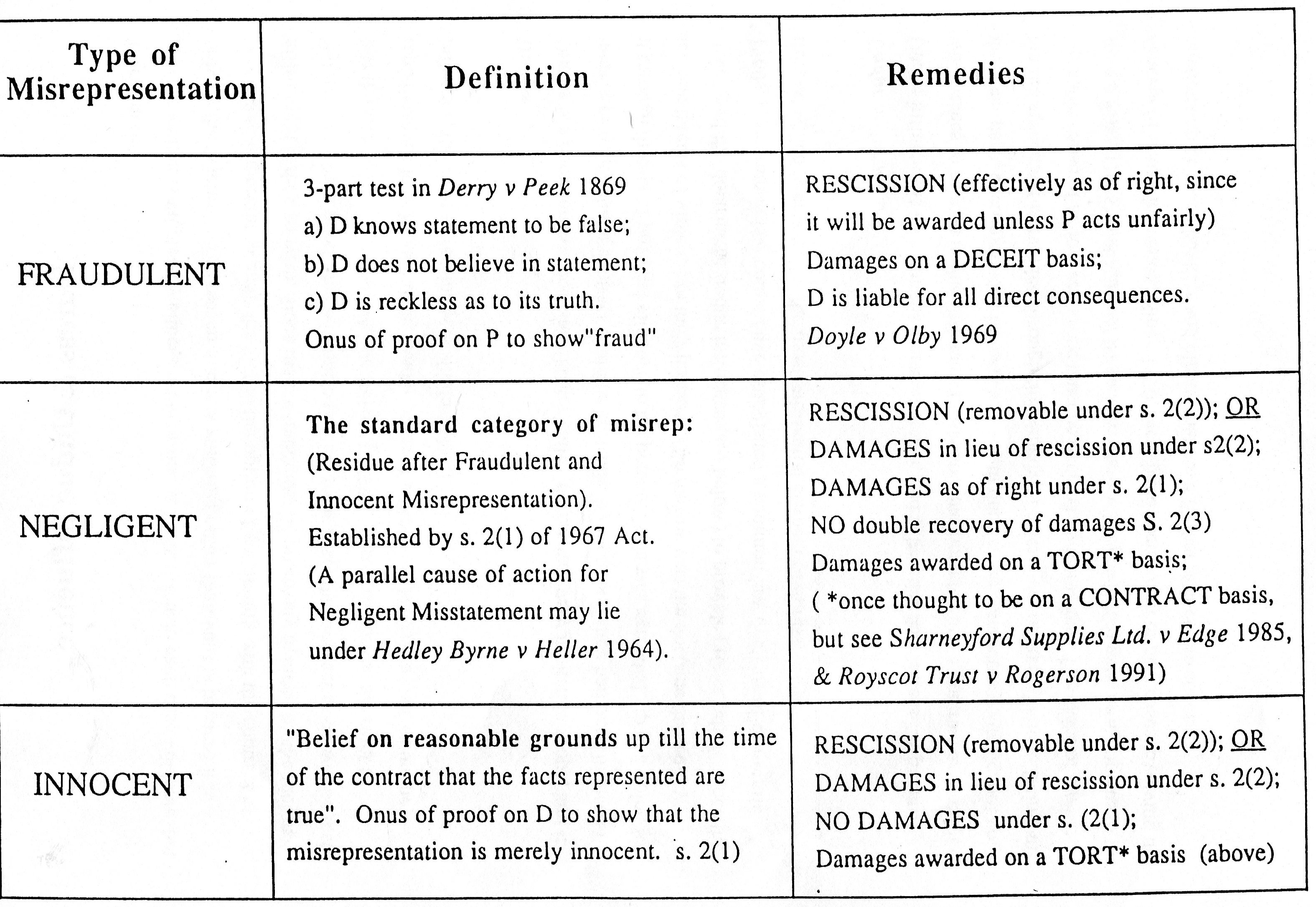
1. Failures of Honesty (Fraud and Misrepresentation) The state relies on truthful information to assess risk and character. A license can be denied, suspended, or revoked if a producer:
- Provides materially untrue information in a license application.
- Attempts to obtain a license through misrepresentation or fraud.
- Intentionally misrepresents the terms of an actual or proposed insurance contract to a client.
- Forges another person's name to an application for insurance.
- Cheats on an Ohio insurance licensing examination (which carries grounds for immediate denial or revocation).
- Is found guilty of any insurance fraud.
- Admits to any insurance unfair trade practice.
2. Failures of Character and Conduct Your behavior in the marketplace dictates your fitness to serve the public. Disciplinary action is warranted for:
- Having been convicted of a felony.
- Using coercive or dishonest practices in the conduct of business.
- Demonstrating financial irresponsibility in the conduct of business.
- Having an insurance producer license denied, suspended, or revoked in any other state.
- Knowingly accepting insurance business from an unlicensed individual (you cannot be a pipeline for illegal, unlicensed sales).
3. Failures of Financial Fiduciary Duty Insurance relies on the precise movement of money. Mixing client funds with your own, or failing to meet societal financial obligations, is strictly punished:
- Misappropriation: The Superintendent will suspend or revoke a license for misappropriating money received in the course of doing insurance business (e.g., pocketing a client's premium payment).
- Child Support: Failing to comply with a court order imposing a child support obligation is direct grounds for license suspension or revocation.
- Taxes: Failing to pay state income tax is grounds for suspension or revocation. The state will not allow you to earn a living selling financial products if you refuse to fulfill your own baseline financial obligations to the state.
The Final Warning: If your license is suspended, you must step away from the business completely. Engaging in unlicensed practice while under an Ohio license suspension can permanently prevent you from ever having your license reinstated in the future.