Ohio Unfair Trade Practices & Claims Settlement
Not sure you’re ready?
Take the ~3-minute readiness diagnostic and see where you stand.
Insurance is fundamentally the sale of an invisible promise. When a client purchases a life or health policy, they are not buying a physical machine that they can inspect, test, or hold in their hands. They are trading their actual, present-day capital for a piece of paper that says, under a very specific set of future catastrophic circumstances, a corporation will deliver a predefined sum of money. Because the product is entirely theoretical until a crisis occurs, the entire system rests on absolute, unshakeable trust. If the mathematical models that dictate pricing are corrupted by market manipulation, or if the claims process is designed to exhaust the policyholder through delays, the invisible promise evaporates. Ohio insurance law is engineered to enforce this trust. It strictly regulates the flow of information, the exchange of money, and the precise mechanics of how promises are kept when tragedy strikes.
Actuarial science requires pristine data. The marketplace requires transparent competition. When an insurance producer distorts the truth or manipulates a client, they are not just acting unethically—they are destabilizing the fundamental mechanics of the insurance pool. Ohio explicitly defines and prohibits a suite of behaviors known as Unfair Trade Practices.
The Distortion of Information
The most direct attack on trust is lying to the person buying the promise. Under Ohio law, misrepresentation occurs when an insurance producer makes false, misleading, or deceptive statements about a policy's benefits, terms, dividends, or cost. If you tell a client a policy guarantees a 6% dividend when it only projects a potential 6% dividend, you have committed misrepresentation.
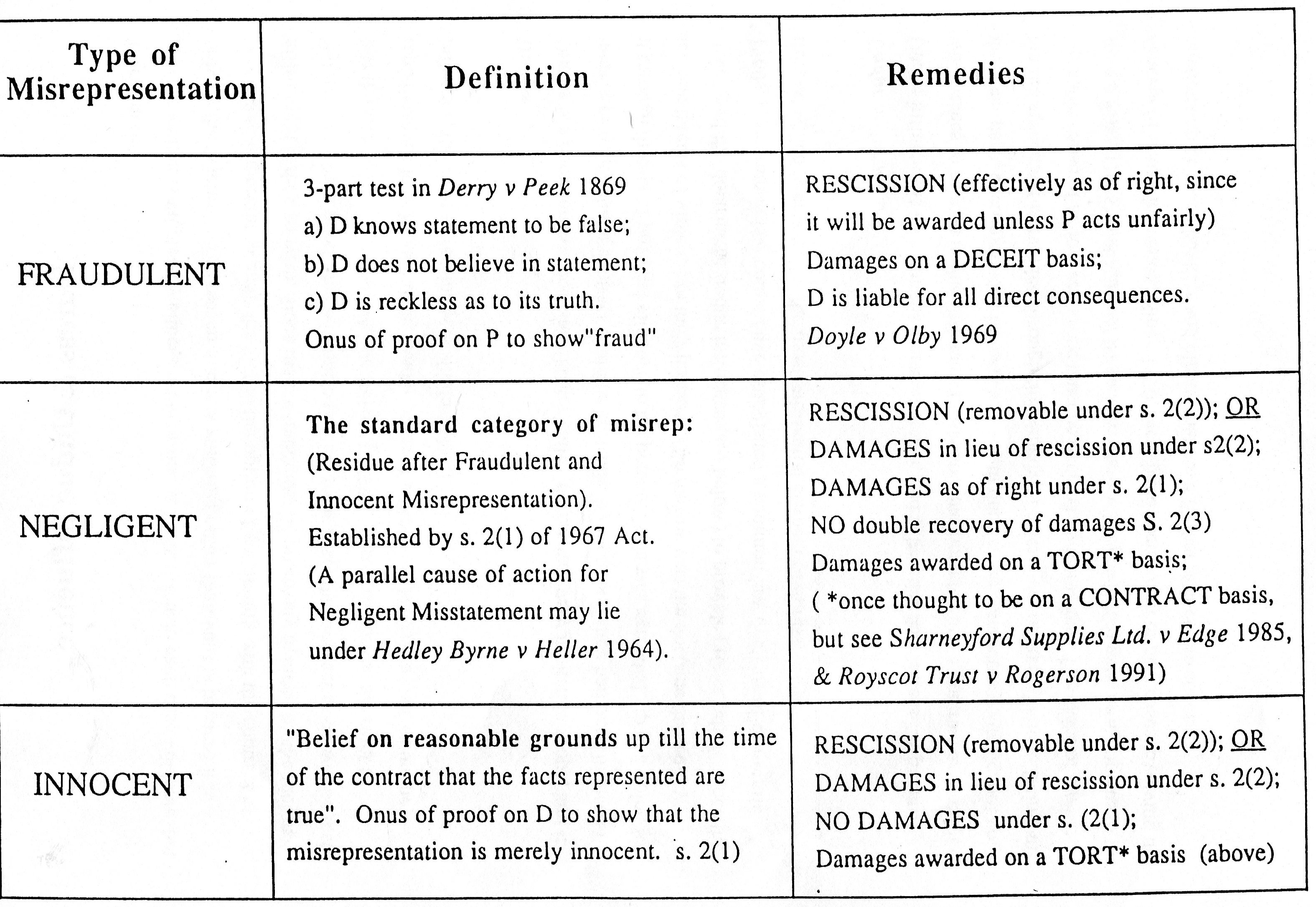
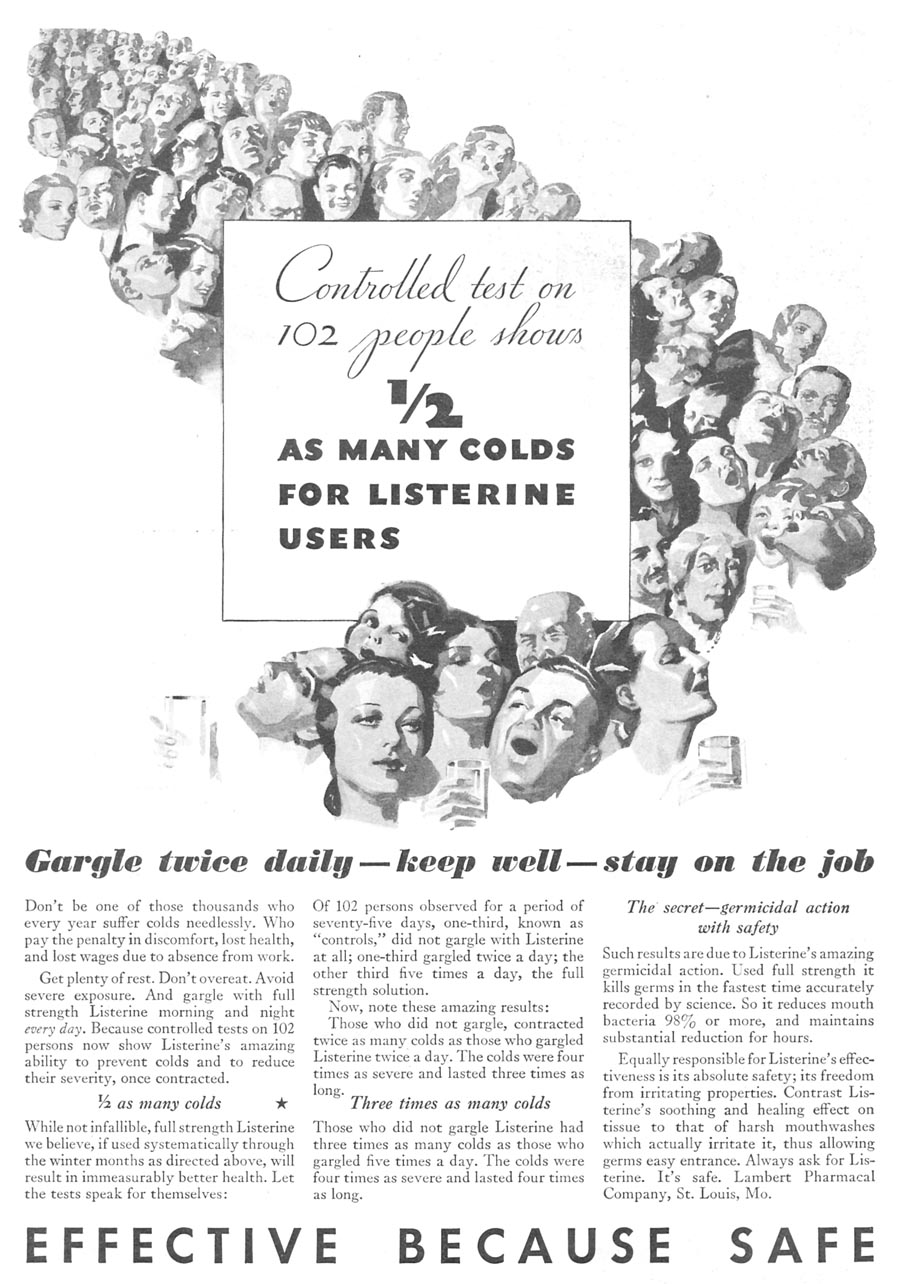
This distortion extends to the public sphere through false advertising, an unfair trade practice involving the circulation of untrue, deceptive, or misleading statements regarding the business of insurance.
Furthermore, producers and companies are forbidden from attacking each other with falsehoods. Defamation is the act of making maliciously critical or false statements about an insurer's financial condition. The legal threshold here requires intent: the purpose of defamation in insurance is to intentionally injure a person or company in the insurance industry. Competition must be based on the merits of your contract, not on manufactured rumors about a competitor's insolvency.
The Mathematics of Replacement Fraud: Twisting and Churning
Producers earn their living through commissions, which are heavily front-loaded on new policies. This creates a powerful, dangerous incentive to replace existing policies, a temptation Ohio combats by outlawing two specific forms of misrepresentation: Twisting and Churning.
Twisting is an illegal form of misrepresentation used to convince a policyowner to lapse, forfeit, or surrender an existing policy in order to purchase a new one to the policyowner's detriment.
Imagine convincing a 60-year-old client to surrender a whole life policy they’ve held for twenty years, forfeiting their accumulated guarantees, just so you can sell them a new policy with a massive new commission. That is twisting.
Churning occurs when a producer replaces a client's existing policy using the existing cash value to fund a new policy with the same insurer.
Churning is the financial equivalent of a snake eating its own tail. The primary purpose of the illegal practice of churning is entirely self-serving: to generate a new commission for the insurance producer, draining the client's built-up equity to pay for the internal transaction.

Pricing Integrity: Rebating and Unfair Discrimination
Insurance premiums are calculated based on mortality and morbidity tables. Everyone who presents the exact same risk profile must be charged the exact same price.
Unfair discrimination involves charging different premiums to individuals who belong to the same actuarial class and share an equal life expectancy. Crucially, it also includes offering different policy benefits to those exact same individuals. If two 40-year-old men with identical health histories buy the exact same policy, the math demands they receive identical terms.
You also cannot artificially lower the price of a policy at the point of sale. Rebating is the prohibited practice of offering a prospect a portion of the commission as an inducement to buy a policy. Offering a prospect a gift not specified in the insurance contract as an inducement to purchase also constitutes illegal rebating. You cannot offer a client a $500 set of golf clubs to sign the contract; doing so bypasses the actuarially approved premium and introduces a localized, illegal bribe.
Market Manipulation: Coercion, Boycott, and Intimidation
Beyond individual client interactions, Ohio law prohibits systemic manipulation. Entering into any agreement that results in an unreasonable restraint of trade in the insurance business constitutes the illegal practices of coercion, boycott, or intimidation. Similarly, using these same tactics—entering into any agreement that results in a monopoly in the insurance business—is strictly forbidden. The market must remain open, competitive, and free of strong-arm tactics.
When a loss occurs, the abstract promise of insurance becomes a sudden, urgent reality. The Ohio Unfair Claims Settlement Practices laws apply broadly to claims arising under property, casualty, health, and life insurance. Take note: workers' compensation claims are excluded from the Ohio Unfair Claims Settlement Practices laws, as they are governed by a separate administrative system.
A vital legal distinction to understand: these laws are enforced by the state, not the individual. The Ohio Unfair Claims Settlement Practices laws do not create a private right of action for consumers. This means consumers cannot sue insurers directly for violations of the Ohio Unfair Claims Settlement Practices rules; instead, the Ohio Department of Insurance (ODI) audits and penalizes insurers who break these rules.
The Relentless Clock: Calendar Days
Illness and death do not pause for weekends. Therefore, days under Ohio claims settlement regulations are exclusively counted as calendar days. The only exception is terminal: any Ohio claims settlement deadline falling on a weekend or holiday is automatically extended to the next immediate business day.
The state imposes a strict timeline to prevent insurers from suffocating claimants in bureaucratic delays. Memorize this sequence:
| Timeframe | Required Action |
|---|---|
| 15 Days | An insurer must acknowledge the receipt of an insurance claim within 15 calendar days of receiving a written or pertinent notification. |
| 15 Days | Insurers are required to reply to pertinent communications from a claimant within 15 calendar days of receipt. |
| 15 Days | An insurer must provide a claimant with all necessary claim forms and instructions within 15 days of receiving the initial notice of a claim. |
| 21 Days | Insurers must reply to inquiries from the Ohio Department of Insurance regarding a claim within 21 calendar days of receiving the inquiry. |
| 21 Days | Insurers must implement procedures to commence an investigation of a claim within 21 days of receiving notice. |
| 21 Days | An insurer must decide whether to accept or deny a claim within 21 days of receiving a properly executed proof of loss from the claimant. |
The Extended Investigation: Sometimes, a claim is complex and 21 days is insufficient. Insurers requiring more time to investigate a claim beyond the initial 21 days must notify the claimant in writing within that 21-day period. Furthermore, they must explain the specific reason for the delay to the claimant in writing. During this extended claim investigation, the insurer has a continuing obligation to notify the claimant in writing every 45 days regarding the investigation status.
Resolution: If the insurer denies the claim, they cannot simply say "No." An insurer denying a claim must provide the claimant with a written explanation detailing the specific policy provisions or factual basis for the denial. Conversely, if the insurer accepts the claim, they cannot sit on the money. An insurer must tender payment for an accepted and undisputed first-party claim within 10 days of notifying the claimant of the claim acceptance.
Prohibited Claims Practices
To protect the public from bad-faith negotiations, Ohio specifically outlaws certain administrative tactics.
First, bait-and-switch marketing is forbidden at the time of claim. Attempting to settle a claim for less than a reasonable person would expect based on written advertising material is an unfair claims settlement practice.
Second, bureaucratic exhaustion is illegal. Requiring a claimant to submit a preliminary claim report and subsequently demanding a formal proof of loss form that duplicates the exact same information is a prohibited claims practice. You cannot make a grieving widow fill out the same form twice simply to buy the company more time.
The Superintendent of Insurance operates as the chief architect and enforcer of these rules. The Superintendent has the authority to suspend, revoke, or refuse to renew the license of a producer found guilty of misrepresentation, fraud, or rebating. To immediately halt active harm, the Superintendent can issue a Cease and Desist order requiring an individual or insurer to immediately stop participating in an unfair trade practice.
The Anatomy of License Violations
Your license is a conditional privilege. Violating the core tenets of financial separation, truthfulness, or legal jurisdiction immediately jeopardizes it.
- Commingling: You are handling fiduciary funds. Commingling a policyowner's or insurer's premium funds with a producer's personal or business funds is a punishable offense resulting in license revocation. (Think of it as two strictly separated buckets of water; a single drop from the client's bucket into your personal bucket ruins the entire supply).
- Unlicensed Lines: You must stay within your scope of expertise. An agent conducting business in a line of insurance for which the agent does not hold a valid license may face suspension or revocation of their existing active licenses.
- Application Fraud: Truthfulness begins on day one. Providing false or materially untrue information on an Ohio insurance license application constitutes fraud. Consequently, submitting a fraudulent insurance license application is grounds for immediate license denial or revocation.
Due Process and Financial Penalties
If the Department suspects a violation, due process is triggered. The Superintendent must issue a written notice of a disciplinary hearing to an insurance producer at least 20 days prior to the hearing date.
If found guilty, the financial consequences are severe. The maximum civil forfeiture penalty the Superintendent can assess against a producer for an insurance law violation is $25,000 per violation. Furthermore, the cost of uncovering the crime does not fall entirely on the taxpayer: administrative costs incurred by the Department of Insurance while investigating and prosecuting a producer may be assessed directly against the guilty producer.
Criminal Intersections and Reporting Requirements
Insurance producers must maintain up-to-date communication with the Department, particularly regarding geographic and legal changes.
An insurance licensee must report any change of residential or business address to the Ohio Department of Insurance within 30 days of the change.
If a producer runs afoul of criminal law, the Department must know immediately. A producer must report any criminal prosecution in any jurisdiction to the Ohio Department of Insurance within 30 days after the initial court appearance.
Finally, the privilege of holding a license is inherently incompatible with severe criminal conduct. A producer pleading guilty to any felony offense is subject to insurance license suspension or revocation. If a judge or jury determines guilt, the outcome accelerates: a producer convicted of any felony offense is subject to immediate insurance license suspension or revocation.