Ohio Insurance Code & Department of Insurance
Not sure you’re ready?
Take the ~3-minute readiness diagnostic and see where you stand.
Every insurance policy issued in the state of Ohio represents a highly regulated transfer of risk, a financial promise bound by strict statutory mechanics. To ensure these promises are honored, the state relies on a comprehensive regulatory framework managed by the Ohio Department of Insurance (ODI). For an insurance producer, understanding the Ohio Insurance Code is not merely a matter of passing an examination; it is about recognizing the boundaries of your professional authority and the machinery that governs your daily practice. We are going to deconstruct how Ohio regulates its insurance marketplace, mapping the precise powers of the state, the limits of those powers, and the exact compliance mechanics required of every licensed professional.
To understand insurance regulation in Ohio, you must first understand the separation of powers. Imagine the Ohio insurance market as a complex engine; the legislature designs the engine, but the executive branch actually drives the car.
The Ohio legislative branch is the architect. It writes and passes new insurance laws. However, the day-to-day operation and enforcement of those laws fall to the Ohio Department of Insurance (ODI).

At the helm of this agency is the Ohio Superintendent of Insurance. The Superintendent serves as the chief executive officer of the ODI and is appointed directly to the position by the Governor.
It is vital to distinguish what the Superintendent can and cannot do:
- The Superintendent enforces state insurance laws.
- The Superintendent does not have the power to write or enact new laws.
The Superintendent's primary leverage over you as a producer is your license. The Superintendent has the sole authority to issue new insurance licenses, and conversely, the authority to suspend, revoke, or refuse to renew those licenses if the statutory rules of the game are violated.
How does the state know if an insurer or a producer is actually following the law? They do not simply take your word for it.
The Ohio Superintendent of Insurance may examine the financial affairs and market conduct of any insurer authorized to do business in Ohio at any time.
Market Conduct: While a financial exam looks at an insurer's solvency (do they have the money to pay claims?), a market conduct exam looks at how the company behaves in the marketplace. Are they treating consumers fairly? Are their advertising practices honest? Are they issuing policies and paying claims promptly?
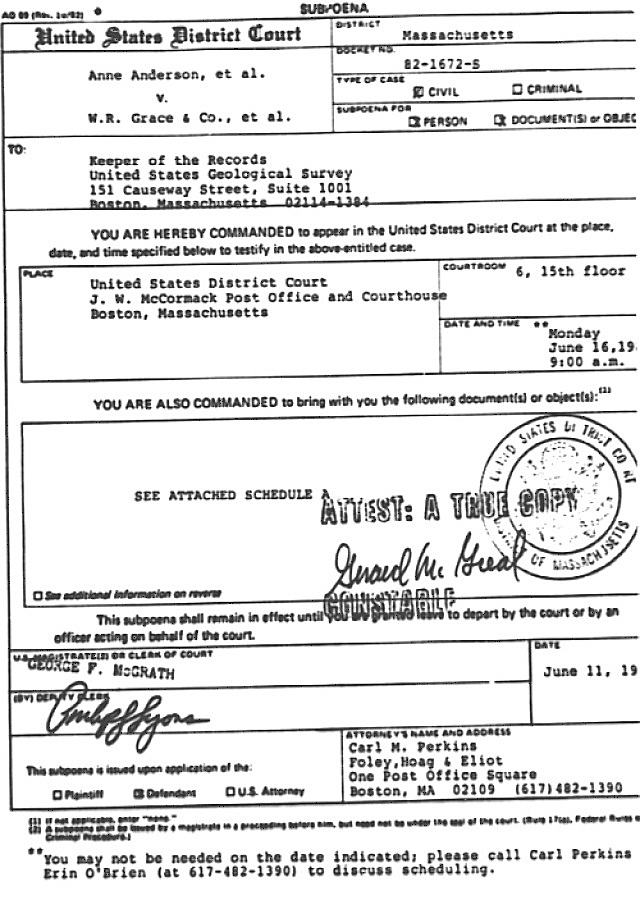
When a violation of Ohio insurance law is reported, the state’s investigative machinery kicks into gear. During an investigation, the Superintendent is authorized to issue subpoenas to compel witnesses to testify under oath, and they may take the testimony of any person under oath regarding the suspected violation.
If the ODI comes knocking, you do not have the luxury of making them wait. By law, a licensee must provide the Ohio Superintendent of Insurance with free and convenient access to all requested books and records during an investigation.
Suppose the Superintendent uncovers an ongoing practice that harms consumers. The state cannot afford to wait months for a court case to unfold while the damage continues.
To halt immediate harm, the Ohio Superintendent of Insurance may issue a cease and desist order. This is a legal directive requiring a producer or company to immediately stop a specified activity.
But here is where the elegance of due process comes in: an Ohio cease and desist order does not automatically suspend or revoke the recipient's insurance license.
Why? Because in the American legal system, you have the right to defend your livelihood. An insurance producer who receives a cease and desist order from the Superintendent has the right to an administrative hearing. This ensures that the state’s emergency brake is subject to review and that the producer can present their side of the story.
Furthermore, if the ODI schedules a hearing specifically regarding unfair information practices, a notice of that hearing must be served to the accused at least 30 days before the scheduled hearing date.
What happens when an individual is found guilty of violating the Ohio Insurance Code? Let us look at the mathematics of non-compliance.
First, it is crucial to understand the nature of the ODI's power: Disciplinary actions taken by the Ohio Superintendent of Insurance are civil or administrative in nature. The Ohio Superintendent of Insurance cannot impose criminal jail sentences.
However, the Superintendent possesses immense financial authority. The penalties scale rapidly based on the severity and frequency of the violation:
| Violation | Maximum Penalty |
|---|---|
| Violation of the Ohio Insurance Producers Licensing Act | Up to $25,000 per violation. |
| Violating a Cease and Desist Order | Up to $10,000 for each violation. |
| Violating a Cease and Desist Order as a General Business Practice | Up to $50,000. |
In addition to these fines, the Superintendent may assess administrative costs against a violator. This means if you break the law, you not only pay the fine, but you may also have to cover the state's investigation and hearing expenses. You are essentially forced to pay the tab for the state having to catch you.
Crossing the Criminal Line
If the Superintendent cannot put you in jail, does that mean you are safe from prison? Absolutely not. If, during the course of a civil investigation, criminal activity (like outright fraud or theft) is suspected, the Ohio Superintendent of Insurance will package the evidence and witness names and provide them directly to the proper prosecuting attorney. At that point, the matter transitions from an administrative problem to a criminal one.

As a licensed producer, you are tethered to the Department of Insurance. When your life changes, your administrative record must reflect that change. In Ohio, the magic number for regulatory housekeeping is almost always 30 days.
Contact Information Updates
An Ohio insurance producer must notify the Ohio Department of Insurance within 30 days of any change in their:
- Residential address
- Business address
- Email address
- Legal name
Do not dismiss this as mere paperwork. An Ohio insurance producer who fails to report an address change within the required 30-day window is subject to monetary fines and may even face license suspension. If the ODI cannot find you, you cannot hold a license.
Reporting Trouble
If you find yourself in legal or administrative trouble, you cannot hide it from the Superintendent. You are legally required to self-report:
- Administrative Actions: If an administrative action is taken against you in another jurisdiction (e.g., you lose your license in Indiana), you must report it to the Ohio Superintendent within 30 days of the final disposition of that matter.
- Criminal Prosecutions: If you face criminal prosecution, you must report it to the Superintendent within 30 days after your initial court appearance before a judge.
Insurer Appointment Timelines
Producers do not operate in a vacuum; they act as agents for insurance companies. To officially represent an insurer, you must be "appointed" by them.
- An insurer must file a notice of agent appointment with the ODI no later than 30 days after executing an agency contract.
- However, reality is sometimes messier than a clean contract execution. If an agent submits an insurance application to the carrier before an agency contract is formally executed, the insurer must file the notice of appointment within 30 days of the application submission.
Finally, there are structural rules that apply specifically to the insurance companies themselves regarding how they operate within Ohio's borders and how they maintain their records.
The Statutory Agent
Insurance companies headquartered outside of Ohio (known as foreign insurance companies) are welcome to do business in the state, but they cannot be a ghost. A foreign insurance company operating in Ohio must maintain a statutory agent located within the state. The sole purpose of this statutory agent is to be a physical, reachable entity designated to receive legal processes and official notices on behalf of the insurer.

The Memory of the Market: Recordkeeping
The state places a particularly heavy emphasis on vulnerable populations, which is why the recordkeeping requirements for Long-Term Care (LTC) insurance are so stringent.
Ohio insurers are required to act as the institutional memory for their agents' training. Insurers must maintain records of their agents' initial training concerning long-term care insurance for at least four years. Likewise, they must maintain records of their agents' continuing education concerning long-term care insurance for at least four years.
Understanding the Ohio Insurance Code requires seeing it not as an arbitrary list of chores, but as a calibrated system designed to maintain the integrity of a massive financial ecosystem. As you prepare for your exam and your career, remember that the Superintendent acts as the referee of this system, wielding the power of examination, the emergency brake of cease and desist orders, and the heavy hammer of civil penalties to ensure the market remains fair, solvent, and transparent. Keep your records straight, report your changes within 30 days, and recognize the immense responsibility that comes with holding an Ohio insurance license.