Ohio Producer Licensing, Appointment & Continuing Education
Not sure you’re ready?
Take the ~3-minute readiness diagnostic and see where you stand.
Insurance is a mechanism of profound societal trust. When a family’s home burns down or a business faces a catastrophic liability claim, they rely entirely on the structural integrity of a legal contract—and on the competence of the professional who negotiated it. To protect this ecosystem, the State of Ohio constructs a rigorous regulatory barrier to entry and a strict framework for continued practice. Understanding Ohio’s producer licensing laws is not merely about memorizing administrative deadlines; it is about recognizing the mechanisms that prevent systemic fraud and ensure that every insurance policy sold rests on a foundation of verifiable expertise and absolute ethical accountability.
The Ohio Department of Insurance (ODI) serves as the state regulatory authority responsible for issuing insurance producer licenses. Acting under the direction of the Superintendent of Insurance, the ODI functions as the gatekeeper, record-keeper, and disciplinarian of the Ohio insurance marketplace.
To participate in the Ohio insurance market, you must prove you are competent, legally identifiable, and free of disqualifying criminal history.
An Ohio insurance producer license is issued strictly in the legal name of the applicant. To qualify, Ohio requires insurance producer candidates to be at least 18 years old. Non-citizens applying for an Ohio insurance producer license must provide proof of United States work authorization.
Prelicensing Education and Examination
You cannot simply walk in and take the licensing exam; you must first complete formal academic preparation. Ohio requires 20 hours of approved prelicensing education for each major line of authority.
Therefore, a candidate seeking both Property and Casualty lines of authority in Ohio must complete 40 total hours of prelicensing education.
Once you complete this coursework, the clock starts ticking. Ohio prelicensing education certificates are valid for exactly 180 days after course completion. If you do not test within that window, your academic credential expires, and you must retake the coursework. When you do sit for the exam, Ohio requires insurance producer candidates to pass the state licensing exam with a score of 70 percent or higher.
Background Checks
Because insurance producers handle sensitive financial data and large sums of money, the ODI investigates who you are. Ohio requires insurance producer applicants to complete both a state criminal background check and a federal criminal background check. To facilitate this, applicants are strictly required to submit to WebCheck fingerprinting.

Passing your exam and receiving a license means you have the state’s permission to sell insurance. However, it does not mean you have an insurance company's permission to sell their insurance.
In Ohio, a producer acts as an agent of an insurer specifically when selling the insurer's products and receiving compensation directly from the insurer. Crucially, an Ohio insurance producer cannot act as an agent of an insurer without being officially appointed by that insurer.
The Appointment Timeline
When an insurance company decides to grant you the authority to sell their products, a strict statutory timeline applies:
- An insurer must file a notice of appointment with the Ohio Superintendent of Insurance no later than 30 days after executing the agency contract.
- However, the business of insurance moves quickly. If an insurer receives the first insurance application from a producer before executing the formal agency contract, the 30-day appointment filing window begins immediately upon receiving that first application.
Once established, producer appointments in Ohio automatically renew annually on July 1st.
Appointment Termination
If an insurer ends its relationship with you, it must notify the Ohio Superintendent of Insurance within 30 days after the effective date of the termination.
When a producer is terminated for malicious, fraudulent, or illegal behavior, the rules tighten. An insurer terminating a producer for cause must:
- Promptly notify the Ohio Department of Insurance by completing an Agent Termination For Cause Form.
- Mail a copy of the termination notification to the terminated producer's last known address within 15 days of notifying the Superintendent.
- Send this notification to the producer via certified mail or overnight delivery to ensure a legally binding paper trail.
Why this matters: The termination-for-cause rules prevent predatory agents from quietly getting fired by one insurer only to set up shop with another. The Superintendent relies on insurers to sound the alarm on bad actors.
Once licensed, you are responsible for ensuring the Department of Insurance knows exactly where you are and what legal situations you are involved in. In Ohio, almost every reporting requirement revolves around a 30-day window.
An Ohio insurance producer must notify the Superintendent of Insurance within 30 days of any change to the following:
- Residential address
- Business address
- Email address
- Telephone number
- Legal name change
Legal and Administrative Entanglements
If you encounter legal trouble, you must self-report. Hiding a prosecution is often treated as harshly as the underlying crime.
- Administrative Actions: If another jurisdiction takes administrative action against you, you must report it to the Superintendent within 30 days of the final disposition.
- Criminal Prosecution: Do not wait for a verdict. You must report any criminal prosecution to the Superintendent within 30 days after your initial appearance before a judge. Later, you must provide the Superintendent with the court's order within 30 days after the final disposition of the criminal case.
An insurance license is not a lifetime achievement award; it is a renewable lease. Ohio major lines insurance licenses must be renewed biennially (every two years). To make this easy to remember, an Ohio insurance producer's license renewal date falls on the last day of the producer's birth month every two years.
Interestingly, an Ohio resident insurance producer with a continuing education (CE) requirement is exempt from paying a state license renewal fee. The state prioritizes the ongoing education of its producers over collecting a biennial administrative toll.
Resident Continuing Education (CE) Requirements
To ensure producers stay current with evolving laws and products, Ohio resident major lines producers must complete 24 credit hours of approved continuing education every two-year license term.
Ethics are critical to consumer protection. Therefore, resident producers must complete at least 3 credit hours of approved ethics training during every two-year term.
Managing CE Credits:
- No Repetition: An Ohio insurance producer cannot receive continuing education credit for repeating the same course within the same renewal period.
- Carryover: If you over-prepare, Ohio rewards you. Resident producers can carry over a maximum of 12 excess continuing education credit hours to the next license renewal period.
- The Ethics Exception: Ethics training is considered a perishable skill that must be renewed fresh every cycle. Therefore, excess ethics continuing education hours carried forward in Ohio lose their specific ethics designation and become standard general credits.
Rules for Instructors: Teaching is one of the best ways to learn. An instructor of an approved Ohio continuing education course receives twice the number of credit hours for teaching the course. However, to prevent instructors from coasting on a single syllabus, an instructor can only receive teaching credit for a specific Ohio CE course once per renewal period.
Specialized Product Training
Certain financial and property risks require hyper-specific knowledge. Before you can sell certain products in Ohio, you must complete specialized coursework on top of your standard license:
| Product Type | Training Requirement |
|---|---|
| Flood Insurance | A one-time, 3-hour National Flood Insurance Program (NFIP) training course. |
| Annuity Products | A one-time, 4-hour Annuity Best Interest training course. |
| Long-Term Care (LTC) | An initial 8-hour state-approved training course, followed by 4 hours of ongoing training every 24-month compliance period thereafter. |
Non-Resident Licenses
Insurance frequently crosses state lines. A non-resident producer can obtain an Ohio non-resident license if they maintain an active resident license in their home state.
To prevent redundant administrative burdens, non-resident Ohio producers are exempt from Ohio continuing education requirements as long as they remain compliant with the continuing education requirements of their home state.
The Ohio Superintendent of Insurance wields broad authority to protect the public from incompetent or malicious agents. The Department can assess civil penalties against a producer for committing acts that constitute grounds for license revocation, or they can suspend or revoke the license entirely.
Grounds for Disciplinary Action
The Superintendent has the authority to suspend or revoke an insurance license for a variety of severe transgressions, which can be grouped into three main categories:
1. Fraud and Misrepresentation
- Providing materially untrue information on a license application.
- Obtaining the license through misrepresentation.
- Intentionally misrepresenting the terms or costs of an insurance contract.
- Forging another person's name on an application for insurance.
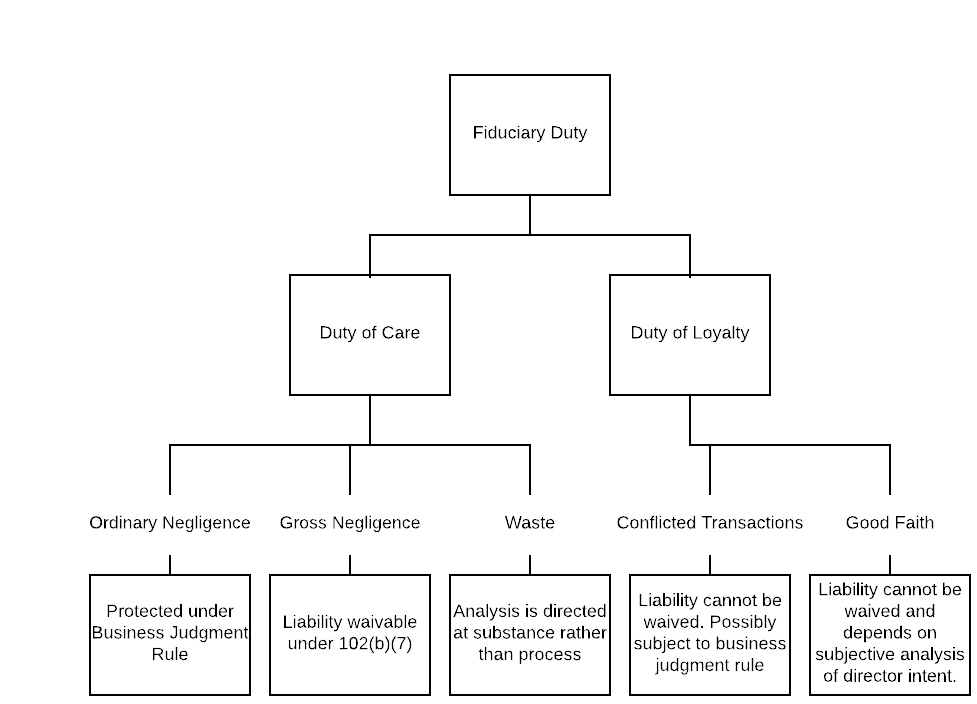
2. Financial Misconduct The fiduciary duty of an agent is paramount. The Superintendent will suspend or revoke a license if the producer:
- Improperly withholds money received in the course of insurance business.
- Misappropriates property received in the course of insurance business.
3. Criminal Convictions and Legal Failures Your behavior outside of the insurance agency reflects on your fitness to hold a license. The Superintendent has the authority to revoke or suspend a license if the producer:
- Has been convicted of a felony.
- Pleads guilty to a misdemeanor involving the theft of money.
- Pleads guilty to a misdemeanor involving fraud.
- Violates any state insurance law.
- Has their insurance license suspended or revoked in any other state.
4. Sovereign and Civil Obligations The state will leverage your professional license to enforce other legal obligations. The Superintendent has the authority to:
- Suspend an insurance license if the producer fails to comply with a court order imposing a child support obligation.
- Revoke an insurance license if the producer fails to pay state income taxes.
Surrender and Reinstatement
When the evidence of misconduct is overwhelming, a producer might realize that fighting a revocation order is futile. In these cases, Ohio law allows for a "surrender for cause," which is the voluntary termination of a producer's license authority in lieu of a formal, public revocation or suspension order.
If a license is formally revoked, the damage to a producer's career is nearly permanent. The Ohio Superintendent of Insurance can hold a hearing to modify a license revocation only if at least five years have elapsed since the administrative action.
The Professor's Takeaway: Do not view these laws as a list of hurdles; view them as the blueprints of your profession's integrity. When you pass your exam, pass your background check, and secure your appointments, you are proving to the public that you are a rigorously vetted professional capable of safeguarding their most valuable assets. Keep your address updated, complete your education, and never mix your client's money with your own. The rest is just good business.