Completing the Application
Not sure you’re ready?
Take the ~3-minute readiness diagnostic and see where you stand.
An insurance contract is a mechanism for transferring catastrophic risk, but it rests entirely on the integrity of a single document: the application. Consider the construction of a suspension bridge. The engineering department calculates the load-bearing capacity based on the specific soil samples and structural blueprints you provide. If the blueprint is altered with correction fluid, if the soil samples are falsified, or if the surveyor simply leaves a section blank, the bridge will inevitably collapse when weight is applied.

In life and health insurance, the application is that blueprint. It is the definitive foundation of the agreement. The insurance application is a primary source of underwriting information for the insurance company. If a producer mishandles this document, bypasses a disclosure, or turns a blind eye to a lie, they are fundamentally compromising the structural integrity of the policy. When a family is standing at the edge of financial ruin, that policy must hold up under legal scrutiny.
Understanding how to legally and ethically complete an application is not merely administrative paperwork; it is the fundamental mechanism by which a producer ensures a promise to pay will actually be honored.
When a client sits across from you and answers medical and lifestyle questions, the law must determine the weight and nature of those answers. Insurance companies price their risk based on these statements, so we must distinguish between human recollection, objective fact, and intentional deception.
Representations vs. Warranties
In contract law, there are two distinct standards of truth: representations and warranties.
Statements made by an applicant on a life or health insurance application are legally considered representations. A representation is a statement believed to be true to the best of the applicant's knowledge and belief. Humans are fallible. If your client states they visited a doctor in 2021 for a minor issue, but it was actually in late 2020, they have not necessarily compromised the contract, provided they answered to the best of their memory.
However, a warranty is a statement guaranteed to be absolutely true. Warranties are rigid. If an applicant were held to a strict warranty standard, even the slightest accidental deviation in a date or minor fact could void the entire policy. Therefore, consumer protection laws dictate that life and health applications consist of representations, not warranties. A breached warranty provides the insurer with immediate legal grounds to void the insurance contract, which is why they are rarely applied to an individual's medical history.
Why this matters: You must explain to your clients that while they don't need a photographic memory of every sneeze, they must provide truthful, comprehensive answers based on their genuine knowledge.
Misrepresentations and Materiality
What happens when an applicant provides a false answer? A misrepresentation on an insurance application is simply a false statement. But not all false statements destroy a contract. The legal fulcrum is materiality.
A material misrepresentation is a false statement that would have caused the insurer to either:
- Deny the requested coverage entirely, or
- Alter the premium for the policy.
If an applicant claims their eyes are brown when they are actually hazel, that is a misrepresentation. However, eye color does not alter mortality risk; the insurer would have issued the policy at the exact same price anyway. Therefore, it is immaterial.
Conversely, if an applicant states they do not smoke when they actually smoke a pack a day, that is a material misrepresentation. Had the insurer known the truth, they would have charged a significantly higher premium. An insurer can void an insurance policy if the applicant makes a material misrepresentation, effectively returning the premiums and refusing to pay the death benefit.

Fraud
While a material misrepresentation might be accidental (e.g., genuinely forgetting a significant medical diagnosis), fraud requires a psychological component: malice. Fraud is an intentional misrepresentation of a material fact made with the deliberate intent to deceive. If an applicant knows they have terminal cancer, conceals it, and applies for a $1,000,000 policy to enrich their heirs, that is fraud.
An application is a chain of custody. Any break in that chain invalidates the data. As the writing agent, you are the frontline underwriter and the custodian of this legal document.
Required Signatures
A contract requires mutual assent, evidenced by signatures. An application is never complete without them.
- The proposed insured must sign the insurance application. They are the one whose life or health is being evaluated.
- The writing agent must sign the insurance application. You are attesting that you witnessed the process and gathered the information ethically.
- A third-party policyowner must sign the insurance application if the policyowner is a different person than the insured. (For example, a wife buying a policy on her husband's life. The husband signs as the insured; the wife signs as the applicant/owner).

Handling Mistakes and Incomplete Applications
Imagine an applicant accidentally checks "Yes" to having a heart attack when they meant "No." How do you fix it?
To correct a mistake on a paper insurance application, the agent must draw a single line through the incorrect information. Then, the applicant must initial any changes or corrections made to an insurance application. This maintains a transparent visual history of the document.
You must remember an absolute rule of the trade: An agent must never use correction fluid or white-out to alter an answer on an insurance application. Correction fluid destroys the original text, obscuring what was previously there. To a court of law, white-out looks indistinguishable from an agent secretly changing an applicant's answers after the fact to push a policy through underwriting.

What if you get back to your office and realize you missed a question entirely? An agent must return an incomplete application to the applicant to fill in the missing information. You cannot simply pencil in the answer yourself, even if you know what they would say.
There is a severe consequence for the insurance company if they fail to catch this. If an insurer accepts an incomplete application and issues a policy, the insurer waives the right to contest a future claim based on the unanswered questions. Example: The application asks, "Do you engage in hazardous activities like skydiving?" The applicant leaves it blank. The insurer accidentally issues the policy anyway. If the client dies in a skydiving accident six months later, the insurer must pay the claim. By issuing the policy on incomplete data, they legally said, "We accept this risk without needing the answer."
The Agent's Report
Behind the scenes, the agent provides their own distinct evaluation. The agent's report is a dedicated section of the application where the agent provides personal observations about the proposed insured's character and condition. Did the applicant look drastically underweight? Did they seem confused? Did you notice an oxygen tank in their living room?
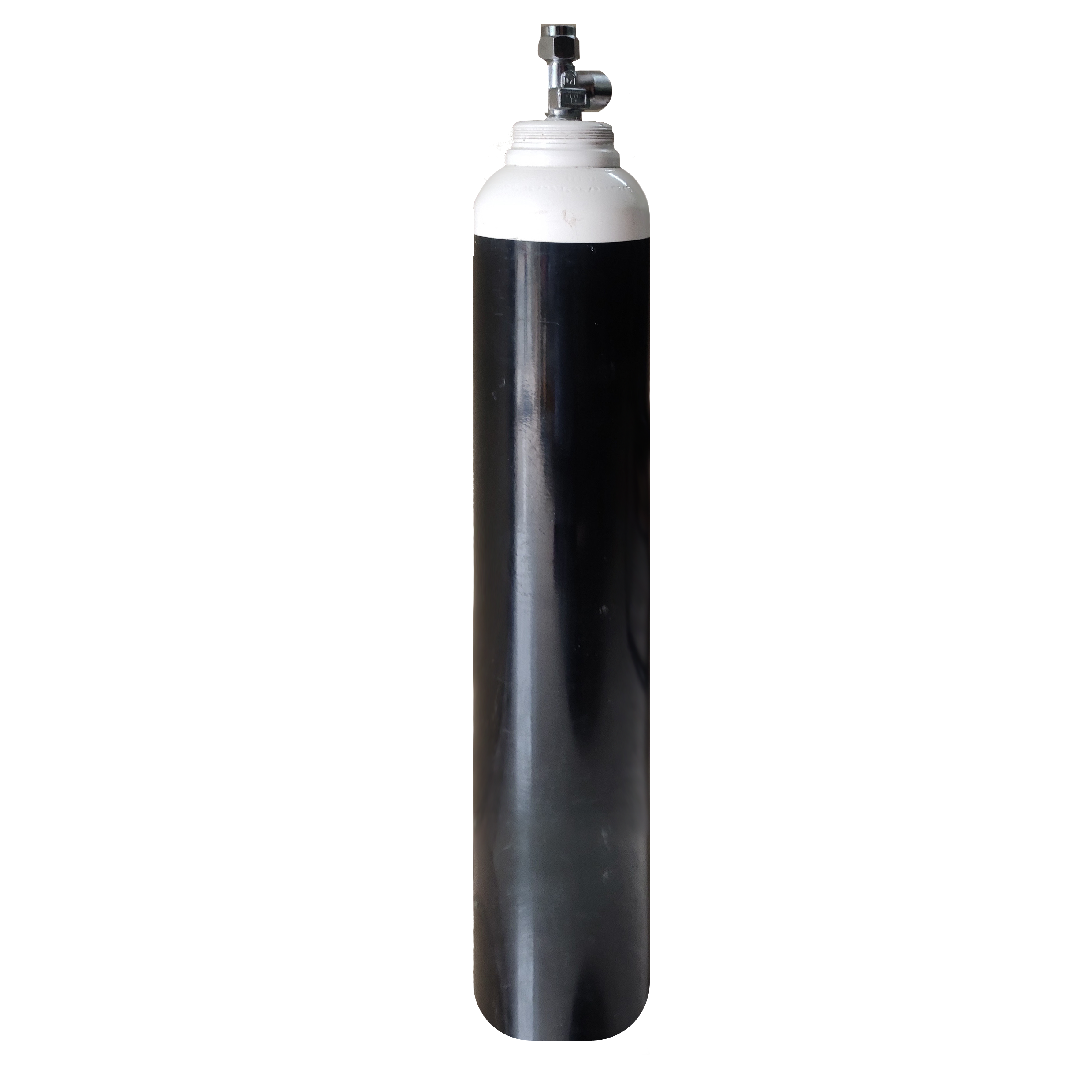
Because this is a private communication between the agent and the underwriter—and the applicant never sees or signs it—the agent's report does not become part of the entire insurance contract.
When an applicant completes the application, they often want to pay their first premium right then and there. But what are they actually buying at that exact moment? The policy hasn't been underwritten yet. To solve this, the industry uses receipts.
Conditional Receipts
A conditional receipt is given to the applicant only when the initial premium is paid at the time of application. If no money changes hands, no receipt is given, and zero temporary coverage exists.
When an applicant pays upfront, they are buying a conditional promise. Coverage under a conditional receipt typically begins on the date of the application. However, if a medical exam is required, coverage under a conditional receipt begins on the date of the medical exam. (The insurer needs the medical data to assess the risk, so coverage delays until that physical snapshot is taken).
The core philosophy of the conditional receipt is right in the name: it is conditional upon insurability. Temporary coverage under a conditional receipt only applies if the underwriter ultimately determines the applicant is insurable as a standard risk.
Worked Scenario: On Monday, Sarah applies for a $500,000 life insurance policy, pays her first premium, and receives a conditional receipt. No medical exam is required. On Tuesday, Sarah is tragically struck by a car and killed. Does the insurer pay? Yes. Because if an applicant dies holding a valid conditional receipt, the insurer pays the death benefit if the applicant would have been approved for the policy. The underwriter will posthumously review Sarah's application. If she was a standard risk on Monday, they will cut a $500,000 check to her beneficiary, even though the physical policy was never printed.
Binding Receipts
A binding receipt provides immediate coverage for a specified time period regardless of the applicant's insurability. If an applicant is given a binding receipt, they are covered for that window (e.g., 30 days) even if they are ultimately uninsurable. Because life insurance carries such catastrophic financial risk, binding receipts are extremely rare in the life insurance industry. They are more commonly seen in Property & Casualty insurance (like auto insurance binders).
Insurance underwriting is inherently invasive. You are asking for access to a stranger's finances, bodily fluids, and medical history. Consequently, federal and state laws mandate strict privacy disclosures. Required disclosure forms must be provided to the insurance applicant no later than the time of application. You cannot surprise them later with the fact that you are investigating their background.
Credit, Health, and MIB
- Fair Credit Reporting Act (FCRA): The Fair Credit Reporting Act requires agents to notify applicants at the point of sale if a consumer credit report will be requested. If they are rejected based on this report, they have the right to know why and to challenge the findings.
- HIPAA: An applicant must receive a written privacy notice detailing how protected health information will be used in compliance with the Health Insurance Portability and Accountability Act. This guarantees their medical records won't be sold to third-party marketers.
- Medical Information Bureau (MIB): The MIB is a cooperative data exchange for life and health insurers to flag discrepancies (like an applicant hiding a heart condition they admitted to on a previous application). An insurer must obtain written authorization from the applicant before requesting a medical history report from the Medical Information Bureau.

HIV Testing
Because of the severe privacy implications surrounding HIV, specific legal guardrails are in place. Insurers must obtain written consent from the applicant before administering an HIV test.
Furthermore, if the test returns positive, the insurer cannot simply mail a rejection letter stating, "You have HIV." Positive HIV test results may only be shared with the applicant's designated physician or the state department of health. This ensures the applicant receives the news in a proper clinical setting with appropriate counseling.
As an agent, you will frequently encounter clients who already have insurance. Replacement occurs when a new insurance policy is purchased to take the place of an existing active policy.
Replacement is not inherently wrong; sometimes a client genuinely needs a different product. However, because agents earn high front-end commissions on new policies, there is a financial temptation to convince clients to drop perfectly good policies just to generate a new sale—a practice known as churning.
To combat this, state replacement regulations are designed to protect consumers from deceptive sales practices and unnecessary policy churn.
When taking an application, an agent must formally ask the applicant during the application process if the proposed coverage will replace any existing life insurance policies.
If the answer is "yes," a strict regulatory protocol is triggered:
- The Notice: If policy replacement is involved, the agent must provide the applicant with a document called a Notice Regarding Replacement. This document explicitly warns the consumer about the risks of replacing a policy, such as starting a new contestability period or paying new surrender charges.
- The Signatures: To prove this warning was delivered, the applicant must sign the Notice Regarding Replacement, and the agent must sign the Notice Regarding Replacement.
- The Notification: The replacing insurance company must formally notify the existing insurance company of the proposed policy replacement. This gives the existing insurer a fair chance to contact their client and explain why keeping the current policy might be in their best interest.
In mastering the application process, you are acting as the architect of a legal safeguard. By understanding the gravity of representations, the rigid protocols for corrections, the mechanics of receipts, and the ethics of replacement, you ensure that the contract you build today will withstand the ultimate test when your client needs it most.