Underwriting Procedures
Not sure you’re ready?
Take the ~3-minute readiness diagnostic and see where you stand.
An insurance contract, stripped to its mathematical essence, is a mechanism for transferring risk. But without a foundational rule governing who can actually buy that contract, life insurance would rapidly devolve into a morbid casino where individuals place wagers on the lifespans of strangers. The mechanism that separates a legitimate financial safety net from a speculative gamble is the concept of insurable interest. As an aspiring life and health insurance producer, you stand at the gateway of this process. You are the initial filter—the eyes and ears of the insurance company—tasked with precisely documenting the risk an applicant brings to the pool, and ensuring that a genuine loss would occur if the insured were to pass away or become disabled.
Before we look at how a risk is measured, we must establish whether the risk is legally allowed to be insured. Insurable interest is a financial, emotional, or economic dependency on the continued life and health of the insured person. It means that the person buying the policy (the policyowner) would suffer a genuine hardship if the insured died or became severely ill.
The most critical rule regarding insurable interest in life insurance is its timing. Insurable interest must exist between the policyowner and the insured at the exact time of the life insurance application.
The Golden Rule of Timing: The insurance company only looks at the relationship when the ink is drying on the application. Insurable interest is not required to exist at the time of the insured's death.
Consider a married couple who buy life insurance policies on one another. Years later, they undergo a bitter divorce. Does the policy instantly become void? No. At the time of application, the emotional and economic dependency was real. The contract remains perfectly valid even if that dependency later vanishes.
How do we determine who has this interest? The law recognizes a few clear-cut categories:
- Self: A person possesses an unlimited insurable interest in their own life. You are entirely dependent on your own continued existence, so you can buy as much insurance on yourself as an underwriter will approve.
- Family: Spouses and close blood relatives possess an automatic insurable interest in each other. The emotional and economic ties are legally presumed.
- Business: The business world runs on key personnel. Business partners have an insurable interest in the lives of each other to protect the business from collapsing if one partner unexpectedly dies. Similarly, employers have an insurable interest in the lives of their key employees, because the loss of a top executive or brilliant engineer translates directly into a massive financial loss for the company.
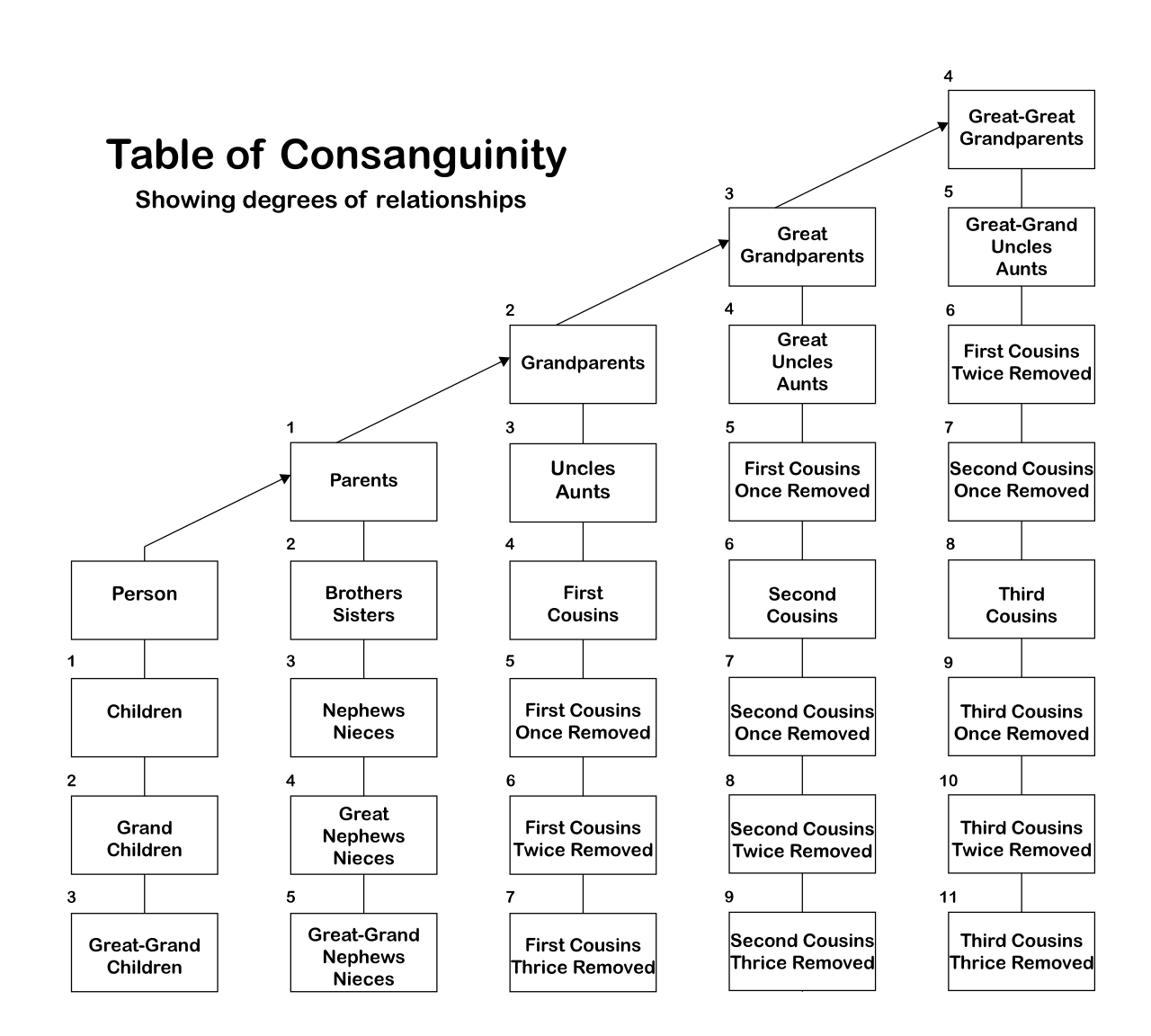
Finally, we must distinguish the policyowner from the beneficiary. The beneficiary of a life insurance policy is not required to have an insurable interest in the insured. If you buy a policy on your own life (where you have unlimited interest), you can legally name anyone—your favorite charity, a lifelong friend, or your neighbor—as the beneficiary to receive the payout. The legal hurdle of insurable interest applies to the person purchasing and owning the contract, not the one receiving the ultimate gift.
Underwriting is the process by which an insurance company evaluates risk to determine whether to issue a policy, what terms to offer, and what premium to charge.
You, the insurance producer, act as the field underwriter during the initial application process. You are not sitting in a corporate office analyzing actuarial tables; you are sitting across the kitchen table or the boardroom desk from the human being whose life is being insured. The field underwriter is responsible for gathering initial risk information directly from the applicant.
Because you are the sole representative of the insurer actually looking at the applicant, your accuracy is paramount. The insurance application is the primary source of information used by the insurer in the underwriting process. If the application is flawed, the entire mathematical foundation of the policy is compromised.
An insurance application is generally divided into distinct sections:
| Section | Content and Purpose |
|---|---|
| Part 1 | Contains general questions about the applicant's name, age, address, and income. It establishes identity, demographics, and the financial justification for the policy size. |
| Part 2 | Contains detailed questions about the applicant's medical history and current health status. This is the physiological blueprint of the risk. |
| Agent's Report | Contains the insurance producer's personal observations about the applicant. Did they look noticeably ill? Were they chain-smoking during the interview? Are they applying for $5,000,000 in coverage while working a minimum-wage job? |
Crucially, the Agent's Report is for underwriting purposes only and is not attached to the final insurance policy. It is a private communication between you and the home office underwriter.
The Physical Integrity of the Application
Because the application is a legal document that forms the basis of a binding contract, altering it requires a strict paper trail. Any changes to an insurance application must be visibly initialed by the applicant. If the applicant realizes they accidentally wrote their birth year as 1984 instead of 1994, you cross it out, write the correct year, and have them initial it.
Under no circumstances can you simply erase a mistake and paint over it. An insurance producer is strictly prohibited from using correction fluid on an insurance application. Correction fluid destroys the audit trail and opens the door wide to fraud.
When an applicant fills out Part 1 and Part 2 of the application, they are answering to the best of their ability. In the eyes of the law, statements made by the applicant on an insurance application are considered representations.
Representations are statements believed to be true to the best of the applicant's knowledge at the time of application. Warranties, by contrast, are statements guaranteed to be absolutely true in every detail.
Insurance companies do not hold human beings to the impossible standard of warranties for their health. If an applicant says, "I don't have heart disease," and truly believes it because they have no symptoms and no doctor has ever diagnosed them, that is a truthful representation. If they die of an undiagnosed heart defect a week later, they did not lie.
However, if an applicant intentionally conceals a known fact—say, they had a massive heart attack six months ago and simply check "No" on the heart disease question—that is a different story. A material misrepresentation on an application can give the insurer grounds to void the insurance contract. A misrepresentation is "material" if knowing the truth would have changed the underwriter's decision to issue the policy or the premium charged.
The home office underwriter does not simply take the applicant's word for it. They consult external databases and medical professionals to verify the risk.
The Medical Information Bureau (MIB)
The Medical Information Bureau is a nonprofit trade association that maintains confidential medical information on insurance applicants. Think of it as an information-sharing network among life and health insurance companies.
When someone applies for insurance, the insurer checks the MIB. If the applicant claimed perfect health on their current application, but the MIB shows that three months ago they applied for a policy with another company and disclosed a severe diabetes diagnosis, an alarm bell rings. Insurance companies use the Medical Information Bureau to detect fraud and uncover misrepresentations on applications.
However, the MIB is a smoke detector, not the fire itself. An insurance company cannot decline an application based solely on information obtained from the Medical Information Bureau. If the MIB flags an inconsistency, the underwriter must conduct their own independent investigation to prove the health issue exists.
Medical Records and Exams
To investigate further, the underwriter will often go straight to the source of the applicant's health history. An Attending Physician Statement (APS) is a detailed medical report ordered by the underwriter directly from the applicant's personal doctor. It provides a clinical, objective view of the applicant's medical past.
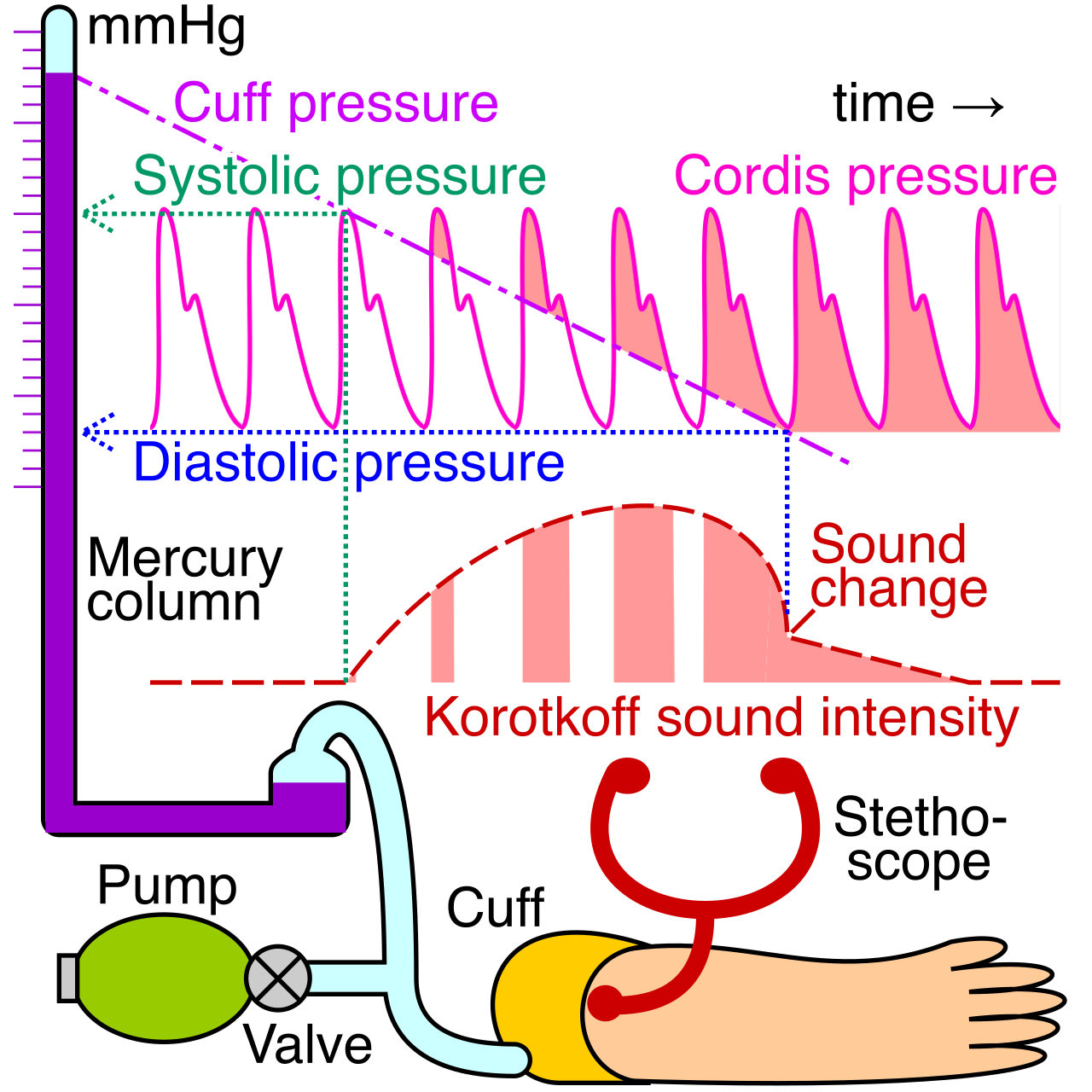
The insurer may also require a current physical snapshot of the applicant. This usually involves sending a paramedical professional to take blood pressure, draw blood, and collect a urine sample. Because the insurer is demanding this data to protect their own risk pool, the insurance company pays the cost of medical exams or blood tests required during the underwriting process.
In the modern underwriting environment, testing for infectious diseases is standard. But because of the sensitive nature of these conditions, strict privacy and consent laws apply. Insurance companies must obtain written consent from the applicant before conducting an HIV test.
Consumer and Investigative Reports
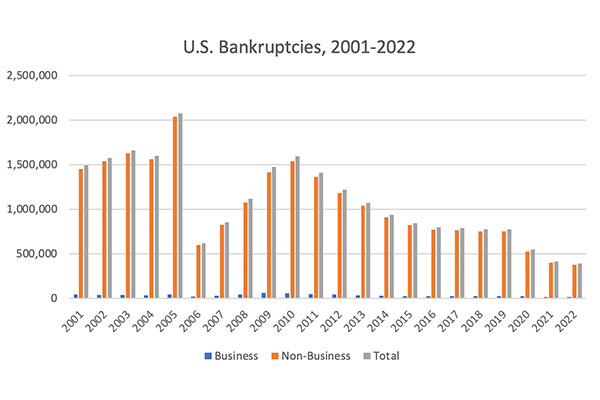
Risk is not purely physiological; it is also behavioral and financial. Consumer reports provide underwriters with information regarding an applicant's credit history, character, and general reputation. A history of bankruptcies or massive, unmanageable debt might indicate a moral hazard, especially if the individual is applying for an exceptionally large death benefit.
Sometimes, the underwriter needs a deeper look into the applicant's lifestyle, particularly if they suspect involvement in high-risk, undisclosed activities (like illegal drug use, or reckless hobbies). Investigative consumer reports gather information about an applicant's character through interviews with friends, neighbors, and associates.
Because this essentially involves sending a private investigator to ask your neighbors about you, it is heavily regulated. The Fair Credit Reporting Act (FCRA) regulates the collection and distribution of consumer information by reporting agencies. Under the FCRA, consumer rights are fiercely protected:
- Insurers must notify applicants in writing within a specific timeframe before ordering an investigative consumer report. You cannot secretly investigate an applicant's character.
- If an insurance application is declined due to a consumer report, the insurer must provide the applicant with the reporting agency's contact information.
- An applicant has the right to request a copy of a consumer report directly from the credit reporting agency. If the agency has incorrect information (e.g., claiming the applicant is a daily skydiver when they are not), the applicant has the legal right to challenge and correct it.
Once the underwriter has synthesized the application, the Agent's Report, the MIB data, the APS, the medical exams, and the consumer reports, they must sort the applicant into a specific mathematical bucket. This sorting dictates how much the applicant will pay—or if they can buy the policy at all.
These buckets are known as risk classifications:
- Standard Risk: A standard risk classification applies to applicants who meet the insurer's normal underwriting guidelines without extra restrictions. They represent the average life expectancy and standard morbidity rates. They pay the baseline premium rate.
- Preferred Risk: A preferred risk classification is awarded to applicants with excellent health and low-risk lifestyle habits. They exercise, maintain an ideal body mass, do not smoke, and have no adverse family medical history. Because their statistical likelihood of dying or becoming disabled is much lower than average, preferred risk classifications result in lower premium rates than standard risk classifications.
- Substandard Risk: A substandard risk classification applies to applicants with health issues (like managed diabetes), dangerous hobbies (like cave diving), or hazardous occupations (like structural steelworkers). They are still insurable, but the risk pool requires more capital to absorb their elevated likelihood of an early claim. Therefore, insurers charge higher premium rates for substandard risk classifications to offset the increased risk.
- Declined Risk: Finally, a declined risk classification means the insurer refuses to issue a policy because the applicant's risk level is unacceptably high. The math simply does not work; the likelihood of an immediate claim is too great, or the risk is entirely unquantifiable.

As a producer, your job is not to guarantee an outcome—it is to guide the applicant through this complex sieve of risk analysis. By understanding exactly how insurable interest initiates the contract, how medical and consumer data refine it, and how classifications finalize it, you ensure the integrity of the life and health insurance system from the very first signature.