Pennsylvania Insurance Code & Department of Insurance
Every functional financial market relies on an underlying architecture of trust. When a client purchases a life or health insurance policy in Pennsylvania, they are exchanging present capital for a future promise. If the institution making that promise fails, or if the producer misrepresents the terms, the entire mechanism of insurance collapses. The Pennsylvania Insurance Code is the statutory framework designed to prevent this collapse, and the Pennsylvania Insurance Department is the regulatory body tasked with upholding it.

To operate as an insurance producer in Pennsylvania is to operate strictly within this framework. Understanding how the state regulates its insurance market, conducts examinations, mandates recordkeeping, and penalizes infractions is not just a matter of passing a licensing exam—it is the operating system for your entire professional career.
The Pennsylvania Insurance Department is headed by the Insurance Commissioner. If we think of the Pennsylvania insurance market as a complex engine, the legislature engineers the machine, but the Commissioner is the master mechanic who ensures it runs safely and efficiently.
The Commissioner is not an elected official. Instead, the Pennsylvania Insurance Commissioner is appointed by the state Governor. However, this appointment is not absolute; it requires the advice and consent of the state Senate, ensuring a balance of power. Once confirmed, the Commissioner serves a four-year term, and this term runs concurrently with the Governor's term. If a new Governor takes office, a new Commissioner is typically appointed to align with the new administration's policy priorities.
Legislative Power vs. Enforcement Authority
It is critical to distinguish between making laws and enforcing them. The Pennsylvania Insurance Commissioner does not have the legislative power to create or pass new laws. Only the Pennsylvania General Assembly (the state legislature) can enact statutory law.
However, the Commissioner is responsible for enforcing state insurance laws. To bridge the gap between broad legislative statutes and the day-to-day realities of the insurance business, the Commissioner has the authority to issue rules and regulations to administer the Pennsylvania Insurance Code.
Analogy: The legislature writes the speed limit (the law). The Commissioner decides how the radar guns are calibrated and how the tickets are processed (the regulations), and oversees the highway patrol enforcing those limits.

To ensure insurers and producers are keeping their promises and maintaining financial solvency, the Commissioner conducts rigorous examinations.
By law, the Pennsylvania Insurance Commissioner must conduct an examination of every licensed insurer in the state at least once every five years. This is the mandatory baseline. However, regulatory oversight is not blind to immediate risks. The Commissioner may examine any insurer or producer as frequently as deemed necessary to protect the public. If the Department spots anomalous behavior, a surge in consumer complaints, or a sudden dip in an insurer's financial reserves, they will initiate an examination immediately.
Powers During an Examination
When an examination or investigation is underway, the Department’s authority is expansive. The Commissioner has free access to all business books, records, and documents of the examinee. There is no hiding behind claims of privacy for business documents; holding a state license constitutes consent to this oversight.
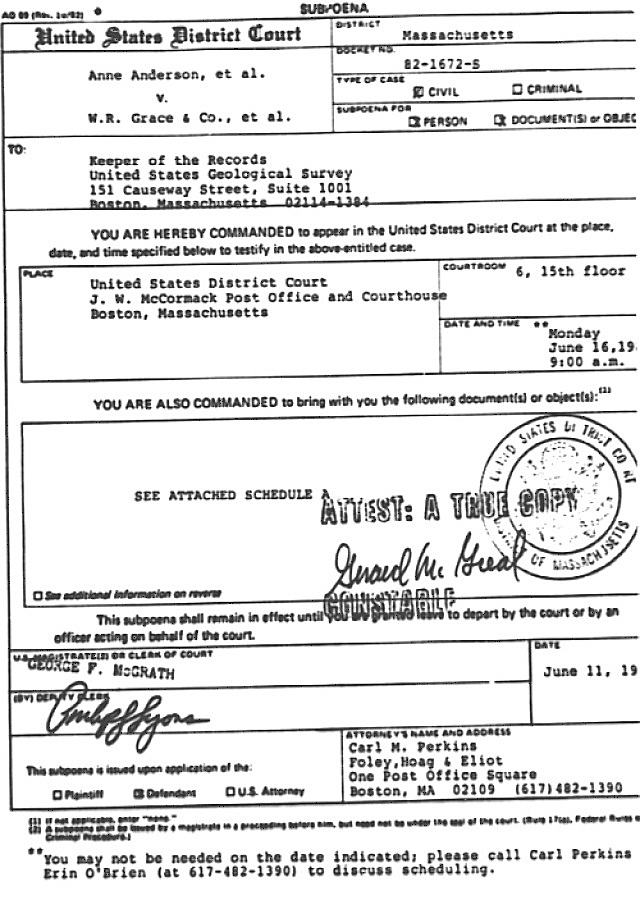
To gather necessary information, the Commissioner possesses subpoena power. Specifically, the Commissioner may issue subpoenas to compel the production of documents during an examination, and they may also issue subpoenas to compel witness attendance during an investigation.

The Cost of Examinations
One of the most surprising facts to new producers is how these regulatory audits are funded. The cost of an examination conducted by the Pennsylvania Insurance Department must be paid by the insurer or producer being examined.
Why? Because the state views regulatory oversight as a necessary cost of doing business in the insurance sector. Rather than burdening the general taxpayer, the financial responsibility is shifted directly to the entities profiting from the market.
Because the Commissioner has free access to your records, you must actually possess those records. Pennsylvania imposes strict document retention rules on producers to ensure an auditable paper trail exists for every transaction.
For general insurance transactions, Pennsylvania insurance producers must retain all documents pertaining to the transaction for a minimum of seven years. This seven-year record retention period begins from the final execution or creation of the record.
There is, however, a critical exception regarding the sale of annuities. Annuities are highly scrutinized financial instruments due to their complexity and impact on a client's retirement. Therefore, records regarding annuity recommendations and suitability in Pennsylvania must be maintained for five years after the insurance transaction is completed.
Electronic Recordkeeping
We live in a digital age, and the Insurance Code reflects this. Pennsylvania producers may maintain required insurance records in an electronic format. You are not required to keep literal warehouses of paper files. However, the law explicitly requires that electronically maintained insurance records must be capable of being promptly produced upon request by the Insurance Department. If your hard drive crashes and you lose a client's file, you are in violation of the Insurance Code. Proper backups and immediate accessibility are mandatory.

When the rules are broken, the Department takes corrective action. But Pennsylvania law affords licensees strict due process rights before penalties are levied.
Notice and Hearings
Before imposing disciplinary action, the Pennsylvania Insurance Commissioner must provide the accused with written notice and an opportunity for a hearing. The state cannot revoke your license on a whim or a rumor.
To ensure the producer can mount a proper defense, the hearing notice from the Commissioner must specify three things:
- The time of the hearing.
- The place of the hearing.
- The nature of the alleged violation (the specific statutes or rules broken).
Cease and Desist Orders
If the Department believes a producer is engaged in an illegal practice, the Commissioner may issue a cease and desist order demanding the person stop the illegal insurance activity immediately.
If a producer's activities present an immediate, severe danger to the public (for instance, outright stealing client premiums), the normal hearing timeline is too slow. In these extreme cases, the Commissioner may issue an emergency cease and desist order to halt the damage instantly, pending a formal hearing.
Violating a cease and desist order is treated as a profound disrespect for regulatory authority. Doing so in Pennsylvania can result in a massive civil penalty of up to $10,000 for each violation.
General Penalties and License Actions
If an individual is found guilty of violating the insurance code following a hearing, the Commissioner wields significant punitive power.
- License Revocation: The Commissioner has the authority to suspend or revoke the license of any person found guilty of violating the insurance code.
- Fines: For a general violation of Pennsylvania insurance laws where a specific penalty is not provided in the statute, the Commissioner may impose a civil penalty of up to $5,000 per violation.
Mandatory Reporting and Response Timelines
A large portion of disciplinary actions against producers stems from a simple failure to communicate. The Insurance Department expects prompt compliance with administrative inquiries and changes in status. You must memorize the following timeframes, as they are strictly enforced:
| Required Action | Timeframe | Consequence of Failure |
|---|---|---|
| Respond to a Department Inquiry | Within 30 days of receiving a written inquiry from the Dept. | Failure to respond within 30 days can result in disciplinary action. |
| Report Out-of-State Admin Action | Within 30 days of the final disposition of an administrative action taken against you in another jurisdiction. | Disciplinary action, fines, or license suspension. |
| Notify Dept of Address Change | Within 30 days of a change in residential or business address. | Administrative penalties. |
| Correct a Reporting/Fee Violation | Within 15 days of receiving notice of the error. | The Commissioner may assess an administrative fine of up to $100 per day until corrected. |
Why this matters to you: Imagine you move to a new apartment but forget to update your address with the Department. The Department sends a routine written inquiry to your old address. Because you moved, you never see it. Consequently, you fail to provide a written response within 30 days. You have now committed two distinct violations (failure to update address, failure to respond to an inquiry), which will trigger disciplinary action and potential fines—all because of an administrative oversight.
The Pennsylvania Insurance Code is built on transparency, accountability, and the protection of the consumer. The Commissioner acts as the governor of this system, armed with the power to examine, subpoena, and penalize. As a producer, your best defense is meticulous recordkeeping—seven years for general documents, five years for annuities—and an absolute commitment to timely communication with the Department. Treat your licensure not as a one-time achievement, but as an ongoing compliance relationship with the Commonwealth of Pennsylvania.