Pennsylvania Automobile Insurance Laws
Not sure you’re ready?
Take the ~3-minute readiness diagnostic and see where you stand.
When two tons of steel collide at sixty miles per hour, physics dictates an immediate, violent transfer of kinetic energy. The law dictates an equally immediate transfer of financial liability. Pennsylvania automobile insurance law is the state’s mechanism for managing the aftermath of this kinetic energy, ensuring that every driver on the road possesses the means to pay for the damage they cause and the injuries they sustain. At the center of this legal framework is the Motor Vehicle Financial Responsibility Law (MVFRL), a system designed to balance the right of a victim to seek damages against the spiraling costs of insurance premiums. Understanding this system is not merely about memorizing limits; it requires recognizing how Pennsylvania allocates risk between the driver, the insurance company, and the state.
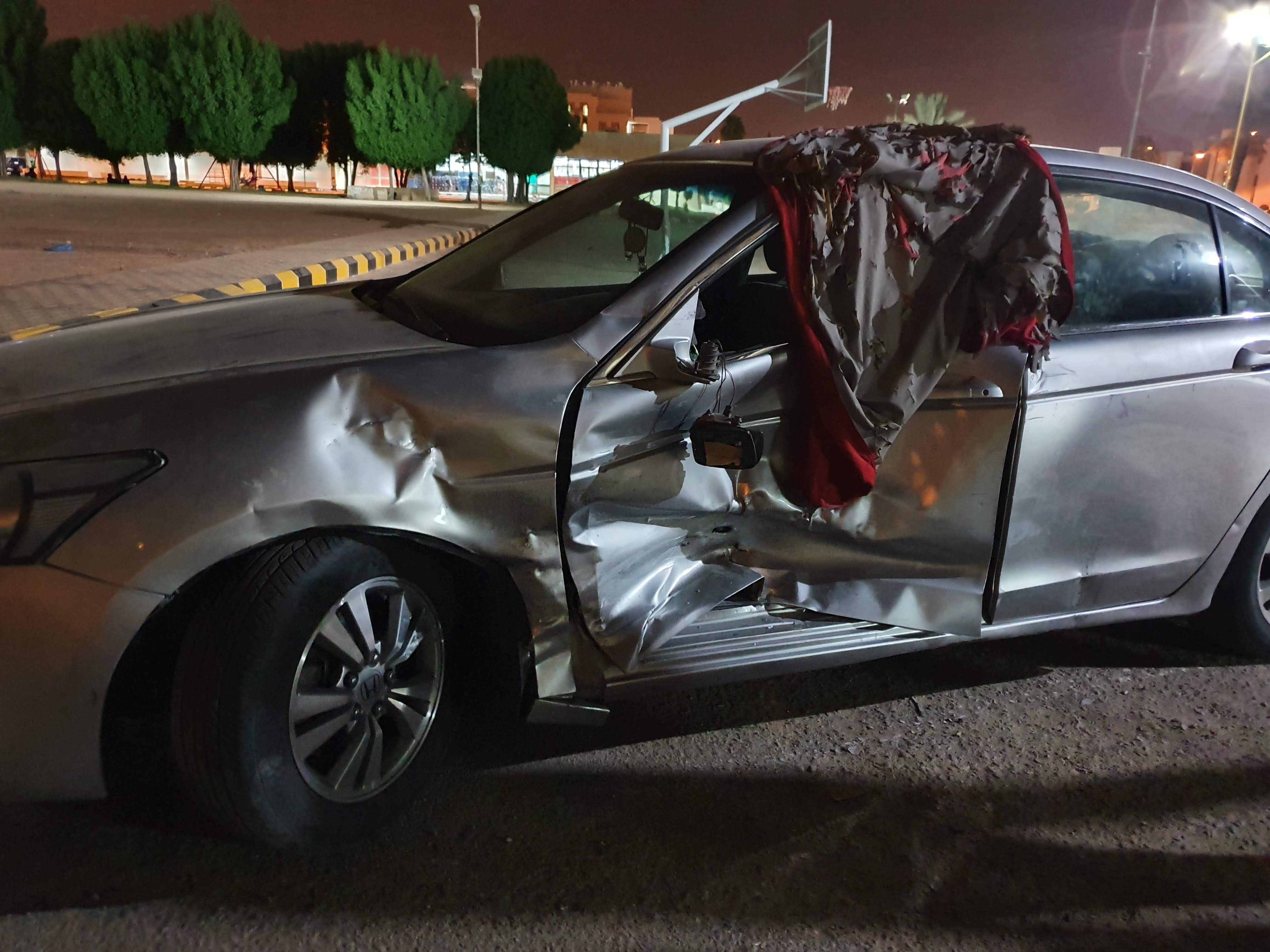
To legally place a tire on a public road, Pennsylvania law requires all registered motor vehicles to maintain financial responsibility for liability and medical benefits. Pennsylvania operates on a "choice no-fault" hybrid system. This means the state requires drivers to carry traditional liability insurance to pay for the harm they cause to others, while also mandating a layer of "first-party" coverage to handle their own immediate medical needs without waiting for a court to assign blame.
If you are writing a policy in Pennsylvania, the absolute basement—the lowest legal limits a producer can sell—is structured around three distinct buckets of capital:
| Coverage Type | Minimum Required Limit | Who it Pays |
|---|---|---|
| Bodily Injury Liability (BI) | $15,000 per person <br> $30,000 per accident | Third parties you injure. |
| Property Damage Liability (PD) | $5,000 per accident | Third parties whose property you damage. |
| First Party Benefit (FPB) Medical | $5,000 | You (the insured), regardless of fault. |
Notice the First Party Benefit Medical coverage. Pennsylvania auto insurance policies must include a First Party Benefit Medical coverage that pays for the insured's own medical bills regardless of fault. The state mandates this minimum First Party Benefit Medical limit of $5,000 so that emergency room visits and immediate diagnostics are covered instantly, without the friction of a legal battle over who ran the red light.
The most uniquely "Pennsylvania" aspect of auto insurance is the tort election. A "tort" is simply a civil wrong for which you can sue. Under the MVFRL, the state mandates a choice between the Full Tort option and the Limited Tort option for auto insurance policies.
When a client sits across from you, they are essentially making a gamble regarding their right to sue for "non-economic damages"—the legal term for pain and suffering.
Full Tort
The Full Tort option allows a Pennsylvania insured to sue an at-fault driver for non-economic damages like pain and suffering regardless of the injury severity. If an insured has Full Tort, they retain unrestricted access to the courts. Consequently, this is the more expensive option.
Crucial Default Rule: If a Pennsylvania auto insurance applicant fails to select a tort option on the application, the policy will default to the Full Tort option. The state protects the consumer's right to sue unless the consumer explicitly waives it.
Limited Tort
The Limited Tort option restricts a Pennsylvania insured from suing an at-fault driver for non-economic damages unless the injury meets the statutory definition of a serious injury. Why would anyone willingly surrender their legal rights? Price. Pennsylvania insureds choose the Limited Tort option to receive a reduction in their auto insurance premium.
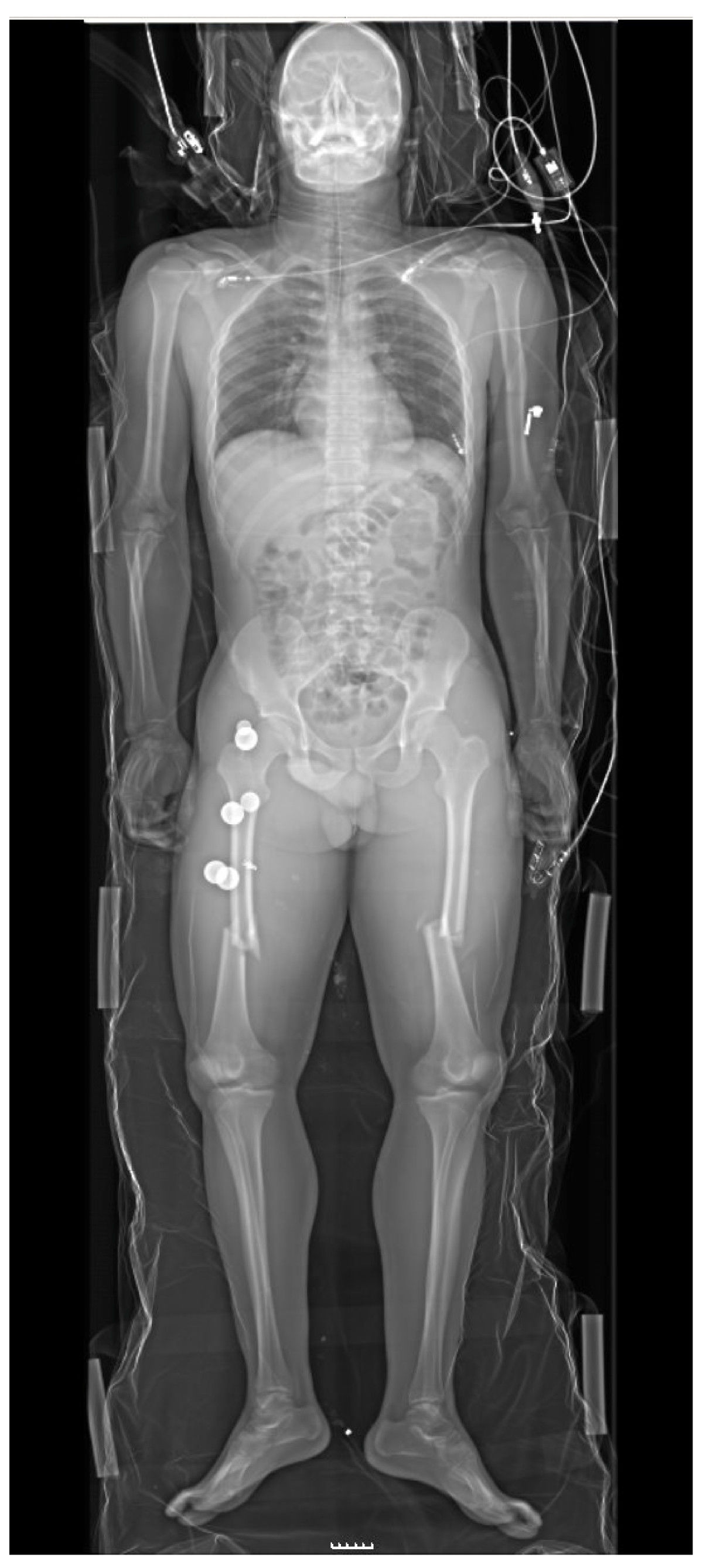
If your client chooses Limited Tort, they can still sue for economic damages (unpaid medical bills, lost wages) all day long. But they cannot sue for pain and suffering unless they cross the "serious injury" threshold. Pennsylvania law defines a serious injury strictly: a personal injury resulting in death, serious impairment of body function, or permanent serious disfigurement. Whiplash and mild concussions generally do not qualify.
The Loophole: Exceptions to Limited Tort
Lawmakers recognized that it is fundamentally unjust to let a drunk driver benefit from their victim's decision to save money on insurance. Therefore, the law carves out specific scenarios where the Limited Tort barrier vanishes. Even if your client elected Limited Tort, they act as if they have Full Tort—meaning they can sue for non-economic damages regardless of injury severity—if any of the following triggers apply:
- The At-Fault Driver is DUI: A Pennsylvania insured with Limited Tort coverage can sue for non-economic damages if the at-fault driver is convicted of driving under the influence.
- Intentional Harm: A Pennsylvania insured with Limited Tort coverage can sue for non-economic damages if the at-fault driver intentionally injured the insured (e.g., road rage vehicular assault).
- Out-of-State Vehicles: A Pennsylvania insured with Limited Tort coverage can sue for non-economic damages if the at-fault vehicle is registered in another state. The state of Pennsylvania has no interest in shielding an Ohio driver with a Pennsylvania tort restriction.
- Commercial Vehicles: A Pennsylvania insured with Limited Tort coverage can sue for non-economic damages if the insured is injured as an occupant of a commercial vehicle (like a bus or a company box truck).
- Pedestrians: A Pennsylvania insured with Limited Tort coverage can sue for non-economic damages if the insured is injured as a pedestrian. You are not operating your limited-tort vehicle when you are walking across the street.
Liability insurance covers what you do to others. But what if the person who hits your client was entirely irresponsible? To solve this, Pennsylvania requires producers to offer a shield against the uninsured public.
Pennsylvania auto insurance companies must offer Uninsured Motorist (UM) coverage and Underinsured Motorist (UIM) coverage to all applicants.
- UM pays your client if they are hit by someone with no insurance.
- UIM pays your client if they are hit by someone who has legal insurance, but their limits (say, the state minimum $15,000) are exhausted before your client's medical bills are paid.
While the offer is mandatory, the purchase is not. Uninsured Motorist coverage and Underinsured Motorist coverage are optional in Pennsylvania and are not required to legally operate a vehicle.
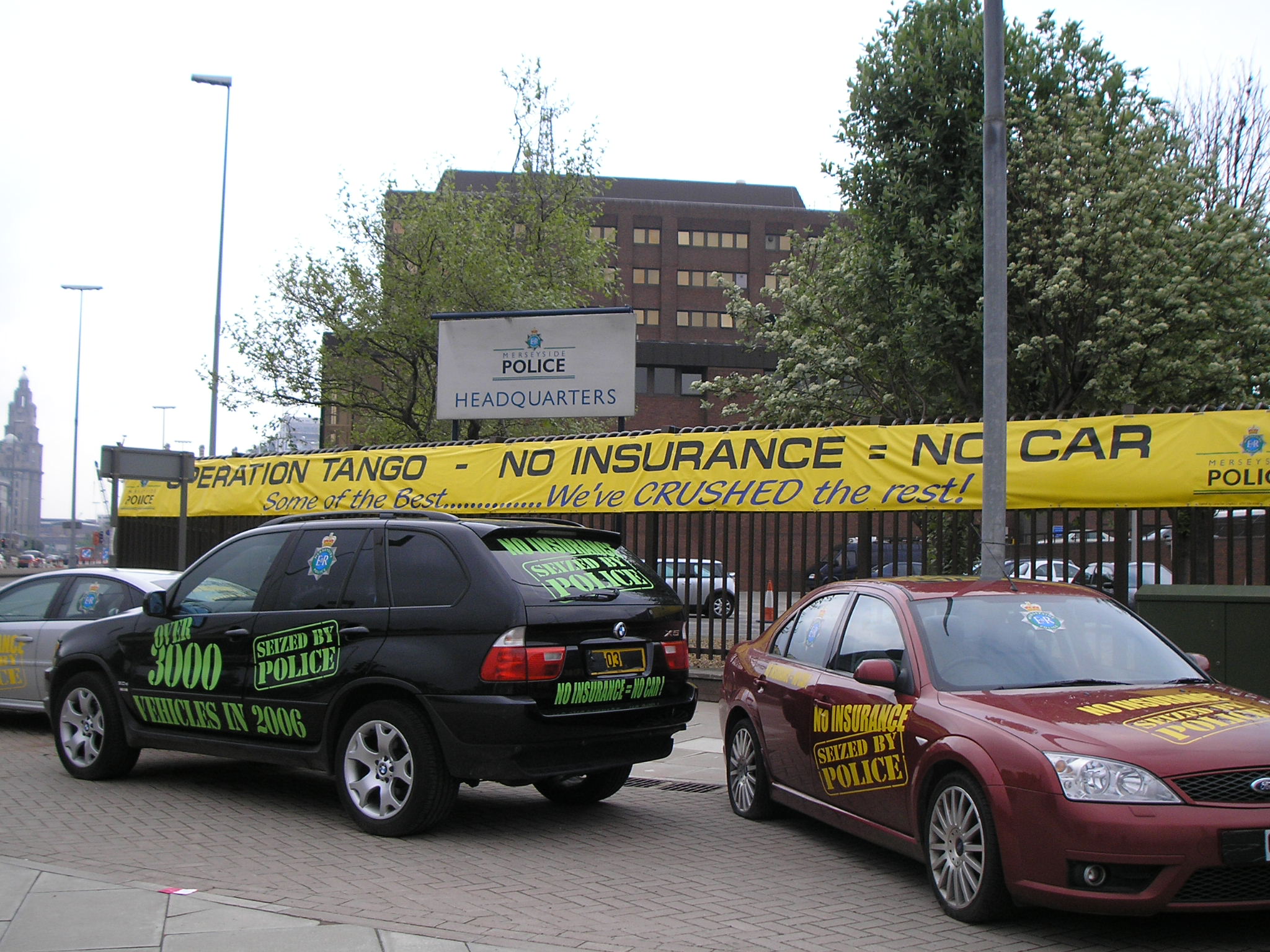
Because these coverages are incredibly important, the state makes rejecting them a highly regulated administrative act. A Pennsylvania insured must sign a specific written waiver to reject Uninsured Motorist coverage, and they must sign a separate, specific written waiver to reject Underinsured Motorist coverage.
If the client accepts the coverage but does not specify a dollar amount, the law imposes an automatic baseline: Uninsured Motorist limits in Pennsylvania will default to the policy's Bodily Injury Liability limits if the insured does not explicitly request lower limits or reject the coverage. The exact same rule applies to UIM limits.
The Multiplier Effect: Stacking Limits
If your client has three cars on their policy, with $50,000 in UM coverage on each, how much UM coverage do they actually have? In Pennsylvania, they might have $150,000.
This is called "stacking." Pennsylvania auto insurance law permits the stacking of Uninsured Motorist coverage limits for multiple vehicles, and similarly permits the stacking of Underinsured Motorist coverage limits for multiple vehicles. It mathematically multiplies the UM/UIM limit by the number of vehicles on the policy, providing a massive reservoir of coverage for severe accidents.
Naturally, this increased exposure for the insurer comes with a higher premium. A Pennsylvania insured can sign a written waiver to reject the stacking of Uninsured and Underinsured Motorist coverages in exchange for a lower premium.
While the $5,000 Medical benefit is the only legally mandated First Party Benefit (FPB), insurance producers are required to offer a suite of optional FPBs that act as supplemental life, health, and disability policies wrapped inside the auto contract:
- Income Loss Benefit: Pennsylvania auto insurers must offer an optional Income Loss Benefit to cover wages lost due to an auto accident injury.
- Accidental Death Benefit: They must offer an optional Accidental Death Benefit that pays out directly to the personal representative of an insured killed in an auto accident.
- Funeral Benefit: Insurers must offer an optional Funeral Benefit that pays for funeral expenses resulting from an auto accident.
- Extraordinary Medical Benefits: Modern trauma care is staggering in its expense. Extraordinary Medical Benefits coverage is an optional Pennsylvania auto insurance benefit that covers medical expenses exceeding $100,000. It acts as a catastrophic backstop for survivors of devastating wrecks.
An insurance system relies entirely on mass compliance. To guarantee drivers actually buy these policies, Pennsylvania weaponizes the driver's license and vehicle registration.
Pennsylvania drivers must carry proof of financial responsibility in their vehicles at all times. Historically, this meant an ID card in the glovebox. Today, recognizing modern reality, Pennsylvania law allows drivers to provide electronic proof of financial responsibility on a mobile device during a traffic stop.
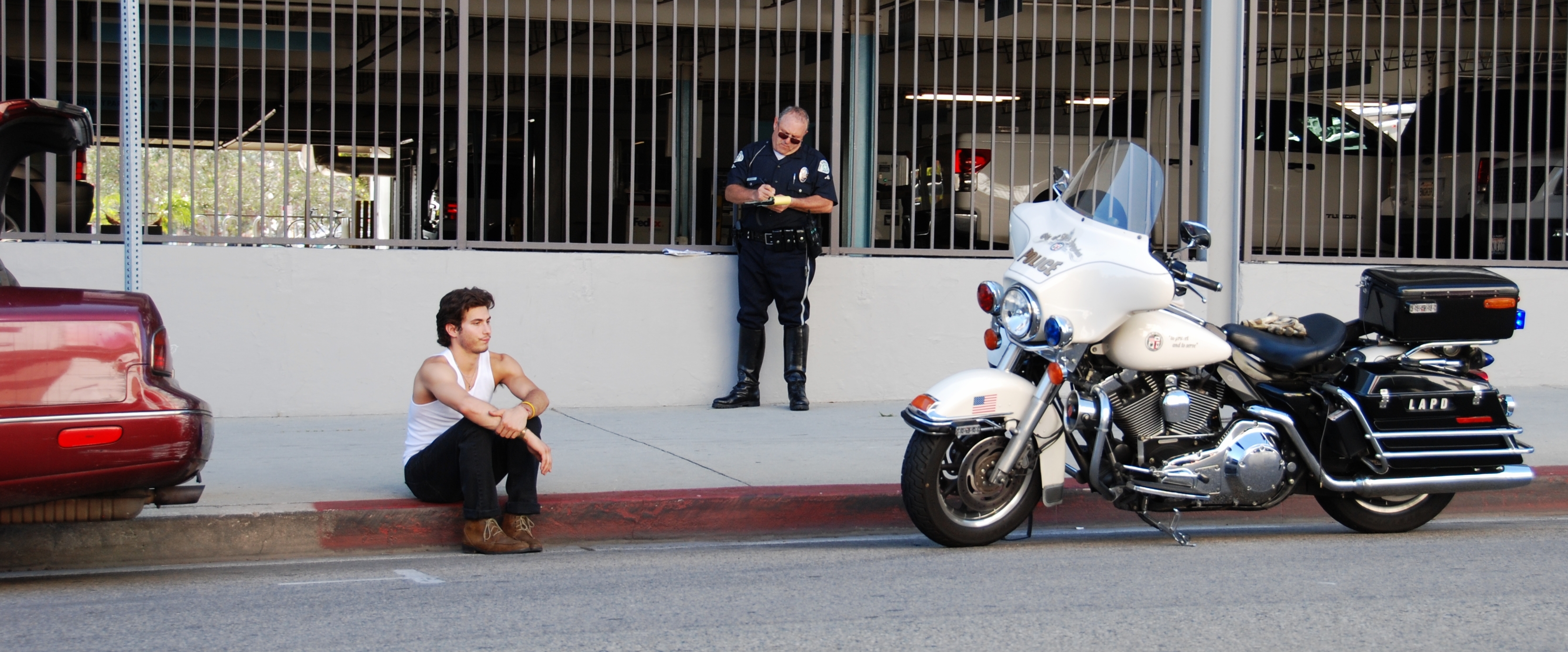
If a driver lets their policy cancel for non-payment, the consequences are immediate and severe. Operating a motor vehicle in Pennsylvania without the required financial responsibility triggers a three-month suspension of the vehicle registration. Worse, it triggers a three-month suspension of the driver's license. To get back on the road after serving this suspension, a Pennsylvania driver must pay a restoration fee to the state to reinstate a driver's license suspended for a financial responsibility violation, in addition to securing a new, likely expensive, insurance policy.
The 31-Day Exemption and Plate Surrender
Life happens. Credit cards expire, auto-pay fails, and policies lapse. The state offers a narrow window of forgiveness.
A Pennsylvania vehicle owner is exempt from the license suspension penalty for a lapse in financial responsibility if the lapse lasted fewer than 31 days. However, time alone does not grant this exemption. To qualify for the 31-day lapse exemption from license suspension in Pennsylvania, the vehicle owner must affirmatively prove the vehicle was not operated during the uninsured period.
If a client knows they will not be driving a vehicle for an extended period—perhaps they are going overseas, or storing a classic car for the winter—dropping insurance while the car is parked in the garage is a trap that will trigger an automatic state suspension when the computers cross-reference the active registration with the canceled policy. The legal solution is mechanical: A Pennsylvania vehicle owner must surrender the vehicle registration plates to the Department of Transportation to avoid insurance lapse penalties while a vehicle is not in use. No plate, no required insurance.