Pennsylvania Property Insurance Laws & Residual Markets
Not sure you’re ready?
Take the ~3-minute readiness diagnostic and see where you stand.
An insurance policy is essentially a forward contract on a promise, and Pennsylvania law dictates precisely how and when an insurer is permitted to break that promise. When an insurer attempts to terminate a property or casualty policy—whether through cancellation or a refusal to renew—they threaten the financial continuity of a family or a business. To prevent arbitrary loss of coverage, Pennsylvania imposes strict procedural guardrails on the voluntary market. Furthermore, when the voluntary market entirely rejects a risk, the state mandates the existence of "residual markets"—safety nets funded by the industry itself, ensuring that basic property and medical liability coverages remain accessible.
When you sell a policy to a client, they budget for a year of security. Terminating that security early (cancellation) or refusing to extend it at the end of the term (nonrenewal) requires time for the insured to find alternative coverage. Pennsylvania strictly regulates this timeline, varying the rules based on whether the insured is a commercial entity or a private homeowner.
Commercial Property Protections (Pennsylvania Act 86)
Pennsylvania Act 86 governs commercial property policies. If you insure a local bakery or a manufacturing plant, the operational stakes are incredibly high. A sudden lapse in property insurance could violate their commercial lease or trigger a default on their business loans. Therefore, the state forces insurers to provide ample warning.
If an insurer decides to nonrenew a commercial property policy at the end of its term, under Pennsylvania Act 86, insurers must provide at least 60 days' advance written notice.
Midterm cancellations are treated with even more severity because they disrupt an active contract. If a Pennsylvania insurer wishes to cancel a commercial property policy midterm for reasons other than nonpayment or misrepresentation, they must provide at least 60 days' advance notice.
However, if the client breaks the fundamental rules of the contract, the insurer's leash is much shorter:
- Nonpayment: Pennsylvania insurers must provide at least 15 days' advance written notice to cancel a commercial property policy due to nonpayment of premium.
- Misrepresentation: If the business lied about their risk profile, Pennsylvania insurers must provide at least 15 days' advance written notice to cancel a commercial property policy due to material misrepresentation.
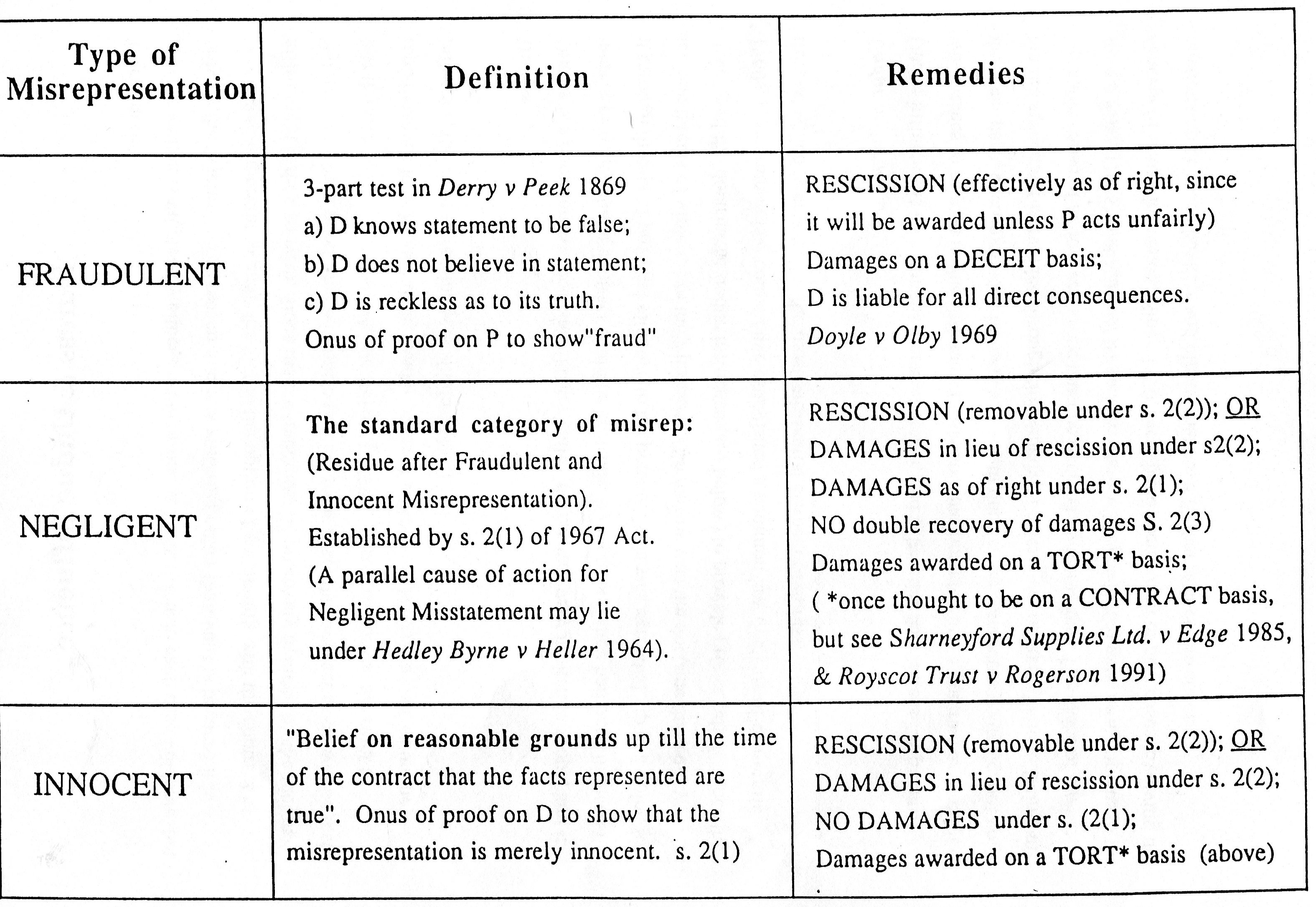
What if the insurer wants to keep the client, but significantly raise the price? The client still needs time to shop. Under Pennsylvania Act 86, an insurer must provide at least 30 days' advance notice to a commercial property insured regarding an increase in renewal premium.
The Unearned Premium Rule When a policy is cancelled midterm, there is always leftover money—the "unearned premium." Who initiated the cancellation determines how fast that money must be returned.
- Insurer-Initiated: When a Pennsylvania commercial property policy is cancelled midterm by the insurer, unearned premium must be returned within 10 business days of the termination date. (The insurer disrupted the business; they must return the cash immediately so the business can buy replacement coverage).
- Insured-Initiated: When a Pennsylvania commercial property policy is cancelled midterm by the insured, the insurer must return unearned premium within 30 days of the termination date. (The client voluntarily left, granting the insurer standard administrative time to process the refund).
Personal Property and Homeowners Rules
The rules shift slightly when protecting an individual homeowner.
Pennsylvania insurers must provide at least 30 days' advance written notice to nonrenew a personal property insurance policy. Likewise, Pennsylvania insurers must provide at least 30 days' advance written notice to cancel a personal property insurance policy, and at least 30 days' advance written notice of an increase in renewal premium for personal property policies.
However, the "reason" an insurer can cancel a homeowner's policy depends entirely on how long the ink has been dry.
When a new policy is written, the insurer enters a "honeymoon period" where they can investigate the property. An insurer may cancel a new Pennsylvania homeowners policy for any valid reason if the policy has been in effect for less than 60 days.
But once that 60-day window closes, the contract is locked in. Once a Pennsylvania personal property policy has been in effect for 60 days, midterm cancellation is only allowed for specifically enumerated statutory reasons.
What are those statutory reasons? Midterm cancellation of a Pennsylvania homeowners policy in effect for 60 days or more is permitted if:
- The insured fails to pay the premium.
- The insured made a material misrepresentation.
- There is a substantial increase in the hazard insured against. (For example, the homeowner legally started storing commercial fireworks in their basement—fundamentally altering the risk).
Notice the word substantial. Mere suspicion of a change in property condition is not a legally sufficient reason for an insurer to cancel or nonrenew a Pennsylvania homeowners policy. An insurer cannot cancel a family's policy because an inspector "thinks" the roof looks slightly older than reported. They need concrete proof of a substantial hazard increase.
Universal Policyholder Protections
Regardless of whether a policy is commercial or personal, Pennsylvania enforces universal rights for the policyholder.
If an insurer terminates coverage, they cannot just say "we don't want you anymore." A Pennsylvania cancellation or nonrenewal notice must state the specific factual and legal reasons for the termination of coverage.
If the client feels the cancellation is unjust or violates the law, they are not powerless. Pennsylvania policyholders have 10 days from the receipt of a cancellation or nonrenewal notice to request a review by the Pennsylvania Insurance Commissioner.
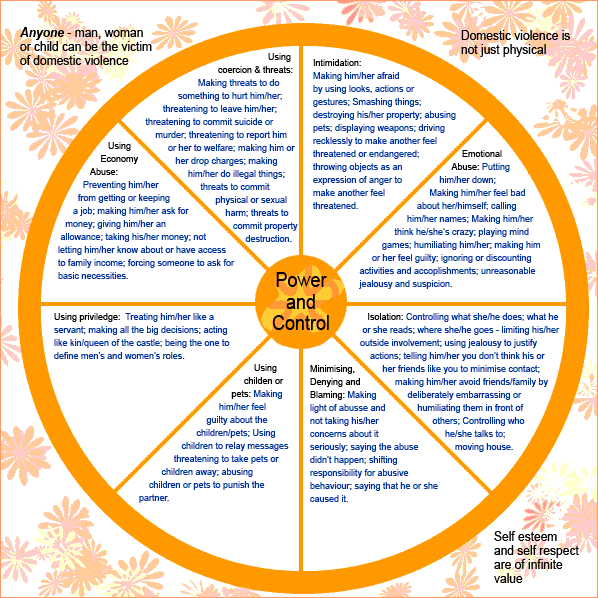
The state also recognizes profound social realities that intersect with insurance. Pennsylvania insurers are prohibited from cancelling or refusing to renew a property insurance policy solely because the insured is a victim of abuse. Punishing a victim of domestic violence by stripping away their home insurance because of property damage caused by their abuser is strictly illegal.
Finally, when an insurer drops a client, they cannot simply leave them in the dark. A Pennsylvania property insurance cancellation notice must advise the insured of potential eligibility for the Pennsylvania FAIR Plan.
What happens when the standard (voluntary) market universally rejects a risk? Imagine a family living in an older, urban rowhome with outdated wiring, or a business operating in a historically high-crime neighborhood. If private insurers refuse to write the policy, the property becomes uninsurable, meaning it cannot be mortgaged, sold, or safely inhabited.

To prevent this systemic economic failure, the Pennsylvania FAIR Plan serves as the state's residual market mechanism for basic property insurance.
The Pennsylvania FAIR Plan makes property insurance available to individuals unable to secure coverage in the voluntary insurance market.
How the FAIR Plan Works
This is not a government handout. The Pennsylvania FAIR Plan is supported entirely by participating property insurers rather than by state or federal tax funds.
To ensure the burden is shared equally, every property insurer authorized to write property coverage in Pennsylvania is required to participate in the Pennsylvania FAIR Plan. If an insurer wants the privilege of writing profitable, low-risk homes in the Pennsylvania suburbs, they are legally compelled to absorb a proportionate share of the high-risk properties in the FAIR Plan pool.
To utilize this market, the applicant must meet a fundamental legal threshold: To be eligible for the Pennsylvania FAIR Plan, an applicant must have an insurable interest in real or tangible personal property located within Pennsylvania.
Coverage Details and Limitations
Because the FAIR Plan is a safety net, it offers a mattress, not a luxury suite. It provides basic coverage.
The Pennsylvania FAIR Plan issues basic property insurance policies that cover fire, lightning, extended coverage, and vandalism and malicious mischief.
Crucially, you must understand what it omits.
- The Pennsylvania FAIR Plan does not provide standard property insurance coverage for liability. If a guest slips and falls on the property, the FAIR Plan will not defend the homeowner in court.
- The Pennsylvania FAIR Plan does not provide standard property insurance coverage for flood.
The plan also caps the total financial exposure the industry pool must absorb:
- The maximum limit of liability available through the Pennsylvania FAIR Plan for residential dwelling buildings and contents combined is $500,000.
- The maximum limit of liability available through the Pennsylvania FAIR Plan for commercial properties is $750,000.
Furthermore, an empty building is an attractive nuisance for arson and vandalism. Therefore, the Pennsylvania FAIR Plan applies reduced maximum coverage limits for vacant or unoccupied properties.

Just as the FAIR Plan acts as a residual mechanism for property, Pennsylvania has a highly unique statutory excess market for medical professional liability (malpractice) insurance.
Historically, Pennsylvania faced a severe medical malpractice crisis. Lawsuits were frequent, jury awards were massive, and voluntary insurers were fleeing the state, leaving surgeons and hospitals without liability coverage. To keep doctors practicing in Pennsylvania, the legislature created a "layer cake" approach to medical liability.

The Medical Care Availability and Reduction of Error Fund serves as a statutory excess liability fund for Pennsylvania healthcare providers.
The Medical Care Availability and Reduction of Error Fund is commonly known as Mcare.
The Layer Cake of Coverage
To understand Mcare, you must understand how the layers of coverage stack on top of each other.
Participation in the Pennsylvania Mcare Fund is mandatory for hospitals and physicians conducting 50 percent or more of their healthcare practice in the state.
However, Mcare does not act as "dollar-one" coverage. The doctor must bring their own baseline insurance to the table first. Participating Pennsylvania healthcare providers must carry basic primary medical professional liability insurance through the voluntary market to qualify for Mcare.
- The Primary Layer: The minimum primary medical professional liability coverage required for participating Pennsylvania physicians is $500,000 per occurrence. (They buy this from standard commercial insurers).
- The Excess Layer: Once a lawsuit exhausts that initial $500,000, Mcare steps in. The Pennsylvania Mcare Fund provides an additional $500,000 layer of excess coverage per occurrence above the healthcare provider's primary insurance limits.
Funding Mcare
Like the FAIR Plan, Mcare is not funded by income taxes or sales taxes on the general public. It is a self-sustaining ecosystem within the healthcare industry. The Pennsylvania Mcare Fund is financed through annual assessments paid by participating healthcare providers. Every doctor and hospital pays their fair share into the fund, ensuring that if a catastrophic malpractice claim occurs, the state's healthcare system remains solvent and operational.
Summary Checklist for the Producer
As a producer, your job is to translate these statutes into operational reality for your clients. Keep this mental matrix sharp:
- Commercial Property (Act 86): 60 days nonrenew / 60 days midterm cancel / 15 days nonpay or misrep.
- Personal Property: 60-day open cancellation window for new business. After that, locked down to statutory reasons. 30 days notice across the board.
- Unearned Premium: 10 business days if the insurer cancels; 30 days if the client cancels.
- FAIR Plan: Property only (no liability/flood). $500k residential / $750k commercial limit. No tax funding.
- Mcare: $500k primary (voluntary) + $500k excess (Mcare). Mandatory for 50%+ PA practice.