Texas Unfair Trade Practices & Claims Settlement
Not sure you’re ready?
Take the ~3-minute readiness diagnostic and see where you stand.
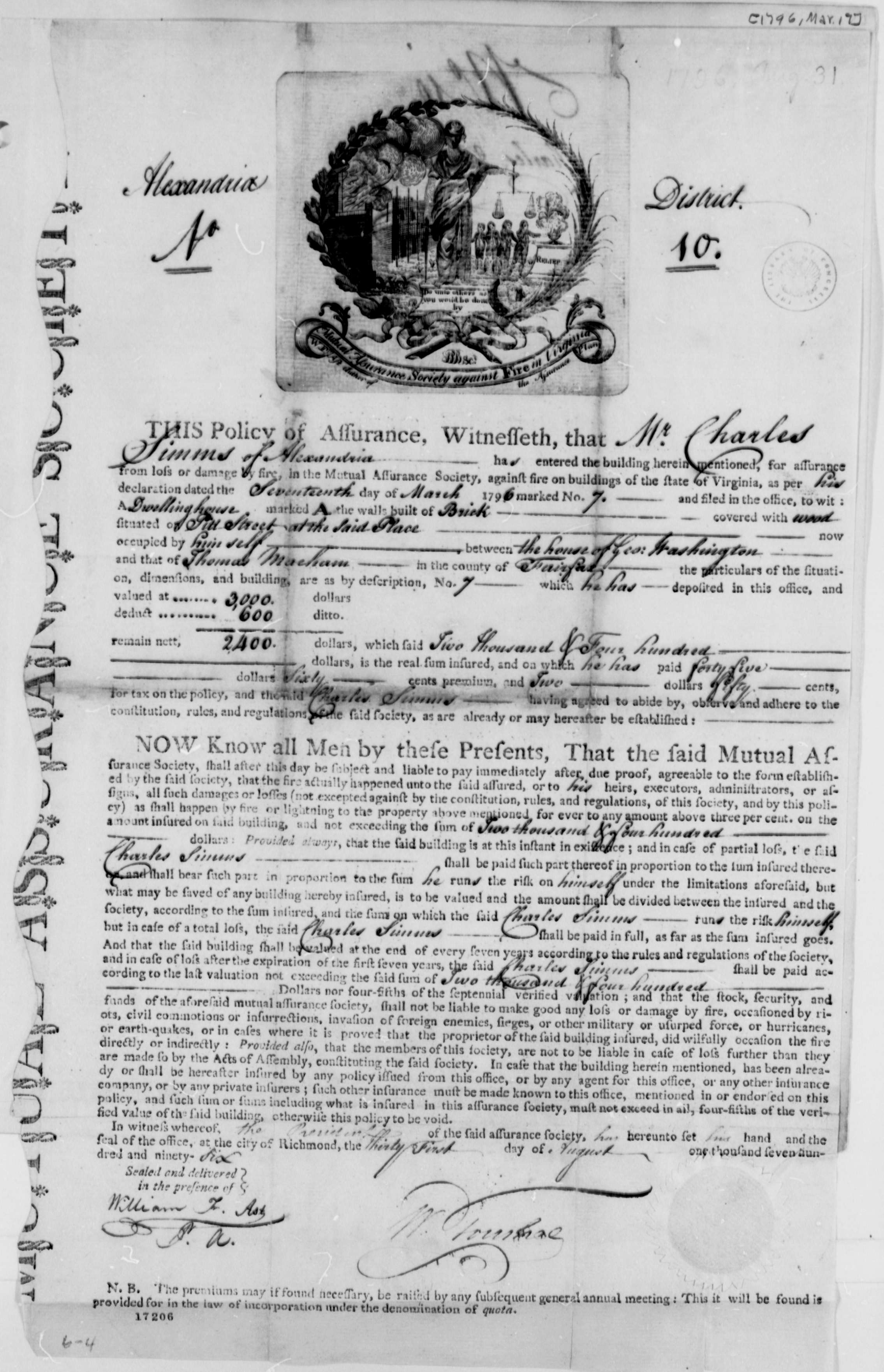
Insurance is not a tangible good like a steel beam or a tractor. It is a piece of paper that contains a promise. When a policyholder purchases a property and casualty policy, they are trading present capital for future security, trusting that if catastrophe strikes, the insurer will honor that piece of paper. Because the insurer holds the capital and the policyholder holds only a promise, an immense asymmetry of power exists. To prevent this dynamic from devolving into exploitation, the Texas Department of Insurance (TDI) enforces a strict legal scaffolding governing how policies are sold, how risk is classified, and how claims are paid.
For a Texas insurance professional, mastering these statutes is not just about passing an exam; it is about understanding the boundaries of ethical commerce in a system entirely reliant on trust.
The Texas Insurance Code draws clear lines around how insurance products can be marketed and sold. Crossing these lines constitutes an unfair trade practice, which fundamentally distorts the marketplace.
Deception in the Marketplace
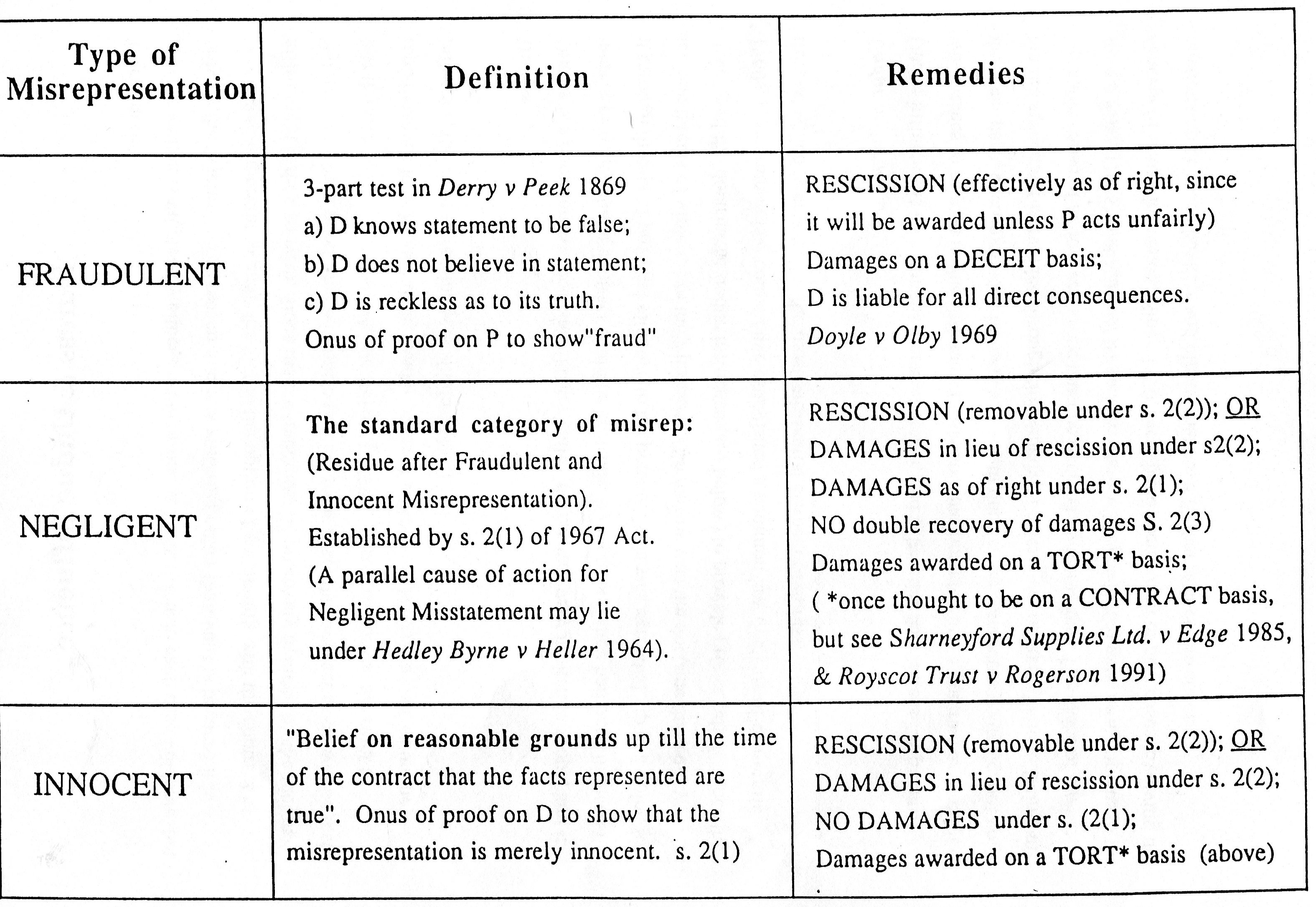
The foundation of a fair market is accurate information. Therefore, under Texas law, misrepresenting the terms, benefits, or advantages of an insurance policy is a strictly prohibited unfair trade practice. A producer cannot tell a coastal homeowner that their standard policy covers flood damage when it explicitly excludes it.
Furthermore, this prohibition extends to the financial mechanisms of the policy and the insurer itself:
- Dividends and Surplus: Making false or misleading statements regarding the dividends or share of surplus to be received on an insurance policy is a prohibited unfair trade practice. You cannot promise a commercial client a 10% dividend return at the end of the year if that return is not guaranteed.
- Advertising: Using false, misleading, or deceptive advertising in the business of insurance is broadly prohibited.
- Financial Deception: At the corporate level, filing false financial statements with any public official with the intent to deceive is a severe unfair trade practice. The state relies on these statements to ensure insurers remain solvent and capable of paying claims.
Anti-Competitive Behavior
Free markets require fair competition. Texas strictly prohibits aggressive, market-cornering tactics:
- Defamation: In the insurance world, defamation occurs when an individual makes maliciously critical or derogatory statements about an insurer's financial condition specifically to injure that insurer. Spreading a baseless rumor that a rival carrier is on the verge of bankruptcy to steal their clients is illegal.
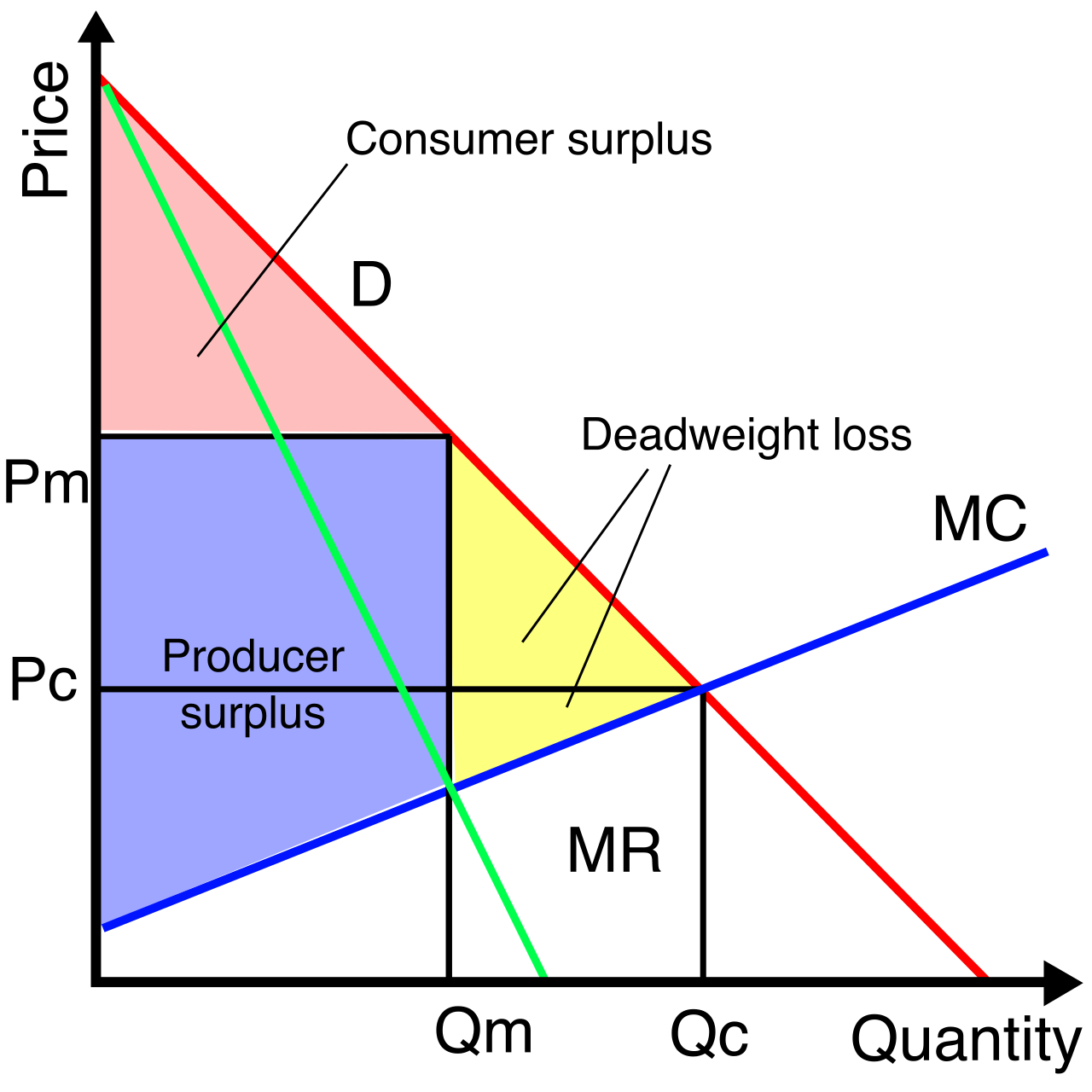
- Boycott, Coercion, and Intimidation: Using these aggressive tactics is prohibited if the goal is to create an unreasonable restraint of the insurance business, or to create a monopoly in the insurance business.
Insurance is the mathematics of risk. Charging different premiums to different people is the very nature of underwriting, but it must be driven by data, not prejudice. Texas law draws a hard line between protected classes and actuarially justified risk factors.
Strict Prohibitions: Texas law strictly prohibits an insurer from refusing to insure a person, or charging different premium rates to individuals, solely because of the person's race, religion, or national origin. These factors have no legal or ethical place in the mathematics of risk.
Conversely, there are factors that can influence risk, but insurers cannot use them arbitrarily. Without verifiable math to back up the decision, using these factors constitutes an unfair discrimination practice in Texas. Specifically, insurers are prohibited from refusing to insure an individual, or charging a different premium rate, solely based on the following factors without actuarial justification:
Why this matters: If a carrier charges a 19-year-old male driver double the premium of a 45-year-old married female, they must have the actuarial data proving that 19-year-old males yield statistically higher auto losses. Without the math, it is illegal discrimination.
To maintain a level playing field, Texas prohibits manipulating a client's purchasing decision through outside financial incentives or leveraging outside power.
Rebating
Rebating is the illegal practice of offering a premium discount or any other thing of value not specified in the insurance policy as an inducement to purchase insurance.
If you are selling a massive commercial liability policy to an oilfield contractor, you cannot legally promise a portion of your commission to that prospective client to induce them to buy the policy. You cannot offer them season tickets to the Dallas Cowboys, either. If the benefit is not written in the policy contract, offering it is rebating. It creates an underground, unregulated pricing structure that harms consumers who do not know how to demand "under-the-table" kickbacks.
Tie-In Sales
A tie-in sale is an illegal practice where a lender requires a borrower to purchase insurance from a specific agent or insurer as a condition for loan approval. Example: A bank officer cannot tell a prospective homeowner, "We will only approve this mortgage if you buy your homeowners insurance through our in-house agency." The lender can require the borrower to have insurance to protect the collateral, but they cannot dictate who the borrower buys it from.
The true product of an insurance company is delivered at the moment of loss. Texas aggressively regulates how insurers handle claims to prevent carriers from using their massive legal and financial resources to wear down desperate policyholders.
The following actions are classified as unfair claims settlement practices:
- Misrepresenting coverages: Misrepresenting material facts or policy provisions related to the coverages at issue to claimants.
- Failing to settle: Failing to attempt in good faith to effectuate a prompt, fair, and equitable settlement when the insurer's liability has become reasonably clear. Once the carrier knows they owe the money, they must pay it fairly.
- Ignoring the insured: Failing to promptly acknowledge communications regarding an insurance claim.
- Blind denials: Refusing to pay an insurance claim without conducting a reasonable investigation based upon all available information. An insurer cannot simply deny a hail damage claim from a desk without looking at the data or sending an adjuster.
- Stalling after proof of loss: Failing to affirm or deny insurance coverage within a reasonable time after receiving a completed proof of loss.
- Lowballing to force lawsuits: Compelling insureds to institute litigation by offering substantially less than the amounts ultimately recovered. If a carrier owes $100,000 but offers $20,000, hoping the insured won't have the energy to sue, they have committed an unfair claims settlement practice.
To ensure the "reasonable timeframes" mentioned above are strictly enforced, Texas relies on the Texas Prompt Payment of Claims Act. This law places rigid, statutory clocks on the life cycle of a claim. You must memorize the differences in deadlines between a standard insurance carrier and a surplus lines insurance carrier.
Step 1: Initial Response
When an insurer receives notice of a claim, the clock starts.
- Standard Carriers: A standard insurance carrier must acknowledge receipt of the claim, commence a claim investigation, and request all necessary items and forms from the claimant within 15 calendar days of receiving notice.
- Surplus Lines Carriers: A surplus lines insurance carrier (who typically handles higher-risk, non-standard policies) has 30 business days to acknowledge receipt, commence the investigation, and request all necessary items and forms.
Step 2: The Decision
Once the carrier receives all the requested information (the completed proof of loss, estimates, etc.), a new clock starts for making a decision.
- A standard insurance carrier must notify a claimant of the acceptance or rejection of a claim within 15 business days after receiving all requested information.
- Extension: Complex claims take time. An insurance carrier may extend this claim decision deadline for up to 45 days if the carrier notifies the claimant in writing of the reasons additional time is needed.
Step 3: Payment
Once a claim is accepted, the insurer must issue the funds promptly.
- Standard Carriers: If accepted, a standard carrier must pay the claim within 5 business days after notifying the insured of the acceptance.
- Surplus Lines Carriers: If accepted, a surplus lines carrier must pay the claim no later than the 20th business day after notifying the insured of the acceptance.
The Catastrophe Exception
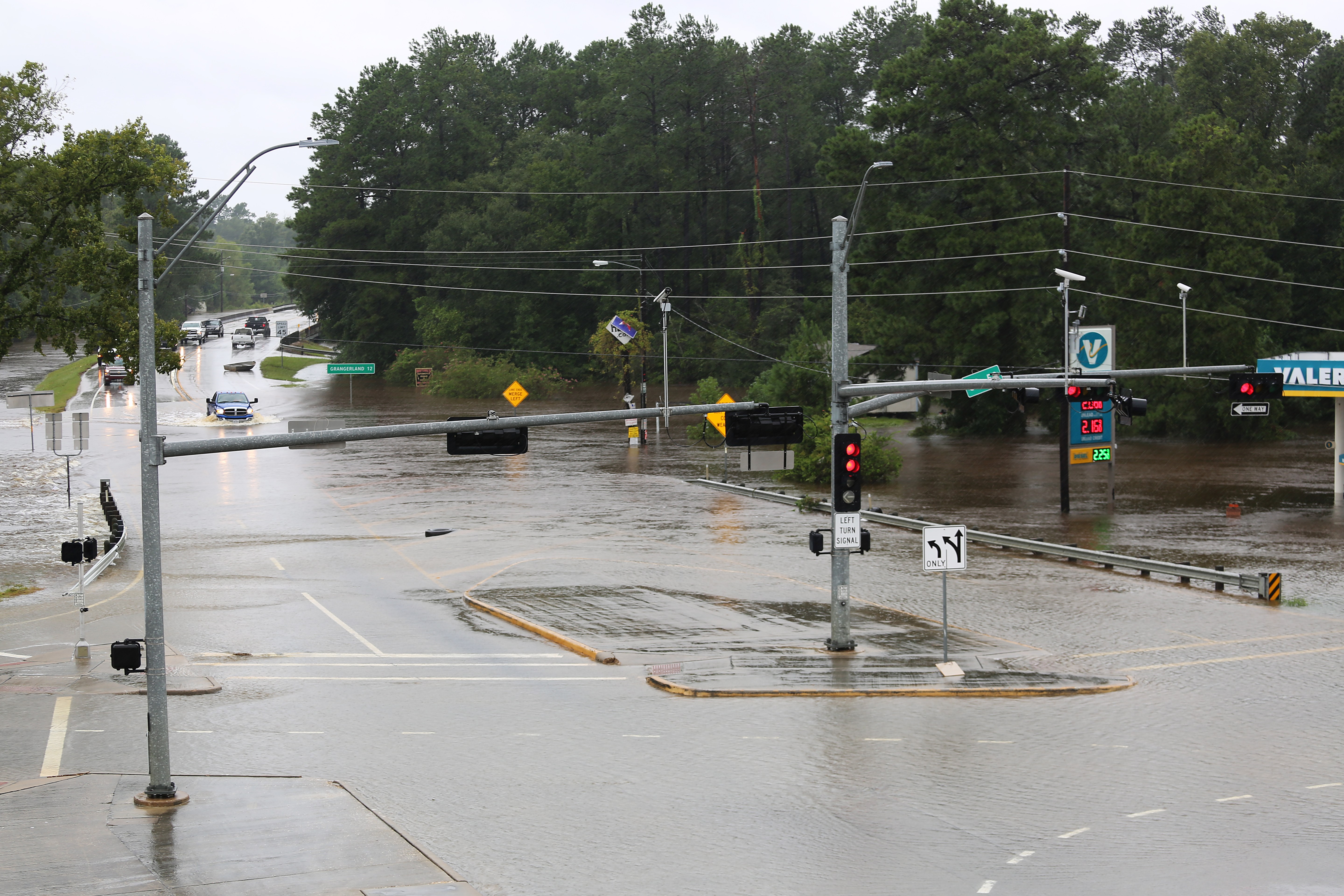
Texas is no stranger to hurricanes, tornadoes, and massive hailstorms. When a massive event results in thousands of claims overnight, insurers physically cannot meet the standard deadlines. In the event of a weather-related catastrophe, the Texas Department of Insurance may issue an order extending the claim-handling deadlines for insurers.
Laws are only as effective as their enforcement mechanisms. The TDI wields significant authority to punish rogue producers and insurers.
Administrative Penalties
If a person is found to be engaging in a prohibited unfair trade practice, the TDI may issue a cease and desist order commanding them to stop the behavior immediately.
- The maximum administrative penalty the TDI can impose for violating the Texas Insurance Code is $25,000 dollars per violation.
- Do not underestimate the compound nature of this penalty: Each day a violation of a TDI cease and desist order continues constitutes a separate violation for administrative penalty purposes. Ignoring an order for ten days quickly becomes a $250,000 fine.
- The TDI can also require a licensee who commits an unfair trade practice to pay monetary restitution directly to the harmed consumer.
License Actions Against Producers
For aspiring insurance producers, your license is your livelihood. An insurance agent found guilty of committing fraud or an unfair trade practice faces severe professional consequences. The TDI may:
- Have the agent's insurance license suspended.
- Have the agent's insurance license revoked.
- Have the agent's license renewal denied.
Prompt Pay Act Penalties
When insurers fail to beat the ticking clock of the Prompt Payment of Claims Act, the financial penalties are designed to sting:
- Standard Penalty: If an insurer violates the standard Texas Prompt Payment of Claims Act deadlines, the insurer is liable for the amount of the claim, plus 18 percent annual penalty interest.
- Attorney Fees: Furthermore, if an insurer violates the Act, the insurer is strictly required to pay the claimant's reasonable and necessary attorney fees.
- Weather-Related Exception: For property damage claims arising from weather-related natural disasters (which place immense strain on carrier logistics), the penalty interest rate for late payment under Texas law is adjusted to 5 percent plus the prejudgment interest rate.
Treble Damages
In civil actions regarding these practices, Texas law allows for punitive multipliers for egregious behavior.
- Treble damages allow a harmed Texas policyholder to recover three times the amount of the policyholder's actual damages.
- However, to recover treble damages for an unfair trade practice, a Texas policyholder must clear a high legal bar: they must prove the insurance company acted intentionally or knowingly. Mistakes or bureaucratic delays yield standard penalties; willful exploitation triggers treble damages.
As a Texas insurance professional, you are the steward of the promise. Understanding these statutes ensures that the financial safety net you sell remains intact, fair, and rapidly responsive when your clients need it most.