Texas Property Insurance Laws & Residual Markets
Not sure you’re ready?
Take the ~3-minute readiness diagnostic and see where you stand.
Insurance is a mathematical architecture designed to absorb the chaos of the physical world. When a hurricane strikes the Texas Gulf Coast or a fire consumes a home in the Panhandle, the abstract promises made in an insurance contract suddenly collide with physical devastation. Because the policyholder is at an extreme informational and financial disadvantage during this collision, Texas property insurance law heavily regulates how insurers interact with their customers. A property and casualty producer is not just a salesperson; you are the navigator of these statutory rules. To serve your clients and protect your license, you must understand precisely how Texas law governs the lifecycle of a policy—from the strict timelines of cancellation and nonrenewal to the residual markets that act as the state's ultimate safety nets.
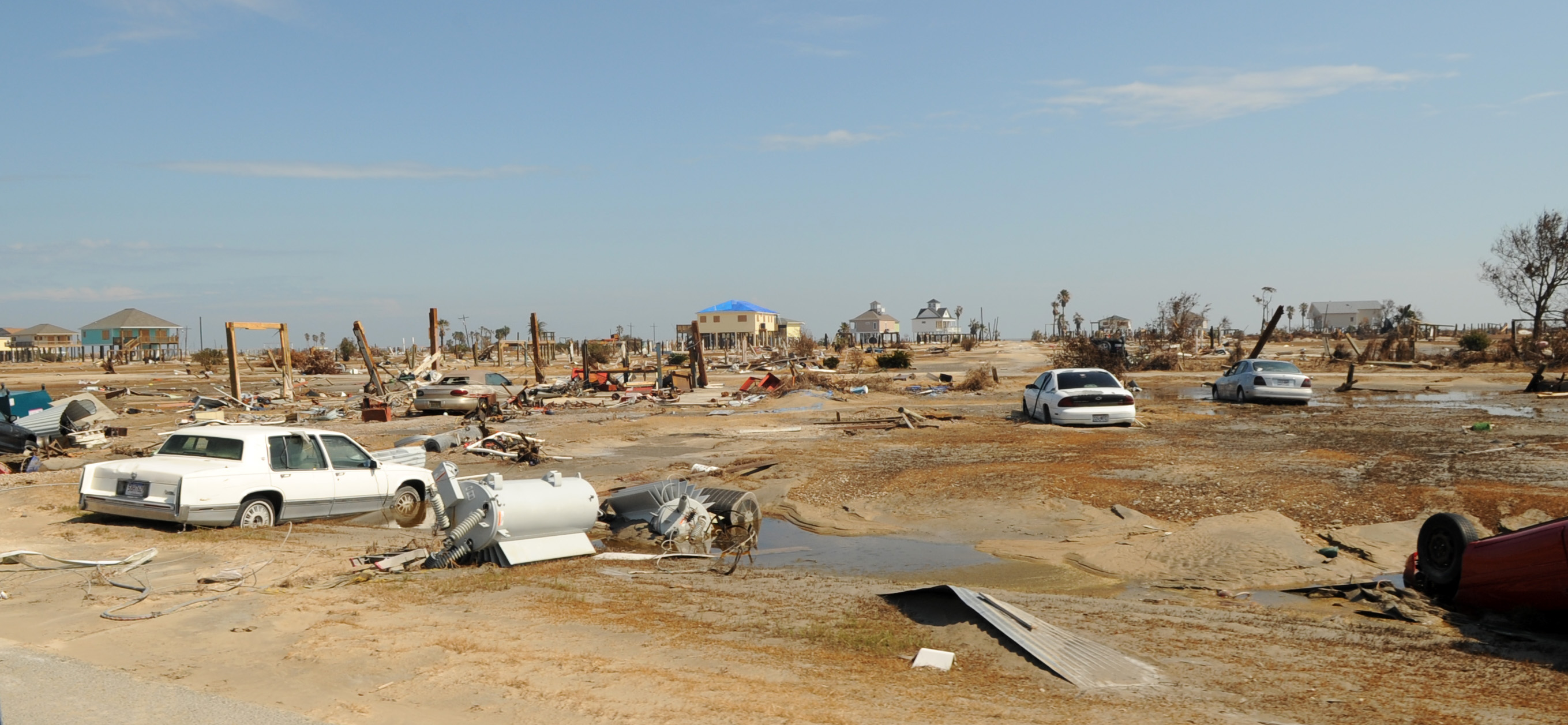
To understand how an insurance policy ends, you must distinguish between cancellation (terminating a policy in the middle of its active term) and nonrenewal (refusing to issue a new policy after the current one expires). Because sudden loss of coverage can trigger mortgage defaults and leave homeowners dangerously exposed, Texas imposes rigid guardrails on these processes.
The 60-Day Underwriting Window
When a new residential property policy is issued, the insurer enters a short probationary period. During the first 60 days of a new residential property policy, a Texas insurer may cancel the coverage for any lawful reason without being restricted to statutory exceptions. Think of this as the insurer's window to verify that the physical reality of the property matches the application.
However, once that 60-day window closes, the contract is locked in. A Texas insurer is prohibited from canceling a residential property policy that has been active for more than 60 days without a specific statutory reason.
Valid statutory reasons for canceling an active Texas residential property policy after 60 days are strictly limited to:
- Premium nonpayment (the insured broke the fundamental financial agreement).
- Insurance fraud (the insured lied to manipulate the risk pool).
- Hazard increase (the insurer discovers a hazard that is within the insured's control and directly increases the premium rate—for instance, the homeowner started manufacturing fireworks in their garage).
Notice Requirements
If an insurer decides to terminate coverage, they cannot simply quietly close the file. They must give the insured time to find replacement coverage.
- Cancellations: A Texas insurer must provide at least 10 days' written notice to the insured before the effective date of canceling a personal property policy.
- Nonrenewals: Because nonrenewals happen at the end of a policy term, insurers have more lead time. An insurer must give a policyholder at least 60 days' written notice before the effective date of nonrenewing a residential property insurance policy.
Furthermore, transparency is legally mandated. Texas insurers must provide a written statement detailing the precise reasons for declining, canceling, or nonrenewing a property insurance policy. Vague excuses are illegal; the consumer has a right to know exactly what risk factor caused the termination.
Imagine a client calls you, their agent, terrified because a severe hailstorm just rolled through. They want to ask if they should file a claim or pay out of pocket. If an insurer could drop a client just for asking that question, the concept of insurance would collapse into fear.
To prevent this, under Texas insurance law, an insurer cannot use a customer inquiry about a policy as the basis for declining, canceling, or nonrenewing residential property coverage.
Texas also strictly limits how insurers can use actual claims history to justify nonrenewal, specifically distinguishing between events the homeowner cannot control (weather) and events they must manage (maintenance).
Natural Causes vs. Appliance Claims
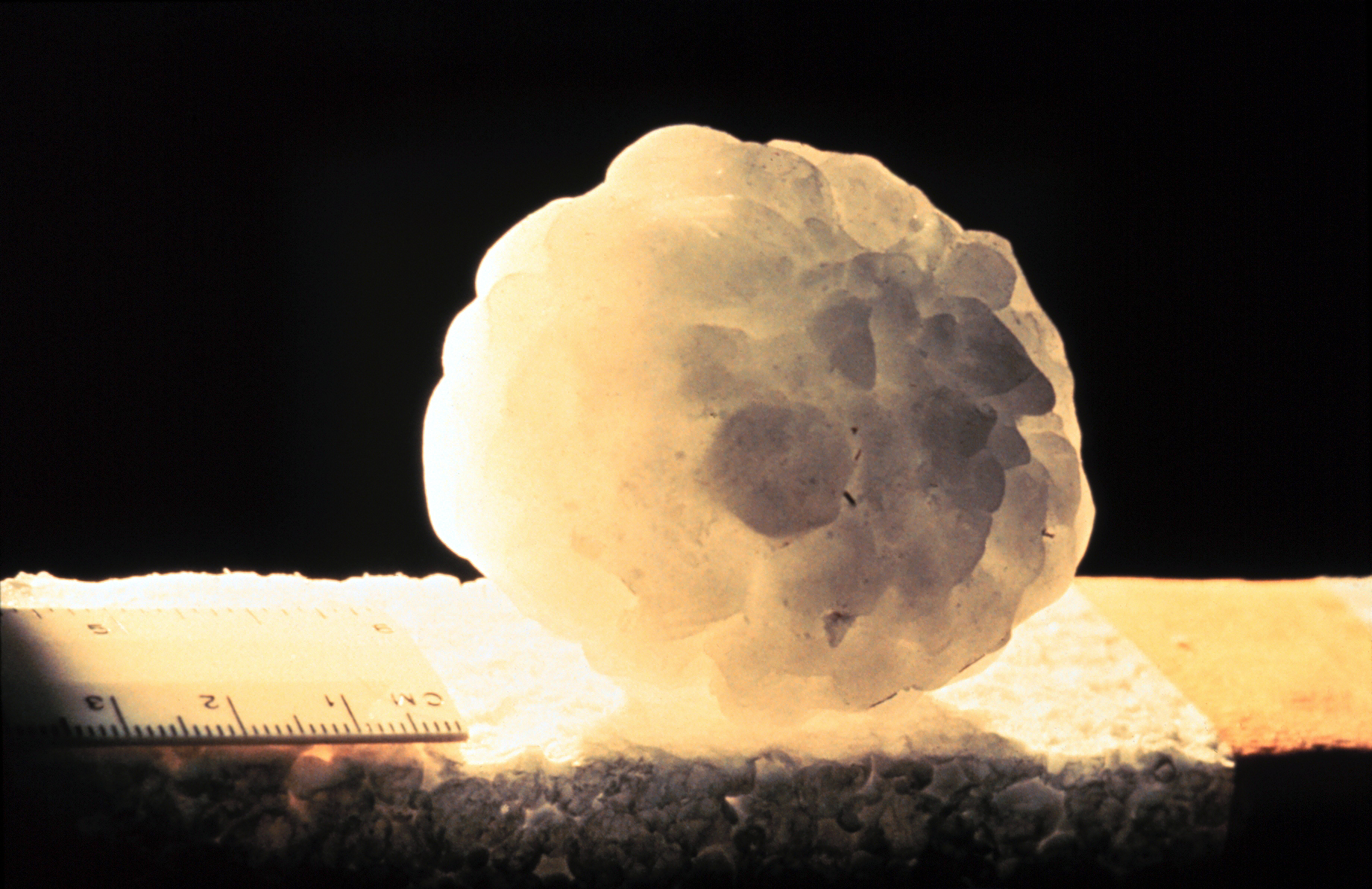
You cannot control the sky. Therefore, a Texas insurer cannot nonrenew a homeowner's policy based solely on the fact that the insured filed a claim for damages caused by natural causes. Furthermore, Texas property insurers are explicitly prohibited from considering weather-related claims when determining whether to nonrenew a residential property policy due to high claim frequency.
Appliance leaks, however, are a different story, because they eventually cross the line from "accidents" into "deferred maintenance."
- The Single-Claim Protection: A Texas insurer is prohibited from nonrenewing a homeowner's policy based on a single appliance-related water damage claim, provided the damage was properly repaired and the repair was certified.
- The Three-Claim Rule: The protection does not last forever. If a Texas policyholder files three or more appliance-related water damage claims within a three-year period, the insurer is legally permitted to use those claims as a basis for policy nonrenewal.
Sometimes, the private (voluntary) insurance market looks at a risk—perhaps a home with a terrible claims history, or a beach house sitting directly in the path of Gulf Coast hurricanes—and refuses to write a policy. Because modern society requires property insurance (you cannot secure a mortgage without it), Texas maintains residual-market mechanisms. These are the insurers of last resort.
The Texas FAIR Plan Association
The Texas FAIR Plan Association serves as the state's insurer of last resort for residential property owners who are unable to obtain coverage in the voluntary private insurance market.
Crucial Rule: The Texas FAIR Plan Association does not sell policies directly to the public. Applications for Texas FAIR Plan Association coverage must be submitted through a property and casualty agent licensed in the state of Texas.
To qualify, an applicant must prove they are truly locked out of the standard market. This requires proof of coverage denial from at least two licensed insurance companies actively writing property insurance in Texas.
Because the FAIR Plan is a safety net, not a permanent hammock, policyholders are required to reapply for coverage in the voluntary insurance market every two years to maintain eligibility. The goal is always to push the risk back into the competitive private market if conditions improve.
The Texas Windstorm Insurance Association (TWIA)
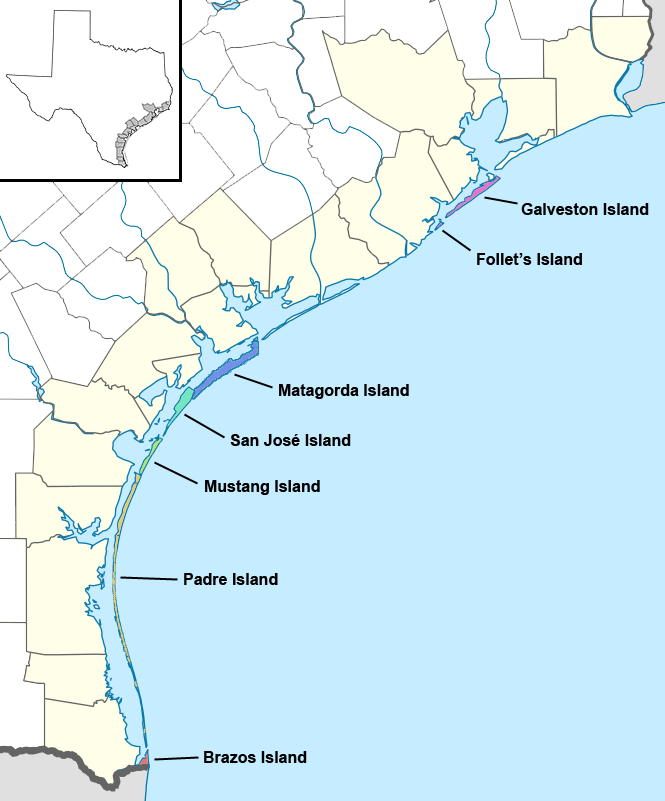
While the FAIR plan covers general property risks statewide, coastal wind requires a specialized pool. The Texas Windstorm Insurance Association (TWIA) provides windstorm and hail insurance for property owners in 14 first-tier coastal counties and parts of Harris County.
Understand exactly how narrow this coverage is:
- A TWIA policy only covers property damage caused by wind and hail.
- It explicitly excludes coverage for all perils other than wind and hail.
There is an important geographic intersection between these two residual markets: The Texas FAIR Plan Association does not provide wind and hail coverage for properties located in designated coastal catastrophe areas that qualify for TWIA coverage. They stay in their respective lanes.
TWIA Eligibility Requirements
To get a TWIA policy, an applicant must meet strict underwriting criteria:
- Denial: They must have been denied windstorm and hail coverage by at least one authorized private insurer (unlike the FAIR plan's two-denial requirement).
- Building Codes (WPI-8): Property eligibility requires a WPI-8 Certificate of Compliance from the Texas Department of Insurance. This certificate proves that a coastal property's construction, alterations, or repairs meet applicable Texas windstorm building codes. If TWIA is going to insure a house against a hurricane, the house must be built to withstand one.
- Flood Insurance Integration: Because hurricanes bring storm surge, TWIA does not want to pay for wind damage when the real culprit was water. Therefore, TWIA policies strictly exclude coverage for flood damage. To enforce this separation of perils, properties located in designated high-hazard V flood zones constructed or repaired after September 1, 2009, must carry a separate flood insurance policy to be eligible for TWIA coverage.
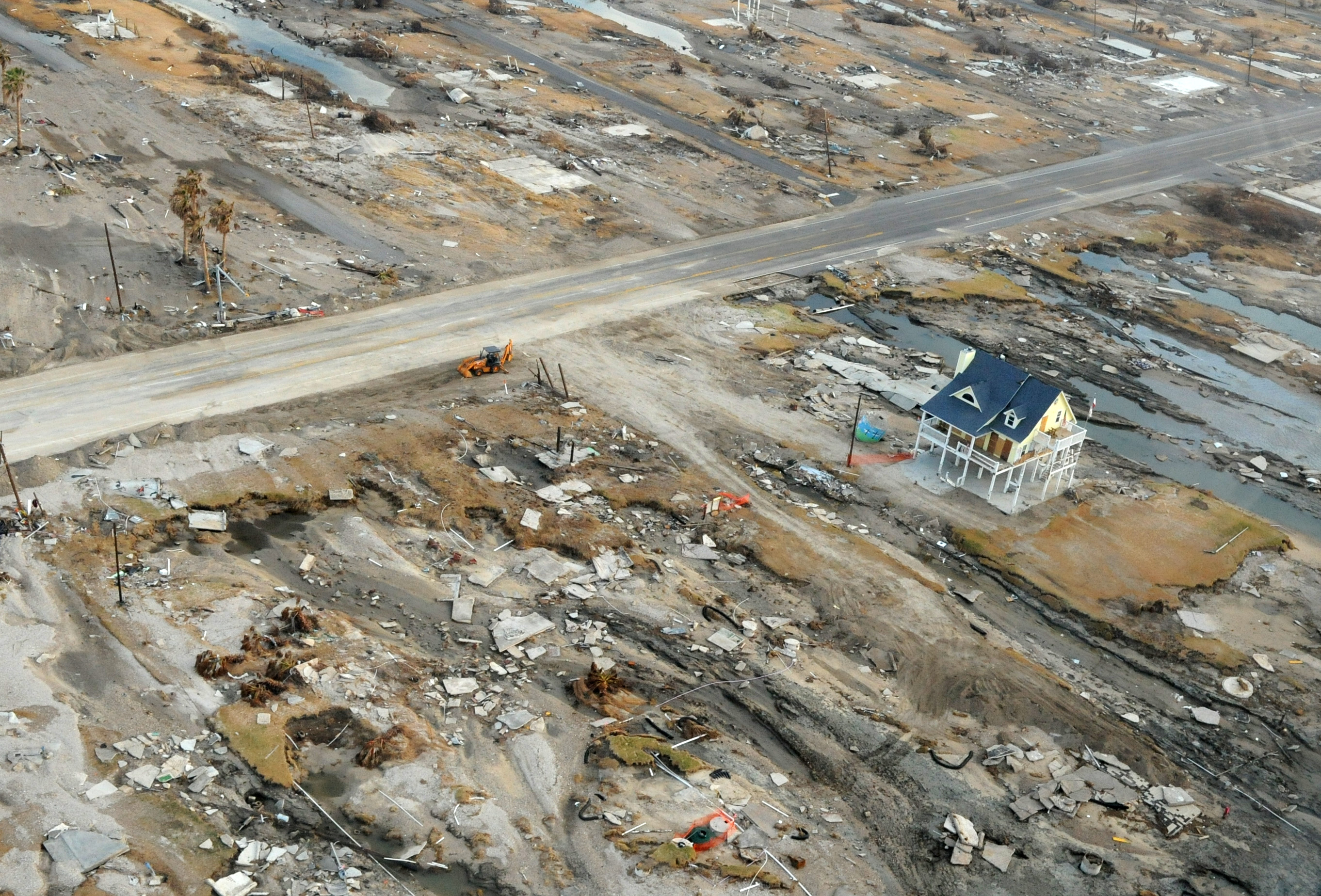
When a loss occurs, the abstract policy becomes a concrete financial transaction. Texas law regulates exactly how fast insurers must move, how total fires are valued, and who pays the deductible.
The Texas Prompt Payment of Claims Act
Insurers cannot drag their feet to pressure a desperate homeowner into a lowball settlement. The Texas Prompt Payment of Claims Act establishes a strict "15-15-5" metronome that insurers must follow:
| Phase | Deadline | Insurer Obligation |
|---|---|---|
| Initial Response | 15 business days | Acknowledge the claim, begin the investigation, and request necessary documentation from the insured after receiving notice of the claim. |
| Decision | 15 business days | Formally accept or reject the filed claim after receiving all requested items and forms from the policyholder. |
| Payment | 5 business days | Issue payment to the policyholder once the claim has been formally accepted. |
The Liquidated Demand Rule
If a home burns to the foundation, calculating the exact depreciated value of thousands of vanished boards and nails is an agonizing process. Texas simplifies this via a concept called "liquidated demand."
Under Texas insurance law, a fire insurance policy is considered a liquidated demand for the full policy amount in the event of a total loss by fire. This means if a home is insured for $300,000 and is totally destroyed by fire, the insurer owes $300,000. There is no negotiating depreciation on the structure.
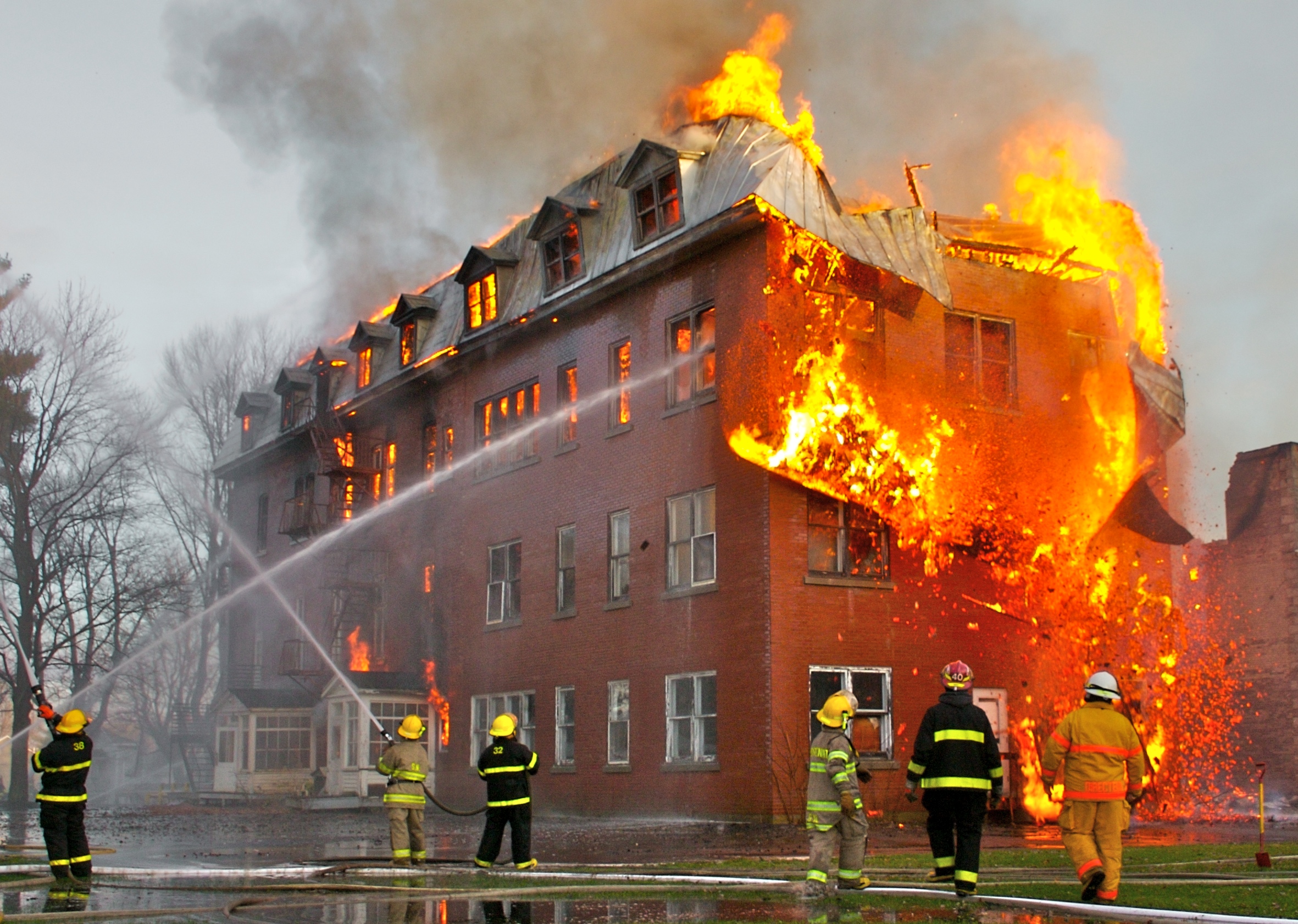
However, scope matters. The Texas liquidated demand provision for total fire losses applies exclusively to real property (the structures) and does not extend to personal property (the contents inside). The homeowner still has to prove the value of their destroyed furniture and electronics.
Deductibles and Anti-Fraud Protections
A deductible is the insured's financial "skin in the game." If homeowners do not pay their deductibles, the mathematical modeling of the insurance pool breaks down.
Historically, aggressive roofing contractors would offer to "eat" the homeowner's deductible to win their business. This is fraud. Under Texas law, it is illegal for a roofing contractor or other service provider to waive, rebate, or absorb any portion of a property owner's insurance deductible.
To enforce this, the law gives the insurer leverage. A Texas property insurer may lawfully refuse to pay a claim for repairs until the policyholder provides reasonable proof that the applicable insurance deductible has been paid (such as a canceled check or credit card receipt). This ensures the cost-sharing mechanism of the insurance contract functions exactly as mathematically intended.