Artificial Intelligence Concepts in IT
Not sure you’re ready?
Take the ~3-minute readiness diagnostic and see where you stand.
Imagine handing a brilliant, fast-talking intern a massive library of books but removing the index and their ability to fact-check. They will give you answers rapidly, with absolute confidence, but those answers might be entirely fabricated. This is the reality of modern artificial intelligence in the enterprise. For IT support professionals, AI is no longer a futuristic abstraction; it is an active variable generating help desk tickets, altering network traffic, and reshaping the boundaries of corporate data security. Understanding how AI functions beneath the surface, where its operational limitations lie, and how to safely implement it is fundamentally shifting the role of the desktop support specialist from simply fixing broken hardware to actively defending the integrity of corporate data.
To troubleshoot AI systems or guide end-users effectively, you must understand the engine driving the machine. When a user opens an AI chatbot, they often assume they are querying a highly advanced search engine—a repository of absolute truth. This is a fundamental misconception.
At a structural level, large language models generate responses by predicting the next most likely word in a sequence. They are sophisticated statistical engines, akin to smartphone autocomplete scaled up to billions of parameters. Because of this architecture, large language models do not reference a database of verified facts when generating conversational responses. They are not looking up the answer in a ledger; they are calculating the most statistically probable string of text based on their training.
Hallucinations and the Danger of Confidence
Because the model cares about probability rather than truth, it is prone to fabrication. Artificial intelligence hallucinations occur when a generative model fabricates illogical information. A user might ask an AI for a specific PowerShell script to fix a network printer, and the AI will happily invent a cmdlet that simply does not exist.
The danger for the IT technician is not just that the AI is wrong, but how it is wrong. Artificial intelligence models frequently present hallucinated false information as authoritative facts. The output will be formatted perfectly, written with absolute confidence, and completely fictitious. Consequently, IT support professionals must manually verify the factual accuracy of artificial intelligence-generated troubleshooting steps against official vendor documentation before executing them in a live environment.
The Problem of Bias
Furthermore, an AI model is only as neutral as the information fed into it. Biased training data causes artificial intelligence models to consistently produce skewed or prejudiced outputs. If a model is trained heavily on IT documentation that favors a specific vendor's networking protocols, its solutions will unfairly disregard alternatives, leading to skewed architectural recommendations.
When supporting users, you must clearly distinguish between public and private AI tools. The difference is not just cost; it is a matter of network topology and data sovereignty.
Public Artificial Intelligence Models
Public artificial intelligence models are hosted by third-party vendors (like OpenAI or Google) and are accessed by end users over the public internet.
When interacting with a public model, the user is essentially stepping off the corporate network and into a public square.
- Data Sourcing: Data sourcing for public artificial intelligence models relies heavily on scraping massive amounts of unverified information from the public internet. This vast, uncurated dataset contributes directly to the hallucination and bias issues mentioned earlier.
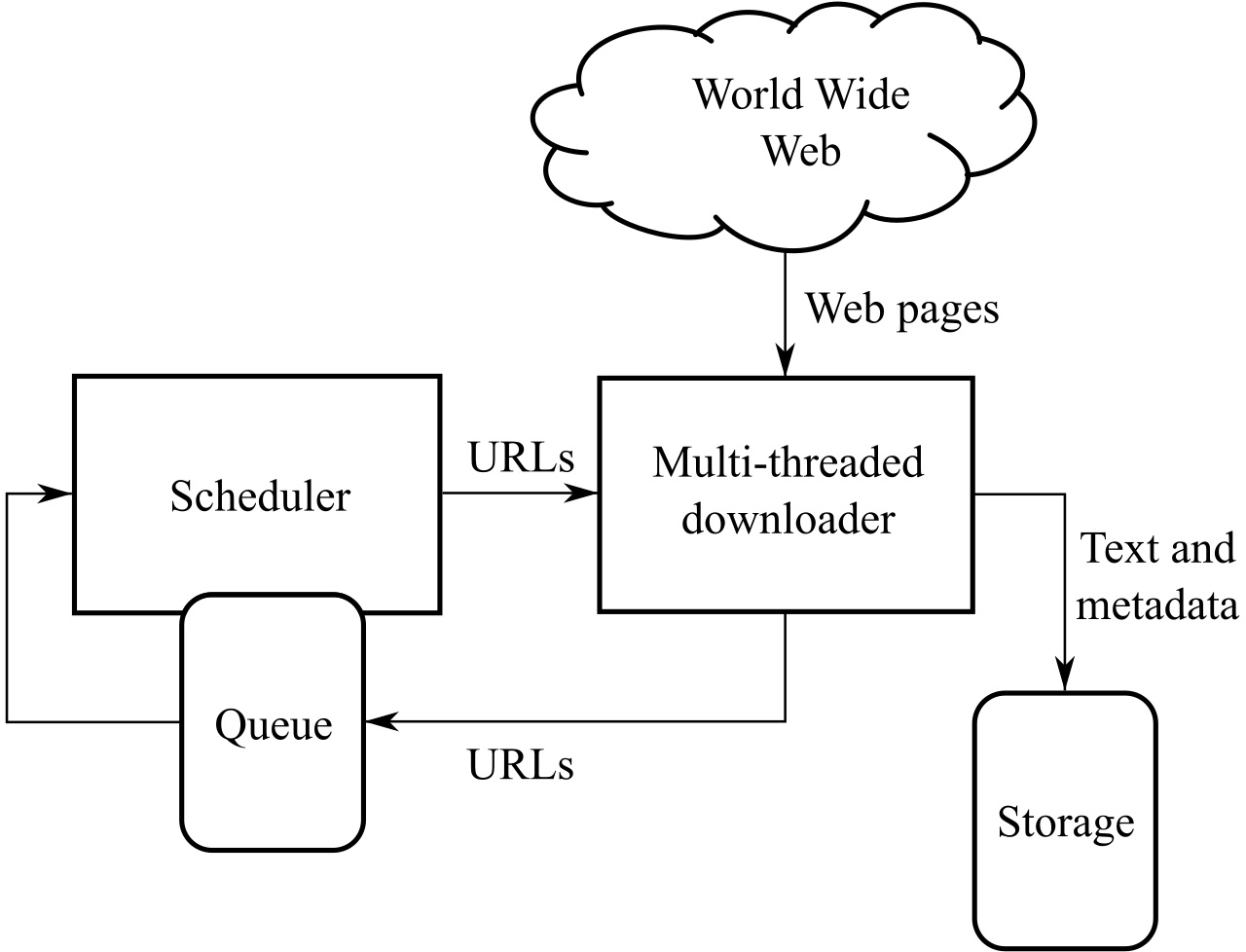
- Data Privacy: Most critically, public artificial intelligence models frequently use submitted user prompts to train future iterations of the underlying algorithm. If an employee asks a public AI to optimize a piece of code, that code may become part of the model's permanent memory, ready to be regurgitated to a competitor.
Private Artificial Intelligence Models
To mitigate these risks, enterprises are moving inward. Private artificial intelligence models are deployed internally within an organization's secure network or can be hosted on an organization's dedicated private cloud tenant.
- Security: By keeping the infrastructure in-house, private artificial intelligence models inherently provide stronger data security than public artificial intelligence models. They establish a strict boundary that prevents submitted organizational data from being shared with external third-party vendors.
- Data Sourcing: Instead of scraping the open internet, data sourcing for private artificial intelligence models utilizes vetted internal corporate documents. When an employee queries a private model about a company policy, the AI is referencing verified HR manuals, resulting in highly accurate, context-aware responses.
| Feature | Public AI Models | Private AI Models |
|---|---|---|
| Hosting | Third-party vendor infrastructure | Internal network or dedicated private cloud |
| Access | Public internet | Corporate LAN / VPN |
| Data Sourcing | Scraping massive unverified internet data | Vetted internal corporate documents |
| Privacy Risk | Prompts train future public algorithms | Prompts remain inside the organization |
One of the most common help desk scenarios today involves end-users attempting to leverage AI to do their jobs faster, inadvertently causing massive security incidents.
Corporate appropriate-use policies for artificial intelligence dictate the specific types of data employees are permitted to share with artificial intelligence platforms. These policies exist because feeding sensitive data into the wrong model creates catastrophic liability. Consider the following regulatory and legal hazards:
The Big Three AI Data Breaches:
- Privacy Regulations: Entering personally identifiable information (PII) into public artificial intelligence models violates standard data privacy regulations. If HR pastes a spreadsheet of employee names and social security numbers into an external chatbot to "format the columns," a breach has occurred.
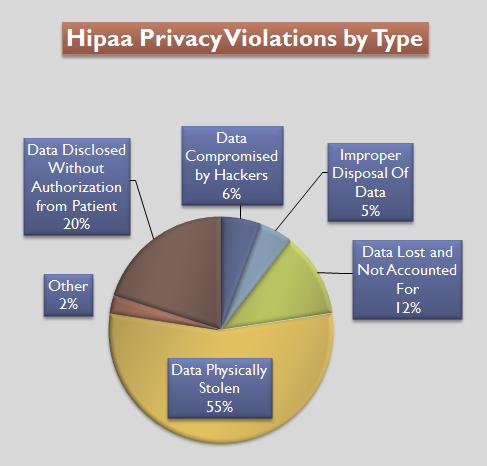
- Regulatory Fines: In healthcare environments, entering protected health information (PHI) into a public artificial intelligence tool constitutes a regulatory data breach (e.g., a HIPAA violation in the United States), leading to severe financial penalties.
- Intellectual Property Loss: Software developers often look for shortcuts. However, submitting proprietary company code to public artificial intelligence chatbots creates severe intellectual property risks. That code can be ingested and exposed to the public.
The Rise of Shadow AI
When corporate IT moves too slowly to provide safe, private AI tools, users will find their own workarounds. Shadow artificial intelligence refers to employees utilizing unapproved third-party artificial intelligence tools for official work tasks.
If a marketing director purchases a rogue AI subscription on a corporate credit card to generate marketing copy, they bypass single sign-on, endpoint security, and data loss prevention (DLP) systems. Using shadow artificial intelligence completely bypasses corporate data security controls, leaving IT blind to what corporate data is leaving the network.
Moving AI from an external website to an internal, integrated corporate tool requires significant IT infrastructure work. Artificial intelligence application integration involves embedding artificial intelligence capabilities into existing enterprise software and infrastructure. You are not just installing a desktop application; you are wiring neural network processing into the daily workflow of the company.
Network and Access Configuration
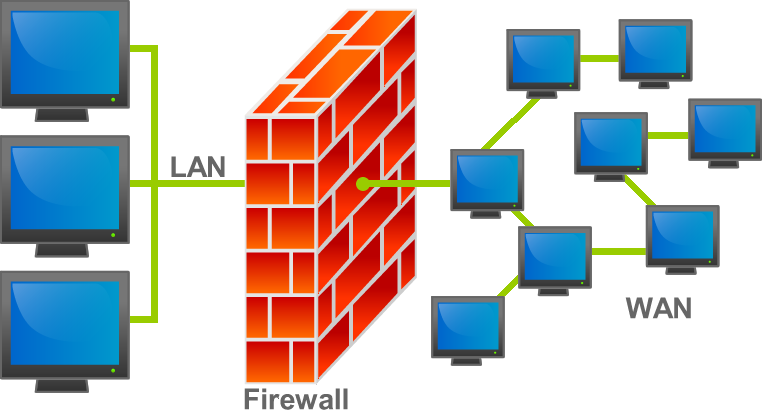
To make these systems function, applications must talk to the AI engine via an API (Application Programming Interface). As a technician, you must know that integrating an artificial intelligence application programming interface requires configuring network firewall rules to allow the specific traffic. If a newly deployed internal CRM tool cannot reach the AI service, the first troubleshooting step is verifying that outbound traffic on the required ports (typically HTTPS over port 443) is permitted to the API endpoints.
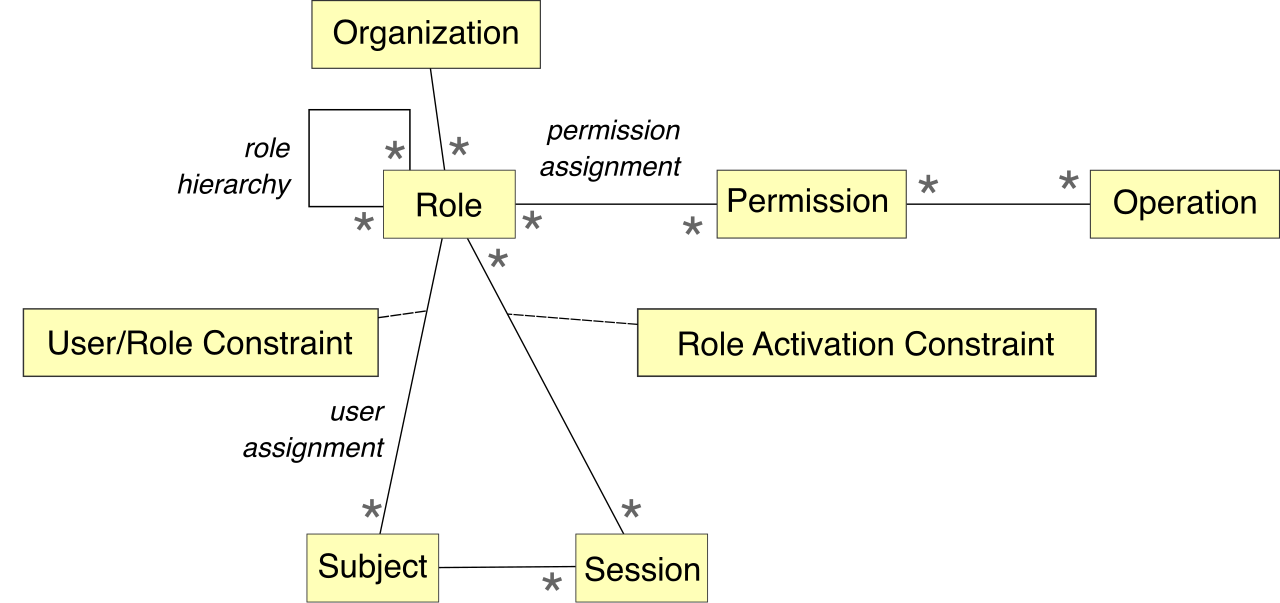
Furthermore, access must be strictly governed. Enterprise artificial intelligence integration requires applying role-based access control (RBAC) to restrict which employees can utilize the artificial intelligence features. A junior help desk analyst should not have AI-assisted access to the CFO's encrypted financial data repositories.
Preparing the Data
Finally, before an organization points a private AI model at its internal file servers, it must clean its house. Over years of operation, networks accumulate stale files, passwords saved in plain text, and misclassified PII. Data sanitization processes must be applied to internal datasets before using those datasets to train a corporate artificial intelligence model. If you fail to sanitize the data, the new private AI will happily surface all those forgotten, insecure documents the moment an employee asks it a question.
By understanding the underlying mechanics of large language models, enforcing strict data boundaries between public and private networks, and applying traditional security controls like firewalls and RBAC to AI integration, IT support professionals can protect the enterprise from the very real risks of an artificially intelligent future.