Options for Dispute Resolution
A construction firm and its subcontractor fall out over a defective steel frame. The subcontractor's contract contains an arbitration clause. The client, meanwhile, is furious with a supplier over a botched delivery and wants the dispute resolved quietly, without the supplier relationship collapsing entirely. A third dispute, over unpaid invoices, needs a fast, provisional answer so cash flow doesn't dry up while the argument continues. Three disputes, three very different shapes — and a solicitor who reaches for litigation every time is not being thorough, they are being lazy. Choosing how a dispute gets resolved is itself a piece of legal judgment, arguably as consequential as any argument made once the chosen process begins.
Litigation is the process of resolving a dispute through the court system, ending in a judge imposing a binding decision on the parties. In England and Wales it is governed primarily by the Civil Procedure Rules (CPR), a detailed procedural code that dictates everything from how a claim is issued to how evidence is disclosed and how a trial is run.
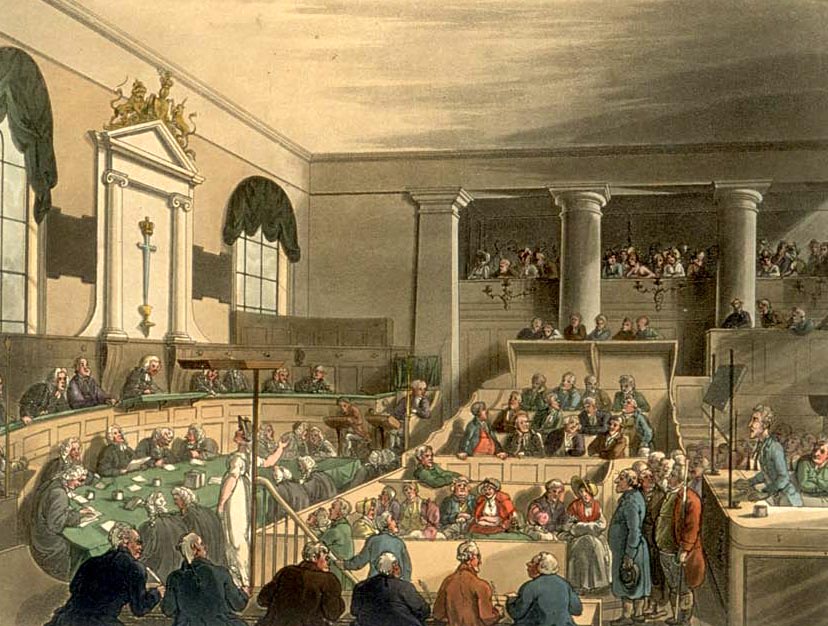
The CPR opens with a statement of purpose rather than a rule of procedure: the overriding objective in CPR 1.1 requires the court to deal with cases justly and at proportionate cost. Every subsequent rule is meant to be read through that lens — proportionality is not a footnote, it is the organising principle of the entire system. Since the Civil Procedure (Amendment No.3) Rules 2024, which came into force on 1 October 2024, CPR 1.1 has been amended so that dealing with a case justly and at proportionate cost expressly includes using and promoting Alternative Dispute Resolution (ADR). Litigation, in other words, now formally points away from itself. The same amendment reshaped CPR 1.4 and CPR 3.1, giving the court's case-management powers an explicit teeth: judges can now order parties to engage in ADR, not merely encourage it.
Why the reform? The trigger was Churchill v Merthyr Tydfil County Borough Council [2023] EWCA Civ 1416, a Court of Appeal decision confirming that courts can order parties to engage in non-court-based ADR, provided the order is proportionate and does not impair the parties' right to a fair trial. Before Churchill, a long-standing (if contested) assumption held that compelling ADR risked breaching Article 6 rights. Churchill dismantled that assumption for good, and the 2024 CPR amendments were the legislature's way of catching the rules up to the case law.
Litigation retains features no other mechanism can fully replicate, and a competent adviser needs to know exactly what they are:
Litigation's unique powers. Only a court can grant certain interim remedies, such as freezing injunctions or search orders — mediation and arbitration simply have no mechanism to deliver them. A court judgment, once obtained, can also be enforced directly through court enforcement mechanisms such as a warrant of control or a charging order, and litigation allows a claimant to join multiple defendants or third parties to a single set of proceedings under CPR Part 20, something a private arbitration agreement (binding only its signatories) cannot easily do.
Litigation proceedings and judgments are also generally conducted and recorded in public, unlike mediation and arbitration — useful when a client wants vindication, a public record, or a legal precedent, but unwelcome when confidentiality matters. And because a judge's reasoning is published and can be cited, a litigated judgment can create binding legal precedent that affects future disputes; a mediated settlement or arbitral award binds only the parties in the room.
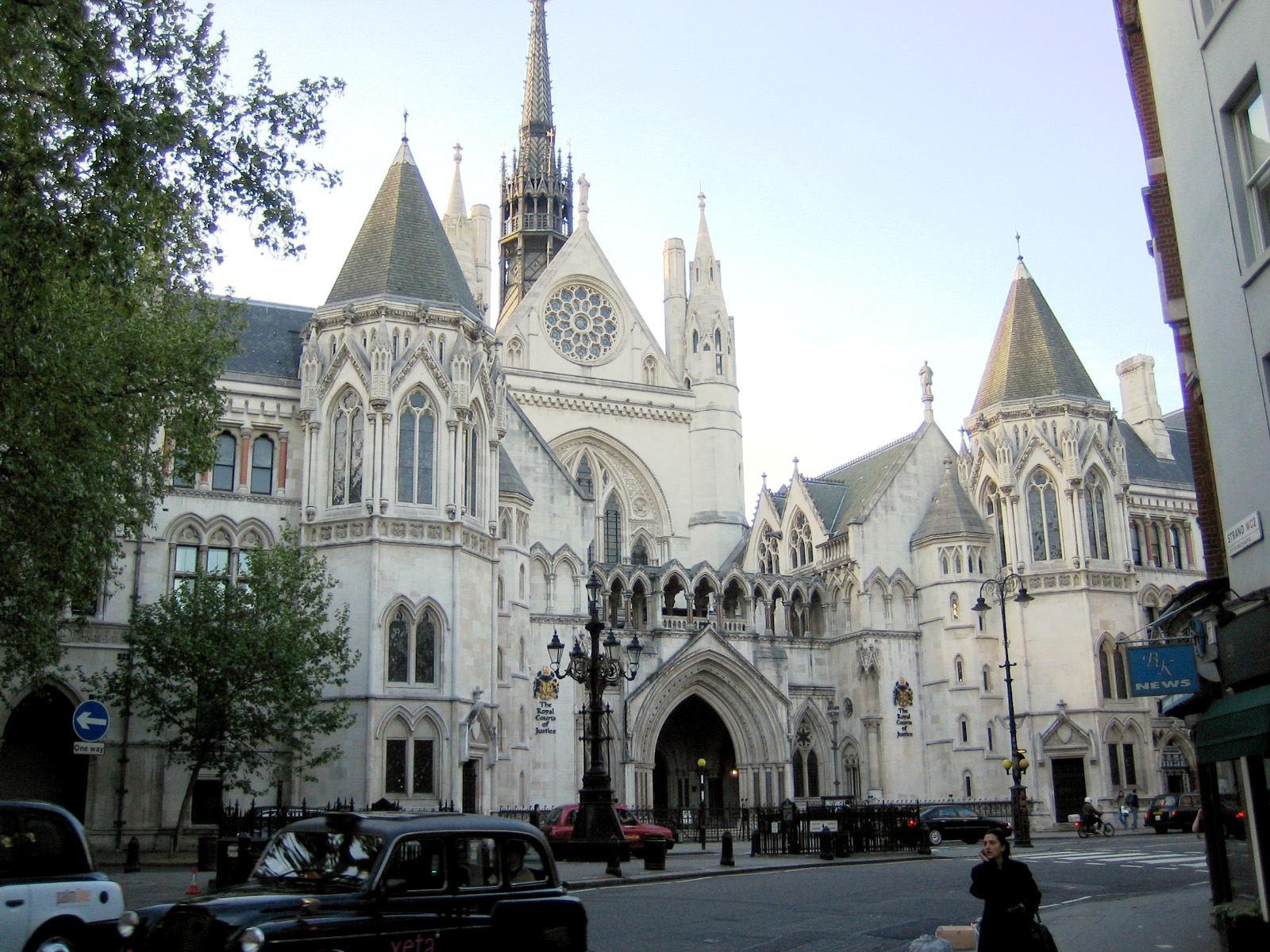
None of this comes cheap or fast. Litigation is generally the slowest dispute resolution mechanism, a product of court timetables, disclosure obligations, and the availability of appeals — and generally the most expensive, driven by court fees, the burden of disclosure, and the work of preparing formal evidence to a court's standard. On costs specifically, litigation runs on the general rule in CPR 44.2 that the unsuccessful party pays the successful party's costs — "costs follow the event." That rule is the reason costs sanctions for dodging ADR bite so hard: losing the argument on the merits is one thing, but losing money you didn't have to lose because you refused to even try mediation is a self-inflicted wound.
Mediation is a voluntary, structured process in which a neutral mediator helps disputing parties negotiate their own settlement. The crucial word is helps — a mediator facilitates discussion between the disputing parties without any power to impose a binding decision on them. If litigation is a judge handing down an answer, mediation is a skilled facilitator helping the parties construct their own.
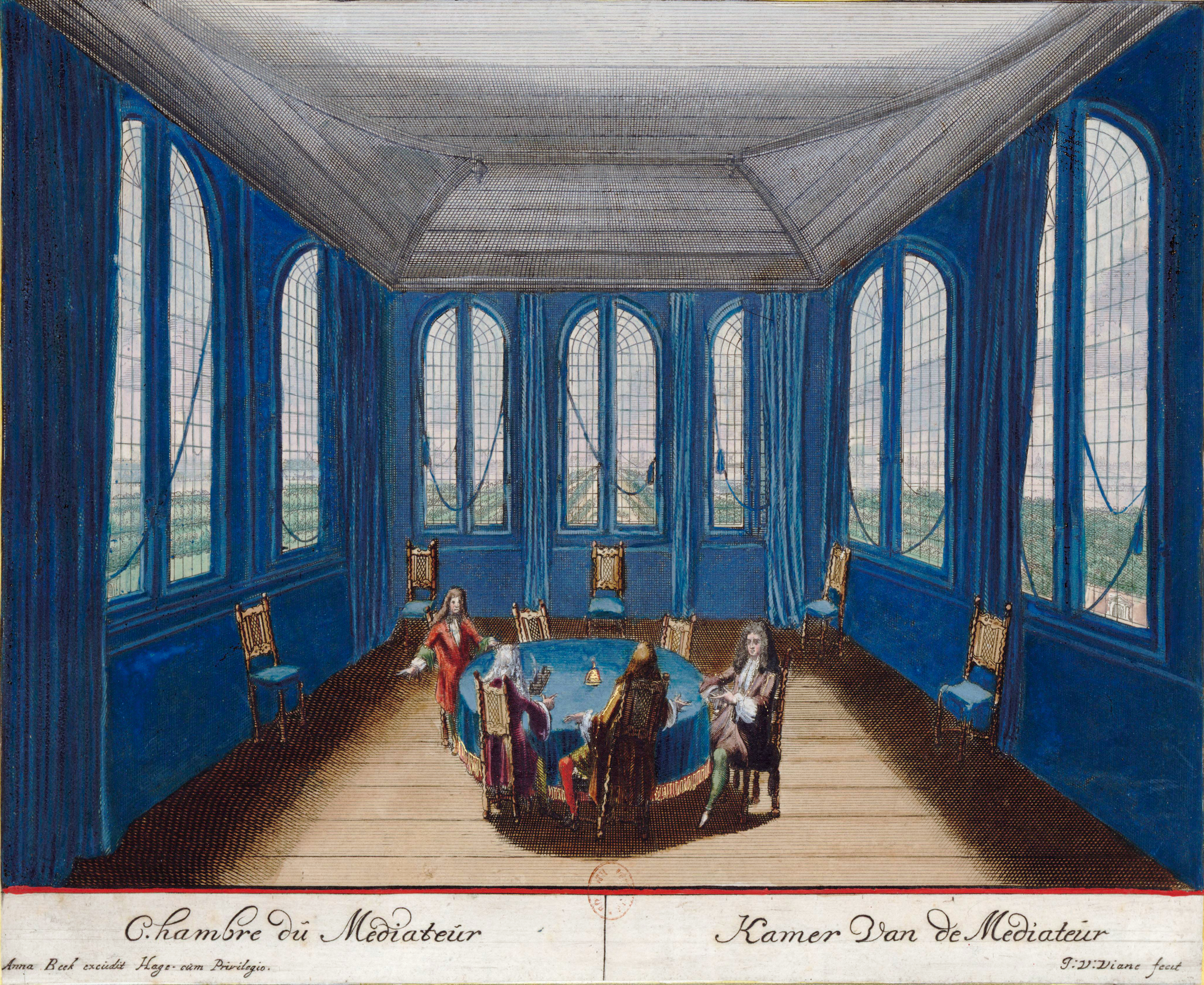
That structure produces a paradox worth understanding closely: nothing said in the room is legally binding, yet the process is designed to produce a legally binding result. Mediation is conducted on a without-prejudice and confidential basis, so discussions cannot generally be used as evidence later in court — parties can float compromises, admit weaknesses in their case, and negotiate candidly precisely because none of it can be weaponised if the mediation fails. But a settlement reached in mediation only becomes legally binding once it is recorded in a signed settlement agreement. The mediation session itself produces no order and no award; it produces, at best, a contract the parties then sign.
Because a mediator cannot force an outcome, either side retains an exit: a party can walk away from mediation at any point without reaching a settlement. That voluntariness is mediation's greatest strength and its structural limit in the same breath.
Mediation's practical advantages explain why the courts increasingly push parties toward it. It tends to preserve ongoing business or personal relationships better than adversarial litigation, since the process is collaborative rather than combative — think of the construction client and their supplier, who need to keep working together after the dispute resolves. It allows for flexible, creative outcomes that are not limited to the legal remedies a court is able to award — a court can award damages or an injunction; a mediated settlement can restructure a business relationship, offer an apology, or agree future terms of trade, none of which a judge has the power to order. And it is generally faster and cheaper to conclude than either litigation or arbitration, often resolved in a single day's session rather than months or years of proceedings.

Arbitration is a private process in which parties submit their dispute to one or more arbitrators, who make a binding decision called an award. Unlike mediation, arbitration produces exactly the kind of imposed, binding outcome litigation does — the difference is that the parties chose their decision-maker and their forum in advance, and the whole thing happens outside the public court system.

Arbitration in England and Wales is governed principally by the Arbitration Act 1996. Section 1 of the Act states the object plainly: to obtain a fair resolution by an impartial tribunal without unnecessary delay or expense — language that echoes the overriding objective in the CPR, but delivered through a private tribunal rather than a public court. For the Act to apply, section 5 requires that an arbitration agreement must be in writing.
Parties usually agree to arbitrate future disputes in advance, typically through an arbitration clause in a commercial contract — exactly the clause in the subcontractor's construction contract from the opening scenario. That advance commitment has teeth: under section 9 of the Arbitration Act 1996, a court will normally stay legal proceedings brought in breach of a valid arbitration agreement. Try to sue in court despite an arbitration clause, and the court will typically send you back to arbitration rather than hear the case.
Once made, an arbitral award is final and binding on the parties, subject only to very limited grounds of challenge. The Act carves out two narrow routes:
| Section | Ground | What it covers |
|---|---|---|
| s.68 | Serious irregularity | Award may be challenged where a serious irregularity affected the tribunal or the proceedings |
| s.69 | Appeal on a point of law | Available only if the parties have not agreed to exclude that right |
Enforcement is where arbitration shows one of its biggest practical advantages: under section 66 of the Act, an arbitral award may be enforced in the same manner as a court judgment, with the court's permission. And because England and Wales is a signatory state, arbitral awards made here are enforceable in other signatory states under the New York Convention 1958 — a reach that a domestic court judgment often cannot match when the losing party's assets sit abroad. For cross-border commercial disputes, this single feature can make arbitration the only sensible choice.
Arbitration hearings and awards are private, unlike open court litigation, which suits parties who don't want a commercial dispute — or their dirty laundry — aired in public. Parties can also select an arbitrator with specific technical, industry, or legal expertise relevant to the dispute; the construction dispute over a defective steel frame is better decided by an arbitrator who understands structural engineering than by a generalist judge working through expert reports. A related but distinct concept is the seat of the arbitration: the seat determines the procedural law and the courts that supervise the arbitration, regardless of where hearings physically take place.

Arbitration's limits mirror its strengths. Arbitration awards generally bind only the parties to the arbitration agreement and do not create precedent for other disputes — useful for privacy, but it means arbitration cannot generate the kind of guiding legal authority litigation can. And because it is normally binding only on parties who agreed to arbitrate, arbitration is less suitable than litigation for multi-party disputes — you cannot easily drag in a third party who never signed the arbitration clause, whereas CPR Part 20 lets a claimant join additional parties to one set of court proceedings.
Litigation, mediation, and arbitration dominate the syllabus, but a solicitor advising a client on how to resolve a dispute must consider and explain the full range of appropriate dispute resolution options available — and several other mechanisms solve problems the big three don't.
Negotiation is the simplest form of dispute resolution in which the parties, or their representatives, attempt to reach a settlement directly without any third party at all. It costs nothing beyond time and is usually the first step tried before anything more formal.
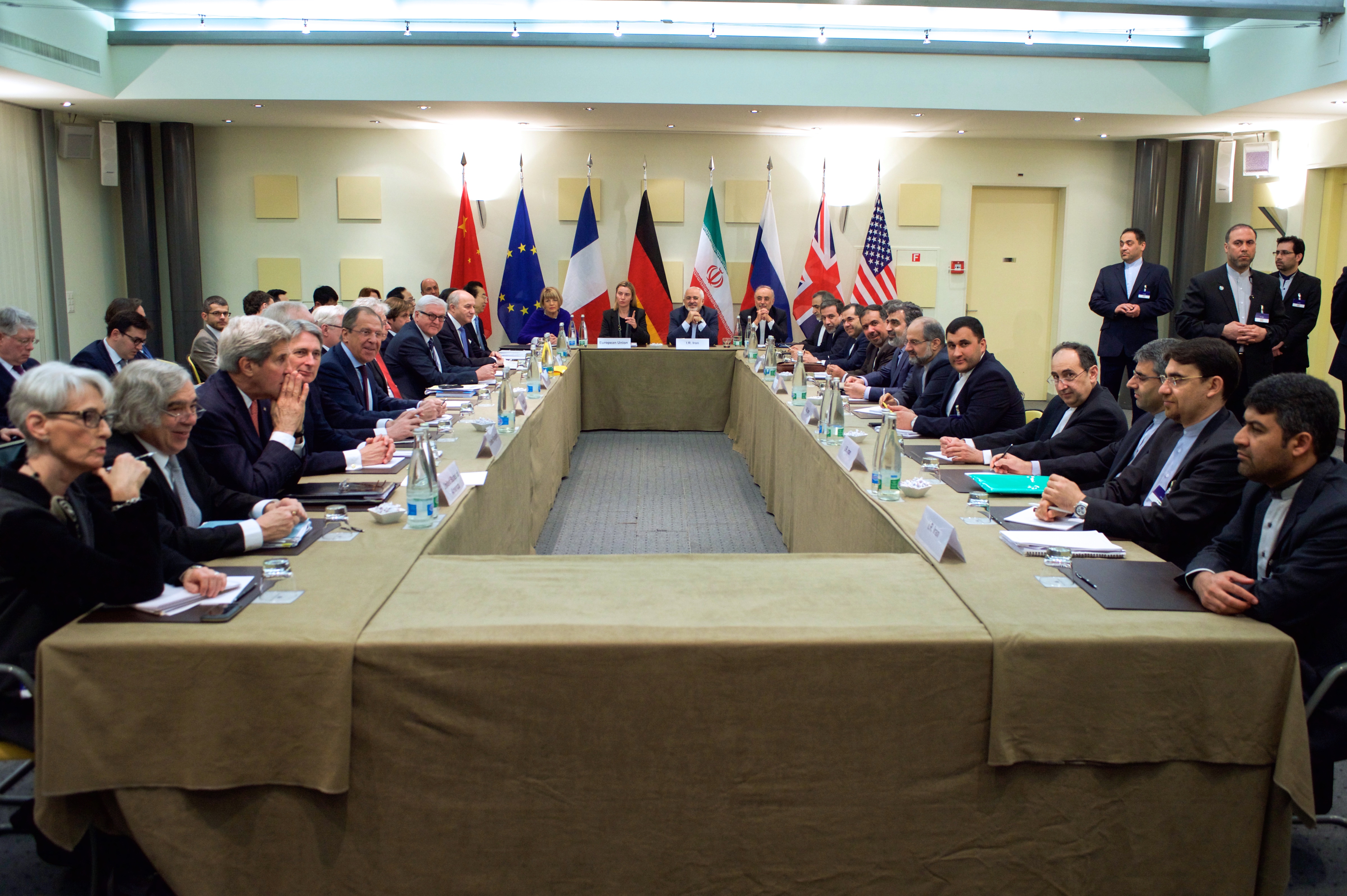
Conciliation sits close to mediation but with a meaningful difference: it is a form of ADR in which the third party actively proposes solutions, whereas a mediator typically facilitates without proposing outcomes. A conciliator is more willing to say "here is what I think a fair deal looks like"; a mediator is more likely to help the parties find that answer themselves.
Early neutral evaluation involves a neutral third party giving a non-binding assessment of a dispute's likely outcome to help the parties settle — useful when the parties are deadlocked not over facts but over how strong each side genuinely believes their case is. A credible outside opinion on who would probably win at trial can do more to unlock a settlement than another round of correspondence.
Adjudication is a fast-track dispute resolution process commonly used for construction disputes, producing a decision binding on an interim basis. It was introduced under the Housing Grants, Construction and Regeneration Act 1996, precisely to stop construction cash-flow disputes — like the unpaid invoices in the opening scenario — grinding on for years while a subcontractor goes unpaid. An adjudicator's decision remains binding unless and until it is overturned by subsequent litigation or arbitration; it is a "pay now, argue later" mechanism designed for speed over finality.
Ombudsman schemes offer free, informal dispute resolution for consumer complaints against businesses in certain regulated sectors, such as financial services or energy. They exist precisely because litigation is disproportionate for a consumer with a modest claim against a large regulated business.

This is where the syllabus stops being descriptive and becomes applied — the second learning objective is advising a client on the most appropriate dispute resolution mechanism for their case, and that means running through a checklist rather than reaching for a default.
Choosing the appropriate dispute resolution mechanism depends on:
- the relative cost, speed, and formality each option requires;
- whether the parties need a legally binding and directly enforceable outcome;
- whether the dispute needs a decision-maker with specialist technical expertise;
- whether an interim court remedy, such as an injunction, is required;
- whether the parties want confidentiality or are willing to have the matter heard in public;
- whether preserving an ongoing relationship between the parties is a priority;
- whether the dispute involves multiple parties who are not all bound by one arbitration agreement.
Run the three opening scenarios back through that list. The construction dispute, governed by an arbitration clause and needing engineering expertise, points squarely at arbitration — subject to section 9's stay of any court proceedings brought in breach of that clause. The supplier dispute, where the relationship needs to survive and a flexible commercial fix (not just damages) is wanted, points at mediation. The unpaid invoices, needing a fast provisional answer to protect cash flow rather than a final, appeal-proof judgment, point at adjudication. None of these answers required litigation at all — which is precisely the point the CPR reforms since Churchill are trying to drive home.
| Feature | Litigation | Mediation | Arbitration |
|---|---|---|---|
| Decision-maker | Judge (imposed) | None — parties decide | Arbitrator(s) (imposed) |
| Binding outcome? | Yes, judgment | Only once signed as settlement agreement | Yes, award |
| Privacy | Public | Confidential | Private |
| Speed & cost | Slowest, most expensive | Fastest, cheapest | Variable, but generally faster/cheaper than court |
| Creates precedent? | Yes | No | No |
| Governing framework | CPR | No fixed statutory procedure | Arbitration Act 1996 |
| Multi-party disputes | Well suited (CPR Part 20) | Possible | Poorly suited (privity to agreement) |
| Enforcement | Court enforcement mechanisms | None until signed, then as a contract | s.66 Arbitration Act 1996 / New York Convention |
The courts do not merely encourage ADR — they can punish a party for ignoring it. A court can penalise a party in costs for unreasonably refusing to engage in ADR, even where that party wins the underlying claim. This is a genuinely counter-intuitive result for a client to absorb: win the case, still pay a costs penalty, because you wouldn't even try to mediate.
The test for "unreasonable" comes from Halsey v Milton Keynes General NHS Trust [2004] EWCA Civ 576, the leading case on costs sanctions for unreasonably refusing ADR. The Halsey factors are used by courts to assess whether a party's refusal to engage in ADR, such as mediation, was unreasonable, and they include the nature of the dispute, the merits of the case, and whether other settlement methods had already been tried. A party who refuses mediation in a dispute that plainly turns on a genuine point of law, having already attempted to negotiate directly, is in a very different position from one who simply stonewalls out of stubbornness.
This pressure toward ADR is now baked into the pre-action landscape as well as the post-issue costs regime. The Practice Direction on Pre-Action Conduct requires parties to consider ADR before starting court proceedings at all, and failing to comply with a relevant Pre-Action Protocol — including failing to consider ADR — can result in a costs sanction from the court, quite independent of who ultimately wins.
The clearest illustration of this shift toward compulsion sits at the lower end of the value scale. A pilot scheme automatically refers most small claims track money claims to a free mediation appointment before they can proceed to a final hearing — the Small Claims Track Automatic Referral to Mediation pilot under Practice Direction 51ZE, which began on 22 May 2024. Attendance is not optional in practice: non-attendance at a required small claims mediation appointment can lead to a claim being struck out or to an adverse costs order. For claims under this scheme, mediation is no longer merely encouraged — it is, functionally, compulsory.
The examiner is not testing whether you can recite the Arbitration Act's section numbers in isolation. They are testing whether, faced with a client's actual dispute, you can read the shape of the problem — value, urgency, need for precedent or privacy, the number of parties involved, whether an agreement already commits the parties to arbitrate — and land on the mechanism (or combination of mechanisms) that fits. Since Churchill and the 2024 CPR amendments, "just issue a claim" is no longer a safe default answer; a solicitor who does not first consider and explain ADR to their client is not just giving imperfect advice, they may be exposing that client to a costs sanction even if the underlying case is won outright.