Freehold: Investigation of Title
A buyer's solicitor never takes a seller's word for ownership. Before a single pound of the purchase price moves, the solicitor must interrogate the paper trail that proves the seller actually owns what they are selling — a process called investigation of title. Get this wrong, and your client ends up owning a house burdened by someone else's mortgage, subject to a stranger's right of way, or worse, not owning it at all. This is why investigation of title sits at the structural heart of every conveyancing transaction: it is the due diligence that converts a leap of faith into a legally secured purchase.
England and Wales runs two parallel systems for proving who owns land, and the very first thing a solicitor must establish is which one applies to the property in front of them.
For registered land — the vast majority of titles today — HM Land Registry maintains an electronic register that is, in effect, the single source of truth about ownership. The seller does not hand over ancient deeds; instead, their solicitor supplies official copies of the register of title. These are documents issued by HM Land Registry and are admissible in evidence to the same extent as the original register entries — the register itself is what matters, not any underlying deed.
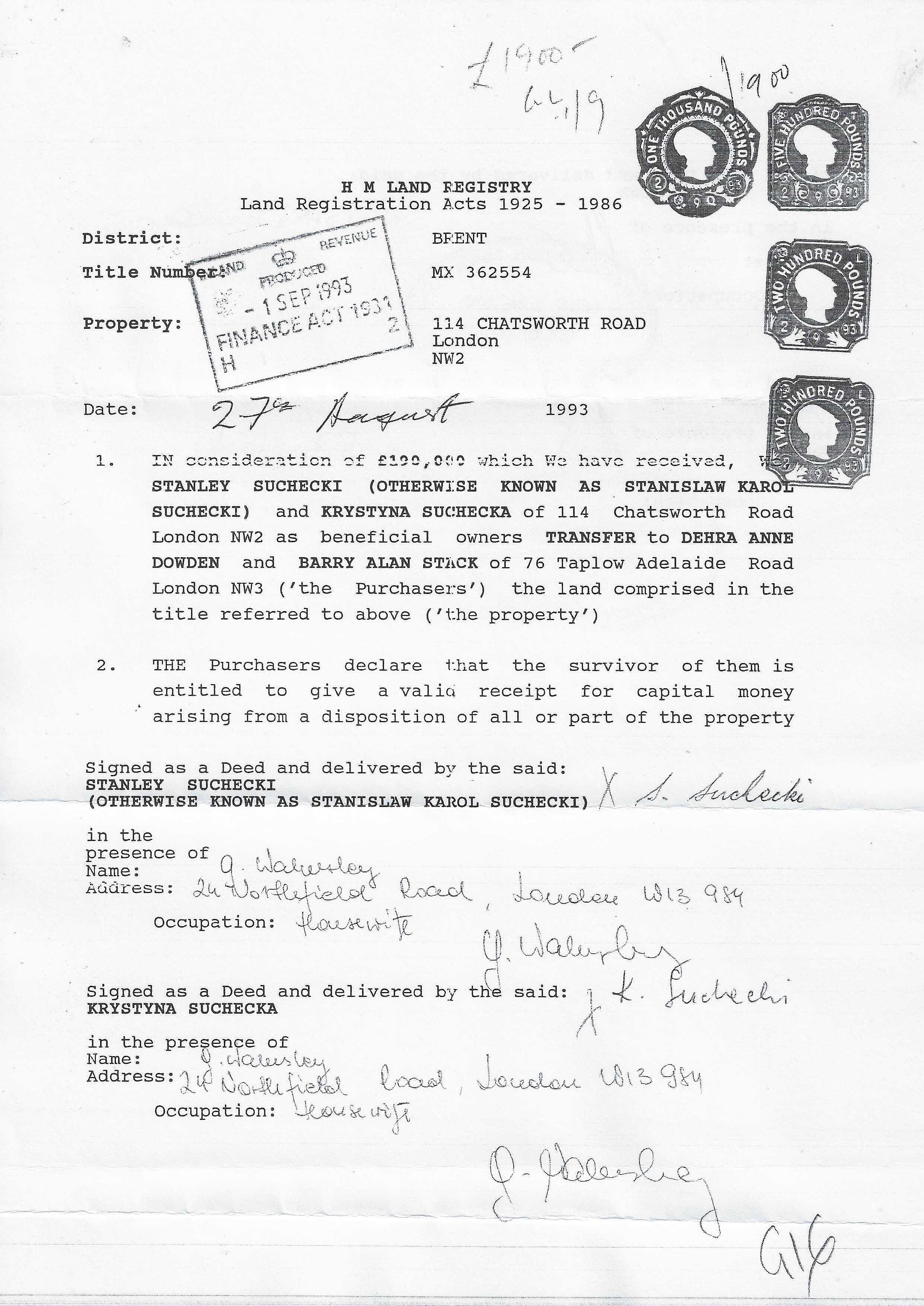
For unregistered land — an increasingly rare but still-encountered category — there is no electronic register to consult. Instead, the seller deduces title the old-fashioned way, through an epitome of title: a schedule listing every document in the chain of ownership together with a copy of each one. Where registered land asks "what does the register say?", unregistered land asks "can you prove an unbroken paper chain?"
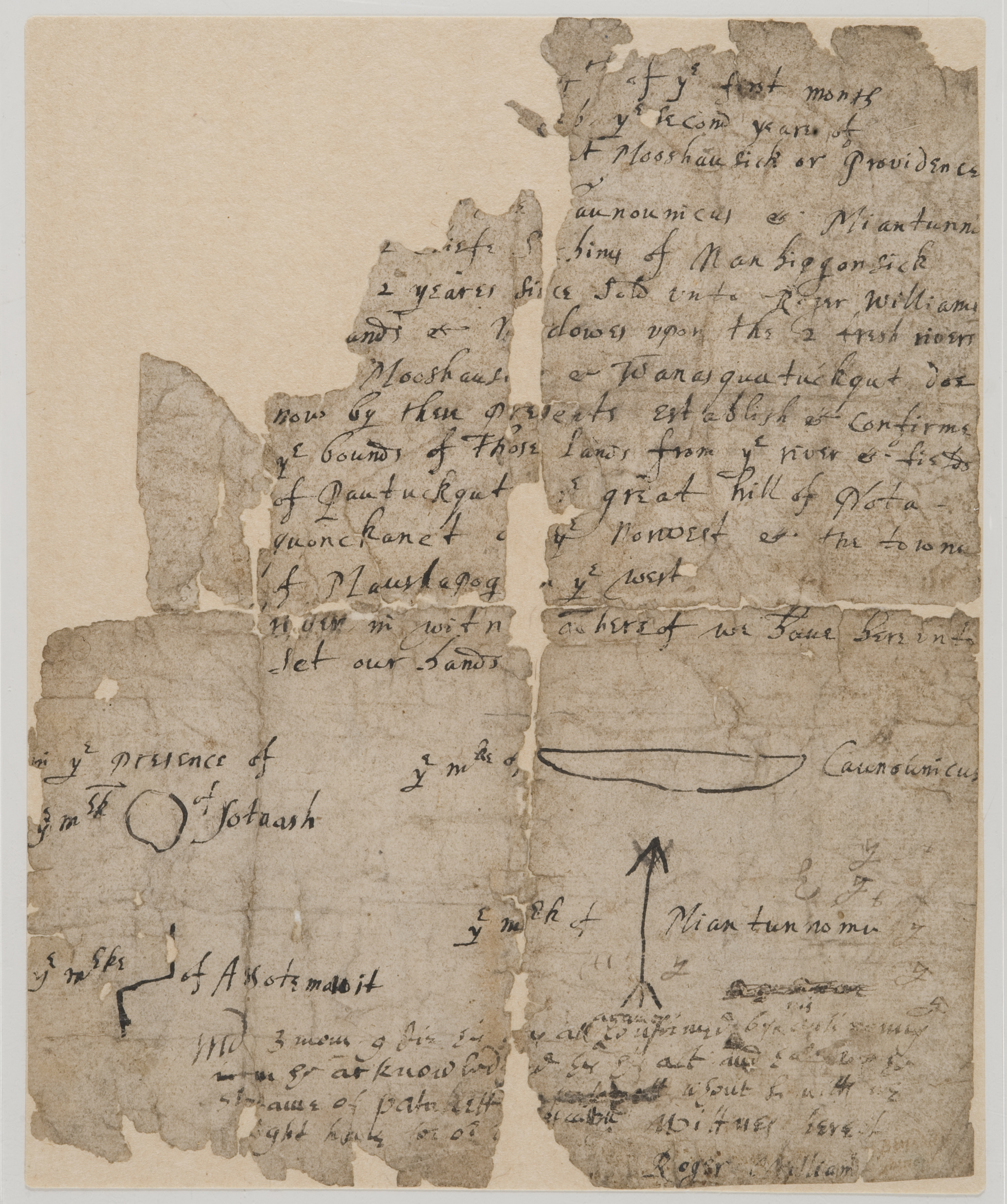
Definition: An epitome of title is a schedule listing every document in the chain of ownership of unregistered land, accompanied by a copy of each document in that chain.
Historically, unregistered conveyancers used a abstract of title — an older, summarised form of evidencing title — but this has been almost entirely superseded by the epitome in modern practice.
Investigating unregistered title is detective work. You cannot simply query a database; you must construct, document by document, an unbroken line of ownership stretching back to a trustworthy starting point.
That starting point is the good root of title, and it must satisfy a precise legal test. Under section 44 of the Law of Property Act 1925, as amended by the Law of Property Act 1969, the root document must be at least 15 years old at the date of the contract — a threshold that was originally 30 years until the 1969 Act cut it in half, streamlining conveyancing by removing the need to trace ownership back through generations of largely irrelevant history.
Age alone is not enough, however. A document only qualifies as a good root of title if it also:
- Deals with the whole legal and equitable interest in the land being sold — a document that only covers part of the interest cannot anchor the chain;
- Contains a description sufficient to identify the land — vague or ambiguous property descriptions defeat the purpose of a root document;
- Contains nothing that casts doubt on the seller's title — a root document that itself flags a problem cannot be relied upon to prove ownership is sound.
In practice, a conveyance, a legal mortgage, or an assent can each serve as a good root of title, provided each satisfies these age, content, and description requirements. A conveyance is the classic case — a deed transferring the legal estate on a past sale — but a mortgage deed or an assent (the document by which a personal representative vests land in a beneficiary after a death) works equally well if it meets the same tests.
Once the buyer's solicitor has identified a good root, the job is to trace every subsequent disposition of the land, document by document, up to the current seller, establishing an unbroken chain of ownership. Along the way, useful corroborating evidence often appears in the form of a memorandum of sale — a note endorsed on an earlier conveyance recording the date of sale, the purchaser's name, and the price paid — which forms a further link confirming the chain is intact.
Warning: Any gap in the chain between the root of title and the current seller is a defect in title requiring investigation. A missing document, an unexplained change of name, or an unaccounted-for period of ownership all demand further inquiry before the buyer's solicitor can advise the client to proceed.
Searches Specific to Unregistered Land
Because there is no central register to consult, unregistered conveyancing depends on a set of targeted searches against individuals rather than against the land itself:
- A land charges search against the names of past estate owners reveals incumbrances such as restrictive covenants or puisne mortgages registered before first registration — this is the unregistered-land equivalent of checking a charges register, except you must search against every name in the chain, not just the current owner.
- A bankruptcy search against an individual seller or buyer reveals pending bankruptcy petitions or bankruptcy orders registered against that name, which matters because a bankrupt seller's estate vests in their trustee in bankruptcy — a person who was never a party to your chain of title.
The Trigger for First Registration
Unregistered land does not stay unregistered forever. Once a trigger event occurs — a sale, the grant of a first legal mortgage, or a gift of the land, among others — the land becomes subject to compulsory first registration. This is how the Land Registry's coverage has crept toward near-universal registration over the decades: every transaction pulls another parcel of unregistered land into the registered system.
Warning: An application for first registration must be made within two months of the trigger event, or the transfer becomes void as regards the legal estate. Miss the deadline, and your client's legal title reverts to the transferor, who then holds it on bare trust pending a fresh application — a serious and entirely avoidable error.
A related protective device is the caution against first registration, which protects the interest of a person claiming a right in an unregistered estate while an application for first registration is pending — useful, for example, where someone disputes a boundary or claims an interest but the formal registration process has not yet caught up with reality.
For registered titles, the investigative task shifts from chain-tracing to careful reading. HM Land Registry divides every registered freehold title into three registers, and a competent solicitor must interrogate each one for a different category of risk.

| Register | What it contains | What you're checking for |
|---|---|---|
| Property register | Describes the land and its tenure; lists rights benefiting the property (e.g., easements enjoyed by it) | That benefiting easements exist, are validly granted, and are unrestricted |
| Proprietorship register | States the class of title, the registered proprietor's name and address, and any price/value stated at the last registration | That the registered proprietor matches the seller named in the contract; whether a restriction limits disposals |
| Charges register | Lists financial charges and other burdens: mortgages, restrictive covenants, easements burdening the land | That any mortgages will be redeemed and any covenants/easements are acceptable to the buyer |
Think of it as three lenses trained on the same property: one shows what the land is and what it benefits from, one shows who owns it, and one shows what burdens it. Missing any one of the three is like reading a contract but skipping a page.
The Property Register: Benefiting Rights
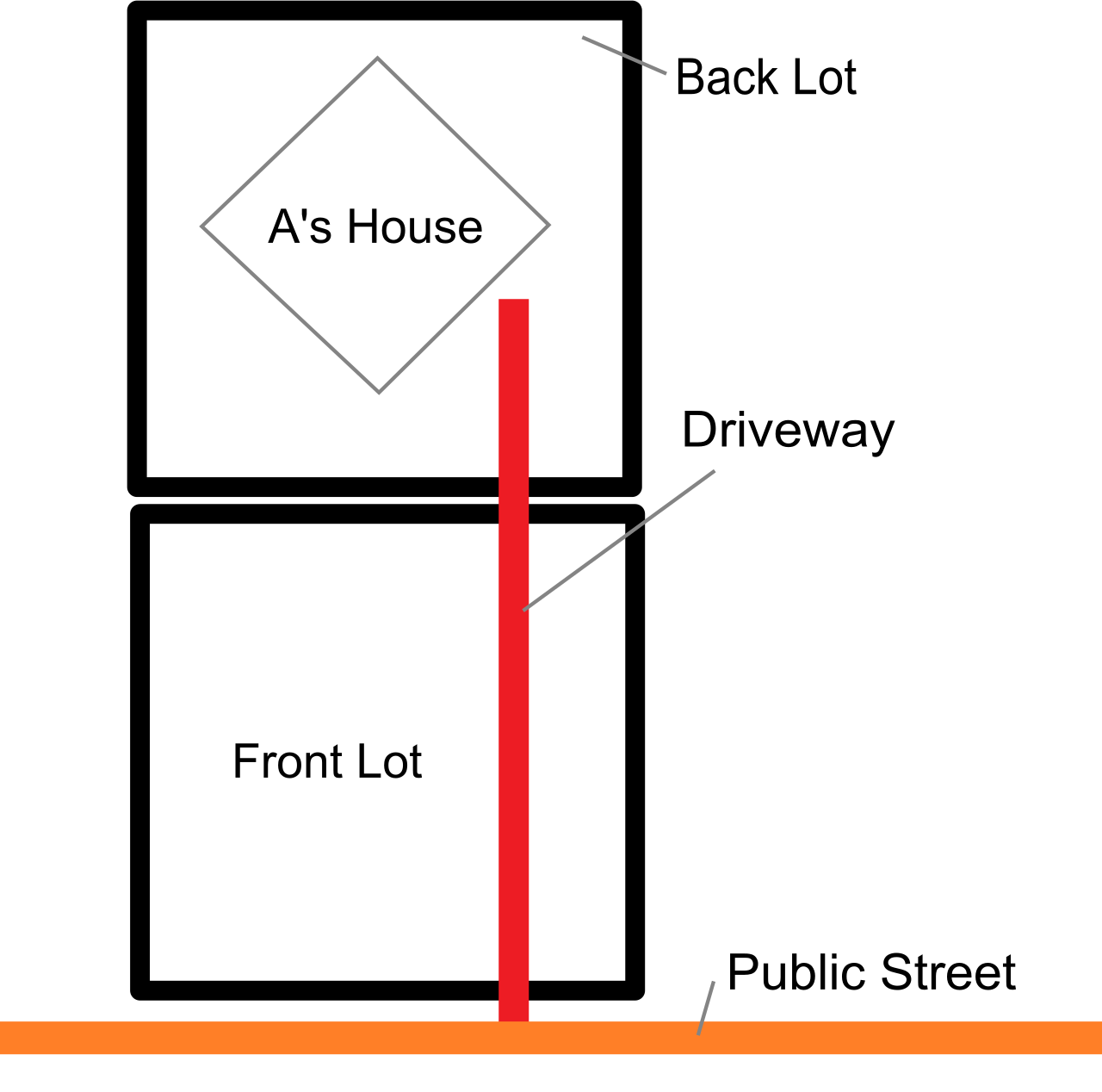
An easement benefiting the property — a right of way over a neighbour's land, say — should be checked against the property register to confirm it was validly granted and remains unrestricted. A buyer who assumes an access right exists, only to discover post-completion that it was never properly granted, has bought a landlocked liability.
The Proprietorship Register: Who Owns It, and How Well
The proprietorship register tells you not just who owns the land, but how strongly they own it. HM Land Registry grants one of three classes of title to a freehold estate, and the difference between them can be the difference between an unimpeachable purchase and an insurable risk:
- Title absolute — the best class of title, guaranteeing ownership subject only to entries on the register and to overriding interests. This is what every buyer's solicitor hopes to see.
- Qualified title — granted where a specific identified defect exists, and that defect is expressly excluded from the Land Registry's state guarantee. The register itself tells you exactly what risk you are taking on.
- Possessory title — granted when the applicant could not produce documentary evidence of ownership, typically following a claim based on adverse possession. The state guarantee here is at its weakest, since ownership rests on possession rather than paper.
Reassuringly for clients who acquire a qualified or possessory title, the class of title granted can later be upgraded once sufficient additional evidence of ownership is produced — a possessory title, for instance, can mature into title absolute after enough years of undisturbed, unchallenged possession.
The proprietorship register is also where restrictions live. A restriction limits the circumstances in which a disposition of the land can be registered — it is HM Land Registry's mechanism for enforcing that certain conditions are met before a sale, mortgage, or transfer will be accepted for registration. The most common example on the SQE1 syllabus is the Form A restriction, which signals that the property is held on a trust of land and requires at least two trustees, or a trust corporation, to give a valid receipt for capital money. See a Form A restriction, and you know immediately: a single trustee signing alone cannot give your client a good discharge for the purchase price — you need two signatures, or the money is not safely received.
Finally, the proprietorship register is your first port of call for a discrepancy check: does the name of the registered proprietor match the name of the seller stated in the contract? Any mismatch — a marriage, a company name change, an executor selling on behalf of an estate — must be investigated and resolved before completion, because a contract naming the wrong seller cannot validly transfer title from the right one.
The Charges Register: What Burdens the Land
The charges register is where liabilities live. Two categories dominate SQE1 scenarios:
Restrictive covenants limit or prevent specified uses of the land — no building above a certain height, no commercial use, no subdivision. Where a restrictive covenant appears, the seller's solicitor may need to obtain a certificate of compliance or a consent from the party with the benefit of the covenant before the buyer can safely proceed with their intended use.
Easements burdening the property — a right of way granted over your client's land in favour of a neighbour, for instance — must be checked to confirm they do not conflict with the buyer's intended use. A buyer planning to build an extension needs to know if a neighbour's right of way runs straight through the proposed footprint.
Undischarged legal charges — mortgages the current seller has not yet paid off — must be redeemed by the seller, with confirmation given to the buyer, at or before completion. No buyer's solicitor should allow completion to proceed with an outstanding charge left dangling; it defeats the entire purpose of investigating title if the property remains mortgaged to someone else's lender after your client has paid for it.
Overriding Interests: The Register's Blind Spot
Here is the register's uncomfortable secret: it is not a complete picture. Overriding interests bind a buyer of registered land even though they do not appear as entries on the register at all. Schedule 3 to the Land Registration Act 2002 lists the categories of unregistered interest capable of overriding a registered disposition — most importantly for SQE1 purposes, legal easements and the proprietary interests of persons in actual occupation of the land.
Why this matters: A buyer's solicitor cannot rely on official copies alone to give a complete picture of what binds the land. This is precisely why conveyancing practice requires physical inspection of the property and careful inquiry into who is living there — because a person in actual occupation with an unregistered proprietary interest (an unmarried partner with a beneficial share, say) can bind your client even though the register is silent about them.
The Title Plan and the General Boundaries Rule
Every registered title comes with a title plan — the official map showing the general boundaries of the land. Crucially, under the general boundaries rule, the boundary line shown on the title plan does not determine the exact legal line of the boundary between neighbouring properties. The plan tells you roughly where the land is; it does not resolve a fence-line dispute to the centimetre. Solicitors advising on boundary disputes must therefore look beyond the title plan to physical features, historical conveyances, and (if necessary) expert evidence.
Keeping Official Copies Current
Official copies are a snapshot, and snapshots go stale. The Law Society's Conveyancing Protocol requires official copies of the register supplied to a buyer to be no more than six months old. An older set risks missing a charge, restriction, or change of proprietor registered in the intervening period — precisely the kind of gap a diligent solicitor is paid to close.

Whether the land is registered or unregistered, certain searches sit outside the register entirely and must always be run. A local land charges search reveals matters registered against the land by a local authority — planning decisions, enforcement notices, and financial charges imposed by the council. Neither the property register nor the charges register will tell you that the local authority has an enforcement notice pending against an unauthorised extension; only the local search will.
Once the investigation surfaces a problem — a gap in the chain, an unexplained restriction, a covenant without evidence of compliance — the buyer's solicitor does not simply walk away. They engage in raising requisitions on title: formal written queries put to the seller's solicitor about defects or ambiguities in the title, demanding clarification or remedy before completion.
Several standard cures exist for a defect once identified:
- A deed of rectification, correcting an error in a prior document;
- A statutory declaration, a sworn statement of facts (for example, confirming continuous possession to support an adverse possession claim);
- Indemnity insurance, which protects the buyer against the risk of financial loss arising from an identified but unresolved defect — a missing consent to a covenant, say, or a breach that cannot practically be cured. Indemnity insurance does not fix the underlying defect; it simply transfers the financial risk of it materialising onto an insurer, which is often the commercially sensible solution where chasing down a 40-year-old missing consent would be disproportionately expensive or simply impossible.
Patent vs. latent defects: A patent defect is one apparent from an inspection of the property or the title documents — an obvious gap in the chain, for instance. A latent defect is one not apparent without further investigation — a restrictive covenant buried in a decades-old conveyance that only a careful search uncovers. Under the doctrine of caveat emptor ("let the buyer beware"), a seller generally owes no duty to disclose defects in the physical state of the property, but must disclose known latent defects in title. This asymmetry is exactly why title investigation exists as a discipline: the law does not require the seller to volunteer a survey of dry rot, but it does require honesty about who really owns the land and what burdens it.
All of this investigative work exists to serve one final output: the report on title. This is the document in which the buyer's solicitor summarises the findings of the title investigation and searches for the client, translating dense registry entries and statutory tests into advice a lay person can actually act on.
A good report on title should:
- Explain any defects found, the risks they pose, and the recommended solution, in terms the client can understand without a law degree;
- Confirm whether the title is good and marketable, subject to any noted issues, before advising the client whether to proceed to exchange of contracts;
- Confirm that the seller named in the contract matches the registered proprietor (for registered land) or the party at the end of the chain shown in the epitome of title (for unregistered land) — the single most fundamental check in the entire process, because a contract with the wrong seller cannot be specifically enforced against the right one.
This is where investigation of title earns its keep as a client-facing skill, not merely a technical exercise. A solicitor who can spot a Form A restriction but cannot explain to a nervous first-time buyer why it matters, in plain English, has only done half the job the SQE expects of a competent practitioner.
Whether the land is registered or unregistered, the underlying discipline is identical: establish a reliable starting point (the register itself, or a good root of title at least 15 years old), trace an unbroken line to the present owner, cross-check every register or document against every other, run the searches that sit outside the paper trail entirely (local land charges, bankruptcy, land charges against past owners), and surface anything that does not fit — cleanly, in writing, to the client, with a workable solution attached. Master that discipline, and you have mastered the single most tested skill in SQE1 property practice: turning a stack of documents into a defensible answer to the question "does my client actually own this?"