Defences to Negligence
A negligence claim rarely ends the moment the claimant proves duty, breach, causation, and loss. The defendant gets to answer back — and English law gives them three distinct weapons, each with its own logic, its own burden of proof, and its own consequence. Get the wrong one, or misjudge what it does to the damages award, and you will misadvise a client on whether a case is worth fighting at all.
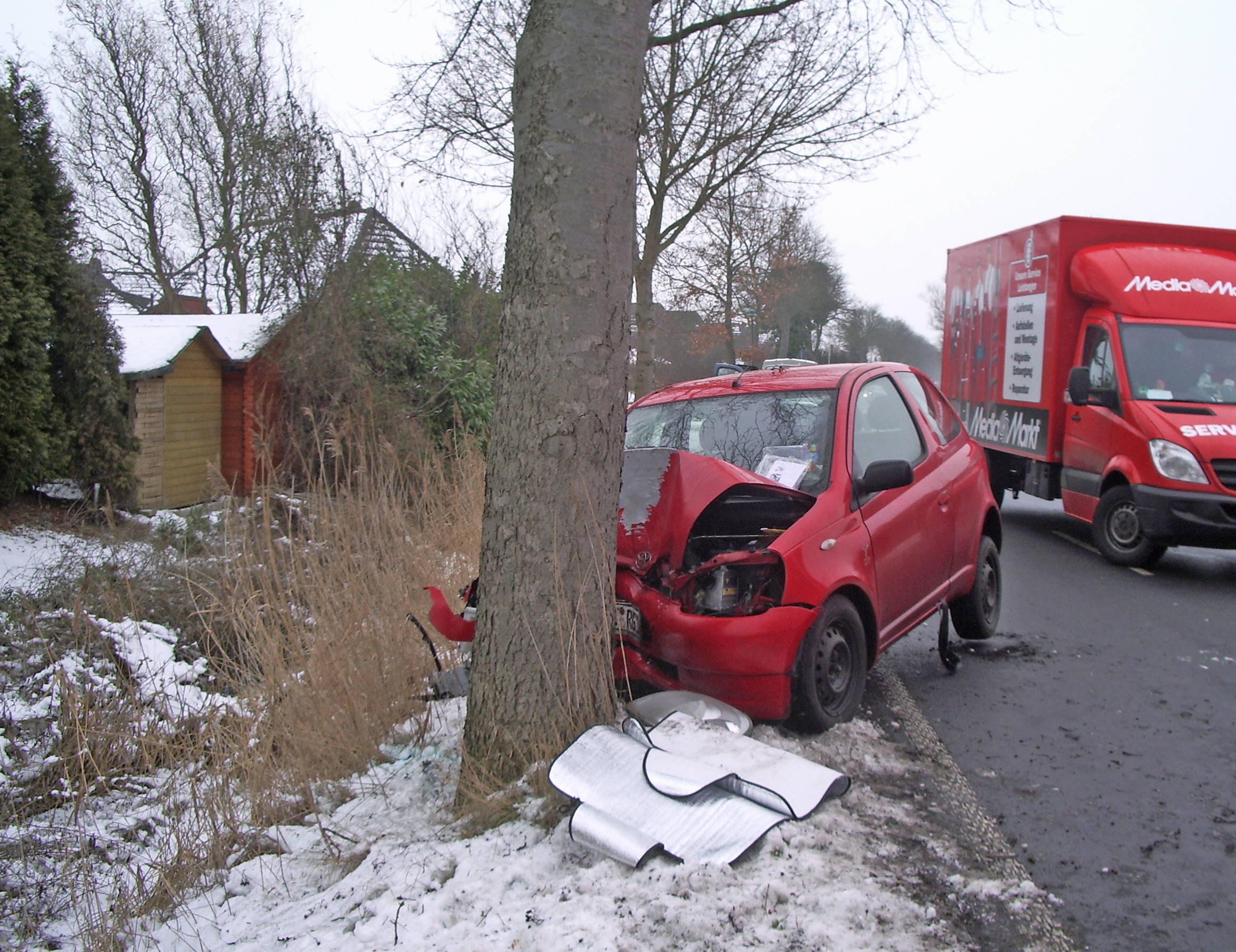
Negligence defences are never assumed by the court. Volenti non fit injuria (consent), contributory negligence, and illegality (ex turpi causa non oritur actio) each must be specifically pleaded by the defendant, and the defendant bears the burden of proving whichever one it raises. If the defence solicitor forgets to plead volenti, the client cannot rely on it at trial no matter how strong the facts.
The three defences are not interchangeable, and confusing them is a common examination trap:
| Defence | Effect on claim | Who must prove it |
|---|---|---|
| Volenti non fit injuria | Complete bar — claimant recovers nothing | Defendant |
| Contributory negligence | Partial reduction — damages apportioned | Defendant |
| Illegality | Complete bar — claim fails outright | Defendant |
Volenti and illegality are both "all or nothing"; contributory negligence is the law's instrument for splitting the bill. Understanding why the law treats them so differently is the key to applying them correctly.
The maxim translates as "no injury is done to one who consents," and where it succeeds, it is a complete defence to a negligence claim: the claimant recovers nothing.
But the bar is set high, and deliberately so. For volenti to succeed, the claimant must have had full knowledge of both the nature and the extent of the risk, and must have freely and voluntarily agreed to accept the legal risk — not merely the physical risk of injury. This distinction between knowing about a risk and legally consenting to bear its consequences is captured in a companion maxim, scienti non fit injuria: knowledge alone does not bar a claim. A factory worker who knows a machine guard is missing has not thereby agreed that the employer owes no duty of care — mere awareness of danger is not consent to being negligently harmed.
Rescuers are not volunteers
The law refuses to treat a rescuer as having voluntarily assumed risk, because a rescuer's intervention is compelled by conscience or duty, not by free choice in the relevant sense. In Haynes v Harwood [1935] 1 KB 158, a police officer was injured stopping runaway horses that the defendant had negligently left unattended in a crowded street. The Court of Appeal held volenti could not be raised against him: his intervention was compelled by his duty to protect the public, so it was not the kind of free acceptance of risk the defence requires. This rule protects the socially valuable instinct to intervene — the law does not want to penalise the people who run toward danger to help others.
Volenti in the workplace
Employment cases show the defence's outer limits from the other direction. In ICI Ltd v Shatwell [1965] AC 656, two experienced shot-firer brothers deliberately and jointly disobeyed a safety regulation requiring them to test detonators from a shelter — a regulation imposed directly on them, not on their employer. When one was injured, the House of Lords upheld the volenti defence, because the employer itself was not at fault; the statutory duty breached belonged to the employees, and their disobedience was genuinely voluntary and joint.
Contrast this with the ordinary run of cases: volenti will not usually succeed against an employee who is merely careless in following an unsafe system of work that the employer itself created or tolerated. And critically, an employer cannot rely on volenti where its own breach of a statutory duty caused or contributed to the risk. The line drawn by Shatwell is precise: volenti protects an employer from an employee's genuinely free, informed defiance of a rule aimed at protecting the employee alone, but it does nothing to excuse an employer whose own unlawful conduct put the employee at risk in the first place.
Volenti and the Road Traffic Act 1988
Parliament has legislated volenti out of one entire category of claim. Under section 149 of the Road Traffic Act 1988, a driver cannot rely on a passenger's willing acceptance of the risk of the driver's own negligence as a defence, where compulsory motor insurance applies to the vehicle. Section 149 goes further: it renders void any agreement or notice purporting to exclude or restrict liability to a passenger for a risk that compulsory insurance is required to cover. A passenger cannot sign away that protection, and neither can the driver contract out of it.
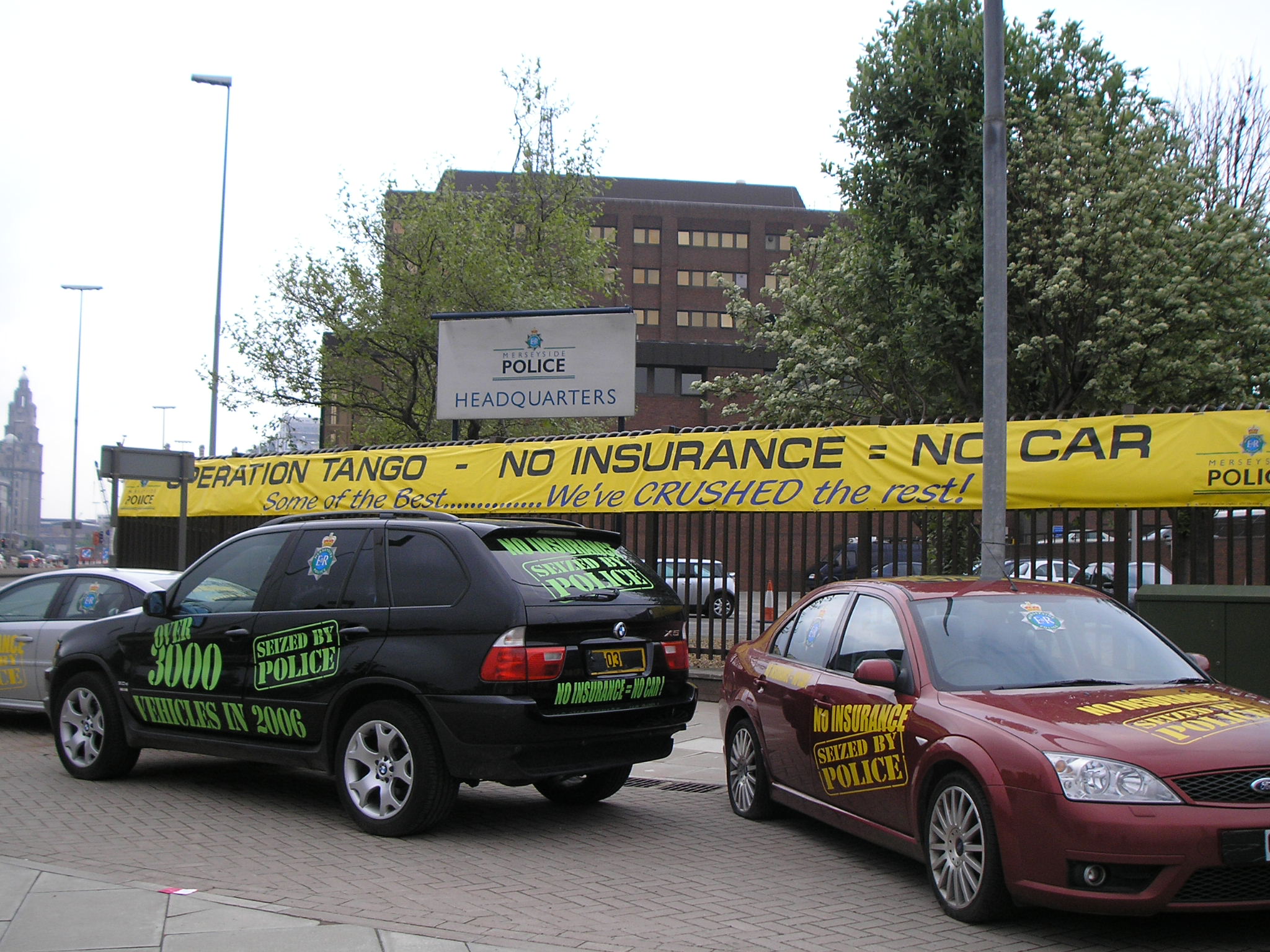
This does not leave the passenger's own carelessness irrelevant, however. Although the Act excludes volenti as a complete defence for insured motor vehicle passengers, the defendant can still fall back on contributory negligence to reduce the damages — the passenger's own conduct (accepting a lift, failing to buckle up) remains live, just under a different, partial-defence heading. This interplay — full defence barred by statute, partial defence still available — turns up repeatedly in road traffic scenarios and is exactly the kind of layered fact pattern SQE1 tests.
Volenti on the sports field
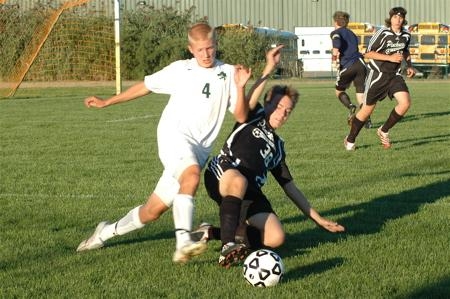
Participants in sport are taken to consent to the risks that are ordinarily inherent in that sport — a rugby tackle, a mistimed challenge — but not to conduct that goes beyond the rules and shows reckless disregard for a fellow participant's safety. In Condon v Basi [1985] 1 WLR 866, the Court of Appeal confirmed that a footballer owes a duty of care to fellow players not to act with reckless disregard for their safety during play, even within a game whose ordinary rough-and-tumble is accepted. The dividing line is not "did the claimant know sport is risky" (obviously yes) but "did the defendant's conduct exceed what participation in the sport can fairly be said to have licensed."
Where volenti is a sledgehammer, contributory negligence is a scalpel. It does not ask whether the claimant consented to the defendant's negligence; it asks whether the claimant also failed to take reasonable care for their own safety, and whether that failure contributed to the damage suffered.
Historically, contributory negligence was itself a complete defence at common law — any fault by the claimant, however small, defeated the whole claim. That harsh, all-or-nothing rule was swept away by the Law Reform (Contributory Negligence) Act 1945. Section 1(1) of the Act provides that where a person suffers damage partly through their own fault, their damages are reduced to the extent the court thinks just and equitable, having regard to the claimant's share of responsibility for the damage. This turned contributory negligence from a complete bar into the partial, apportioning defence it is today — and it is the single most important statutory reform in this area of tort law.
Apportionment under the 1945 Act is a matter of judicial discretion applied to the specific facts of each case. There is no fixed formula — only guideline percentages that courts have developed through repeated application, discussed below.
The test, and a crucial subtlety about causation
The test asks two things: did the claimant fail to take reasonable care for their own safety, and did that failure contribute to the damage? In Jones v Livox Quarries Ltd [1952] 2 QB 608, the claimant rode dangerously on the back of a traxcavator and was crushed when another vehicle ran into it. The Court of Appeal held he was contributorily negligent because a reasonable person would have foreseen that carelessness of that kind might result in some injury — it did not matter that the exact mechanism of injury (being crushed) differed from the foreseeable risk he ran (falling off).
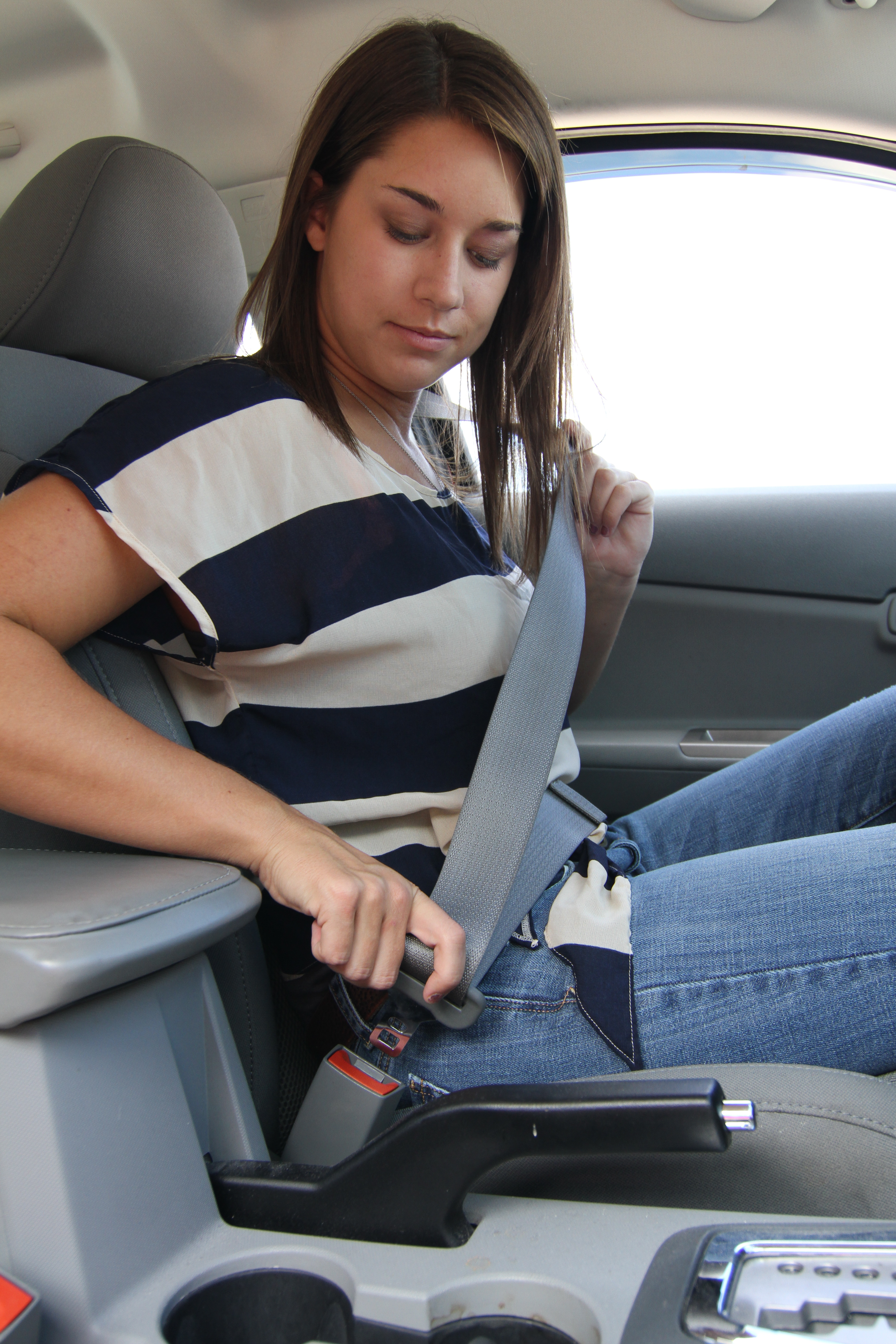
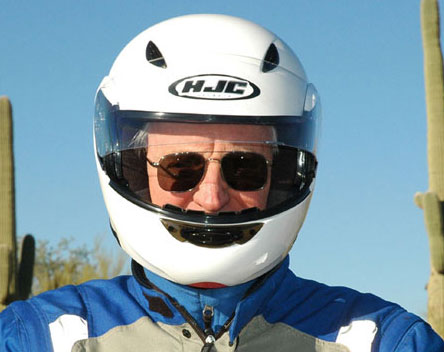
This produces a subtlety students often miss: a claimant's contributory negligence need not have contributed to causing the accident at all. It is enough that it contributed to the extent of the damage or injury suffered. This is precisely why failing to wear a seatbelt or a crash helmet counts as contributory negligence, even though the failure to wear one did not cause the collision in the slightest — it only made the resulting injuries worse.
Children get a child's standard
The standard of care expected of a child claimant is that of an ordinarily prudent child of the same age, not the reasonable adult standard used elsewhere in negligence. In Gough v Thorne [1966] 1 WLR 1387, a 13-year-old girl crossed the road relying on a lorry driver's signal that it was safe to do so, and was struck by an overtaking car. The Court of Appeal held she was not contributorily negligent: a child of that age could not be expected to possess an adult's road sense, and relying on an adult's signal was exactly what a sensible 13-year-old would do.
The guideline percentages: seatbelts, helmets, and drunk drivers
Three fact patterns generate the guideline percentages examiners love to test, because they turn the abstract "just and equitable" standard into concrete numbers.
Froom v Butcher [1976] QB 286 — failure to wear a seatbelt. The Court of Appeal set guideline reductions of 25% where wearing a seatbelt would have prevented the injuries entirely, and 15% where it would have made the injuries significantly less severe. Where wearing a seatbelt would have made no difference to the injuries, there is no reduction at all.
The same logic extends to motorcyclists. In O'Connell v Jackson [1972] 1 QB 270, the claimant's damages were reduced by 15% for failing to wear a crash helmet, even though the defendant driver was solely responsible for causing the collision itself — again illustrating that contributory negligence looks at the extent of harm, not the cause of the crash.
A third pattern concerns knowingly risky choices about who drives you. In Owens v Brimmell [1977] QB 859, a passenger accepted a lift from a driver he knew had drunk enough to impair his driving ability; his damages were reduced by 20%. The lesson generalises: a passenger's own poor judgement about the risk they are accepting from a driver can attract a contributory-negligence discount, distinct from (and compatible with) the Road Traffic Act's bar on volenti discussed above.

The 100% ceiling
However badly a claimant has behaved, English courts have held that a claimant cannot be found 100% contributorily negligent. In Anderson v Newham College of Further Education [2002] EWCA Civ 505, the Court of Appeal described a finding of 100% contributory negligence as logically indefensible. The reasoning is structural, not sentimental: the 1945 Act only operates to reduce damages once the defendant has already been found liable in the first place. If the defendant bears no responsibility at all, the correct analysis is that the claim fails entirely on liability — there is no negligence finding to apportion. Contributory negligence and liability are two separate questions, and the Act only ever answers the second one.
The third defence operates on entirely different territory. Illegality, expressed in the maxim ex turpi causa non oritur actio ("no action arises from a base cause"), prevents a claimant from recovering damages where allowing the claim would be contrary to the public interest because of the claimant's own criminal or illegal conduct. Unlike contributory negligence, illegality is not about apportioning blame for an accident — it is about whether the courts should lend their machinery to a claim tainted by the claimant's own wrongdoing at all.
From "reliance" to "range of factors": Patel v Mirza
For decades, courts applied a reliance-based test: did the claimant need to rely on their own illegal conduct to establish the elements of their claim? If so, the claim failed; if the claimant could plead a case without mentioning the illegality, it might succeed — an approach widely criticised as arbitrary, since the outcome could turn on how a claim happened to be pleaded rather than on its underlying merits.
Patel v Mirza [2016] UKSC 42 replaced the reliance test with a range-of-factors approach. The Supreme Court held that courts must assess whether enforcing the claim would harm the integrity of the legal system, weighing:
- the underlying purpose of the prohibition that was breached, and whether denying the claim would enhance that purpose;
- any other relevant public policies that might be affected by allowing or denying the claim; and
- whether denying the claim would be a proportionate response to the claimant's illegal conduct.
This is a genuinely different way of thinking about illegality: instead of a mechanical pleading test, judges now openly weigh policy considerations and ask whether refusing the claim actually serves the purpose the law was trying to achieve, rather than simply punishing the claimant a second time for conduct the criminal law has already addressed.
Joint illegal enterprise
One recurring illegality scenario is the joint illegal enterprise — where claimant and defendant were both engaged in the same unlawful venture when the claimant was injured. In Pitts v Hunt [1991] 1 QB 24, the Court of Appeal held that public policy barred a claim by a pillion passenger who had actively encouraged the drunk, unlicensed rider of a motorcycle to drive dangerously and illegally. Where a joint illegal enterprise defeats the very existence of a duty of care between the parties in this way, the claimant's negligence claim fails entirely — it is not merely reduced, as it would be under contributory negligence.
A defendant relying on illegality must also show a sufficiently close connection between the claimant's illegal conduct and the damage for which compensation is sought — a stray, unrelated offence in the claimant's past will not taint an otherwise unconnected personal injury claim.
The examination skill here is not memorising each defence in isolation but recognising, from a fact pattern, which one — if any — is actually engaged, and what it does to the outcome:
- If the claimant appears to have freely agreed to run the defendant's legal risk with full knowledge of it (and is not a rescuer, an employee whose employer was itself at fault, or a motor-vehicle passenger protected by section 149), think volenti — a complete bar.
- If the claimant also failed to take reasonable care for themselves — no seatbelt, no helmet, accepting a lift from a drunk driver — think contributory negligence: apply the guideline percentages and remember the 100% ceiling.
- If the claimant's own criminal conduct is bound up with the claim, run the Patel v Mirza range-of-factors analysis; if it is a joint illegal enterprise defeating the duty of care itself, the claim fails outright.
Contributory negligence and illegality are conceptually distinct for exactly this reason: contributory negligence apportions responsibility for damage that has already been established as compensable, while illegality can bar the claim outright on public policy grounds before damages are ever calculated. Keeping that structural difference straight — partial reduction versus complete bar, and consent versus carelessness versus criminality — is what separates a solid SQE1 answer from a muddled one.