Occupiers' Liability
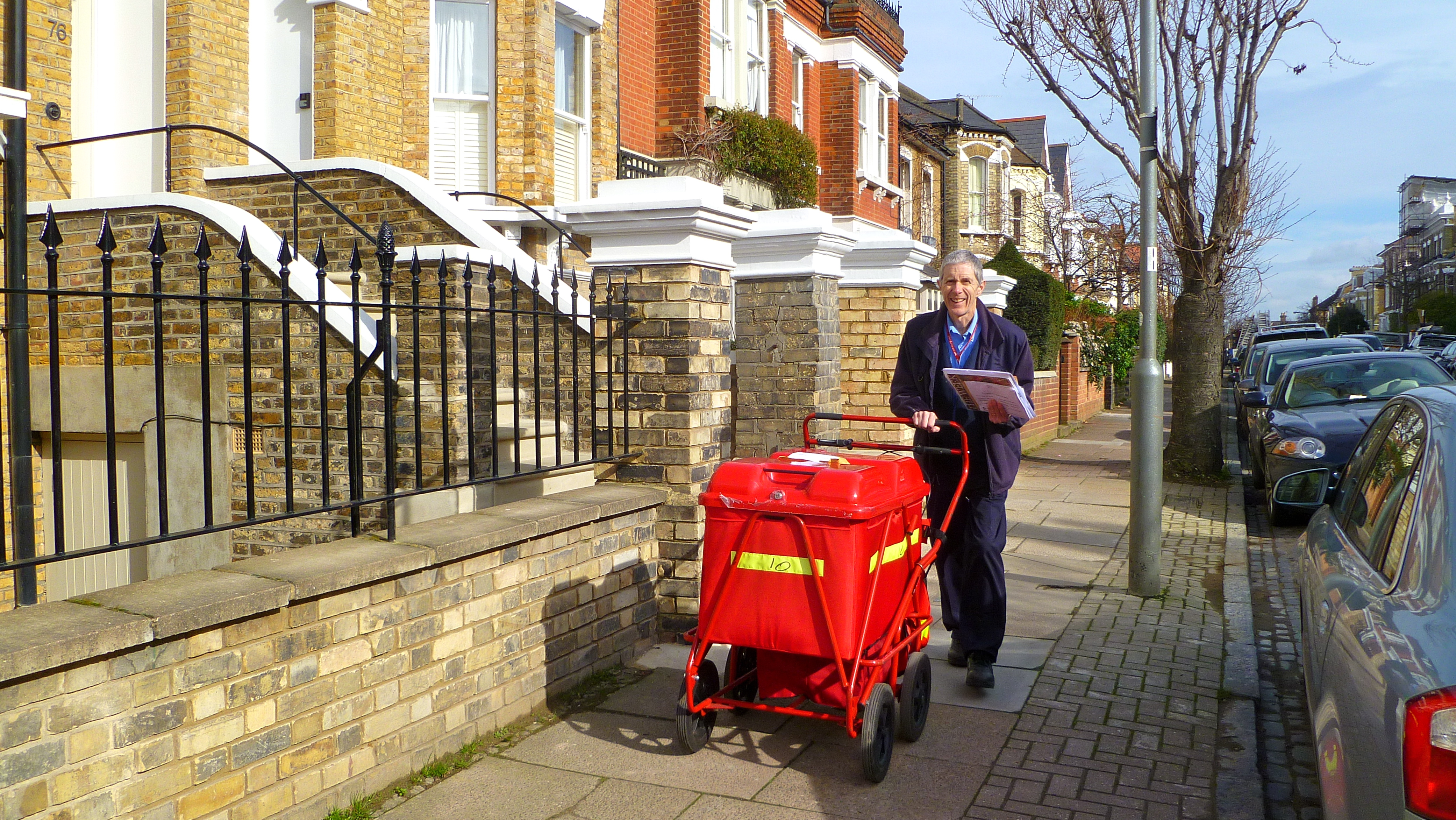
A postman walks up your client's garden path to deliver a parcel, slips on a mossy step, and breaks his wrist. A burglar climbs over the back fence the same night, cuts himself on broken glass embedded along the top, and later sues. Both claimants were on the same premises, both were injured by the state of the property — yet English law asks a solicitor to run two entirely different statutory analyses to work out whether either of them can recover. That fork is the whole architecture of occupiers' liability, and mastering it is really an exercise in classification: who counts as an occupier, who counts as a visitor, and which of two Acts of Parliament governs the claim.
Before 1957, the common law drew fine and often absurd distinctions between "invitees," "licensees," and "trespassers," each owed a different standard of care. The Occupiers' Liability Act 1957 swept this away for lawful entrants. Section 1(1) is explicit that the rules in the Act operate "in place of the rules of the common law" to regulate the duty an occupier owes to visitors "in respect of dangers due to the state of the premises or to things done or omitted to be done on them." Crucially, the 1957 Act did not invent new categories of claimant — it simply restated who counts as occupier and visitor by reference to the old common law categories: the people who would have been an occupier and an invitee or licensee at common law are the same people who are occupier and visitor under the statute.
Trespassers were left out in the cold entirely until British Railways Board v Herrington [1972] AC 877, where the House of Lords held that an occupier owes trespassers a duty of common humanity — a limited obligation to take reasonable steps against dangers the occupier actually knows about or anticipates. That judge-made duty was itself replaced by Parliament in the Occupiers' Liability Act 1984, which now governs the duty owed to non-visitors, including trespassers.
So the very first move in any occupiers' liability problem is a classification exercise: is the claimant an occupier's visitor (1957 Act) or a non-visitor (1984 Act)? Everything else follows from that answer.
Neither Act defines "occupier" exhaustively — both borrow the common law meaning. The leading case is Wheat v Lacon & Co Ltd [1966] AC 552, where the House of Lords held that an occupier is anyone with a sufficient degree of control over premises to realise that a failure to take care may cause injury to a person lawfully there. This is a control test, not an ownership test, and it produces three consequences a solicitor must internalise:
Key principle: Occupation for these purposes does not require exclusive physical possession. Control is enough.
- An occupier does not need exclusive physical occupation of the premises to owe the statutory duty.
- More than one person can be an occupier of the same premises at the same time — a brewery that owns a pub and the manager who runs it day-to-day can both be occupiers simultaneously, as Wheat v Lacon itself illustrates.
- Different occupiers of the same premises can owe visitors duties of different scope, depending on the extent of each occupier's control. The brewery, controlling the structure, might answer for a defective staircase; the manager, controlling day-to-day use, might answer for a wet floor left unattended.

The concept of "premises" is also deliberately broad. Section 1(3)(a) of the 1957 Act extends "premises" to any fixed or moveable structure, including a vessel, vehicle, or aircraft — so a scaffold, a ship, or a plane fall within the same duty framework as a building.
A person is a visitor only within the scope of the permission granted. Step outside that scope — geographically, temporally, or purposively — and visitor status evaporates.
- Spatial limits: a person becomes a trespasser if they go beyond the physical area they were permitted to enter (a customer in a shop who wanders into the staff-only stockroom).
- Temporal limits: a person becomes a trespasser if they remain on the premises beyond the time for which permission was given (a nightclub patron who refuses to leave at closing).
- Purposive limits: a visitor who uses the premises for a purpose outside the scope of the occupier's permission may lose visitor status entirely.
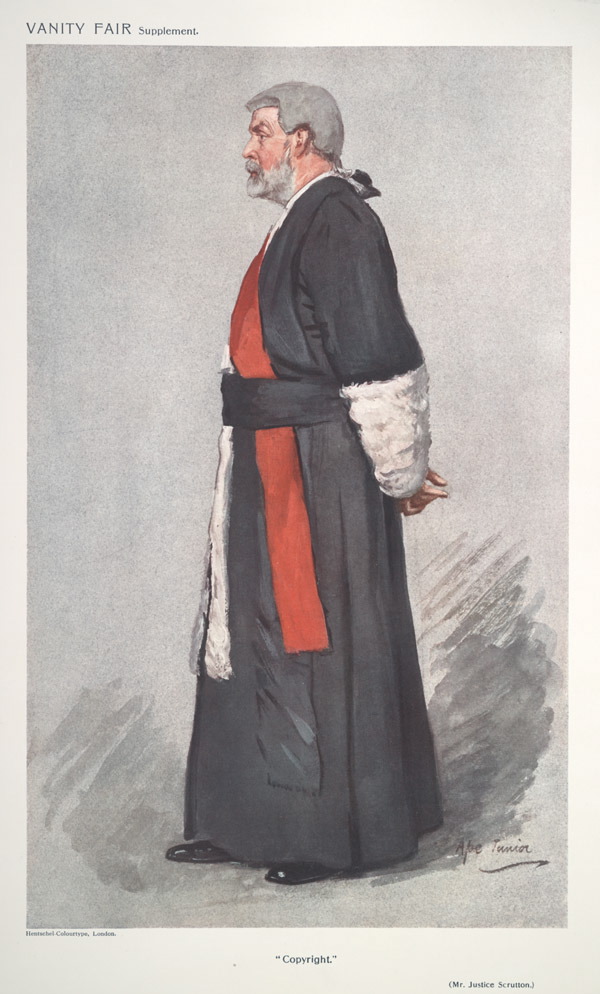
The classic illustration of purposive limits is The Calgarth [1927] P 93, where Scrutton LJ observed, memorably, that "when you invite a person into your house to use the staircase, you do not invite him to slide down the banisters" — inviting someone to use a facility for its intended purpose says nothing about permission to misuse it. This single line does enormous work in SQE1 problem questions: a visitor who does something the occupier never contemplated or authorised can suddenly find themselves litigating under the 1984 Act instead of the 1957 Act.
Section 2(1) is the operative provision: an occupier owes the same duty — the "common duty of care" — to all visitors, unless the occupier validly extends, restricts, modifies, or excludes that duty. Section 2(2) defines the standard: taking such care as is reasonable in the circumstances to keep the visitor reasonably safe for the purposes for which they were permitted to be on the premises.
Two features of this definition matter enormously for advice:
- The duty is to make the visitor safe, not the premises safe in the abstract — an occupier is not an insurer against every mishap.
- The duty is scoped to the purpose of the visit. A meter reader permitted onto premises to read the meter is not owed a duty in respect of hazards encountered while wandering into unrelated parts of the building for unrelated purposes.
Children: a heightened standard
Section 2(3)(a) requires an occupier to be prepared for children to be less careful than adults — the standard of reasonable care is calibrated to the visitor, not a single objective adult benchmark. This is where the doctrine of the allurement becomes important: a feature of the premises that is attractive to a child and increases the risk that the child will encounter and be harmed by a hazard. In Glasgow Corporation v Taylor [1922] 1 AC 44, poisonous berries growing on public land were treated as capable of being just such an allurement to a child visitor — the very attractiveness of the danger is what heightens the occupier's responsibility.
But this heightened duty is not unlimited. Phipps v Rochester Corporation [1955] 1 QB 450 held that an occupier can normally assume very young children will be accompanied by a responsible adult. Responsibility for the safety of very young children rests primarily with parents or guardians, not the occupier — a five-year-old wandering an unfenced building site unaccompanied shifts a good deal of the risk calculus back onto the parents who let that happen.
Client-advice takeaway: when a child claimant is involved, always ask (1) was there an allurement, and (2) should the child reasonably have been supervised by an accompanying adult? The answers pull the duty in opposite directions.
Skilled visitors: a lowered standard
The mirror image of the child rule is section 2(3)(b): an occupier may expect a person exercising a calling to appreciate and guard against special risks ordinarily incident to that calling, so far as the occupier leaves them free to do so. Roles v Nathan [1963] 1 WLR 1117 is the paradigm case: chimney sweeps who died from carbon monoxide poisoning after ignoring specific warnings were held to have accepted a risk ordinarily incident to their trade. A contractor engaged for specialist work is expected to bring the judgment of that trade with them; the occupier is not required to protect a skilled visitor from the very risks that define their expertise.

Warnings do not automatically discharge the duty
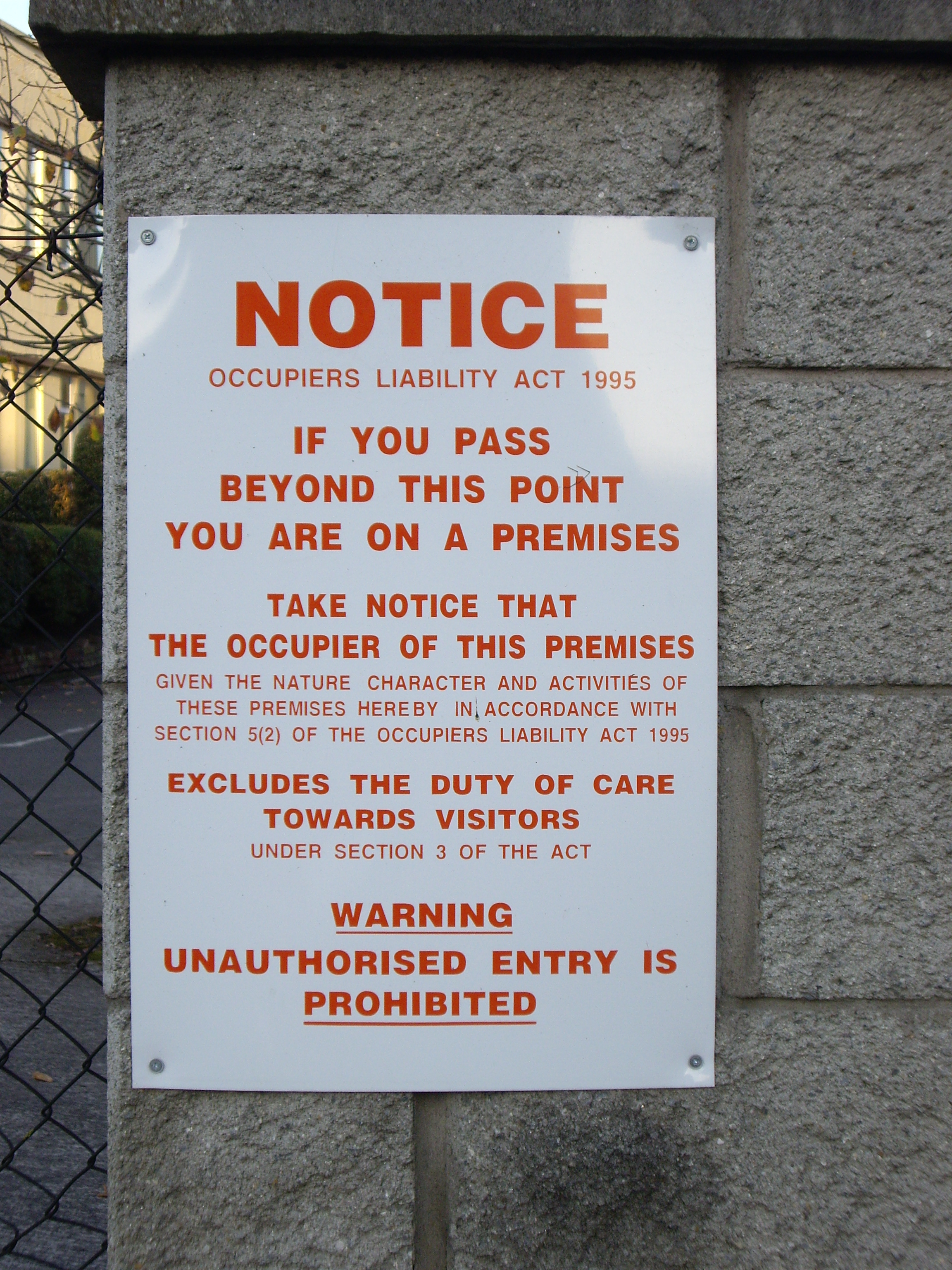
Section 2(4)(a) is a trap for the unwary occupier: a warning of danger does not automatically discharge the common duty of care. It only does so if, in all the circumstances, the warning was enough to make the visitor reasonably safe. A sign reading "Danger: Deep Excavation" at the edge of an unlit pit at night may not be enough if the sign itself cannot be seen — the warning must actually function to protect, not merely exist.
The independent contractor defence
Section 2(4)(b) provides a defence where the occupier entrusted work to an independent contractor, provided (i) entrusting the work out was reasonable, (ii) the contractor was reasonably believed to be competent, and (iii) the occupier took reasonable steps to check the work had been properly done. The scope of that third limb — checking the work — turns on how technical the work was:
| Case | Facts | Outcome | Why |
|---|---|---|---|
| Haseldine v Daw & Son Ltd [1941] 2 KB 343 | Lift-repair contractor's negligence caused injury | Occupier not liable | Checking specialist technical work was beyond what a layperson could reasonably do |
| Woodward v Mayor of Hastings [1945] KB 174 | Contractor left snow-cleared steps still icy | Occupier liable | Clearing snow from steps was simple, non-technical work the occupier should have checked was done properly |
The pattern the SQE1 examiner is testing: the independent contractor defence is easier to establish for technical or specialist work than for simple, non-technical work, because reasonable verification means something different in each case. A solicitor advising an occupier client must ask not just "did you hire someone competent?" but "could you, realistically, have checked their work yourself?"
Volenti and contractual visitors
Section 2(5) confirms the common duty of care does not require protecting a visitor against risks they willingly accepted — the volenti non fit injuria defence, applied here with a strict requirement that the visitor had full knowledge of the nature and extent of the risk. Partial or vague awareness of "some danger" will not suffice; the claimant must have understood precisely what they were accepting.
Where entry is by contract, section 5(1) implies a term into that contract requiring at least the common duty of care where the contract is silent on the point — so a paying visitor to a stately home, absent an express term, gets no less protection than an ordinary visitor would.
An occupier of business premises can restrict or exclude the common duty of care by clear notice — but that freedom is heavily curtailed by the Unfair Contract Terms Act 1977 (UCTA):
- UCTA s 2(1): a person cannot exclude or restrict business liability for death or personal injury resulting from negligence, including breach of the common duty of care. This is an absolute bar — no notice, however clearly worded, can exclude liability for a visitor who dies or is injured on business premises due to the occupier's negligence.
- UCTA s 2(2): business liability for other loss or damage (property damage, for instance) caused by negligence can be excluded or restricted, but only if the exclusion term satisfies the requirement of reasonableness.
By contrast, a non-business occupier — a private homeowner hosting a dinner party, say — can validly exclude or restrict liability even for death or personal injury, because UCTA's negligence-liability controls apply only to business liability. A hand-written sign at a private homeowner's gate saying "enter at your own risk, owner accepts no liability" can be fully effective in a way that the same sign at a shop entrance could never be for personal injury.
Practical distinction: always establish first whether your occupier client is acting in a business capacity in granting access. The UCTA analysis — and therefore the enforceability of any exclusion clause — hinges entirely on that classification.
Once a claimant is classified as a non-visitor — most commonly a trespasser — the 1957 Act has nothing more to say, and the analysis shifts wholesale to the Occupiers' Liability Act 1984. Section 1(2) confirms "occupier" and "visitor" carry the same meanings as under the 1957 Act, so the control test from Wheat v Lacon still does the classification work; what changes is the content and the trigger of the duty.
The three-part gateway test
Unlike the 1957 Act, where a duty is owed automatically to every visitor, the 1984 Act only imposes a duty on an occupier towards a non-visitor if all three conditions in section 1(3) are satisfied:
Section 1(3) — all three limbs must be met: (a) the occupier is aware of the danger, or has reasonable grounds to believe it exists; (b) the occupier knows, or has reasonable grounds to believe, that the non-visitor is, or may come, into the vicinity of the danger; and (c) the risk is one against which the occupier may reasonably be expected to offer the non-visitor some protection.
This is a genuinely higher bar than the 1957 Act's automatic duty, and it is the single most tested structural difference between the two regimes: under the 1957 Act a common duty of care is owed automatically to every visitor, whereas under the 1984 Act a duty to a non-visitor arises only if the three-part statutory test is met. Fail any one limb and no duty arises at all — the claim ends there, before questions of breach or causation are ever reached.
Rhind v Astbury Water Park Ltd [2004] EWCA Civ 756 shows limb (a) doing real work: the occupier had no actual or constructive knowledge of a submerged hazard, so the section 1(3)(a) awareness requirement was not satisfied and no duty arose at all. Donoghue v Folkestone Properties Ltd [2003] EWCA Civ 231 clarifies that whether the occupier had reasonable grounds to believe a trespasser might be in the vicinity of a danger (limb (b)) must be assessed at the specific time of the incident — a marina might reasonably anticipate trespassers diving from a harbour wall in summer daylight but not from the same spot on a freezing December night, which was precisely the seasonal distinction the Court of Appeal drew.

The content of the duty and how it is discharged
Where the gateway test is satisfied, section 1(4) defines the duty as taking such care as is reasonable in the circumstances to prevent injury from the known danger. Section 1(5) allows this duty to be discharged simply by taking reasonable steps to warn of the danger or to discourage persons from incurring the risk — a materially lighter discharge mechanism than the 1957 Act's more demanding "reasonably safe" standard, reflecting that non-visitors have no claim to the same level of protection as those the occupier has actually invited in.
Defences and exclusions specific to the 1984 Act
Section 1(6) excludes any duty in respect of risks willingly accepted by the non-visitor — the 1984 Act's own volenti provision. Ratcliff v McConnell [1999] 1 WLR 670 applied this squarely: an adult trespasser who dived into a swimming pool at night was held to have willingly accepted an obvious risk, so no duty was breached.

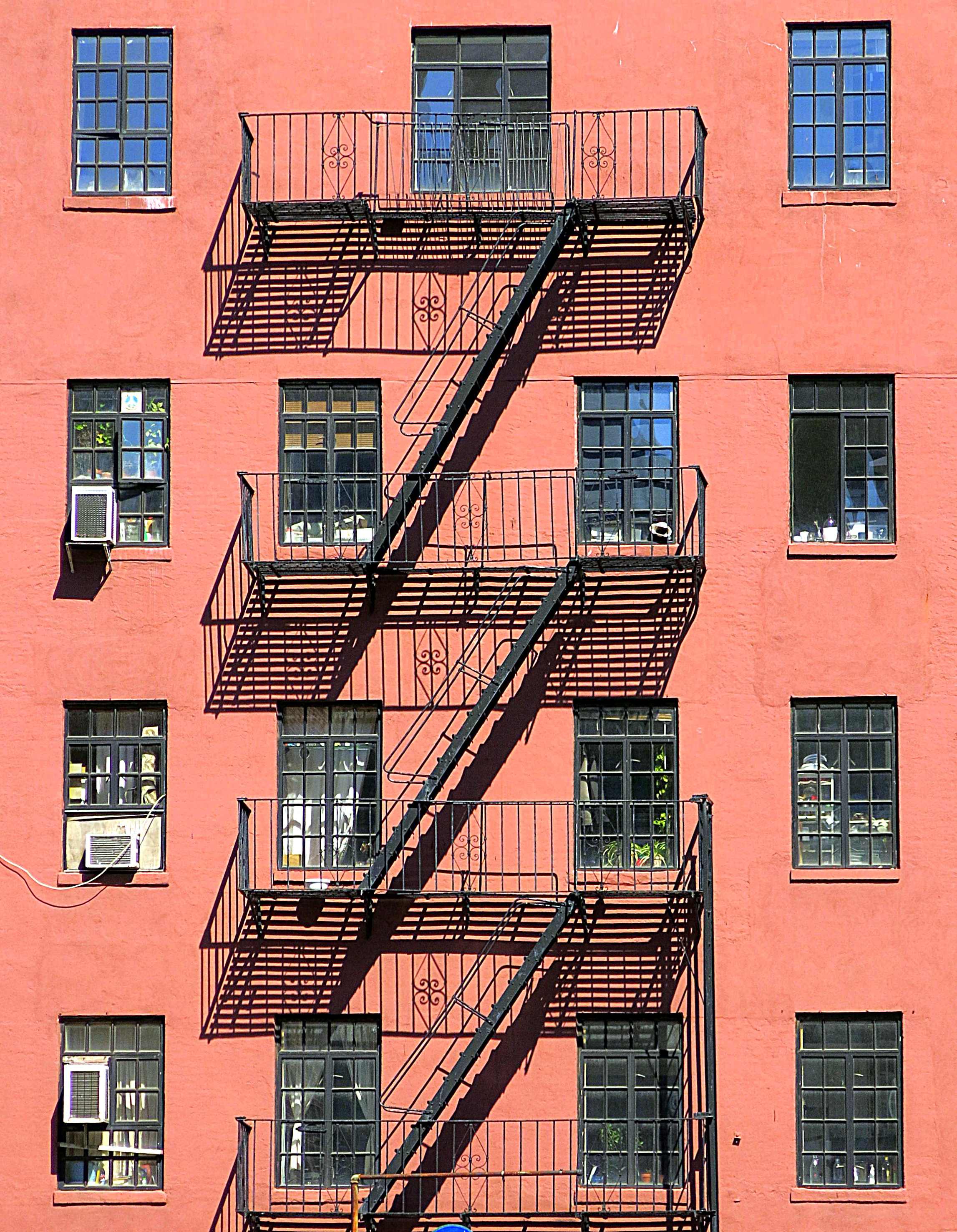
That case sits alongside a broader principle drawn from Tomlinson v Congleton Borough Council [2003] UKHL 47: the House of Lords held that an occupier owes no duty at all under the 1984 Act to protect a person from an obvious danger that person voluntarily chose to encounter. Tomlinson had dived into a shallow lake despite prominent warning signs; the House of Lords reasoned that the risk arose from his own choice to dive, not from the state of the premises. This produces a subtler point that recurs across the case law: for a duty to arise under the 1984 Act at all, the danger must arise from the state of the premises or from things done or omitted on them — not merely from the claimant's own risky activity. Keown v Coventry Healthcare NHS Trust [2006] EWCA Civ 39 applies exactly this reasoning: a child injured while climbing an external fire escape was held not to be owed a duty, because the danger arose from what the child chose to do, not from any defective state of the fire escape itself. Notice the analytical move in both cases: it is not that the risk was "accepted" (a section 1(6) defence) so much as that no relevant danger from the premises existed in the first place — a no-duty point that can dispose of a claim before defences are even reached.
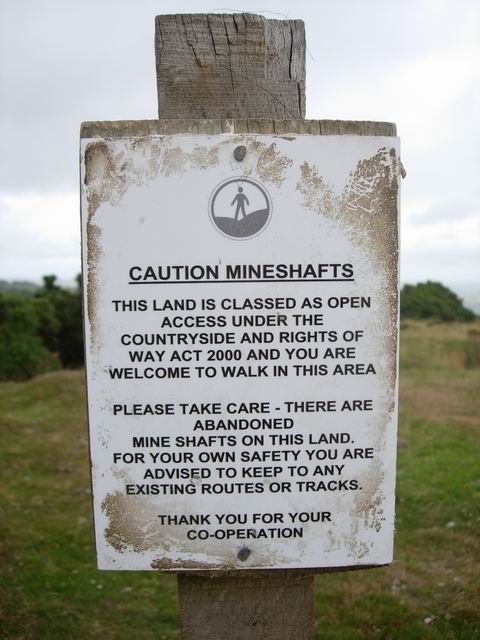
Section 1(6A), inserted by the Countryside and Rights of Way Act 2000, removes the duty owed to persons exercising the statutory right of access to open country in respect of risks arising from natural features of the landscape — a rambler injured by a natural rock fall on access land generally cannot claim. But this exclusion has its own limit: it does not apply if the occupier intended to create the risk or was reckless as to whether it was created — so a landowner who deliberately destabilised a slope, for instance, could not shelter behind s 1(6A).
Scope of recoverable harm
Section 1(8) limits 1984 Act liability to personal injury, expressly excluding property damage — a stark contrast with the 1957 Act, which covers both personal injury and property damage. Section 1(9) defines "injury" as death or personal injury, including any disease and any impairment of physical or mental condition. A trespasser whose laptop is destroyed by a fall through rotten decking has no 1984 Act claim for the laptop, however clear the claim for the physical injury itself.
A few doctrines apply across both statutes and are easy to overlook in the rush to classify visitor versus non-visitor:
- Contributory negligence: liability under both the 1957 and 1984 Acts can be reduced for the claimant's own contributory negligence under the Law Reform (Contributory Negligence) Act 1945 — classification under the right Act is only step one; apportionment for the claimant's own carelessness still follows.
- UCTA and recreational access: the Unfair Contract Terms Act 1977, as amended by the 1984 Act, treats liability for recreational or educational access to premises as business liability only if granting that access itself falls within the occupier's business purposes — a farmer who happens to let ramblers cross a field for free, where doing so is incidental rather than part of the farming business, is not thereby exposed to the full UCTA business-liability regime.
For SQE1 purposes, and for practice, the same sequence should be run every time:
- Identify the occupier(s). Apply the Wheat v Lacon control test — remember multiple occupiers with different scopes of duty are entirely possible.
- Classify the claimant. Visitor (1957 Act) or non-visitor (1984 Act)? Watch for spatial, temporal, or purposive limits on permission (The Calgarth) that can convert a visitor into a trespasser mid-visit.
- If 1957 Act: apply the common duty of care under s 2(2), adjusting for children (s 2(3)(a), allurement doctrine) or skilled visitors (s 2(3)(b)); check whether a warning (s 2(4)(a)) or independent contractor defence (s 2(4)(b)) discharges the duty; check for valid exclusion under UCTA.
- If 1984 Act: run the three-limb section 1(3) gateway test before anything else — if any limb fails, there is no duty and the analysis stops. If the gateway is satisfied, consider whether the danger truly arose from the state of the premises (Tomlinson, Keown) rather than the claimant's own chosen activity, and whether volenti (s 1(6)) or the natural-features exclusion (s 1(6A)) applies.
- Adjust for contributory negligence and confirm the type of loss claimed is recoverable under the applicable Act (property damage only under 1957; personal injury only under 1984).
This sequencing is what separates a competent occupiers' liability answer from a confused one: get the classification at step 1 and step 2 wrong, and every subsequent analysis — however sound in isolation — answers a question the facts never actually posed.