Starting and Serving Proceedings
A claim form is a legal missile: before it can be launched, a solicitor must decide which launch pad fires it (High Court or County Court), load it correctly (the right parties, the right particulars), and then guide it to its target within a strict flight window (service). Miss any one of these steps and the claim can stall, misfire, or — in the worst case — die on the pad through a limitation defence. This topic is the mechanical backbone of every civil dispute: get it wrong, and a case with perfect merits can collapse before the substance is ever argued.
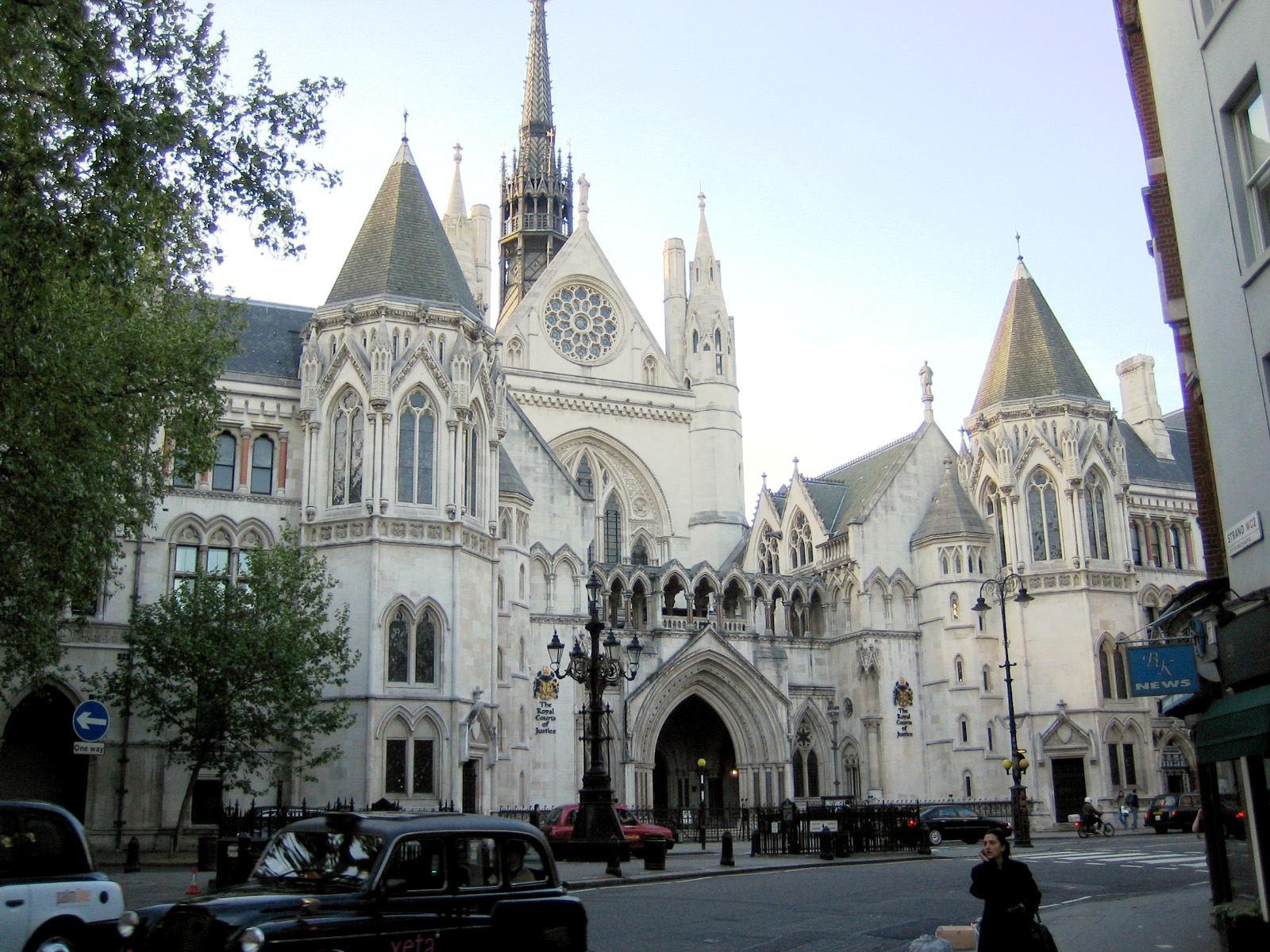
The starting point is jurisdiction — not in the constitutional sense, but in the everyday sense of "which building do I send this to?" The rules here are numerical and largely automatic, which is precisely why SQE1 loves testing them: they are the kind of rule a busy solicitor can get wrong through carelessness rather than ignorance.
The general position, set out in the High Court and County Court Jurisdiction Order 1991 (as amended in 2014), is that money claims are allocated by value:

Money claims of £100,000 or less must be started in the County Court. A claim for damages may only be started in the High Court where its value exceeds £100,000.
Personal injury claims get their own, stricter threshold, because Parliament decided that most personal injury litigation is routine enough to belong in the County Court regardless of its headline value:

A claim including damages for personal injury must be started in the County Court unless its value is £50,000 or more.
| Claim type | Must start in County Court | May start in High Court |
|---|---|---|
| General money claim | £100,000 or less | Over £100,000 |
| Personal injury claim | Under £50,000 | £50,000 or more |
One quietly important drafting point: when you calculate "value" for this allocation exercise, you ignore any interest claimed on the sum sought. A £95,000 debt claim with £8,000 of accrued interest is still a £95,000 claim for allocation purposes, not a £103,000 one — so it stays in the County Court.
There are, however, escape hatches into the High Court even for claims that fall below the general threshold. Three matter most:
- Specialist lists. A claim may be started in the High Court despite its modest value if it belongs in a specialist list — the Commercial Court, the Technology and Construction Court, or the Chancery business lists are the classic examples. These lists exist because certain disputes (complex commercial contracts, construction defects, trusts and company law) need judges with specialist expertise, regardless of the pounds and pence at stake.
- General public importance. A claim may go to the High Court where it raises questions of general public importance — think of a test case that will affect thousands of similar disputes.
- Unusual complexity. A claim may go to the High Court where the facts, legal issues, remedies, or procedures involved are unusually complex, even if the amount claimed is modest.
Think of these three gateways as a pressure-release valve: the value thresholds are a good proxy for "how hard is this case to run," but proxies are imperfect, so the rules build in room for judgment where the value is misleading.
Here is the reassuring part for anyone worried about getting this wrong: starting a claim in the wrong court between the High Court and County Court does not automatically invalidate it. The court can transfer the claim to the correct court, either of its own initiative or on application by a party. The claim survives; it is simply redirected. This matters practically — a solicitor who miscalculates the value slightly, or misjudges the "complexity" gateway, has not committed a fatal error, though it may still attract costs consequences and case management delay.
The Mechanics of Where You Actually File
Since 2014, the old patchwork of local county court hearing centres has been replaced by the concept of a single, unified County Court — a claimant issues in "the County Court" as an institution rather than choosing a specific local hearing centre. For claims for a specified sum of money, this is made even simpler: they can be issued online through Money Claim Online (MCOL) or the County Court Business Centre (CCBC), both of which exist to strip the friction out of routine debt recovery.
Civil proceedings under Part 7 of the Civil Procedure Rules (the standard track for most claims, as distinct from the abbreviated Part 8 procedure for claims without substantial factual dispute) are started by filing a claim form together with the applicable court fee. Practice Direction 7A supplements Part 7 and supplies the operational detail on how this filing actually works.
The standard vehicle for this is Form N1 — the workhorse claim form used to start the great majority of Part 7 proceedings in England and Wales. Court fees for a money claim are not flat; they are calculated by reference to the value of the sum claimed, so the fee itself is a second, quieter signal of how the claimant has valued the case.
Date of issue matters more than date of dispatch. A claim is treated as issued on the date the court records on the claim form — not the date the claimant sends it. If limitation is about to expire, a solicitor cannot rely on posting the claim form on the last day; what counts is when the court stamps it.
This is a limitation trap worth sitting with. A claimant might post a claim form on the very last day of a limitation period, confident they have "issued in time" — but if the court does not process and date-stamp it until after the limitation period expires, the claim can be time-barred through no fault of drafting, only of timing. Courts have developed some protective practice around this (treating the claim as issued when received, in certain circumstances), but the underlying rule — issue date is the court's date, not the sender's — is what SQE1 will test.
Particulars of Claim
The particulars of claim — the document setting out the facts and legal basis of the claim in detail — can either be built into the claim form itself, or served separately afterwards. If served separately:
Under CPR 7.4, particulars of claim served separately from the claim form must be served within 14 days after service of the claim form — and, crucially, no later than the latest time for serving the claim form itself.
That second condition is easy to miss and is exactly the kind of trap SQE1 favours. The 14-day rule and the "claim form deadline" rule operate together, and the earlier of the two governs. If the claim form itself is served close to the outer edge of its own time limit, the 14-day allowance for particulars can be swallowed almost entirely — the particulars must still land by the claim form's own deadline, not 14 days beyond it.
The claimant is the party who issues the claim form and asserts a cause of action against the defendant. A person becomes a defendant to civil proceedings the moment a claim form naming them as defendant is issued — not when they receive it, not when the case is later argued. Status attaches at issue, not at service.
Multiple claimants or multiple defendants can be joined within a single claim form where their claims can conveniently be disposed of together — a sensible efficiency rule that avoids running six near-identical trials when one will do.
Naming parties correctly matters more than it might first appear:
- A company defendant should be named by its full registered company name — not a trading name, not a shorthand.
- A partnership carrying on business within the jurisdiction may sue or be sued in the name of the firm rather than listing every individual partner — a convenience that saves the claimant from having to identify (and correctly spell) every partner's name.
- A child or protected party cannot sue or be sued directly; they must act through a litigation friend, who conducts the litigation on their behalf. This exists because the law will not let a person who cannot fully protect their own interests — by reason of age or capacity — be exposed to litigation without someone standing between them and the process.
Issuing a claim form gets a claimant a case number; it does nothing to the defendant until the claim form is served. Service is the technical term for the act of bringing the claim form to the defendant's attention through a method permitted by Part 6 of the CPR — and the rules governing exactly how that happens are among the most heavily tested in this area, because they are precise, procedural, and unforgiving.
Permitted Methods
CPR 6.3 lists the permitted methods of service: personal service, first class post, leaving the document at a permitted address, document exchange (DX), or fax or other electronic means. That last category comes with a critical condition:
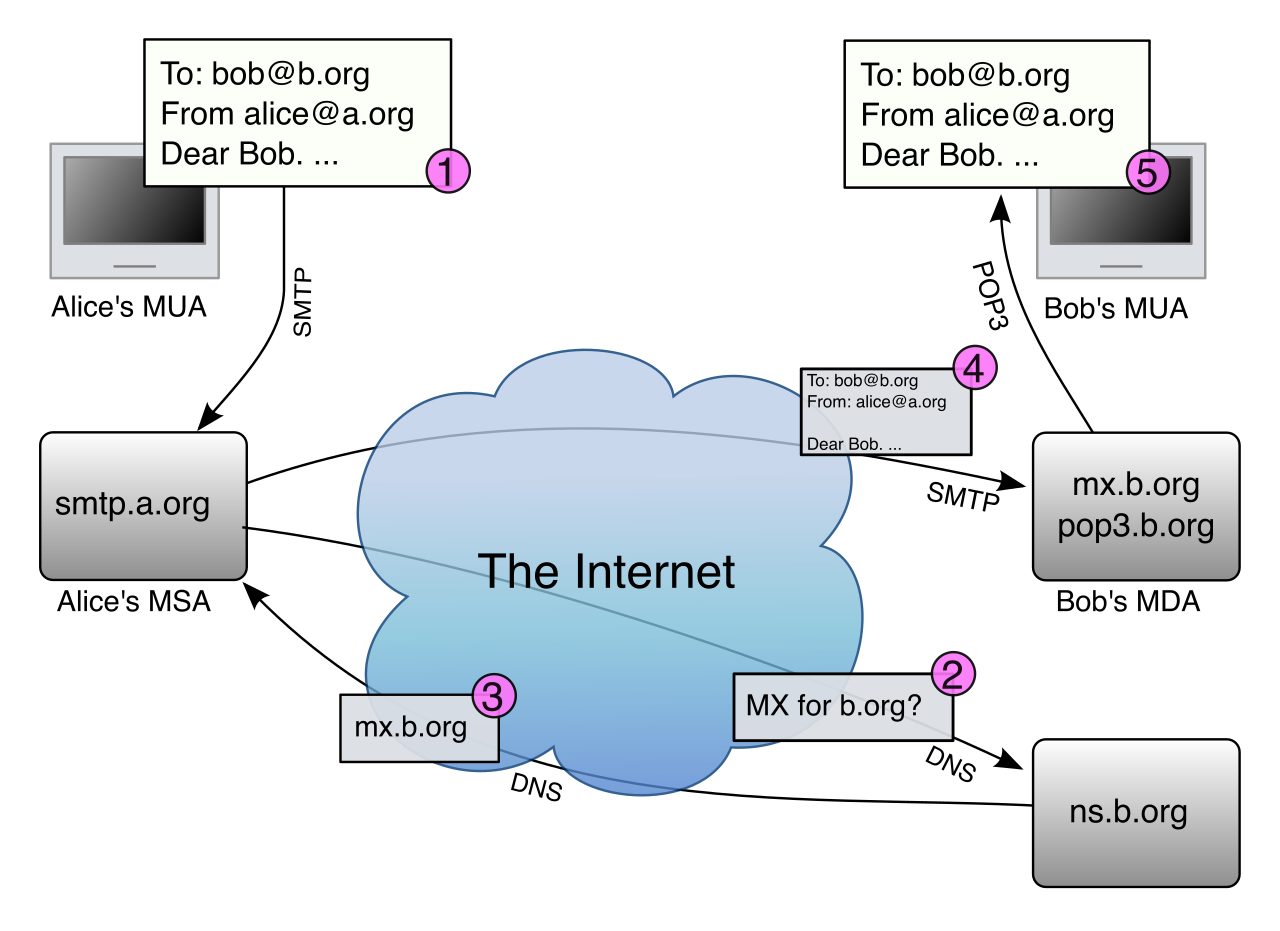
Service by email or other electronic means is only valid where the party to be served has previously indicated, in writing, a willingness to accept service by that method. You cannot simply email a claim form to an opponent's general inbox and call it served.
Personal service varies by the nature of the defendant:

| Defendant type | How personal service is effected |
|---|---|
| Individual | Leaving the claim form with that individual |
| Company | Leaving it with a person holding a senior position in the company, or at the company's registered office under s.1140 Companies Act 2006 |
| Partnership | Leaving it with a partner, or with a person who controls or manages the partnership business at its principal place of business |
Where a defendant's solicitor has notified the claimant in writing that they are instructed to accept service, the claim form must be served on the solicitor rather than on the defendant personally — this protects both the defendant's dignity (no process server turning up unannounced) and the efficiency of the litigation.
Who Actually Serves — Court or Claimant?
Under CPR 6.4, the default position is that the court serves the claim form, unless the claimant notifies the court of an intention to serve it themselves. Many claimants choose to serve personally for speed or control, but the rule's starting assumption is institutional service, and a claimant who wants to depart from that must actively say so.
The Clock: Time Limits for Service
This is the section most likely to decide a case on a technicality, so treat every number below as load-bearing:
Under CPR 7.5, a claim form must be served within four months of the date of issue where service takes place within the jurisdiction, and within six months where service takes place outside the jurisdiction.
Serving in time is only half the picture; the rules then translate the act of service into a deemed date:
Under CPR 6.14, a claim form served within the jurisdiction is deemed served on the second business day after completion of the step required by the method of service used.
"Business day" is itself a defined term, not a colloquial one:
Under CPR 6.2, a business day excludes Saturdays, Sundays, bank holidays, Good Friday, and Christmas Day.
And there is a cut-off within the day itself: a step taken to serve a claim form after 4:30pm on a business day is treated as having been taken on the next business day for the purpose of calculating the time for valid service. A process server who personally hands over a claim form at 5pm has, for these purposes, served it the following business day — which matters enormously if that pushes the step past the four- or six-month deadline.
If time is running out, the court may extend the time for service, but only on an application made before the existing time limit expires. There is no retrospective rescue for a claimant who lets the clock run out and only then asks for more time.
Two further safety valves exist for genuinely difficult service situations:
- CPR 6.15 — the court may permit service by an alternative method or at an alternative place where there is good reason (for example, a defendant who is evading service).
- CPR 6.16 — the court may dispense with service entirely, but only in exceptional circumstances. This is a rare, last-resort power, not a routine convenience.
Where Service Must Take Place
A defendant's address for service must be within the United Kingdom or another jurisdiction permitted by Part 6. Where no address has been given, the default rules step in:
- An individual should be served at their usual or last known residence.
- A company should be served at its principal office or at a place of business connected with the claim.

When the target is outside the jurisdiction, an extra procedural layer applies before service can even be attempted. As a general rule, serving a claim form on a defendant outside England and Wales requires the court's permission, unless a specific rule dispenses with that requirement. One common dispensation: where the parties have already agreed that the English courts have jurisdiction (an exclusive jurisdiction clause, for example), permission is not required — the parties' own contract has already done the jurisdictional work.
Where permission is needed, the applicant must clear two separate hurdles:
- A jurisdictional gateway. The claim must fall within one of the gateways set out in Practice Direction 6B — categories Parliament and the Rule Committee have identified as sufficiently connected to England and Wales to justify dragging a foreign defendant into an English court. These gateways were substantially expanded with effect from 1 October 2022, reflecting a deliberate policy shift toward a more permissive approach to service out. Two illustrative gateways: a claim in respect of a contract made within the jurisdiction, and a claim against a defendant domiciled within the jurisdiction.
- Proper place. Under CPR 6.37, the applicant must also satisfy the court that England and Wales is the proper place in which to bring the claim — a gateway alone is not enough; the claimant must show this is genuinely the right forum, not merely a permissible one.
Finally, where the destination country is a signatory to the Hague Service Convention, service can be effected through that country's designated central authority — an international administrative channel that formalises cross-border service so that it is recognised as valid both in England and in the receiving state.
Every rule in this topic exists to answer one of three practical questions a trainee solicitor will face on day one of a live file: Which court do I issue in? Who exactly am I suing, and how do I name them? How, and by when, must I get this document into the defendant's hands? Get the court wrong, and the case survives but stalls. Get the parties wrong, and you may have to amend or even start again. Get service wrong — miss the four-month window, serve by an unauthorised method, or misjudge the deemed-service date — and a claim with excellent merits can be struck out on a technicality alone. That asymmetry, between forgiving errors and fatal ones, is exactly what SQE1 is testing when it probes this topic.