Parts of Speech and Grammar for Clarity
Not sure you’re ready?
Take the ~3-minute readiness diagnostic and see where you stand.
A single ambiguous sentence in a patient’s chart can mean the difference between a routine recovery and a medical emergency. In the high-stakes environment of healthcare, we do not study grammar simply to appease English teachers; we study it because language is the infrastructure of precision. Just as a misplaced decimal in a medication dosage changes the entire chemical reality of a treatment, a misplaced modifier or an ambiguous pronoun shifts the reality of who is receiving what care, and when.
To master the ATI TEAS 7 English section, you must start looking at sentences the same way you look at the human body: as a system of interacting parts. If one part fails to do its job, or fails to "agree" with the system, the entire structure breaks down.
Let’s dissect the mechanics of the English language.
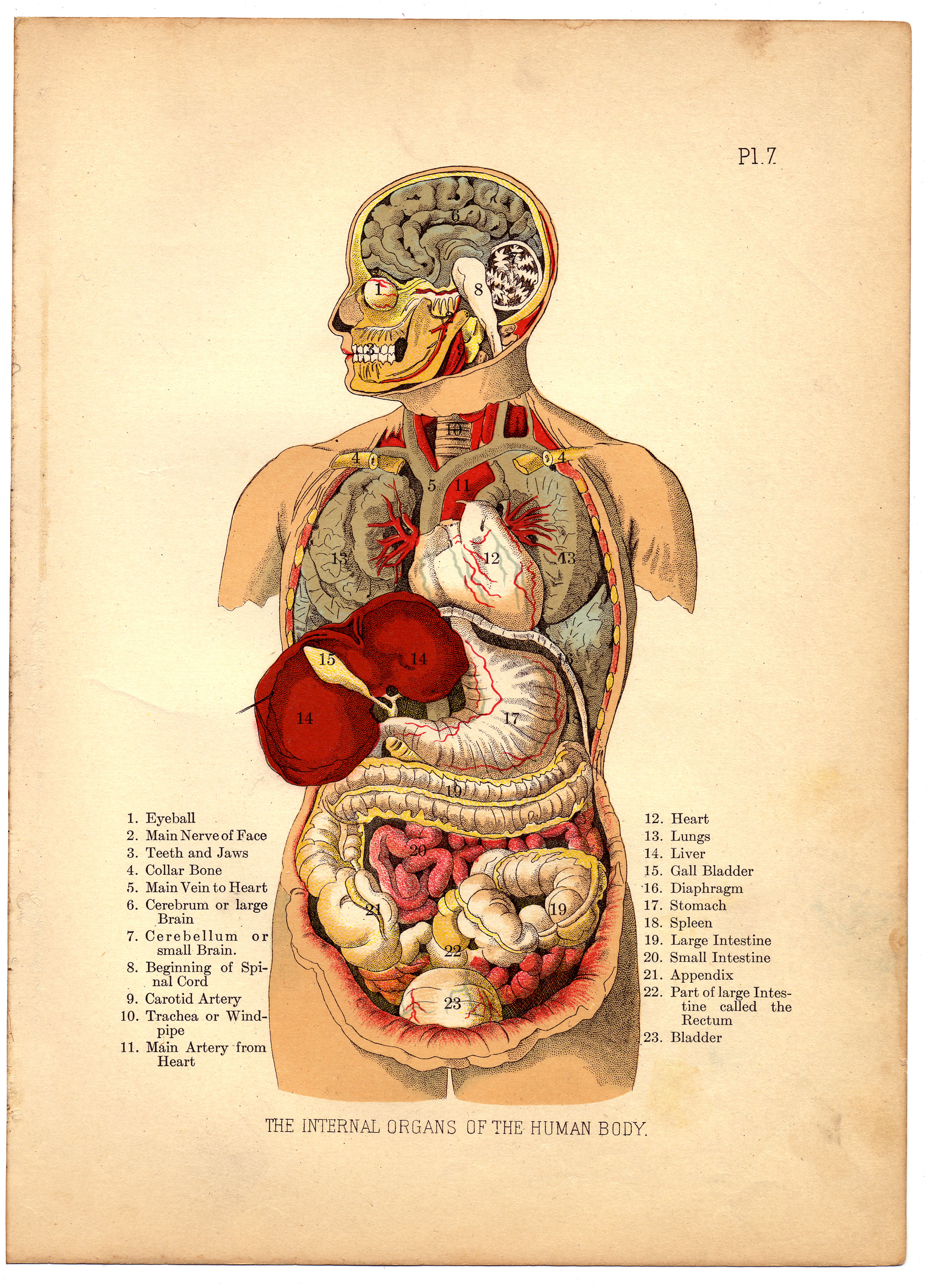
To diagnose a sick sentence, you must first know the names and functions of its organs. Every word in a sentence serves a specific physiological role.
Nouns and Pronouns: The Subjects of Our Care
A noun is a word that names a person, place, thing, or idea. It is the physical (or conceptual) substance of your sentence.
We can categorize nouns into several critical types:
- Common Nouns: A common noun names a general, non-specific person, place, thing, or idea. Think of words like hospital, nurse, or medication.
- Proper Nouns: A proper noun names a specific person, place, thing, or idea. Think of Johns Hopkins Hospital, Florence Nightingale, or Tylenol. Because they are specific, a proper noun is always capitalized in a sentence.
- Abstract Nouns: An abstract noun names an idea, quality, or state rather than a concrete physical object. In a clinical setting, you deal with concrete nouns like scalpel and thermometer, but you also heavily manage abstract nouns like pain, compassion, fatigue, and health.
Because writing out "the patient" or "the specific hospital" over and over is inefficient, language evolved a shortcut. A pronoun is a word used to take the place of one or more nouns in a sentence. But a pronoun is useless if we don't know who or what it refers to. The noun it points back to is crucial: an antecedent is the specific noun that a pronoun replaces.
- A personal pronoun refers to a specific person or thing (he, she, it, they).
- A possessive pronoun indicates ownership or possession (his, hers, theirs, its).
Verbs: The Heartbeat of the Sentence
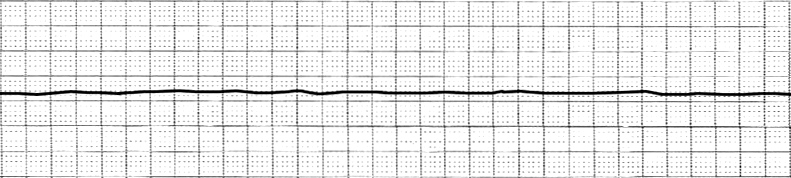
Without a verb, a sentence is flatlining. A verb is a word that expresses an action or a state of being.
- An action verb describes what the subject of a sentence is doing physically or mentally. (The surgeon operates; the nurse calculates the dosage.)
- A linking verb connects the subject to a noun or adjective that renames or describes the subject. Think of a linking verb as an equal sign (=). In the sentence "The patient seems stable," the verb seems doesn't perform a physical action; it links patient to the descriptive adjective stable.
- A helping verb is paired with a main verb to create verb phrases indicating specific tenses or moods. They assist the primary action. (The lab will be analyzing the blood sample. Here, will be helps the main verb analyzing to establish a future continuous timeframe.)
Adjectives and Adverbs: The Vital Signs
These are the modifiers. They give us the specifics, the measurements, and the limits of our nouns and verbs.
An adjective is a word that modifies or describes a noun or a pronoun. When diagnosing a noun, an adjective answers the questions what kind, which one, how many, or how much.
- What kind? Intravenous antibiotics.
- How many? Three refills.
An adverb is a word that modifies a verb, an adjective, or another adverb. If adjectives measure nouns, adverbs measure actions and other modifiers. An adverb answers the questions how, when, where, or to what extent.
- How? The pulse pounded rapidly.
- To what extent? The patient is highly contagious.
Hint: Many adverbs are formed by adding the suffix -ly to an adjective (e.g., rapid becomes rapidly, careful becomes carefully).
Connecting the System: Prepositions and Conjunctions
Words do not exist in isolation. They need connective tissue.
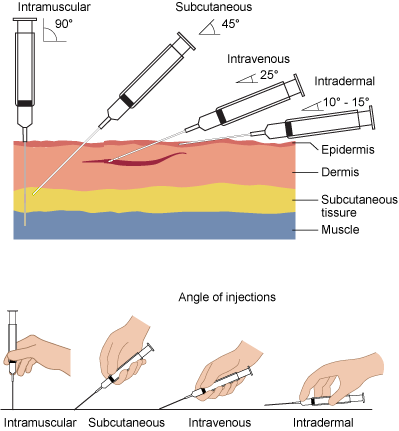
A preposition is a word that shows the relationship of a noun or pronoun to another word in the sentence. Prepositions often deal with space and time. Think of the relationship between a needle and a vein: the needle goes into, beside, under, or through the vein.
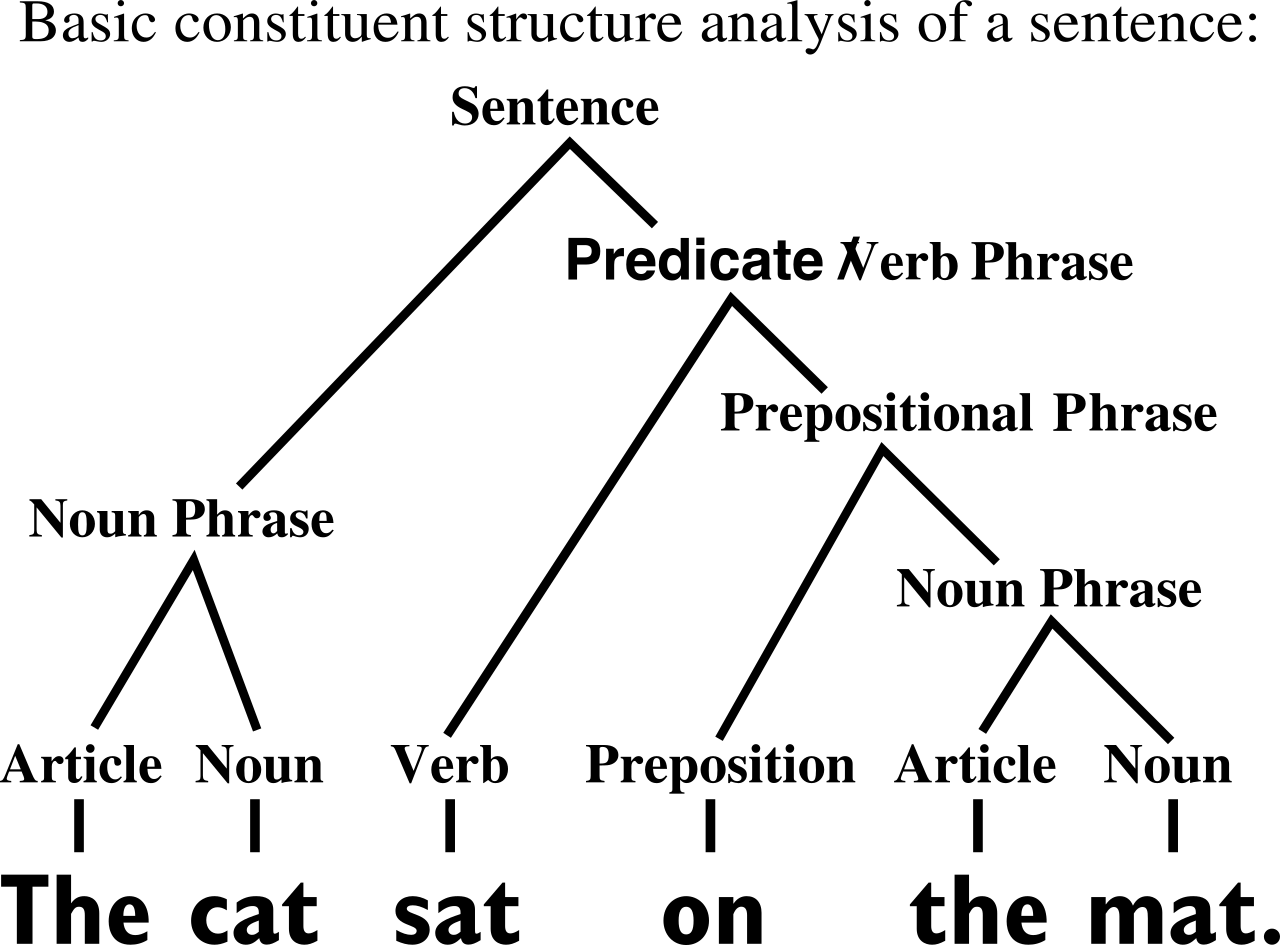
Together, these form a unit: a prepositional phrase includes the preposition, the object of the preposition, and any modifiers of that object. (e.g., Under the sterile drape).
A conjunction is a word that joins individual words, phrases, or clauses.
- A coordinating conjunction connects words, phrases, or clauses of equal grammatical rank. To memorize these, remember: the acronym FANBOYS stands for the coordinating conjunctions for, and, nor, but, or, yet, and so.
- A subordinating conjunction introduces a dependent clause and connects the dependent clause to an independent clause. Words like because, although, or if turn a complete thought into a dependent condition. (Because the fever spiked, we ordered a culture.)
- Correlative conjunctions are pairs of words used together to connect grammatically equal elements in a sentence. Examples include either/or, neither/nor, and not only/but also.
Finally, we have the verbal reflexes. An interjection is a word or phrase that expresses strong emotion or sudden surprise. (Ouch! Whoops!) Because it is just a sudden outburst, an interjection has no grammatical connection to the rest of the sentence.
Now that we know the parts, we must ensure they work together. In grammar, "agreement" means that parts of a sentence must match mathematically. Singulars must go with singulars; plurals must go with plurals.
Subject-Verb Agreement
The golden rule is beautifully simple:
- Subject-verb agreement requires a singular subject to take a singular verb. (The doctor writes the prescription.)
- Subject-verb agreement requires a plural subject to take a plural verb. (The doctors write the prescription.)
But the TEAS exam will test your ability to maintain this rule when distractions are thrown your way. Words or phrases that come between a subject and a verb do not change the subject-verb agreement rules.
- The box of syringes is empty. (The subject is box, which is singular. The prepositional phrase of syringes is just a distractor. The verb must be is, not are.)
The "And," "Or," and "Nor" Rules
How do we handle multiple subjects? It depends entirely on the conjunction used.
- Two or more singular subjects joined by the conjunction and require a plural verb. (The nurse and the technician are in the hallway.)
- Two or more singular subjects joined by the conjunction or require a singular verb. (The nurse or the technician is in the hallway.)
- Two or more singular subjects joined by the conjunction nor require a singular verb. (Neither the nurse nor the technician is in the hallway.)
What happens if the subjects are mismatched? When a singular subject and a plural subject are joined by or, the verb must agree with the subject placed closer to the verb. The exact same rule applies to nor: When a singular subject and a plural subject are joined by nor, the verb must agree with the subject placed closer to the verb.
- Either the physician or the nurses are arriving. (Nurses is plural and closest to the verb).
- Either the nurses or the physician is arriving. (Physician is singular and closest to the verb).
Indefinite Pronouns
Indefinite pronouns refer to non-specific people or things. They are notorious for tricking the ear.
- Singular indefinite pronouns require singular verbs. You must memorize these: Singular indefinite pronouns include words like anyone, everyone, each, nobody, and someone.
- Incorrect: Everyone have their own locker.
- Correct: Everyone has his or her own locker.
- Plural indefinite pronouns require plural verbs. Fortunately, these sound plural to our ears: Plural indefinite pronouns include words like both, few, many, and several. (Both are qualified for the job.)
Pronoun-Antecedent Agreement
Just as subjects must agree with verbs, pronouns must agree with the nouns they replace.
- Pronoun-antecedent agreement requires a pronoun to match its antecedent in grammatical number.
- A singular antecedent requires a singular pronoun.
- A plural antecedent requires a plural pronoun.
- Furthermore, pronoun-antecedent agreement requires a pronoun to match its antecedent in gender. (e.g., John lost his stethoscope).
The conjunction rules mirror subject-verb agreement:
- Two or more antecedents joined by and require a plural pronoun. (The doctor and the nurse checked their charts.)
- Two or more singular antecedents joined by or require a singular pronoun. (The doctor or the nurse checked her chart.)
- Two or more singular antecedents joined by nor require a singular pronoun. (Neither the doctor nor the nurse checked her chart.)
Verb Tense Consistency
Time is a physical dimension, and your verbs are the clocks. Verb tense consistency requires using the same verb tense throughout a sentence or paragraph. If you start recounting an event in the past tense, you must remain in the past tense.
Verb tenses should only shift within a text when a logical change in time frame occurs.
- Logical shift: The patient had a fever yesterday, but she feels much better today. (The shift from past to present is logically required by the timeline).
- Illogical shift: The nurse took the vitals and then writes them on the chart. (Do not snap the reader's neck by jumping from past to present instantly).
Even if your subjects and verbs agree, a poorly structured sentence can still cause a fatal misinterpretation. This usually comes down to where you place your descriptions, and how you structure your lists.
Placing Modifiers Correctly
A modifier is a word, phrase, or clause that clarifies or describes another word in a sentence. For a sentence to function safely, a modifier must be placed as close as possible to the specific word the modifier describes.
When we violate this rule, we create two types of clinical errors in our writing:
1. The Misplaced Modifier
A misplaced modifier is incorrectly positioned within a sentence. Because it is too far from its intended target, a misplaced modifier creates ambiguity regarding which word the modifier is meant to describe.
- Misplaced: The nurse administered the medication to the patient in the paper cup.
- Diagnosis: Did the patient live inside a paper cup? No. The phrase in the paper cup modifies the medication, not the patient.
- Corrected: The nurse administered the medication in the paper cup to the patient.

2. The Dangling Modifier
A dangling modifier is a phrase or clause that lacks a clear and logical target word to modify within the sentence. Usually, this happens when a sentence starts with a descriptive phrase, but the word it is supposed to describe is entirely missing from the sentence, or the wrong subject follows the comma.
- Dangling: Rushing down the hospital corridor, the cart crashed into the wall.
- Diagnosis: Was the cart rushing itself down the corridor? No. The person rushing is entirely missing from the grammatical structure.
- Corrected: Rushing down the hospital corridor, the orderly crashed the cart into the wall.
Parallel Structure
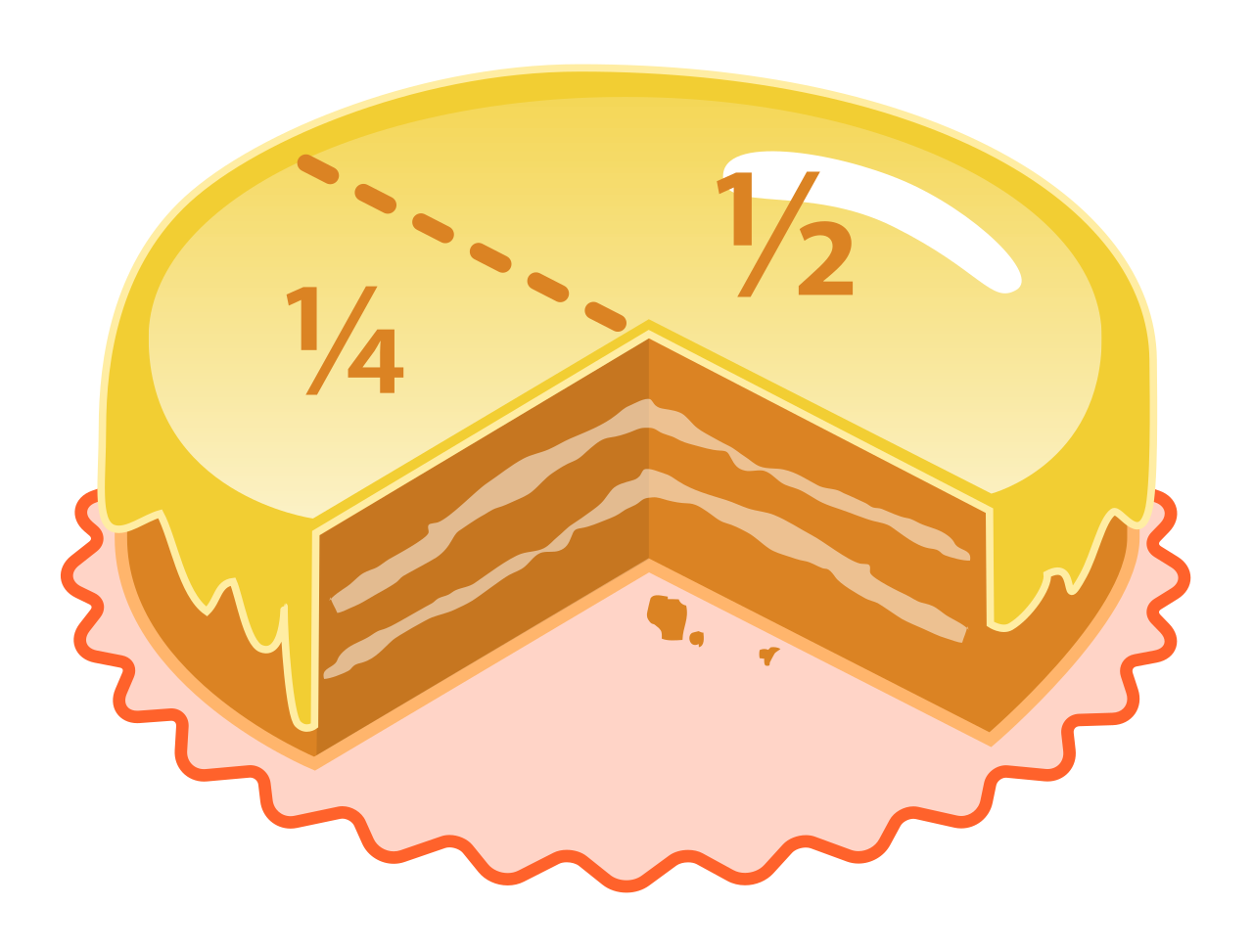
In mathematics, you cannot add fractions without finding a common denominator. In grammar, you cannot string elements together without parallel structure. Parallel structure involves using the same grammatical pattern for two or more words, phrases, or clauses. It creates symmetry, balance, and rhythm.
There are two primary places you must enforce this:
- Words formatted in a list or series must maintain parallel structure.
- Not parallel: The protocol requires washing your hands, that you wear gloves, and to dispose of needles. (Noun phrase, clause, infinitive phrase).
- Parallel: The protocol requires washing your hands, wearing gloves, and disposing of needles. (-ing verb, -ing verb, -ing verb).
- Sentence elements joined by coordinating conjunctions must maintain parallel structure.
- Not parallel: The medication acts rapidly and is effective. (Adverb joined with linking verb + adjective).
- Parallel: The medication is rapid and effective. (Adjective + Adjective).
Grammar on the TEAS 7 is not a trivia contest. It is a test of your ability to arrange information so clearly and logically that no second-guessing is required. Master the parts of speech, enforce strict agreement, align your tenses, and position your modifiers with surgical precision.