Text Structure and Organization
Not sure you’re ready?
Take the ~3-minute readiness diagnostic and see where you stand.
Consider a patient presenting with an undiagnosed respiratory condition. To understand what is happening, a clinician does not merely look at a randomized list of symptoms. They track the sequential onset of a fever, the causal relationship between physical exertion and shortness of breath, and the spatial distribution of fluid in the lungs. Information—whether physiological or textual—is fundamentally useless without a framework to organize it.
Text structure refers to how the information within a written text is organized. Just as anatomical structures determine physiological function, an author's chosen framework dictates how meaning is conveyed and understood. Ultimately, authors choose a specific text structure to support the primary purpose of the text. Recognizing this architecture is not merely an academic exercise for an admissions exam; it is the vital, everyday skill required to rapidly decode peer-reviewed medical research, follow precise clinical protocols, and evaluate complex patient histories.
Before we can analyze how a text is built, we must determine why it was built. An author’s overarching intent is categorized into modes. The four main modes of writing are expository, persuasive, narrative, and technical.
1. Expository Writing
Expository writing aims to inform the reader about a specific subject and to explain a subject to the reader clearly. Imagine opening a dense anatomy textbook. Expository texts rely entirely on verifiable facts and objective information. Because the goal is pure, unbiased transfer of knowledge, expository texts exclude the personal opinions of the author.
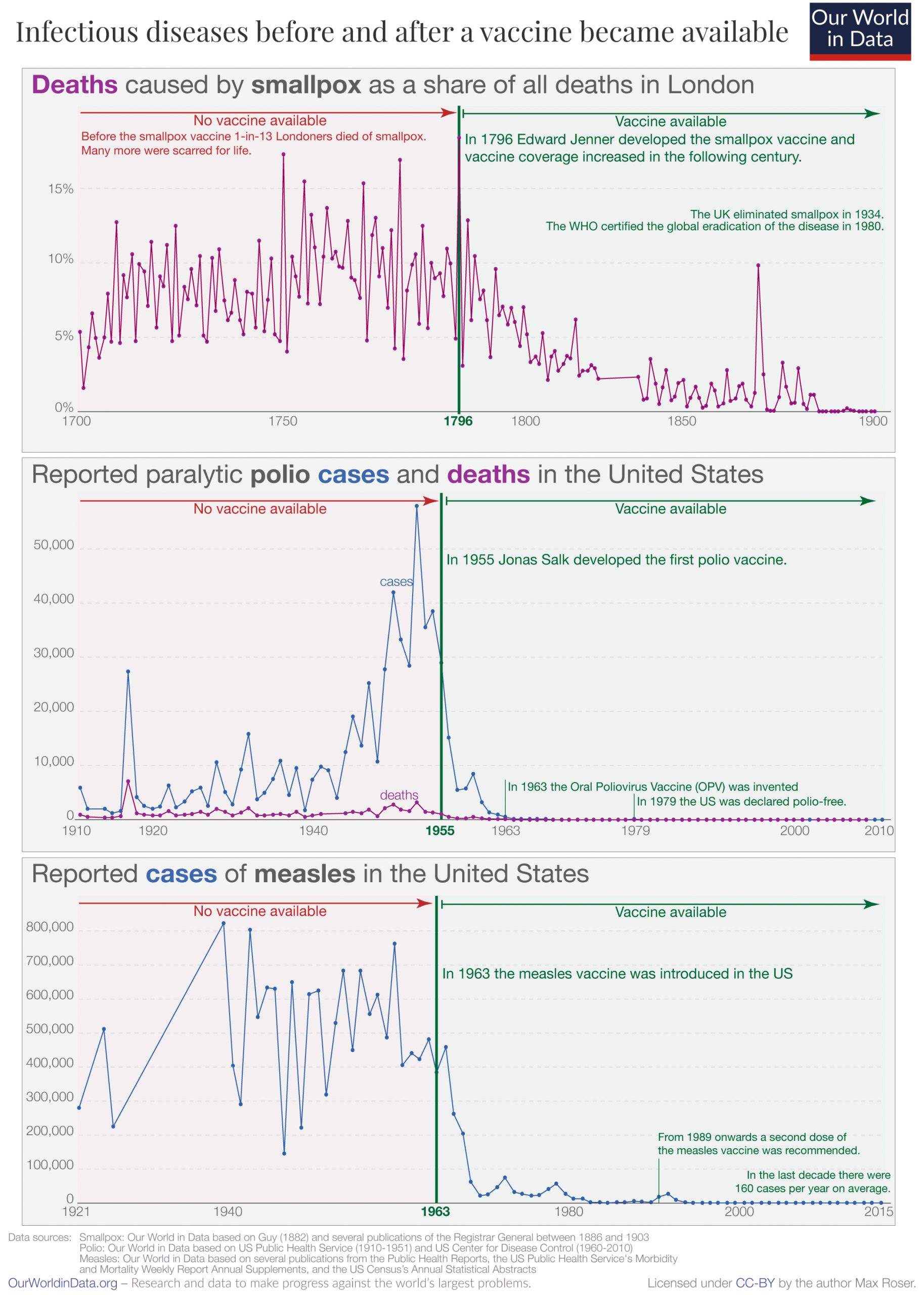
- Common Examples: An encyclopedia entry is a common example of an expository text, as is a peer-reviewed scientific journal article exploring the efficacy of a new vaccine.
2. Technical Writing
While expository texts explain concepts, technical writing aims to provide precise instructions. In healthcare, time is precious. Therefore, technical writing conveys complex professional information in an easily accessible format. These texts strip away narrative flourish in favor of maximum efficiency. To achieve this, technical texts frequently use formatting features like bullet points and numbered lists. Furthermore, visual contrast is used strategically: technical texts use bold text to emphasize crucial safety warnings (e.g., "Do not administer IV push") and use bold text to highlight important terminology.
- Common Examples: A nursing care plan is an example of a technical text. Outside the clinic, a recipe is a common example of a technical text, and a user manual for an electronic device is a common example of a technical text.
3. Persuasive Writing
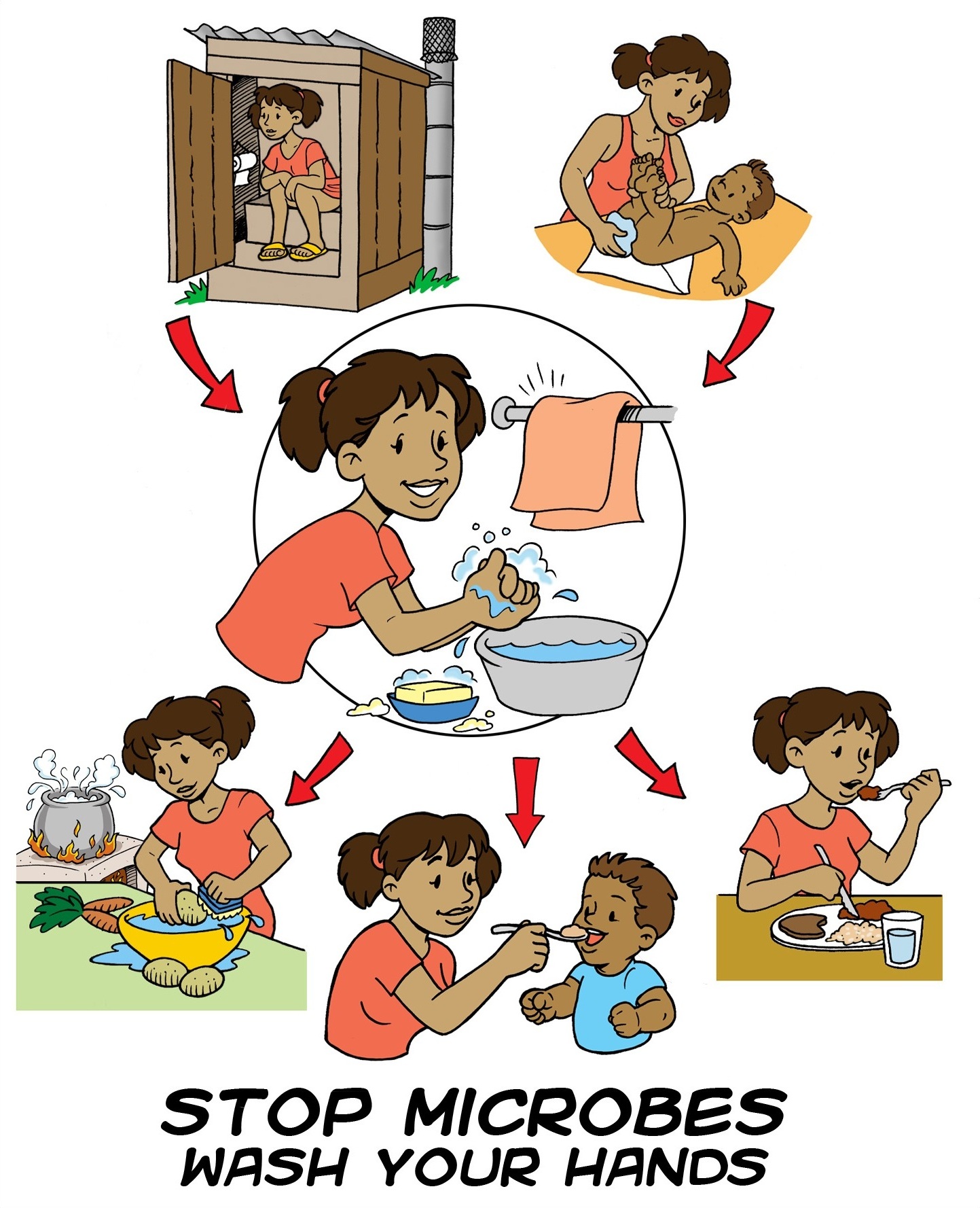
Persuasive writing aims to convince the reader to agree with a specific viewpoint. Rather than just informing you, the author wants you to adopt their stance. Often, persuasive texts often urge the reader to take a specific action, such as supporting a new hospital hand-hygiene policy. Effective persuasion is not merely emotional pleading; masterful persuasive writers use factual evidence to support subjective opinions.
- Common Examples: An editorial is a common example of a persuasive text.
4. Narrative Writing
Narrative writing aims to entertain the reader by telling a story. Unlike a sterile clinical chart, narrative texts typically feature plot development and establish characters and a setting. Furthermore, literary texts frequently use figurative language to create imagery for the reader, transforming observation into an emotional, human experience.
- Common Examples: A novel is a common example of a narrative text.
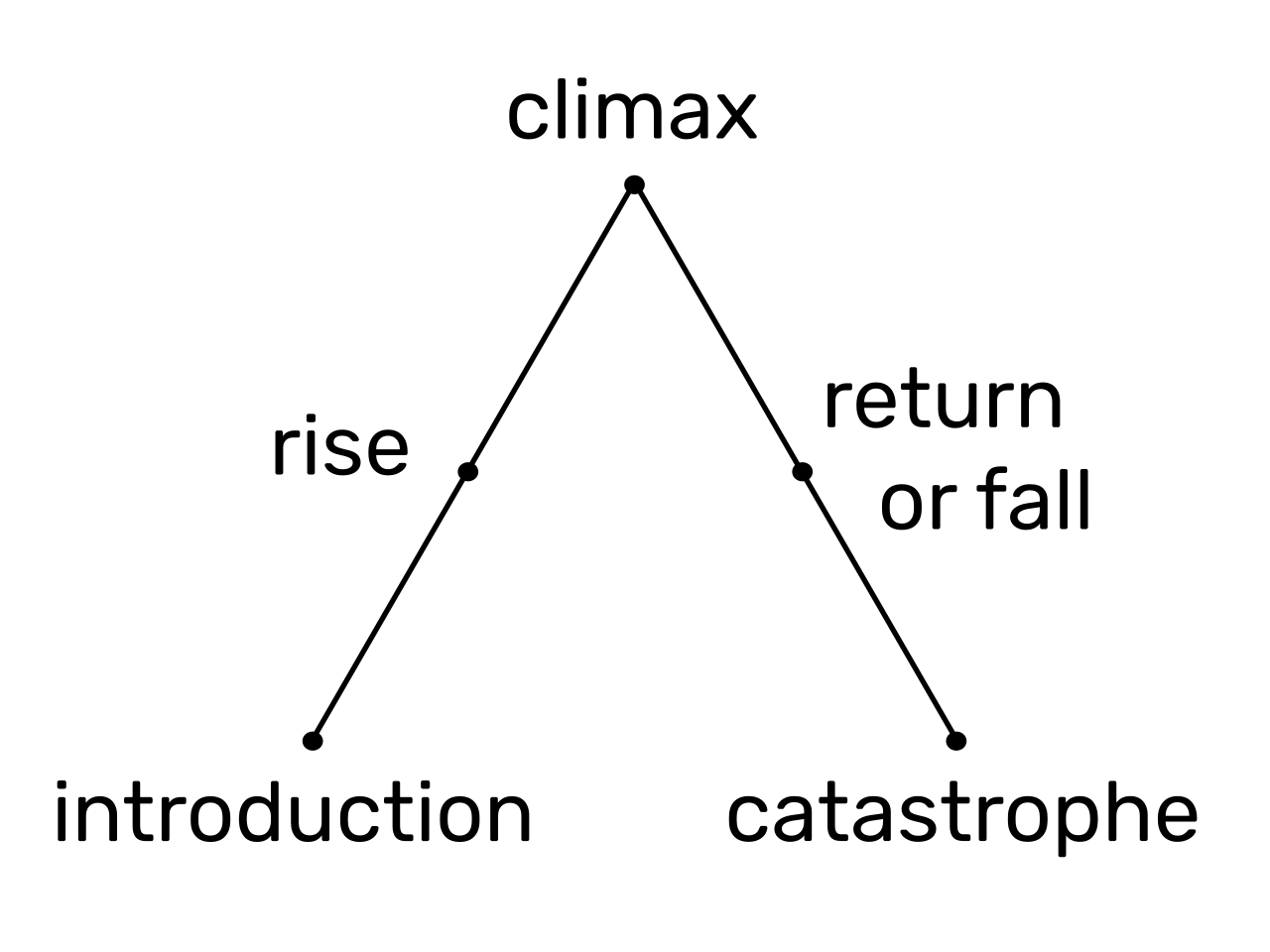
Within the four modes of writing, authors organize their paragraphs using specific text structures. Think of these as the structural blueprints that hold the information together. Recognizing the "signal words" associated with each blueprint allows you to anticipate the author's logic, speeding up your reading comprehension significantly.
Sequence and Chronological Order
When time or the exact order of operations matters, writers rely on ordered structures.
- Sequence: A sequence structure organizes information into a specific step-by-step order. Consequently, procedural texts frequently use sequence structure to guide readers through a task, like inserting a catheter or calibrating a blood pressure cuff.
- Chronological: Chronological order organizes events according to the exact time the events occurred. Therefore, a chronological structure helps readers understand the historical timeline of an event, such as the progression of an outbreak from patient zero.
Key Indicators: Signal words for chronological order include the terms first, next, then, and finally.
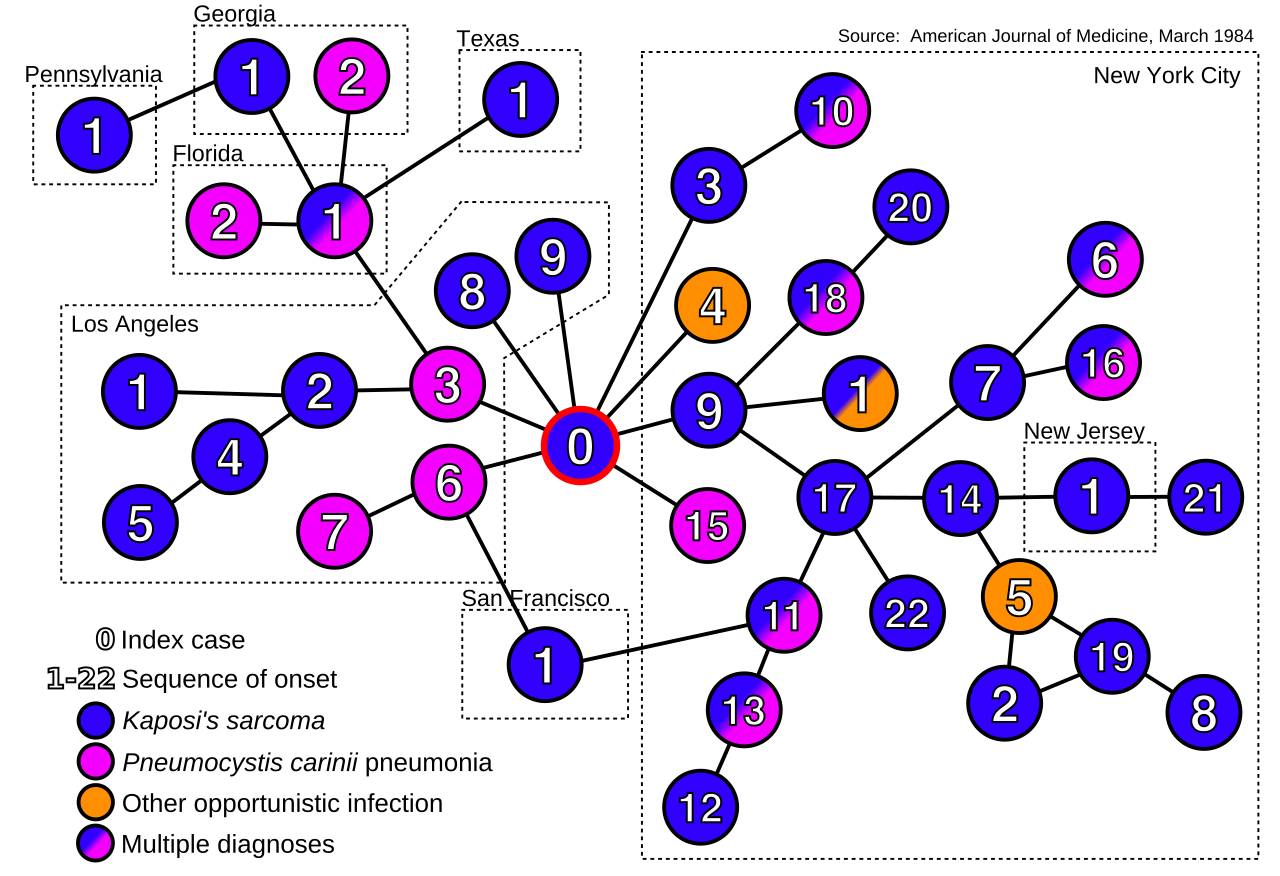
Cause-and-Effect Structure
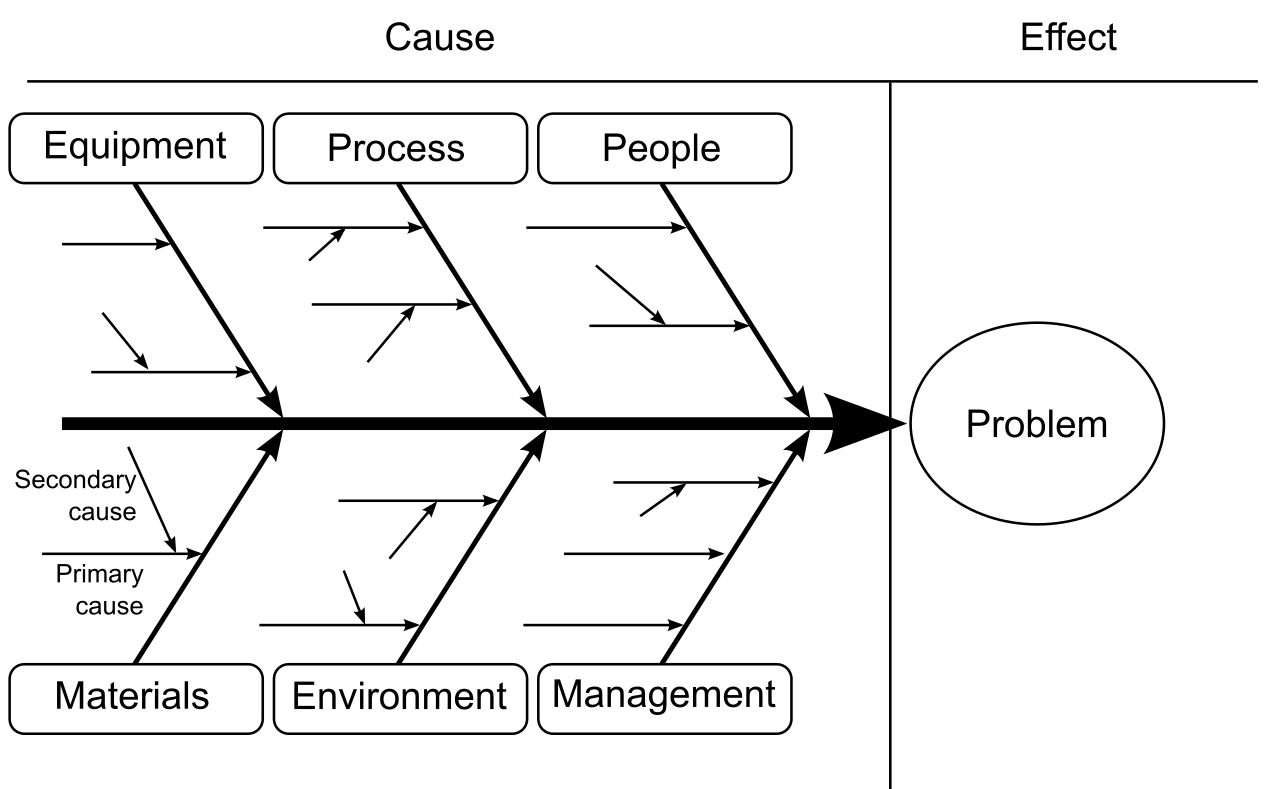
When we need to understand the why, we turn to cause and effect. A cause-and-effect structure explains the reasons why a specific event happened and details the outcomes of a specific event. It effectively demonstrates the logical relationship between actions and outcomes—such as a specific medication dosage (cause) leading to decreased systemic vascular resistance (effect).
Key Indicators: Signal phrases like 'due to' indicate a cause-and-effect organizational structure, alongside specific signal words for cause-and-effect include the terms consequently, therefore, and because.
Compare-and-Contrast Structure
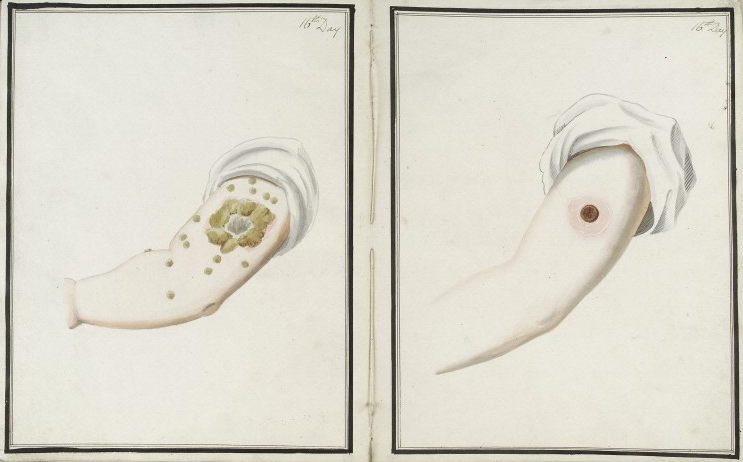
Whenever a clinician must evaluate two distinct treatment modalities, they rely on comparison. A compare-and-contrast structure highlights the similarities between two or more subjects as well as the differences between two or more subjects. Ultimately, compare-and-contrast structures help readers evaluate the advantages of different options.
Key Indicators: Signal phrases like 'in contrast to' indicate a compare-and-contrast organizational structure. Additional signal words for compare-and-contrast include the terms similarly, unlike, and whereas.
Problem-and-Solution Structure
A problem-and-solution structure introduces a specific issue to the reader and subsequently presents one or more ways to resolve a specific issue. Because it proposes a definitive fix to an identified dilemma, persuasive writers often use problem-and-solution structures to convince readers to adopt a specific remedy.
Key Indicators: Signal phrases like 'the main difficulty' indicate a problem-and-solution structure. Furthermore, signal words for problem-and-solution include the terms dilemma, solve, remedy, and resolved.
Descriptive and Spatial Structure
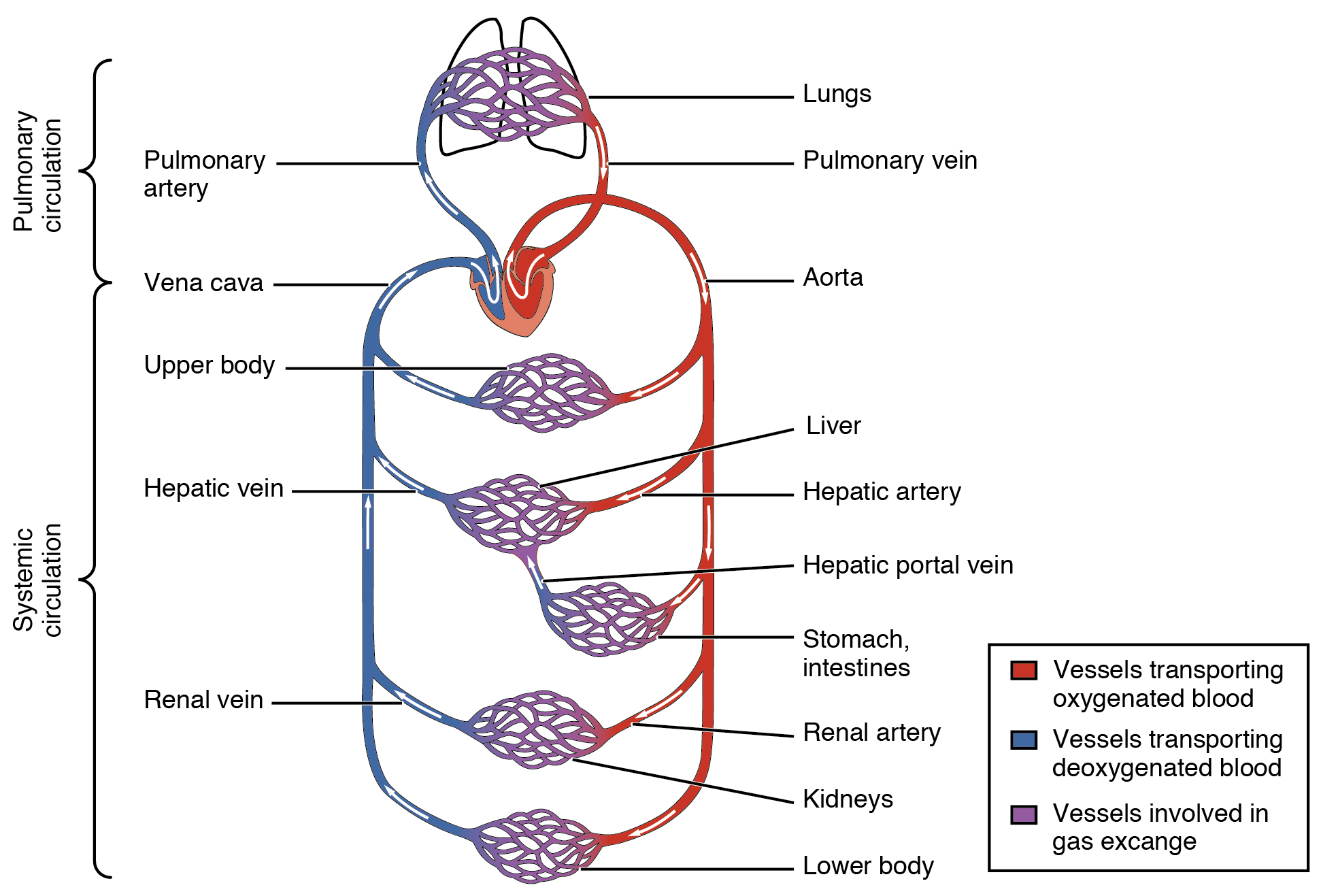
Sometimes, words must paint a precise visual picture. A descriptive structure provides detailed information about the characteristics of a specific subject. In academic settings, expository writers use descriptive structures to help readers visualize complex systems, such as the intricate looping of the cardiovascular system or the layout of a surgical suite.
To map these out, texts use spatial signals.
- Descriptive signals: Signal words for descriptive structure include spatial terms like above, beneath, adjacent, and surrounding.
- Spatial signals: Signal words for spatial organization include top, bottom, left, right, and inside.
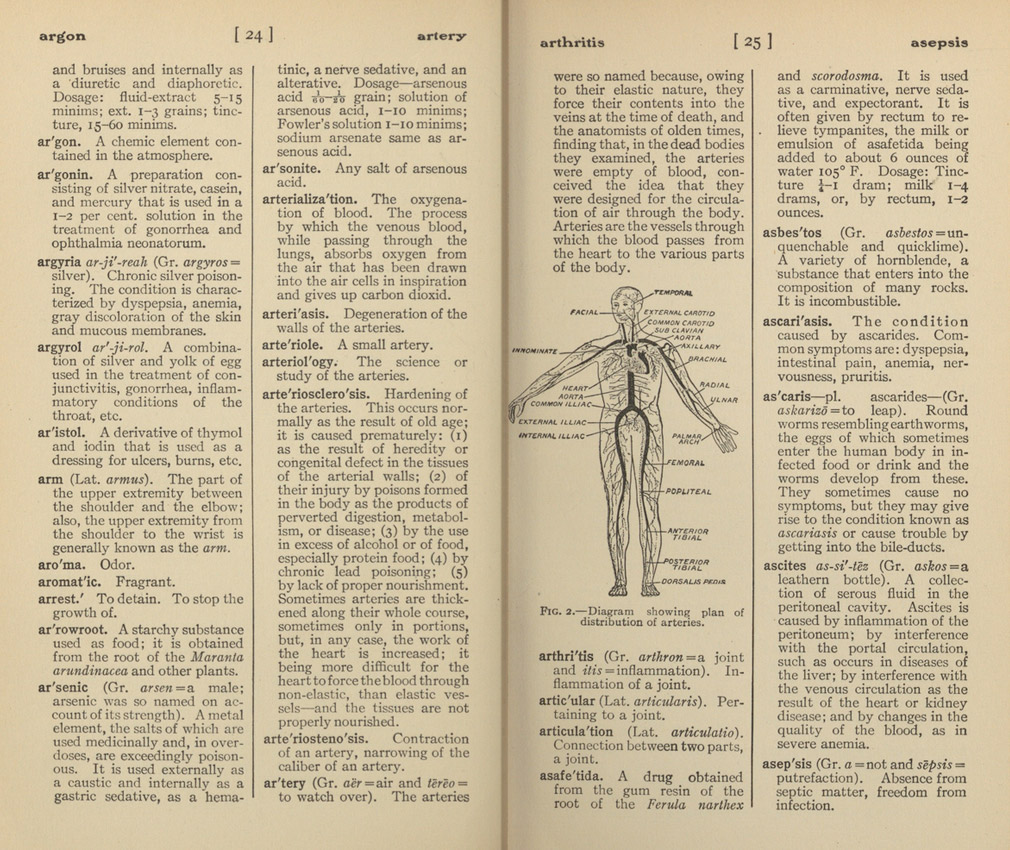
A well-structured text also uses visual signposts to guide the reader. In a hospital, overhead signs direct you seamlessly to triage, radiology, or the ICU. In written communication, formatting features serve the exact same purpose, preventing the reader from getting lost in a sea of dense paragraphs.
- Headings: An author's use of headings breaks complex texts into manageable topical sections. Think of them as the department signs in a hospital.
- Subheadings: Below the main headings, subheadings outline the hierarchical organization of information within a text, nesting specific details (like "Intravenous Antibiotics") under broader categories (like "Treatment Plans").
- Footnotes: Often found at the bottom of the page, footnotes provide supplementary information without disrupting the flow of the main text. They are perfect for clinical citations or brief, highly specialized asides.
- Glossary: Located at the end of a text, a glossary defines specialized vocabulary used within the document. It functions as a built-in medical dictionary, ensuring that readers can quickly clarify jargon without abandoning the text.
By mastering the underlying architecture of a text—understanding the author's mode, mapping their structural logic, and utilizing their visual formatting—you transform reading from a passive act of word-recognition into an active, highly efficient extraction of knowledge. This is exactly what you will need for the ATI TEAS 7, and more importantly, for the rigorous clinical environments that await you.