Textual Evidence and Source Integration
Not sure you’re ready?
Take the ~3-minute readiness diagnostic and see where you stand.
When a healthcare professional examines a newly admitted patient, they do not invent a diagnosis out of thin air. If the patient’s chart indicates a 103-degree fever, an elevated white blood cell count, and a persistent productive cough, the practitioner draws a clinical conclusion directly tethered to the data in front of them. Reading comprehension on the ATI TEAS 7 demands this exact same rigorous, evidence-based discipline. You are not passively reading paragraphs; you are diagnosing texts, weighing the reliability of your sources, and cross-referencing conflicting laboratory reports to arrive at the objective truth. The ability to anchor your thoughts in textual evidence, synthesize disparate pieces of information, and ruthlessly evaluate the credibility of a source is not merely an academic exercise—it is the foundational cognitive skill required for safe and effective healthcare practice.
To successfully navigate reading passages, you must treat the words on the page like vital signs. Every claim you make about a text must be backed up by data.
Textual evidence refers to specific details from a passage used to support a claim or argument. If you claim an author is arguing against mandatory overtime for nurses, you must point to the exact sentence where that argument lives. Strong textual evidence directly relates to the stated claim without requiring the reader to make extreme logical leaps. If you have to bend over backwards to make a quote fit your idea, it is weak evidence.
Navigating Conclusions, Inferences, and Predictions
Students frequently confuse conclusions, inferences, and predictions. On the TEAS, knowing the precise boundary between these three concepts is critical.
Valid Reading Conclusion: A conclusion that must be entirely supported by the information explicitly provided within the text.
If the text does not say it, it cannot be part of your conclusion. You cannot bring outside assumptions into a strict reading conclusion.
Inference: A logical conclusion drawn from both explicitly stated textual evidence and the reader's prior knowledge.
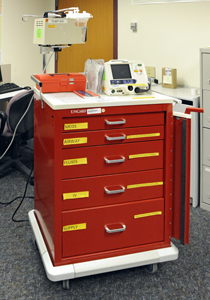
Think of an inference as reading between the lines. If a passage states, "The physician rushed into the trauma bay, snapping on sterile gloves and shouting for a crash cart," the text never explicitly says there is an emergency. However, you can make a highly accurate inference by combining the explicit text (shouting, crash cart) with your prior knowledge (crash carts are used in cardiac arrest or respiratory arrest).
Prediction: An educated guess about future events in a text based on currently available textual clues.
While an inference concerns what is happening now or what is true overall, a prediction looks strictly forward. If a story details a lab technician ignoring safety protocols while handling volatile chemicals, a valid prediction is that an accident will soon occur.

Finding the Theme
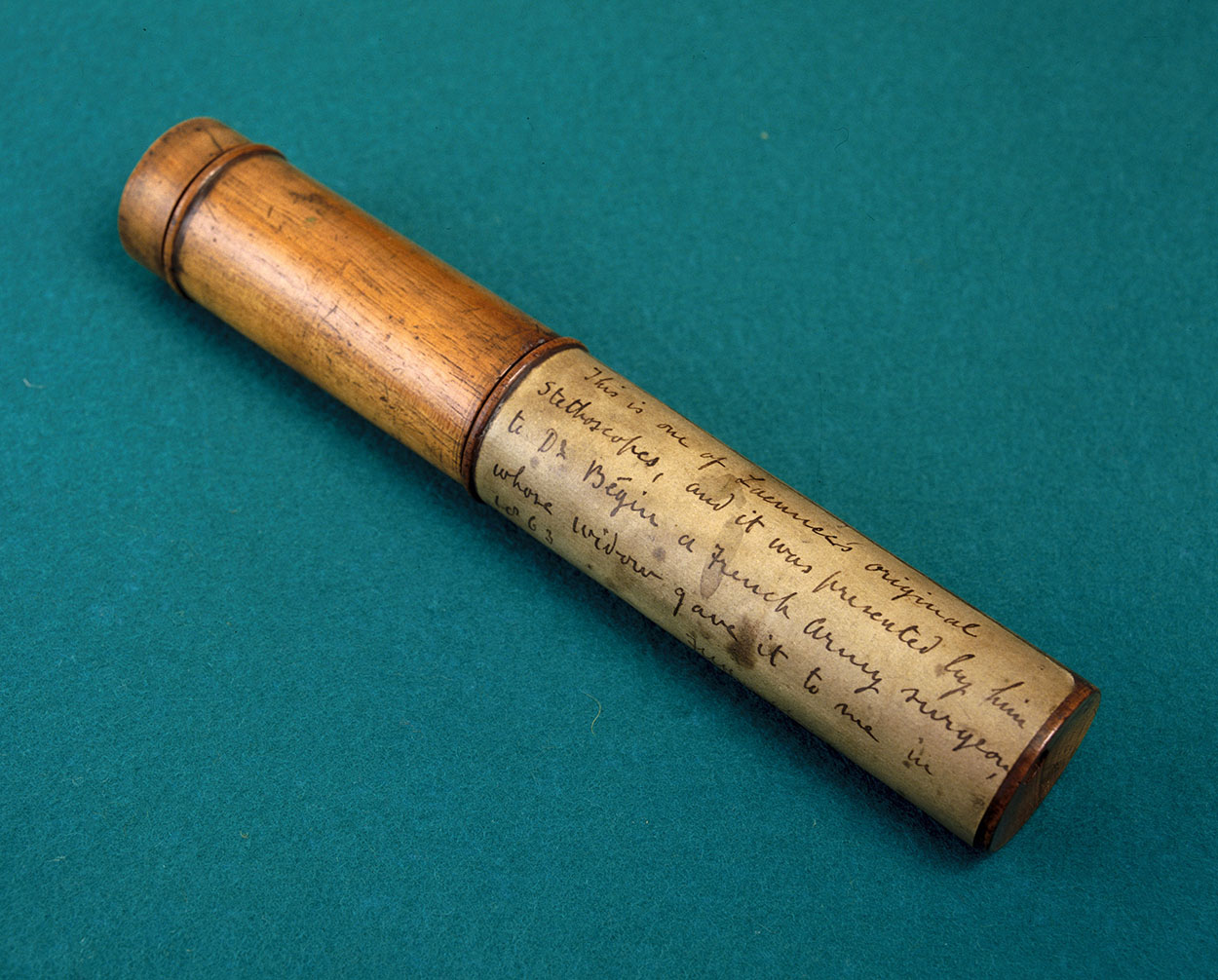
As you analyze evidence, you must also be able to step back and view the macro-structure of the passage. The theme is the central message, moral, or underlying philosophical meaning of a written work. Unlike a main idea—which might just be "the history of the stethoscope"—a theme is broader, such as "the constant evolution of medical technology to extend human life."
In your clinical coursework, you will rarely rely on a single textbook. You will read varying perspectives on patient care, pharmacology, and ethics. The TEAS tests your ability to navigate multiple texts simultaneously.
Comparing multiple texts requires the reader to identify explicit similarities in how different authors approach the identical topic. Conversely, contrasting texts requires the reader to identify explicit differences in authors' perspectives or arguments on the identical subject.
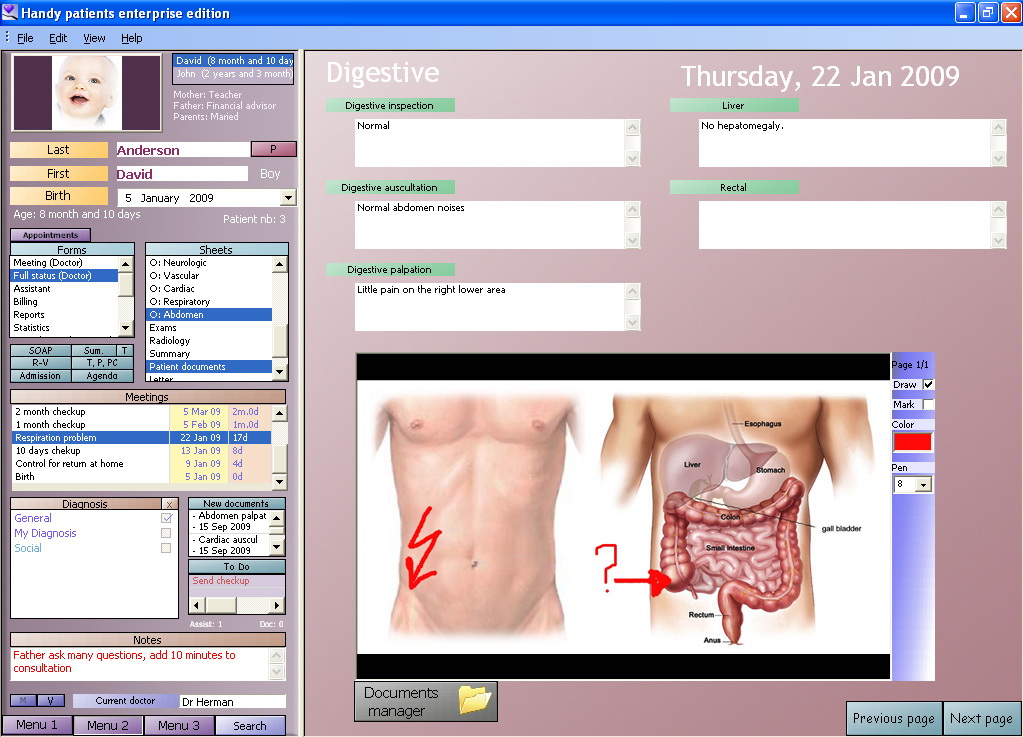
Imagine reading two articles about electronic health records (EHRs).
- Comparing: You note that both authors agree EHRs reduce the physical storage space required in hospitals.
- Contrasting: You note that Author A believes EHRs improve nurse-patient interaction time, while Author B argues that EHRs force nurses to look at screens rather than patients.
Synthesis and Conflict Resolution
What happens when you read three different sources on a patient's condition? You must synthesize. Synthesizing information involves combining discrete details from multiple separate sources to form a cohesive new understanding of a topic. It is taking pieces of a puzzle from three different boxes and realizing they fit together to form a single, complete picture.
However, sometimes the puzzle pieces do not fit. Resolving conflicting information between two texts requires formally evaluating the comparative credibility of both differing sources. You cannot simply pick the text you agree with; you must weigh their reliability.
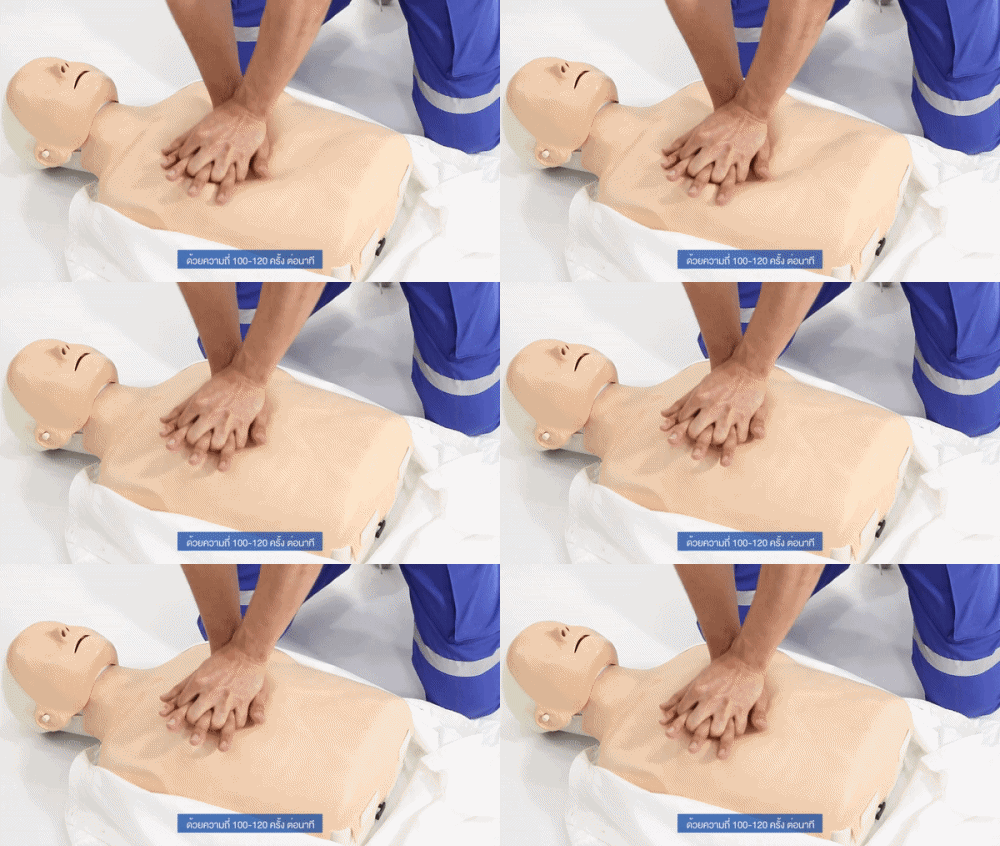
When dealing specifically with the hard sciences, conflicting data between two scientific sources can frequently be resolved by checking the publication dates to find the most current research. If a 1995 cardiology textbook says one thing about CPR compression ratios, and a 2025 peer-reviewed journal says another, you resolve the conflict through currency. Medical and technological facts evolve.
Not all documents are created equal. Information is categorized by how close it is to the original event or raw data. You must know how to instantly categorize sources into primary, secondary, and tertiary buckets.
| Source Type | Definition | Standard Examples |
|---|---|---|
| Primary | An original, firsthand account or direct evidence concerning a specific event or topic. | Diaries, original photographs, and historical letters. In the sciences, original scientific research studies reporting newly collected laboratory data operate as primary sources. |
| Secondary | Provides an external analysis, interpretation, or summary of original primary sources. | Biographies, school textbooks, and historical analyses. (e.g., A textbook explaining the results of someone else's lab experiment). |
| Tertiary | Compiles and summarizes existing broad information gathered from both primary and secondary sources. | Encyclopedias, dictionaries, and almanacs. (e.g., A Wikipedia page or medical dictionary). |
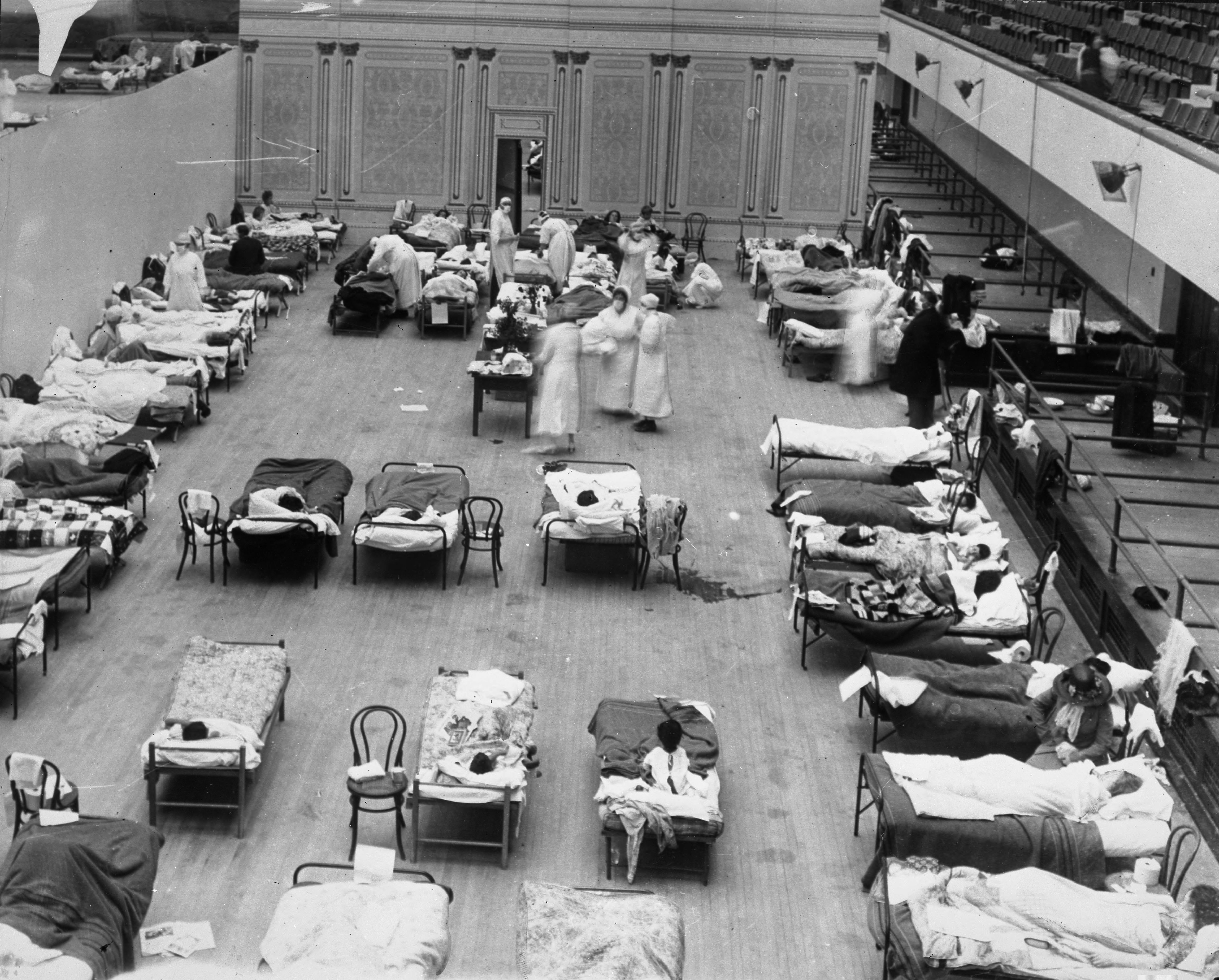
Why does this matter? If you are evaluating a historical patient-care milestone, a nurse's actual diary from the 1918 influenza pandemic (Primary) offers direct evidence, whereas a modern historian's book analyzing that pandemic (Secondary) offers interpretation. Both are valuable, but they serve entirely distinct evidentiary functions.
In a world overflowing with information, the TEAS demands that you become a strict auditor of truth. How do we know a source is credible?
Source credibility relies heavily on the author's formal education, verifiable credentials, and professional expertise in the relevant subject area. A celebrated astrophysicist writing about neurosurgery is not a credible source for neurosurgery, regardless of their brilliance.
The Gold Standard: Peer Review
In academia and healthcare, peer-reviewed academic journals possess high credibility because independent subject-matter experts rigorously evaluate the research methodology prior to publication. Before an article is published in The Lancet or the Journal of Advanced Nursing, other scientists tear the methodology apart to ensure the findings are statistically sound and free of massive flaws.
Evaluating Web Domains and Currency
When evaluating digital information, look at the URL.
- Websites with domain extensions such as .gov or .edu generally host highly reliable and objective academic or governmental information. The CDC (.gov) or Johns Hopkins University (.edu) are subject to rigorous institutional standards.
- Websites with domain extensions like .com or .org require strict reader scrutiny for potential commercial bias or organizational agendas. A .com (commercial) might be selling a supplement, and a .org (organization) might belong to an advocacy group with a deeply vested interest in swaying public opinion.
Furthermore, always check the timestamp. As mentioned when resolving conflicts, the publication date of a text determines the currency of the information for rapidly changing fields like medicine and technology. A guide on smartphone processors or viral epidemiology from 2014 is functionally obsolete today.
Identifying Bias and Separating Fact from Opinion
Finally, you must screen your sources for bias. An author's explicit or implicit bias reduces a source's objective reliability.
- Explicit bias is obvious: "Our pharmaceutical company's drug is undeniably the best on the market."
- Implicit bias is subtler, perhaps found in the cherry-picking of data or the use of emotionally loaded adjectives to describe a rival treatment.
A highly reliable informational text will clearly distinguish between verifiable objective facts and the author's subjective personal opinions.
- Fact: "The medication lowered blood pressure by an average of 15 mmHg in clinical trials." (This can be proven or disproven by looking at the data).
- Opinion: "This medication is a miraculous achievement that everyone should celebrate." (This is a subjective value judgment).
When you sit down for the TEAS, treat every reading passage like a clinical environment. Demand strong textual evidence, separate objective facts from subjective opinions, check the credentials of the author, and synthesize the data to form unassailable conclusions.