Conversions
Not sure you’re ready?
Take the ~3-minute readiness diagnostic and see where you stand.
A patient weighing 50 pounds is prescribed a critical medication dosed strictly by weight. If a rushed clinician mistakenly charts their weight as 50 kilograms, the resulting dose administered to the patient is more than double the safe, therapeutic amount. The underlying mathematics of healthcare is not merely a bureaucratic hurdle to clear on an entrance exam; it is the universal language of patient safety. Conversions bridge the dangerous gap between how the world casually measures things—in pounds, teaspoons, and Fahrenheit—and the exact, standardized metric language required to safely administer life-saving care. Understanding how to fluently translate between these systems is one of the most profound and practical responsibilities you will ever learn.
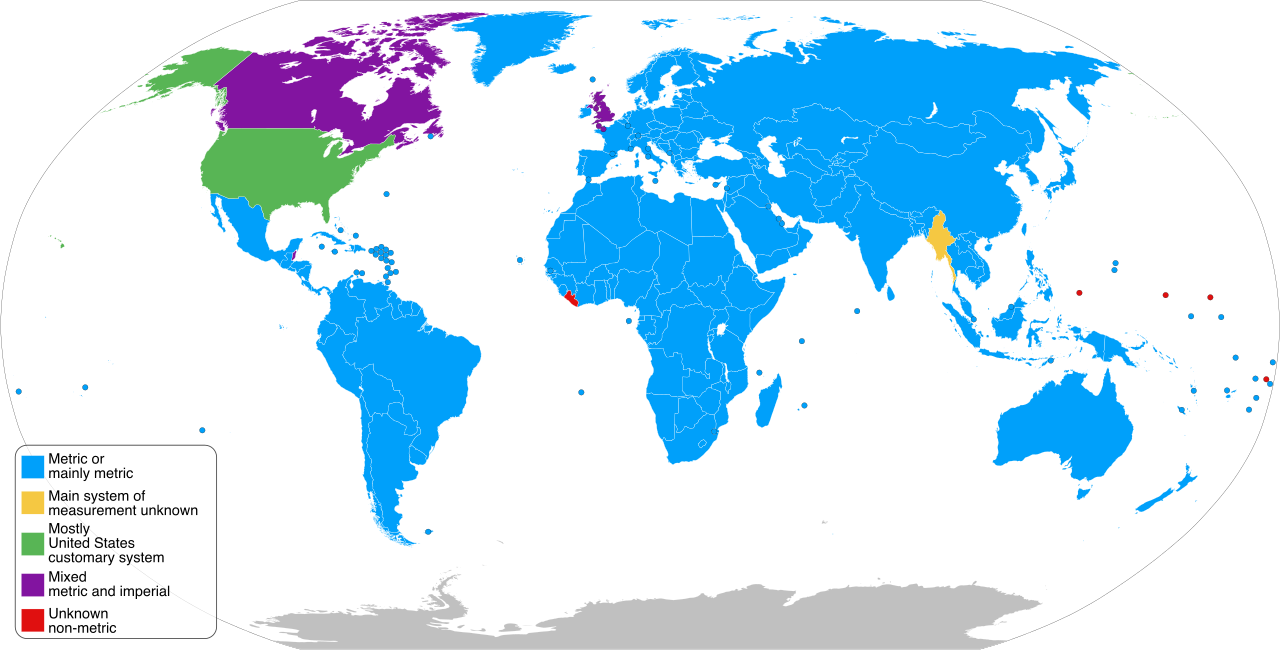
The beauty of the metric system lies in its elegant simplicity. Unlike standard household measurements, which evolved haphazardly over centuries, the metric system is built entirely on powers of ten. You are simply scaling magnitude up or down from a base unit—like the gram for mass, the liter for volume, or the meter for length.
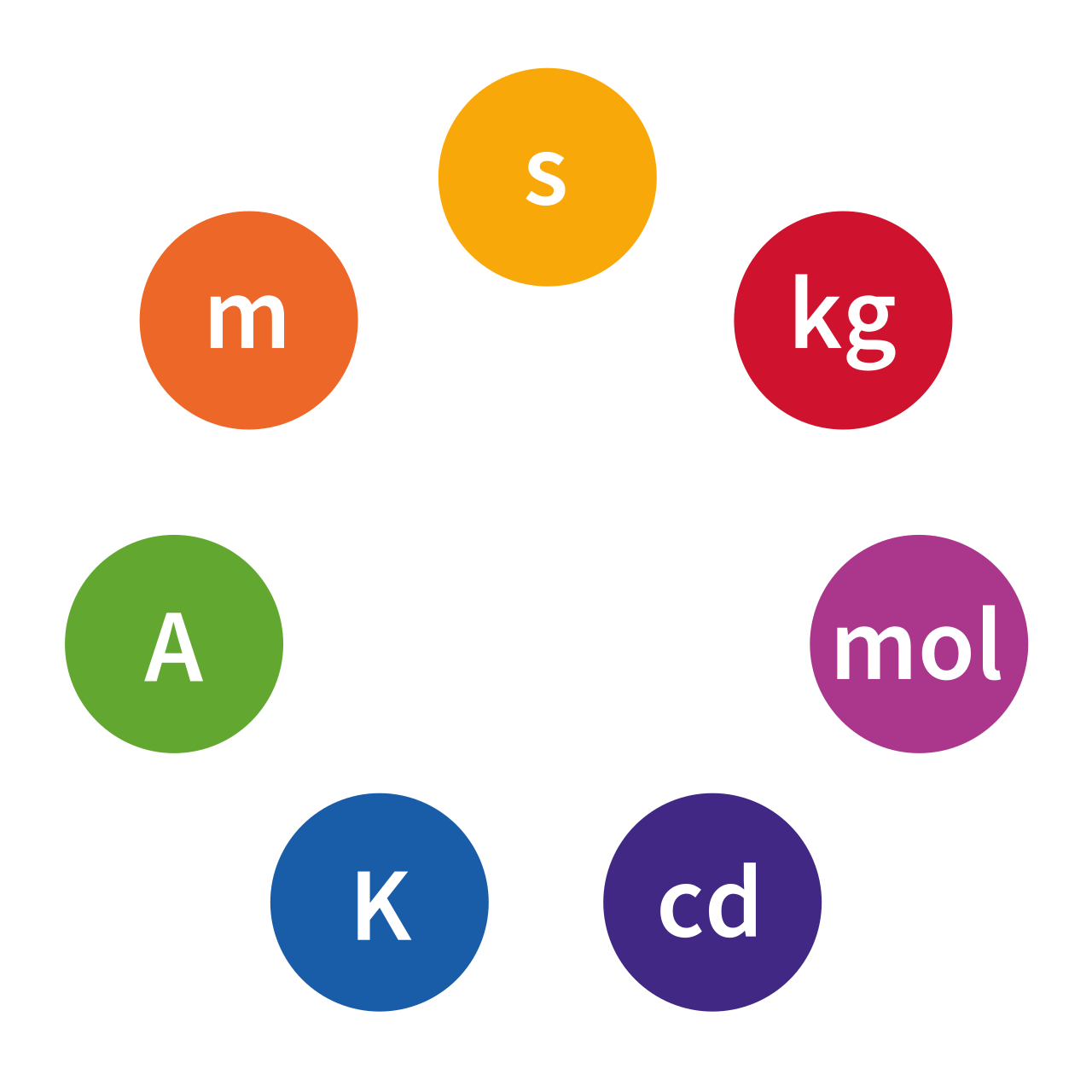
To navigate this scale, you only need to understand the prefixes attached to the base unit. Each prefix acts as a set of instructions telling you exactly how many times to multiply or divide by ten.
- The prefix "kilo-" in the metric system represents a multiplier of 1,000.
- The prefix "hecto-" in the metric system represents a multiplier of 100.
- The prefix "deca-" in the metric system represents a multiplier of 10.
- The prefix "deci-" in the metric system represents a multiplier of 0.1.
- The prefix "centi-" in the metric system represents a multiplier of 0.01.
- The prefix "milli-" in the metric system represents a multiplier of 0.001.
- The prefix "micro-" in the metric system represents a multiplier of 0.000001.
Because the system is based on tens, converting between these units is completely mechanical. It involves nothing more than shifting a decimal point.
The Golden Rule of Metric Movement: Converting a measurement from a larger metric unit to a smaller metric unit requires moving the decimal point to the right. (You are breaking a large chunk into many smaller pieces, so the number grows larger). Converting a measurement from a smaller metric unit to a larger metric unit requires moving the decimal point to the left. (You are gathering many tiny pieces into a single larger whole, so the number grows smaller).
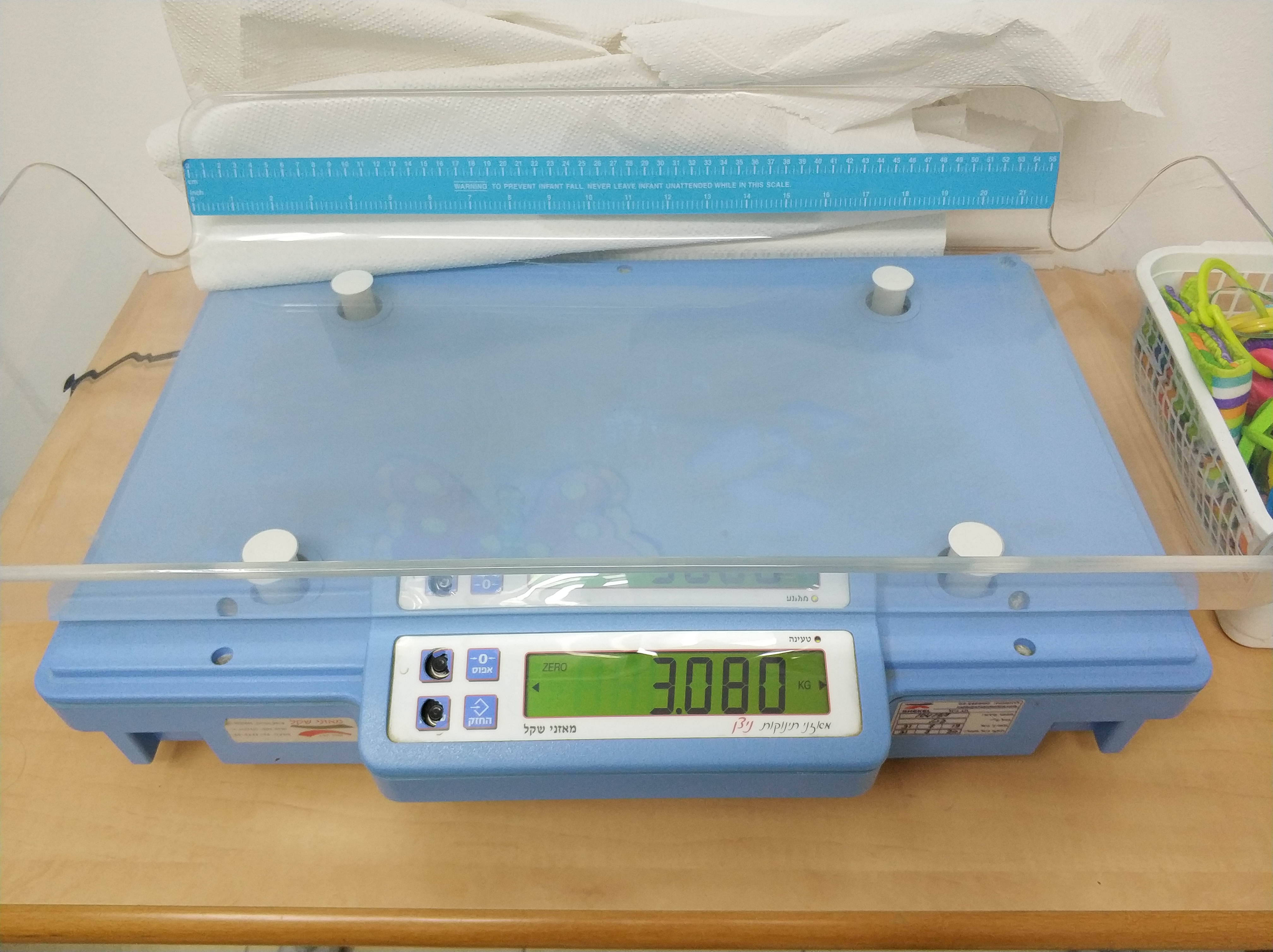
In a clinical setting, your patient will likely step on a scale that reads in pounds, but the pharmacy dispenses medication in grams, milligrams, or micrograms. You must act as the translator.
In the standard system:
In the metric system, we scale by thousands for mass:
- One kilogram is equal to 1,000 grams.
- One gram is equal to 1,000 milligrams.
- One milligram is equal to 1,000 micrograms.
The critical bridge between what the patient understands and what the pharmacy requires is the pound-to-kilogram conversion:
- One kilogram is approximately equal to 2.2 pounds.
If you have a 154-pound patient, converting to kilograms means dividing by 2.2 (yielding 70 kg). That 70 kg figure is the exact number you will use to calculate their medication dosage.
Fluids are the lifeblood of clinical monitoring. You will constantly track what a patient consumes orally (intake) and what they excrete (output). Patients report intake using household measures—cups of water, pints of milk—but you must chart everything in milliliters.
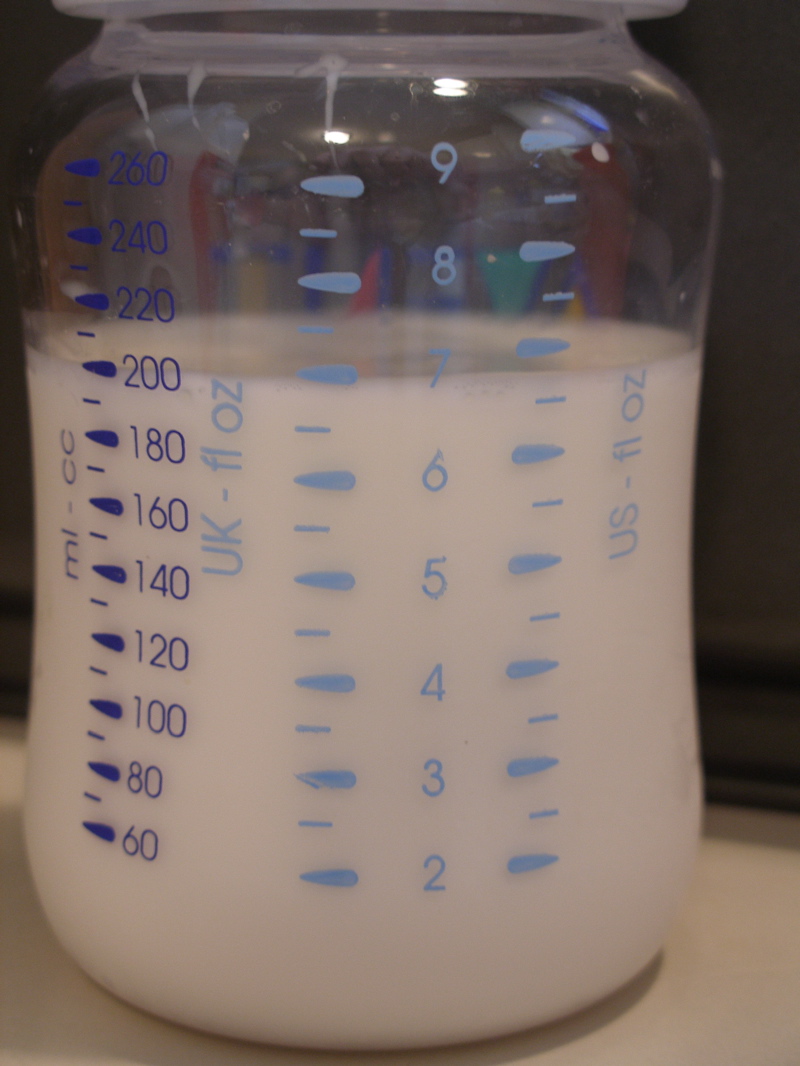
Let us establish the metric baselines first.
- One liter is equal to 1,000 milliliters.
- In medicine, you will frequently hear the term "cc." One milliliter is exactly equal to one cubic centimeter. They are identical volumes.
- Because 1 mL = 1 cc, one liter is equal to 1,000 cubic centimeters.
The Clinical Translation of Household Volumes
Household measures are famously messy, but clinical standards have locked them into exact metric equivalents to ensure safety. Memorize these conversions; they are the gears of clinical hydration tracking.
| Household Unit | Metric / Standard Clinical Equivalent |
|---|---|
| 1 Teaspoon (tsp) | One teaspoon is accepted as exactly 5 milliliters in clinical calculations. |
| 1 Tablespoon (tbsp) | One tablespoon is equal to 3 teaspoons. Therefore, one tablespoon is accepted as exactly 15 milliliters in clinical calculations. |
| 1 Fluid Ounce (fl oz) | One standard clinical fluid ounce is accepted as exactly 30 milliliters for nursing calculations. |
| 1 Cup | One standard measuring cup is equal to 8 fluid ounces. Because 8×30=240, one standard measuring cup is accepted as exactly 240 milliliters in clinical calculations. |
| 1 Pint (pt) | One pint is equal to 2 standard measuring cups. Consequently, one pint is equal to 16 fluid ounces. Clinically, one pint is accepted as exactly 480 milliliters in clinical calculations. |
| 1 Quart (qt) | One quart is equal to 2 pints. This means one quart is equal to 32 fluid ounces. Clinically, one quart is accepted as exactly 960 milliliters in clinical calculations. |
| 1 Gallon (gal) | One gallon is equal to 4 quarts. Expanding this out, one gallon is equal to 128 fluid ounces. |
If a patient drinks one cup of broth (240 mL) and half a pint of juice (240 mL), their charted fluid intake is exactly 480 mL.
You will use length conversions constantly: measuring the diameter of a wound, charting a pediatric patient's height, or calculating a Body Mass Index.

Standard Imperial units scale irregularly:
Metric units, as always, scale elegantly by tens:
- One meter is equal to 100 centimeters.
- One meter is equal to 1,000 millimeters.
- One centimeter is equal to 10 millimeters.
The bridge between these two worlds is the inch.
- One inch is exactly equal to 2.54 centimeters.
If an incision measures 2 inches, you multiply by 2.54 to accurately chart the wound as 5.08 centimeters.
Memorizing equivalents is only the first step. You need an infallible system to calculate complex, multi-step conversions without making a potentially fatal error. That system is dimensional analysis.
Dimensional analysis is a mathematical method that multiplies given numbers by conversion factors to systematically change units. It relies on a beautifully simple principle of algebra: anything divided by itself equals one.
To use this method, you utilize conversion factors. A conversion factor is a fraction in which the numerator and the denominator represent the exact same physical quantity in different units. For example, 2.2 lb1 kg is a conversion factor because 1 kg and 2.2 lb represent the exact same mass. Multiplying by a conversion factor is mathematically identical to multiplying by 1; it changes the unit without changing the actual amount of the substance.
How to Build the Equation: In dimensional analysis, the initial unit is placed in the denominator of the conversion factor to ensure the initial unit cancels out.
Imagine converting 4.4 pounds to kilograms. You start with what you know: 4.4 lb. You need a conversion factor containing both pounds and kilograms. Because "lb" is your initial unit, it must go in the denominator of your fraction so that it mathematically cancels out.
4.4 lb×(2.2 lb1 kg)=2.24.4 kg=2 kg
The pounds vanish. Only kilograms remain. By treating units exactly like numbers—canceling them out when they appear on both the top and bottom of a fraction—dimensional analysis protects you from multiplying when you should have divided.
The core temperature of the human body is a tightly regulated physiological environment. Fever indicates systemic stress, while hypothermia indicates system failure. You must be fluent in both the Celsius scale (used globally in science) and the Fahrenheit scale (used casually in the United States).
Let us anchor our understanding on the physical properties of water and the human body:
- The freezing point of water is exactly 0 degrees Celsius.
- The freezing point of water is exactly 32 degrees Fahrenheit.
- The boiling point of water is exactly 100 degrees Celsius.
- The boiling point of water is exactly 212 degrees Fahrenheit.
- Normal human body temperature is widely accepted in clinical settings as 98.6 degrees Fahrenheit.
- Normal human body temperature is widely accepted in clinical settings as 37 degrees Celsius.
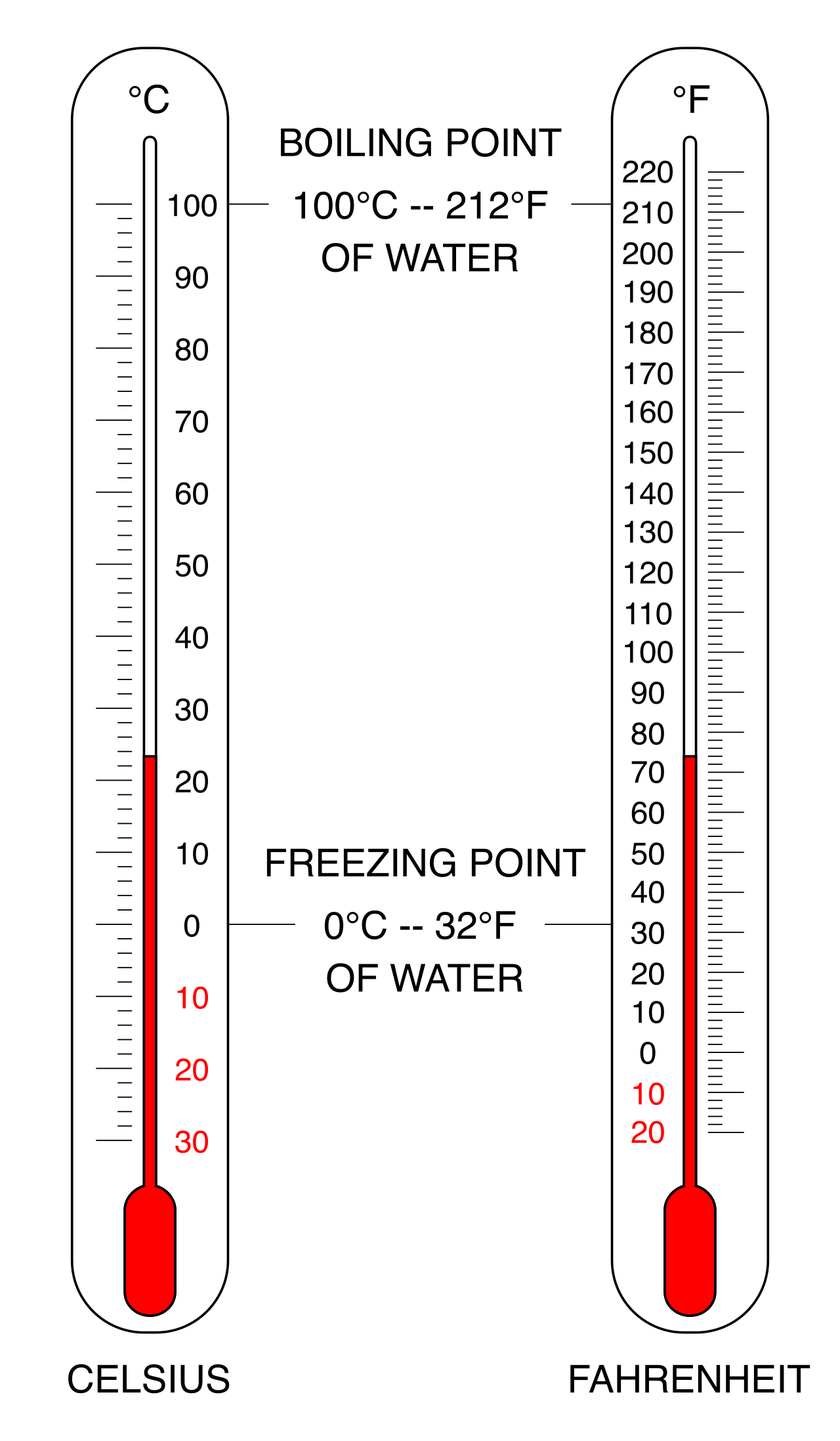
When you need to translate an exact reading between these two scales, rely on these specific formulas:
Fahrenheit to Celsius: The formula to convert a Fahrenheit temperature to Celsius requires subtracting 32 from the Fahrenheit temperature and multiplying the result by 5/9.
Example: Convert 100.4∘F to Celsius. Subtract 32 (100.4−32=68.4). Multiply by 95 (68.4×95=38∘C). The patient has a low-grade fever.
Celsius to Fahrenheit: The formula to convert a Celsius temperature to Fahrenheit requires multiplying the Celsius temperature by 9/5 and adding 32 to the result.
Example: Convert 37∘C to Fahrenheit. Multiply by 59 (37×1.8=66.6). Add 32 (66.6+32=98.6∘F).
Healthcare does not sleep. Because hospitals operate 24 hours a day, ambiguous timestamps—like 6:00, which could mean morning or evening—invite grave medication errors. Therefore, modern healthcare utilizes military time (a 24-hour clock).
First, the foundational units of standard time:
When charting in military time, the day begins and ends at exactly the same moment:
- Midnight in military time is expressed as 0000 or 2400.
From 1:00 AM to 11:59 AM, military time perfectly mirrors standard time (e.g., 9:00 AM is 0900). The divergence happens in the afternoon.
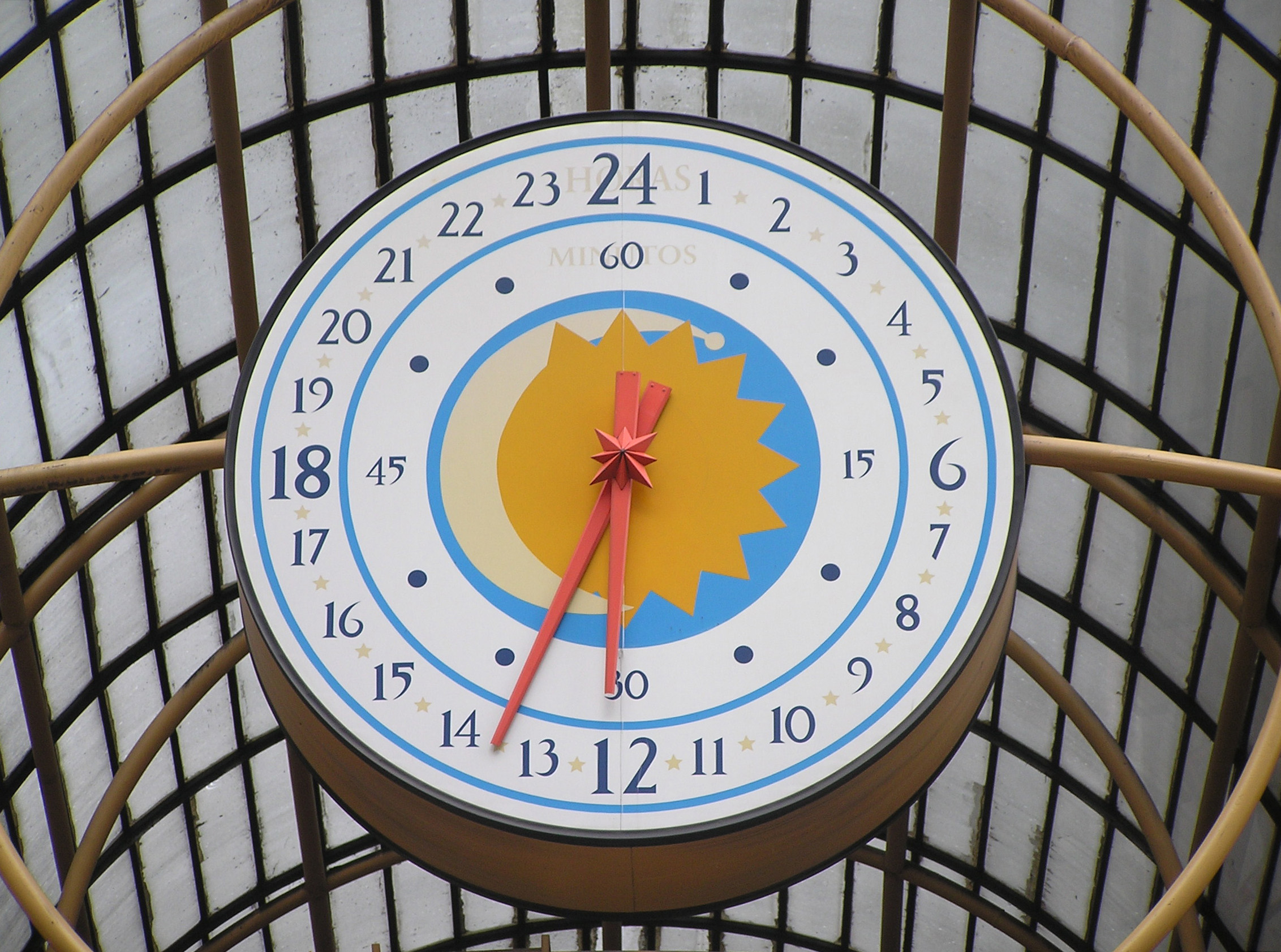
Converting PM to Military Time: Converting a standard PM time to military time requires adding 1200 to the standard numeric time value.
If a physician orders an intravenous antibiotic to be hung at 4:00 PM, you add 1200 to the hour. The medication is charted and administered at exactly 1600 hours. There is no ambiguity, no question of whether the morning or evening shift is responsible.
Conversions are not abstract puzzles. They are the rigorous logic that transforms a prescription pad's intention into the exact, safe physical reality of patient care. Master them, and you master the very foundation of clinical practice.