Imagine walking into a patient’s room and picking up their medical chart. You do not read every single nurse's note, laboratory value, and dietary request with equal weight. Instead, you immediately look for the chief complaint—the fundamental reason the patient requires care—before zooming in on the specific vital signs and test results that confirm that diagnosis. Reading comprehension on the HESI A2 exam demands the exact same diagnostic precision. A written passage is not merely a collection of sentences; it is a meticulously constructed hierarchy of information designed to deliver a specific message. To master reading comprehension, you must learn to triage the text, separating the vital diagnostic findings from the background noise.
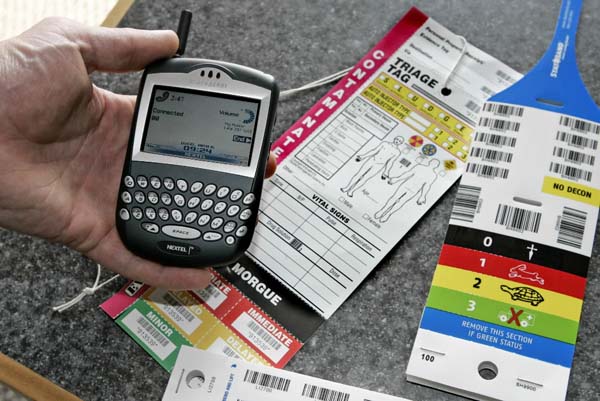
Color-coded triage tags represent the process of sorting information by urgency—a critical skill when evaluating the structural importance of details in reading comprehension.
The ability to distill a text down to its core essence is the single most critical skill for the HESI A2 Reading Comprehension module. Let us deconstruct the anatomy of a text, examining how authors build arguments and how test-makers attempt to disguise them.
Before we can dissect a paragraph, we must define the fundamental parameters of the text. Students frequently confuse the "topic" with the "main idea," but in a clinical or academic setting, confusing the general category with the specific finding leads to catastrophic errors.
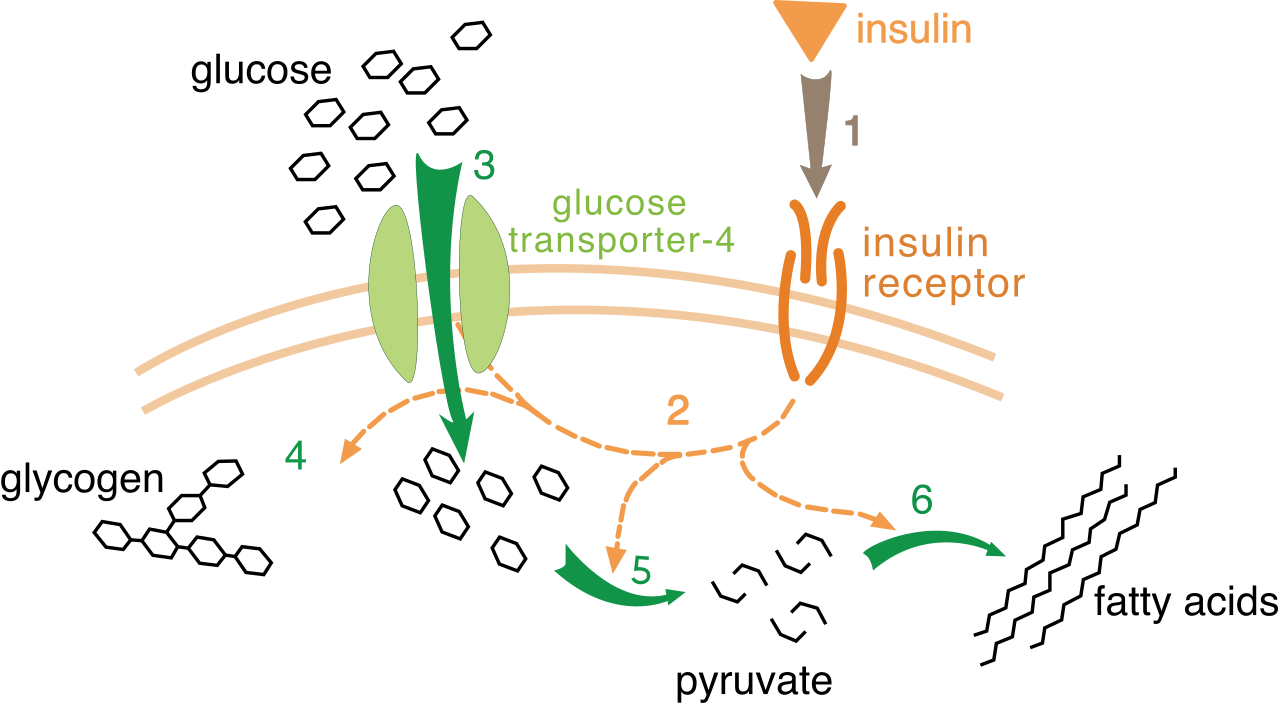
If you are struggling to identify the topic, look at the vocabulary. Frequently repeated key words throughout a text strongly indicate the main topic. If an author repeatedly uses words like glucose, insulin, and pancreas, the topic is unequivocally diabetes or blood sugar regulation.
While the broad topic of a text may be general blood sugar regulation, the main idea focuses on a specific mechanism or finding, such as how insulin chemically facilitates cellular glucose uptake.
The main idea, by contrast, is the primary point an author makes about a specific topic. If the topic is the department, the main idea is the specific diagnosis: The patient's unregulated glucose levels are causing peripheral neuropathy.
When we look at the passage as a whole, we are searching for the overarching main idea. The overarching main idea covers the entirety of the passage. It is the single, unifying umbrella under which every other sentence must fit.
To find it quickly, we look to the structural boundaries of the text. Because authors want to ensure their primary point is understood, the introductory paragraph generally introduces the overarching main idea of the entire passage, setting the stage for everything that follows. Furthermore, because human memory benefits from reinforcement, the conclusion paragraph of a text typically restates the overarching main idea, ensuring the reader leaves with the core message intact.
Just as a complete passage is built around an overarching main idea, individual paragraphs are built around localized central thoughts. We navigate these paragraphs by identifying their structural anchor: the topic sentence.
A topic sentence explicitly states the central thought of a specific paragraph. It acts as a localized thesis statement. Structurally, a topic sentence frequently appears as the very first sentence of a paragraph, presenting the claim immediately so the subsequent sentences can prove it.
However, authors are not strictly bound to this formula. A topic sentence occasionally appears as the final sentence of a paragraph, where the author first builds up a mountain of evidence before delivering the concluding punchline.
The Phenomenon of the Implied Main Idea
Not all patients state exactly where it hurts; sometimes, you must look at a constellation of symptoms to determine the issue. Texts operate similarly. Often, an implied main idea is never explicitly written out in the passage text.
When faced with an implied main idea, you cannot simply scan the text for a matching sentence. Instead, readers deduce an implied main idea by synthesizing the provided supporting details. If a paragraph details how a new hospital wing reduced wait times by 40%, decreased medication errors, and improved patient satisfaction scores, the implied main idea is clearly that the new hospital wing is a success—even if those exact words never appear on the page.
Once the main idea is established, the author must defend it. This defense is constructed using distinct tiers of evidence, which we must weigh accurately.
Core arguments are the primary reasons directly upholding the central claim of a passage. If the overarching main idea is that hand hygiene is critical in clinical settings, the core arguments might be that hand hygiene reduces the spread of MRSA and drastically lowers hospital financial liabilities.
Beneath the core arguments lie the supporting details. Supporting details provide specific information to explain the main idea, and crucially, supporting details provide concrete evidence to uphold the main idea. You can easily spot these in the wild because:
Supporting details often take the form of statistical data (e.g., "Infections dropped by 32%").
Supporting details often take the form of specific examples (e.g., "Nurse Smith implemented a rigorous scrubbing protocol before every shift").
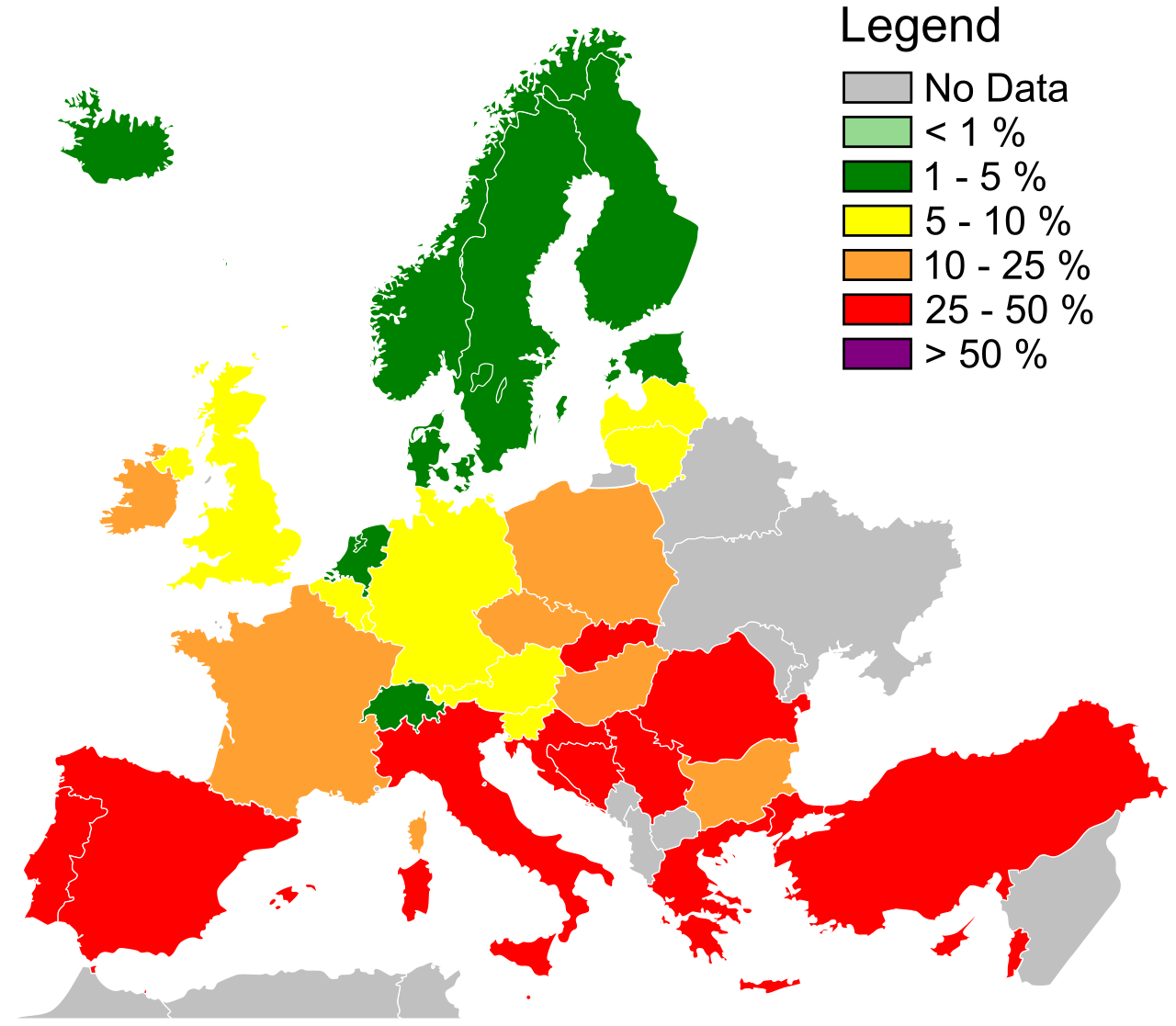
Statistical data, such as this map showing the regional incidence of MRSA, frequently serves as concrete supporting detail to firmly uphold an author's core clinical argument.
Source: EARS-Net CAESAR MRSA 2017-en by Institute for Public Health and the Environment (RIVM), Epidemiology and Surveillance, 3720 BA Bilthoven, The Netherlands conversion by Trex2001 translation by Phatom87, CC BY-SA 4.0.
Identifying Transition Words
How do we know when an author is shifting from a claim to a supporting detail? We look for structural indicators. Transition words frequently signal the upcoming introduction of supporting details, acting much like a warning light on a medical monitor.
The phrase "for example" acts as a transition introducing an illustrative supporting detail. It tells the reader: I am about to show you exactly what my claim looks like in practice.
The word "furthermore" acts as a transition introducing an additional supporting detail. It tells the reader: I have already proved my point, but here is an extra piece of evidence to solidify the diagnosis.
Minor Details: The Background Noise
At the absolute bottom of the textual hierarchy are the minor details. Minor details provide supplementary context to a passage, but minor details are not strictly necessary to comprehend the central argument.
If a passage explains a revolutionary new surgical technique, a supporting detail might be the survival rate of the surgery. A minor detail might be the color of the scrubs the surgeon was wearing on the day it was invented. While interesting, extracting the minor detail does not damage the structural integrity of the main idea.
The specific color of a surgeon's scrubs is a classic example of a minor detail—it provides background context but is functionally irrelevant to the core argument of a medical text.
When you are asked to summarize a text, this distinction becomes paramount. A true passage summary encapsulates the main idea without including highly specific minor details. A good summary is a lean, efficient transmission of the core message.
The HESI A2 does not simply test your ability to read; it tests your ability to resist deception. The test-makers craft "distractor" choices—incorrect answers explicitly designed to look highly plausible to the untrained eye. By understanding the anatomy of a distractor, you can eliminate them with clinical precision.
Here is exactly how the HESI test-writers will attempt to trick you on main idea questions:
Distractor Type
How to Diagnose and Eliminate It
The Minor Detail Trap
HESI A2 Reading Comprehension distractor choices frequently represent minor passage details. The test-maker will lift a true statement directly from the text and present it as the main idea. Because you remember reading it, your brain wants to select it. Ask yourself: Is this the whole point of the text, or just a small piece of evidence?
The "Too Broad" Trap
Some HESI A2 distractor choices present concepts too broad to serve as the specific main idea. If the passage is about how cardio exercise reduces hypertension in adults over 60, a "too broad" distractor might be: Exercise is good for the human body. It is true, but it fails to capture the specific point the author is making.
The "Too Narrow" Trap
Some HESI A2 distractor choices present concepts too narrow to serve as the overall main idea. These answers correctly identify the main idea of paragraph two, but ignore paragraphs one, three, and four. Eliminating answer choices focused on a single paragraph helps isolate the overall passage main idea.
The "Phantom Fact" Trap
Do not let outside knowledge corrupt your reading of the text. Some HESI A2 distractor choices state plausible facts completely absent from the actual passage. Even if you know as a nursing student that a statement is medically accurate, if the author did not write it in the passage, it cannot be the answer.
Reading comprehension is an exercise in structural analysis. By clearly differentiating the broad topic from the specific main idea, identifying how topic sentences anchor paragraphs, and ruthlessly sorting vital supporting evidence from minor supplementary details, you strip the text of its mystery. Treat the text like a patient, apply your diagnostic criteria, and the correct answers on the HESI A2 will reveal themselves with absolute clarity.