Advance Directives and Advocacy
Not sure you’re ready?
Take the ~3-minute readiness diagnostic and see where you stand.
Imagine a ship sailing into a brutal, unpredictable storm. The captain is at the helm, calling the shots, adjusting the sails, and deciding exactly how much risk the crew will take. But what happens if a falling mast knocks the captain unconscious? Who steers? How do the deckhands know what the captain would have wanted to do in the face of a rogue wave?
In healthcare, your client is the captain of their own ship. As long as they are awake and aware, they give the orders. But human biology is incredibly fragile, and a sudden stroke, trauma, or progression of a terminal illness can instantly strip a client of their ability to communicate.
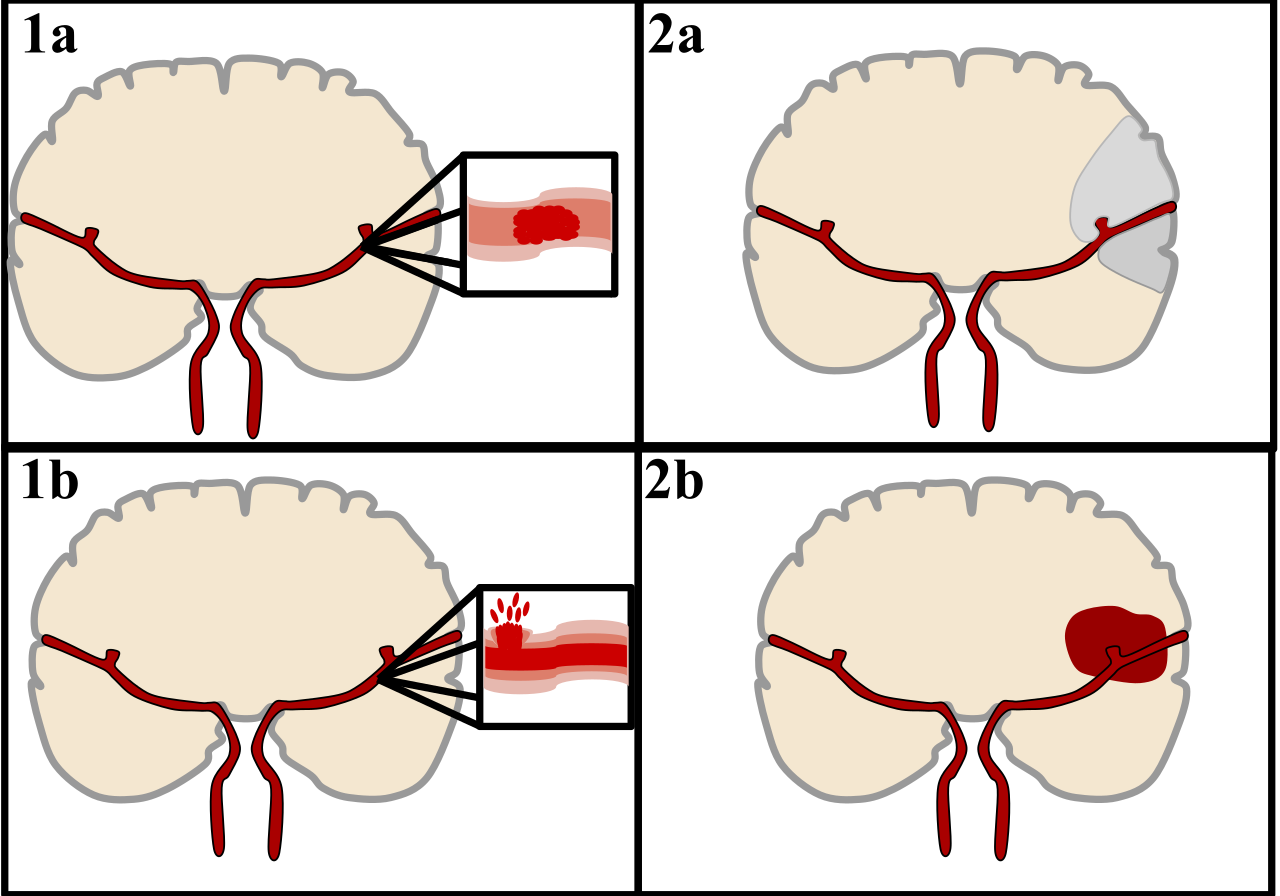
This is where Advance Directives come into play. They are the captain’s log for future care.
In this guide, we are going to tear apart the mechanics of advance directives, explore the profound legal rights of the patient, and define exactly what it means to be a fierce, unyielding nurse advocate. We won't just memorize the rules—we are going to understand why they exist, so when you sit down for the NCLEX-PN, the right answers will feel like second nature.
Before we look at the documents themselves, we have to understand a fundamental, unshakeable law of healthcare: A legally competent adult client possesses the absolute right to refuse any medical treatment.
It does not matter if the treatment will save their life. It does not matter if refusing the treatment seems illogical to you or the medical team. If they are competent, they are the boss. The practical nurse must respect a competent client's autonomous decision to decline life-sustaining interventions.
But how do we protect this autonomy when the client walks through the hospital doors? Enter the federal government.
The Patient Self-Determination Act (PSDA) is a federal law requiring healthcare facilities to inquire about advance directives upon client admission.
Because of the PSDA, healthcare facilities require the practical nurse to document the client's advance directive status the moment they are admitted. We must ask, "Do you have an advance directive?" right at the front door.
What if they don't have one?
Here is a trap many new nurses fall into: thinking that without paperwork, the client has no voice. The absence of an advance directive does not grant healthcare providers the authority to override a competent client's current verbal instructions. If a competent client looks you in the eye and says, "Stop this treatment," you stop. The paperwork is for tomorrow's incapacitation, not today's conversation.
So, what exactly is this paperwork? Simply put, an advance directive is a legal document specifying a client's healthcare wishes in the event of future cognitive incapacitation.
To create one, a client must be a legally competent adult of sound mind. (Fascinating side note: Emancipated minors possess the legal right to create an advance directive, as the law treats them as adults for healthcare decisions).
There are two primary pillars of advance directives. Think of the first as the "What" and the second as the "Who."
Pillar 1: The Living Will (The "What")
A living will dictates specific medical treatments a client accepts or refuses during a terminal illness or state of permanent unconsciousness.
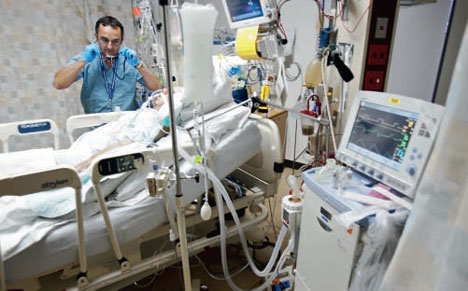
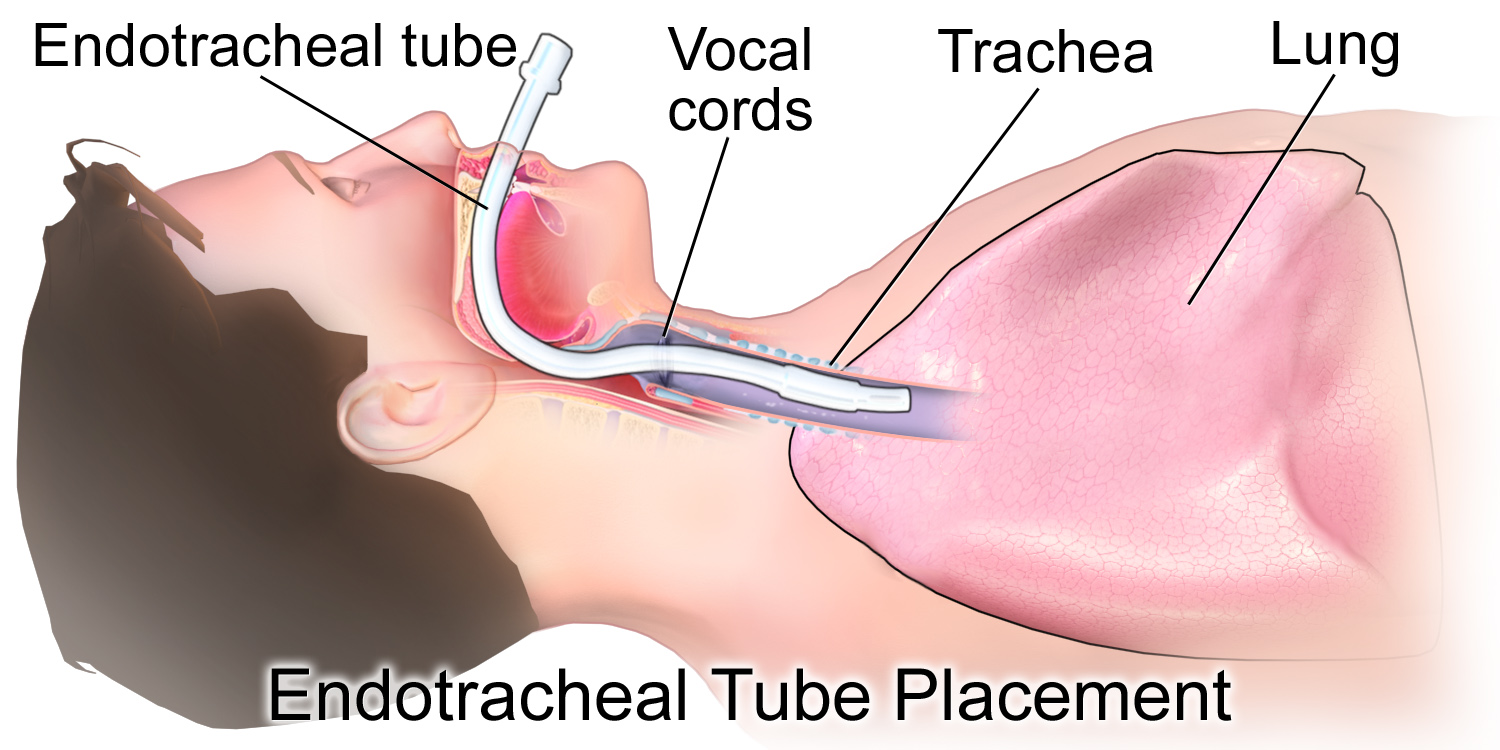
It is a literal checklist of interventions. Do they want a feeding tube? Do they want to be placed on a mechanical ventilator? The living will maps out the specific boundaries of their bodily autonomy when they can no longer speak for themselves.
Pillar 2: Durable Power of Attorney for Healthcare (The "Who")
Sometimes, a piece of paper isn't enough to handle the complex, evolving realities of a medical crisis. You need a human being to make judgment calls.
A durable power of attorney for healthcare designates a specific surrogate decision-maker for a client's medical care. You will often hear this called a healthcare proxy. Do not let the terminology trip you up on the exam: The term healthcare proxy is legally synonymous with a durable power of attorney for healthcare.
How does this surrogate make decisions? They don't just get to do whatever they want. There is a strict hierarchy of decision-making:
- The Primary Rule: A designated healthcare surrogate must make medical decisions based strictly on the client's previously expressed wishes.
- The Secondary Rule: A designated healthcare surrogate must act in the client's best interest only if the client's specific wishes remain unknown.
The Trigger: When does the Proxy take over?
A massive misconception is that once a proxy is named, they can start bossing the nurses around. Absolutely not! A durable power of attorney for healthcare activates ONLY when the client loses the cognitive capacity to make medical decisions. If the client can talk and comprehend, the proxy has exactly zero power.
| Feature | Living Will | Durable Power of Attorney for Healthcare (Proxy) |
|---|---|---|
| Primary Function | Outlines specific accepted/refused treatments. | Names a specific person to make medical decisions. |
| Activation | Terminal illness or permanent unconsciousness. | Loss of cognitive capacity to make medical decisions. |
| Flexibility | Rigid; only covers what is written. | Flexible; the surrogate can react to new, unforeseen medical developments. |
Creating a legally binding advance directive isn't as simple as writing "Don't plug me in" on a napkin. It requires formal validation to prevent fraud, abuse, or misunderstandings.
The Witnesses
To validate a client's signature on a living will, two independent witnesses are typically required by state laws.
But who gets to be a witness? The law is incredibly strict here to prevent conflicts of interest.
- Legal relatives of the client are frequently prohibited by state law from acting as witnesses to the client's advance directive signature. (They might have a financial interest in the client's estate!)
- Healthcare employees directly involved in a client's clinical care are generally disqualified from serving as witnesses to the client's advance directive. (We want to avoid even the appearance that a nurse or doctor pressured the patient).
Modifying and Revoking
People change their minds, and that is perfectly fine. However, a client must be a legally competent adult to modify an advance directive.
Furthermore, a client possesses the right to revoke an advance directive at any time while retaining decision-making capacity. They can rip it up, ask for it to be deleted from the system, or write a new one—provided they are of sound mind to do so.
Securing the Document
Once the document is legally executed, it must be accessible. The healthcare facility must place copies of a client's executed advance directive in the client's active medical record. If you are the practical nurse and a family member hands you a newly minted advance directive, you have a vital job to do: The practical nurse must formally communicate the existence of a newly provided advance directive to the primary healthcare provider. It does no good sitting in a drawer; the whole team must know it exists.
Here is a scenario that NCLEX writers love to test because it highlights the friction between legal paperwork and emergency medicine.
Imagine a client with a living will that clearly states they do not want to be resuscitated. They go to the grocery store and suffer a massive cardiac arrest. EMS arrives. Do the paramedics read the living will and walk away?
No.
Standard advance directives do not guide emergency medical personnel during out-of-hospital emergencies. Why? Because paramedics responding to a 911 call do not have the time to verify the legal validity of a multi-page living will while a patient is pulseless. Their default, legally mandated setting is to save a life.
To stop paramedics from performing CPR in the community, the client needs a very specific document. Emergency medical personnel require a specific out-of-hospital Do Not Resuscitate (DNR) order to withhold emergency resuscitation.
What is a DNR? A Do Not Resuscitate order is a medical order written by a healthcare provider instructing staff not to attempt cardiopulmonary resuscitation.
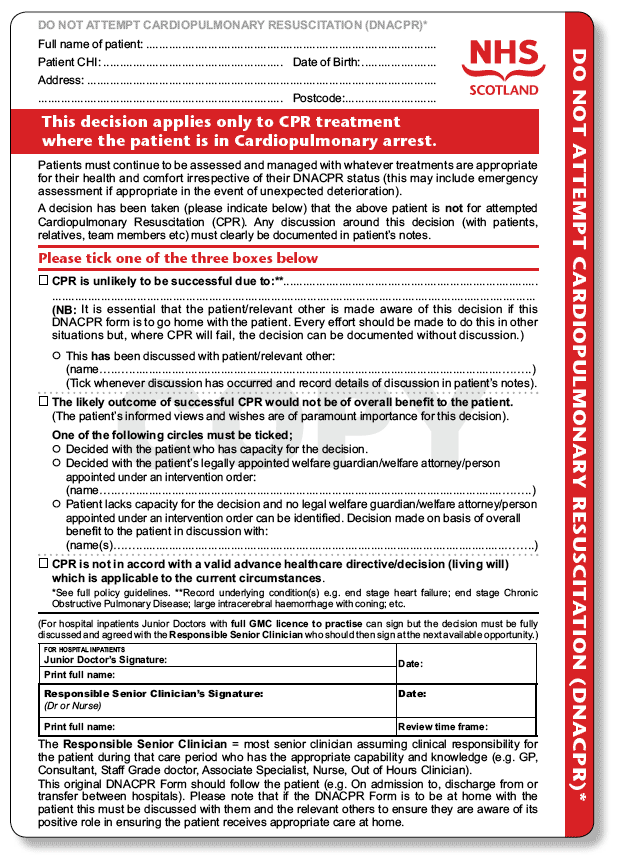
How does a client get a DNR? Often, it stems from their advance directive! A client's living will can stipulate the specific conditions under which a Do Not Resuscitate order should be initiated. When the client enters the hospital, the doctor reads the living will, sees the client's wishes, and officially writes the DNR medical order in the chart.
You are not a robot carrying out tasks. You are an advocate.
Nursing advocacy requires the nurse to prioritize and protect the client's healthcare rights above institutional convenience. Is it "inconvenient" to delay a procedure because the client wants to review their living will? Maybe. Does that matter? Not one bit. You protect the client's rights, always.
Furthermore, true advocacy is utterly selfless. Nursing advocacy involves supporting a client's healthcare decisions entirely independent of the nurse's own personal or religious beliefs. You may vehemently disagree with a client's choice to refuse life-saving antibiotics. But if they are competent, you must defend their right to say no.
Delivering Unbiased Care
When a client refuses life-saving treatment, some healthcare workers mistakenly pull away, feeling like "there is nothing more to do." This is a profound failure of nursing. The practical nurse must deliver all physical care without bias regarding the client's chosen or refused treatment options. Even if they refuse the ventilator, they still deserve impeccable hygiene, turning, pain management, and profound human dignity.
Protecting the Client
When clients are making these heavy decisions, families often panic. They might yell, cry, or try to guilt the client into changing their mind. The practical nurse must ensure the client is free from coercion when making decisions regarding advance directives. Your job is to clear the room of pressure so the client's true voice can be heard.
How do we actually support the client at the bedside while they are navigating these choices? It comes down to empowering them with knowledge and evaluating their grasp of reality.
Promoting client self-advocacy involves encouraging the client to ask questions about identified treatment options. You want them to be curious, engaged, and demanding of answers.
As a practical nurse, you play a vital role in their education.
- Provide Objective Facts: The practical nurse provides objective educational information to assist the client in understanding available treatment options. You don't tell them what to do; you tell them what the treatments are.
- Clarify the Murky Waters: Medical jargon is terrifying. The practical nurse acts as a liaison between the client and the healthcare provider to clarify misunderstood treatment options.
- Assess the Client's Comprehension: Never assume a client understands what "intubation" means just because they nod their head. The practical nurse evaluates the client's verbalized understanding of existing advance directives. How? The practical nurse utilizes open-ended questions to assess a client's comprehension of the medical terms in their living will. (e.g., "Can you explain to me what your understanding of a feeding tube is?")
- Discuss and Respect: You must discuss identified treatment options with the client and respect the decisions made.
- Escalate When Necessary: What happens if you ask an open-ended question, and the client's answer reveals they have absolutely no idea what they just signed? The practical nurse must report to the registered nurse if a client demonstrates a lack of understanding regarding proposed treatment options. The RN and the healthcare provider must then step in to re-educate and re-evaluate the client's competency and consent.
Summary for the NCLEX-PN
When you sit for the exam, remember the core philosophy of this topic: The client is the captain.
- If they are competent, their current voice rules all.
- If they lose cognitive capacity, their advance directive (Living Will) or their designated surrogate (Healthcare Proxy/DPOA) takes the wheel.
- Your role as the practical nurse is to ask about these documents at admission (PSDA), ensure they understand them without coercion, act as a liaison to the provider, advocate for their choices regardless of your own beliefs, and provide immaculate, unbiased care no matter what path they choose to walk.