Expected Actions and Pharmacological Pain Management
Not sure you’re ready?
Take the ~3-minute readiness diagnostic and see where you stand.
Welcome, future nurses! Take a seat. Today, we are going to look under the hood of human physiology and explore the magnificent, invisible machinery of pharmacology.
Think of the human body as an incredibly elegant, bustling metropolis. Drugs are the messengers, the construction workers, and sometimes the demolition crews we send into this city to fix what’s broken. But how do they get to work? How do we know they are doing their jobs? And most importantly, how do we stop them from burning the city down?
Let's dive into the rules of the game: Expected Actions and Pharmacological Pain Management.
Before we can manage pain or fix a beating heart, we have to understand what happens when a chemical enters the body. There are two distinct sides to this coin: what the body does to the drug, and what the drug does to the body.
1. Pharmacokinetics: The Body's Assembly Line
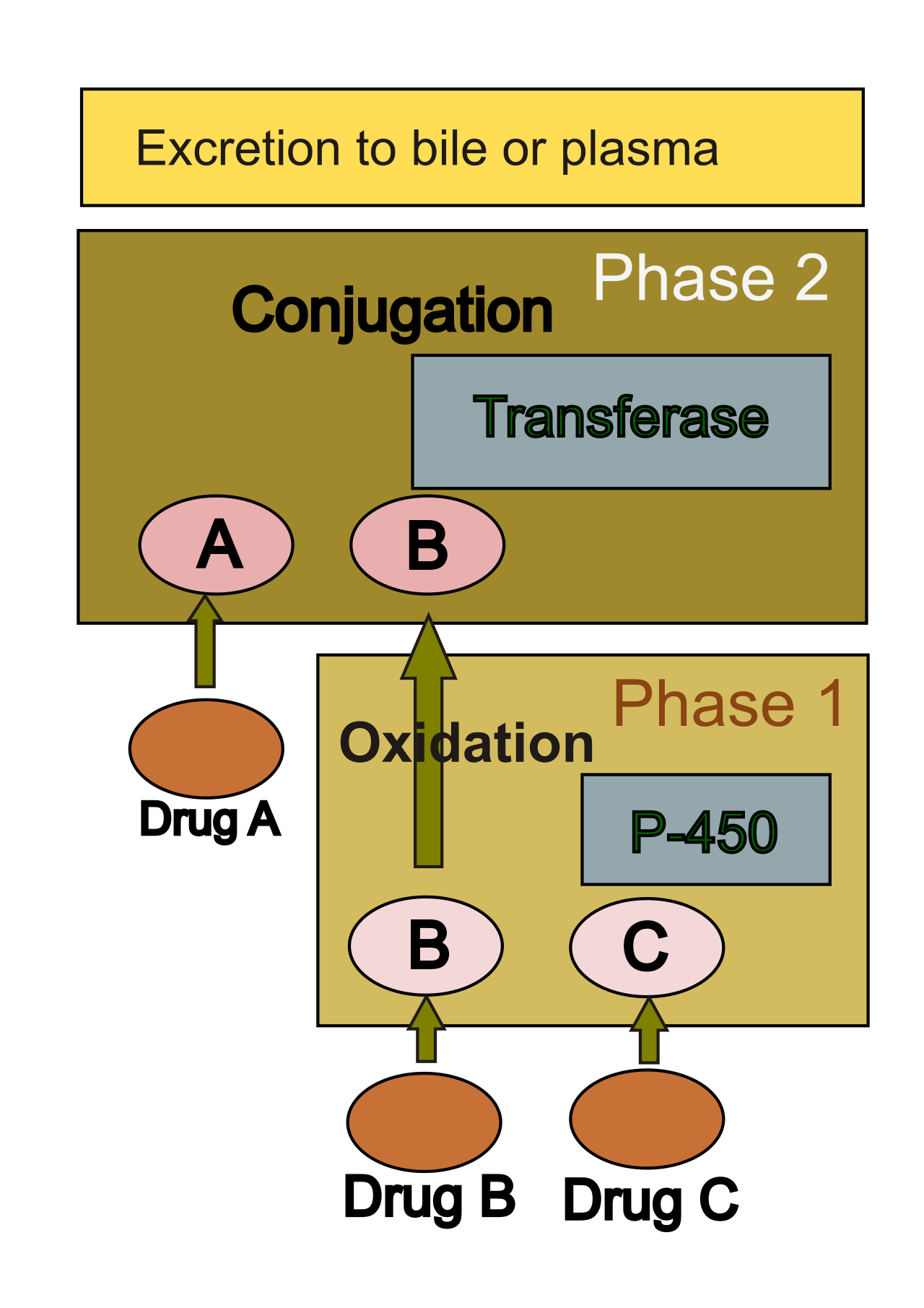
Pharmacokinetics involves the entire lifecycle of a drug within the human body: drug absorption, distribution, metabolism, and excretion.
Imagine you swallow a pill. How does it get cleared out?
- The liver is the primary site of drug metabolism in the human body. It acts as the chemical processing plant, breaking down complex drug molecules.
- The kidneys are the primary organs responsible for drug excretion. They act as the city's sanitation department, filtering the metabolized byproducts into the urine to be flushed away.
2. Pharmacodynamics: The Drug's Instructions
Once the drug reaches its destination, it issues a set of instructions. Pharmacodynamics describes these biochemical and physiological effects of drugs on the human body.
At the cellular level, drugs generally act in one of two ways:
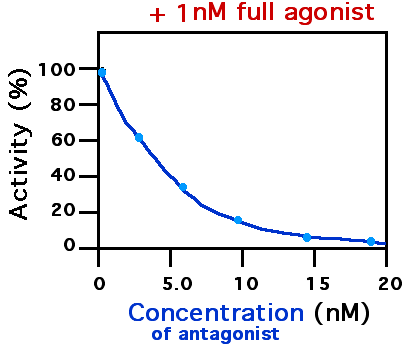
- Agonist medications bind to a receptor and produce a stimulatory response. They are the keys that start the engine.
- Antagonist medications bind to a receptor and block a specific biological response. They are the gum jammed into the keyhole so nothing else can start the engine!
3. The Time-Action Profile
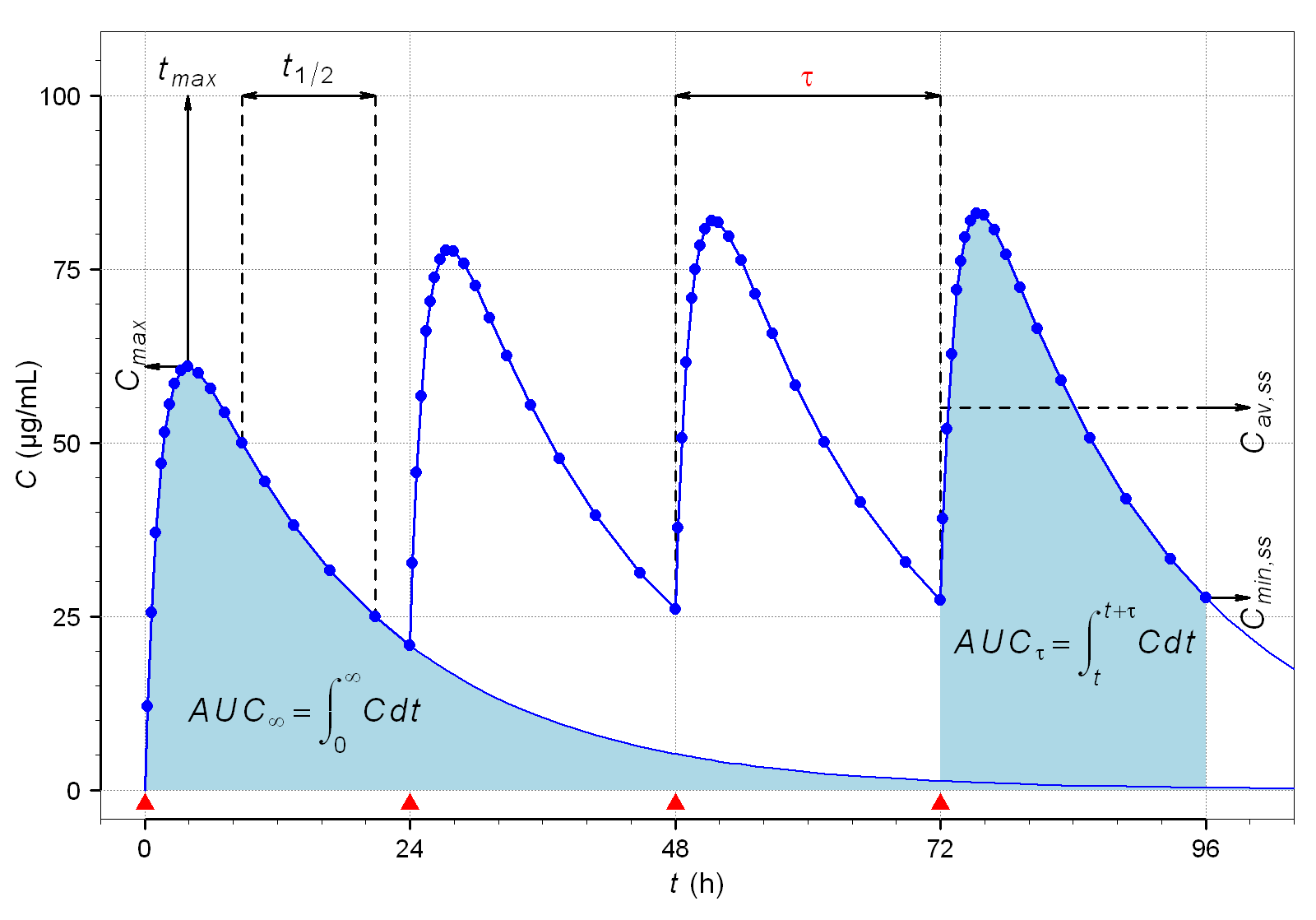
How long does it take for the magic to happen? We measure a drug's timeline using a few critical parameters:
- Onset of action: The time required for a medication to elicit a therapeutic response after administration. (When does it start working?)
- Peak action: The precise time when a medication reaches its highest effective concentration in the blood. (When is it working the hardest?)
- Duration of action: The total length of time a medication produces a therapeutic effect. (How long does the ride last?)
The Secret of Dosing: How do doctors know whether to prescribe a pill every 4 hours or every 24 hours? It comes down to the drug half-life, which determines the precise dosing interval required to maintain therapeutic blood levels.
When we give a medication, we are aiming for a therapeutic effect—the desired or intended physiological response to a medication. But you can't just cross your fingers and assume it worked! Evaluating therapeutic response requires comparing post-medication assessment data to pre-medication baseline data. If a patient’s blood pressure was 180/100, we need to check it after giving the antihypertensive to prove the drug did its job.
However, drugs aren't smart; they are just chemicals, and they can cause unwanted ripples. We divide these into two categories:
- Side effect: A predictable, expected secondary effect of a medication at a normal therapeutic dose. (Think of the drowsy feeling you get from allergy pills).
- Adverse effect: An unintended, unpredictable, and potentially dangerous physiological response to a medication.
The Phenomenon of Adaptation
If you give certain drugs for a long time, the body adapts. Nature always seeks equilibrium.
- Tolerance occurs when a client requires increasingly larger doses of a medication to achieve the original therapeutic effect.
- Physical dependence is an actual physiological adaptation to a medication, uniquely characterized by withdrawal symptoms upon abrupt cessation. The body has rewired itself to expect the drug, and suddenly taking it away throws the system into chaos.
As a practical nurse, you are the final line of defense. You must know the therapeutic ranges of dangerous drugs and the specific chemical "undo buttons" (antidotes) when things go wrong.
The Antidote Arsenal
Memorize this table. When toxicity strikes, these are your lifelines.
| Medication Type | Target / Antidote |
|---|---|
| Warfarin | Vitamin K is the pharmacological antidote for warfarin toxicity. |
| Heparin | Protamine sulfate is the pharmacological antidote for heparin toxicity. |
| Benzodiazepines | Flumazenil is the pharmacological antidote for benzodiazepine toxicity. |
| Opioids | Naloxone is the specific pharmacological antidote for opioid overdose. |
| Acetaminophen | Acetylcysteine is the specific pharmacological antidote for acetaminophen toxicity. |
The Critical Numbers
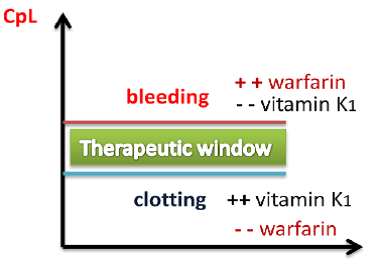
To keep patients safe, we constantly measure serum levels. If the numbers drop too low, the drug won't work. If they drift too high, the patient is in danger.
- Warfarin: The therapeutic international normalized ratio (INR) range for a client on warfarin is typically 2.0 to 3.0.
- Heparin: The therapeutic activated partial thromboplastin time (aPTT) for a client on heparin is typically 1.5 to 2.5 times the normal baseline.
- Lithium: The normal therapeutic serum lithium level is a narrow 0.6 to 1.2 milliequivalents per liter (mEq/L).
The Digoxin and Potassium Dance
Let's talk about the heart. Digoxin is a classic cardiac medication, but it has a very tight therapeutic window.
- The normal therapeutic serum digoxin level is 0.8 to 2.0 nanograms per milliliter (ng/mL).
- Digoxin toxicity can occur when serum digoxin levels exceed 2.0 ng/mL.
Here is where the biology gets fascinating—and dangerous. Potassium levels directly influence digoxin's behavior! The normal serum potassium range is 3.5 to 5.0 milliequivalents per liter (mEq/L). If a patient's potassium drops too low (hypokalemia), it severely increases the risk of digoxin toxicity in clients taking digoxin.
Why might a patient's potassium drop or spike? Look at their blood pressure medications!
- Loop diuretics like furosemide promote the aggressive excretion of potassium. (These patients are at high risk for hypokalemia and subsequent digoxin toxicity).
- Angiotensin-converting enzyme (ACE) inhibitors, on the other hand, can cause dangerous potassium retention.
Pain is the great human equalizer. How do we treat it? First, we must measure it. The practical nurse assesses the client's pain level using a standardized pain scale before and after administering analgesic medication. That is your baseline-to-post-medication comparison in action.
1. The Non-Opioids (Mild to Moderate Pain)
Let’s contrast the two most common over-the-counter pain relievers: Acetaminophen and NSAIDs.
- The Good: It has excellent analgesic (pain-relieving) and antipyretic (fever-reducing) properties.
- The Bad: Unlike its cousins, acetaminophen lacks significant anti-inflammatory properties. It will not fix a swollen ankle.
- The Danger: The maximum recommended daily dose of acetaminophen for a healthy adult is 4,000 milligrams. Exceeding this is catastrophic because acetaminophen toxicity primarily causes hepatic necrosis (liver death).
Nonsteroidal Anti-Inflammatory Drugs (NSAIDs) (e.g., Ibuprofen)
- The Good: NSAIDs inhibit prostaglandin synthesis to radically reduce both pain and inflammation.
- The Danger: Prostaglandins do more than cause pain; they protect the stomach lining and keep blood flowing to the kidneys. Therefore, shutting them down with NSAIDs increases the risk of gastrointestinal bleeding and increases the risk of acute renal failure.
2. The Opioids (Severe Pain)
Opioid analgesics are the heavy artillery. They bind to opioid receptors in the central nervous system to alter the perception of pain. They don't fix the injury; they change how the brain feels the injury.
But shutting down parts of the CNS comes with a steep price:
- The Adverse Effect: Respiratory depression is a life-threatening adverse effect of opioid analgesics. The brain literally forgets to tell the lungs to breathe.
- The Side Effect: Constipation is a common and thoroughly expected side effect of prolonged opioid analgesic use. Because of this, the practical nurse must assess bowel sounds and bowel movement frequency in clients receiving opioid analgesics.
Modern medicine has given us brilliant ways to deliver continuous pain relief, but they require extreme vigilance from the nursing staff.
1. Patient-Controlled Analgesia (PCA)
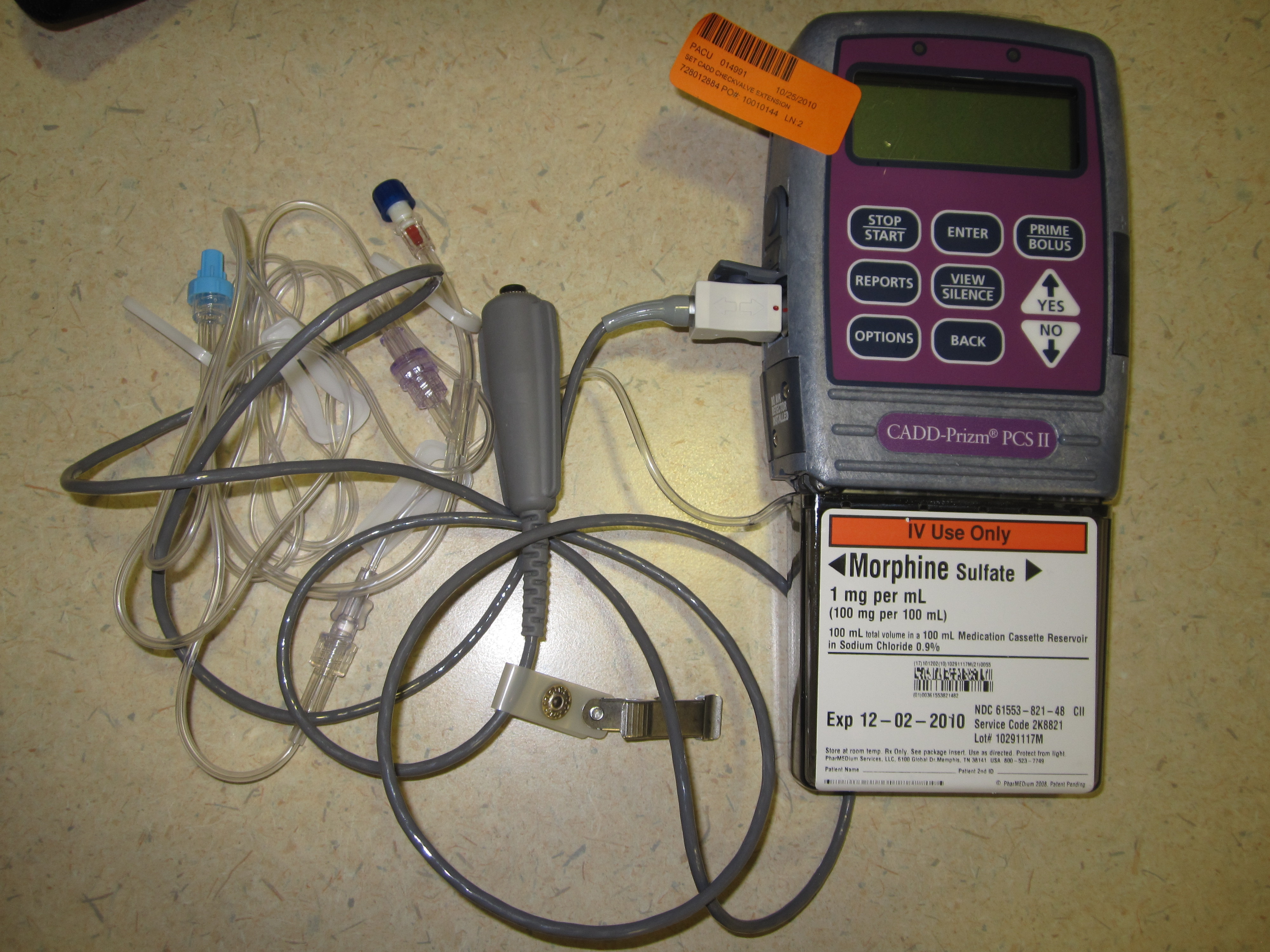
Imagine giving a patient a button that instantly delivers intravenous narcotics. Sounds terrifying, right? But Patient-controlled analgesia (PCA) allows clients to safely self-administer preset intravenous doses of opioid pain medication. Why do this? Because it provides more consistent serum analgesic levels compared to as-needed intermittent injections. No more riding the rollercoaster of severe pain followed by heavy sedation!
The Golden Rules of PCA:
- The Lockout: The lockout interval on a PCA pump strictly prevents the client from receiving an overdose of medication, no matter how many times they press the button.
- The "Only the Client" Rule: This is critical. Only the client receiving the therapy is permitted to push the patient-controlled analgesia dosing button. Not the nurse, not the well-meaning spouse. Only the patient.
- The Double-Check: The practical nurse verifies the correct medication concentration and pump settings with a registered nurse prior to initiating patient-controlled analgesia.
Monitoring the PCA Patient: Because we are pumping opioids directly into the vein, the practical nurse must continuously monitor the respiratory rate and sedation level of a client using a PCA pump. We use two amazing tools to do this:
- Capnography: This provides continuous monitoring of end-tidal carbon dioxide to detect early respiratory depression in clients receiving opioid analgesia, often long before the oxygen saturation drops!
- The Pasero Opioid-Induced Sedation Scale (POSS): This scale is used to monitor sedation levels. If you calculate a sedation scale score indicating a somnolent or unarousable state, it requires the immediate cessation of opioid administration. Wake them up, stop the pump!
2. Epidural Analgesia
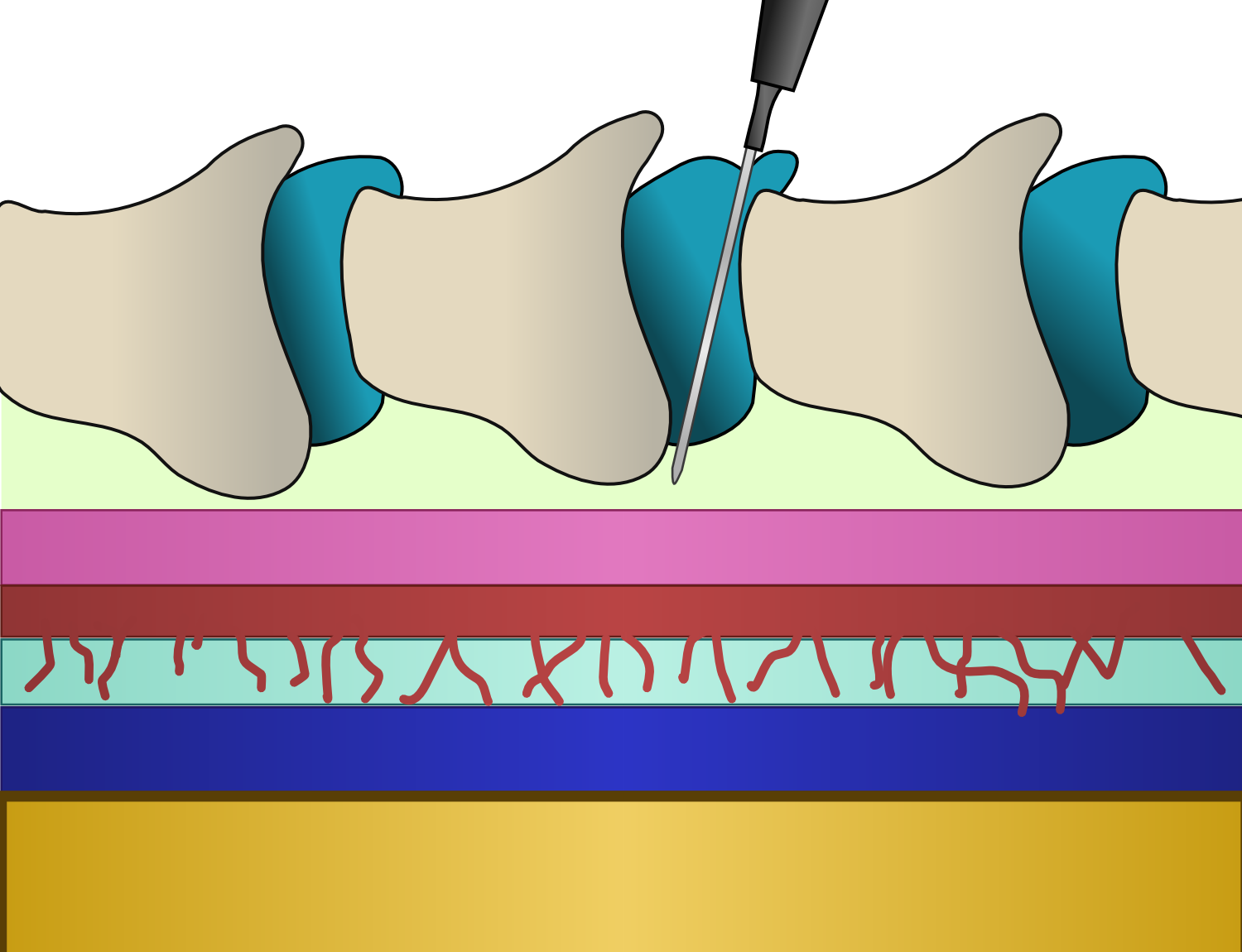
For targeted, regional pain relief (like childbirth or major abdominal surgery), we use epidural analgesia. This involves the continuous or intermittent administration of medication directly into the epidural space of the spine.
Because this medication is going near the spinal cord, our safety protocols must be flawless:
- No IV Mix-ups! Epidural tubing must be clearly labeled and absolutely lack injection ports to prevent the accidental intravenous administration of epidural medications.
- Trace the Lines: The practical nurse must trace all epidural infusion lines from the medication bag to the client to ensure the correct route of administration.
What to Monitor with Epidurals: The epidural space is sensitive, and the medications (often opioids mixed with local anesthetics) cause specific systemic reactions.
- Hypotension is a common and dangerous adverse effect of epidural analgesia. Therefore, the practical nurse must monitor the client's blood pressure frequently during the initial administration.
- Pruritus (severe itching) is a common side effect of opioid administration via the epidural route.
- Urinary Retention is a known and frequent side effect. The practical nurse must actively assess the bladder for distention.
- Respiratory Depression: Just like IV opioids, an epidural opioid can travel up the spinal fluid to the brain stem. A decrease in respiratory rate below 12 breaths per minute in a client receiving epidural opioids requires immediate nursing intervention.
The Red Flag: The Spinal Headache The epidural needle is supposed to stop just outside the dural sac. However, a severe headache following epidural placement may indicate a dural puncture and a cerebrospinal fluid (CSF) leak. The practical nurse must monitor the epidural catheter insertion site for signs of infection or continuous CSF leakage, and must immediately report a severe headache in a client with an epidural catheter to the registered nurse or healthcare provider.
Final Thoughts
Understanding pharmacology isn't about memorizing flashcards; it’s about seeing the matrix of the human body. When you know why a drug acts the way it does, how the liver and kidneys process it, and what receptors it binds to, you don't have to guess what the side effects will be—you will just know.
Keep your eyes on those labs, watch your patients' respiratory rates, and never forget the profound power of the chemicals you hold in your hands. Now go out there and be brilliant!