Advance Directives, Self-Determination, and Life Planning
Not sure you’re ready?
Take the ~3-minute readiness diagnostic and see where you stand.
Imagine for a moment that you are trapped in a soundproof glass box. You can see everything happening around you, you understand everything being said, but no matter how loudly you shout, no one can hear you.
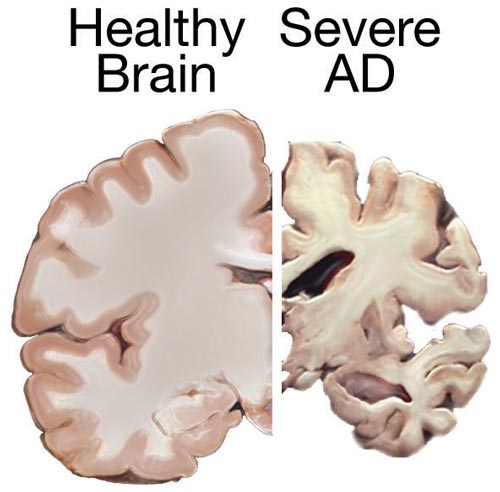
In healthcare, a severe illness, a traumatic brain injury, or the progression of dementia can build that glass box around a patient. They lose their voice. They lose their capacity. So, as nurses, how do we ensure they can still speak? How do we ensure their autonomy isn't stripped away the moment their vocal cords or their consciousness fails them?
We use advance directives.
Welcome to the profound, deeply human intersection of nursing, law, and ethics. Today, we are going completely under the hood of Advance Directives, Self-Determination, and Life Planning. We aren’t just going to memorize definitions; we are going to understand the mechanics of human autonomy. By the end of this guide, you will know exactly how to protect your patients' rights when they need you the most. Let’s dive in.
Before we can talk about the paperwork, we have to talk about the power. Where does the patient's power come from?
It comes from the Patient Self-Determination Act (PSDA). The Patient Self-Determination Act is a federal law governing client rights regarding healthcare decisions. It is the legal bedrock that says, unequivocally, that an individual owns their own body and has the final say over what happens to it.
Because of this federal law, the Patient Self-Determination Act requires healthcare facilities to ask clients about advance directives upon admission. It isn't just a good idea; it's a mandatory checkpoint. The moment they walk through the doors, we ask: "Do you have a plan?"
The Ultimate Rule of Autonomy: Self-determination includes the client's right to refuse medical treatment despite potential life-threatening consequences.
As long as they are legally competent, if a patient looks at a life-saving blood transfusion or a ventilator and says, "No, thank you," we must honor it. The nurse must respect a client's self-determination regarding the decision to initiate palliative care over curative treatments. It is their life, their body, and their choice.

Of course, to make these choices, the client must actually understand them. Therefore, the nurse must provide language-appropriate educational materials regarding self-determination rights to the client. If they speak Spanish, handing them a dense legal packet in English isn't just unhelpful—it's practically a violation of the spirit of the PSDA.
So, how do we capture this self-determination and put it in a bottle for later? We use an advance directive.
An advance directive is a legal document outlining a client's healthcare preferences if the client becomes incapacitated. Think of it as a time capsule. The patient writes down their wishes today, so that if they lose their capacity tomorrow, their voice still echoes in the room.
But here is the catch: A client must possess legal competence to create a valid advance directive. You cannot build the life raft after you’ve started drowning. You have to do it while your mind is clear.
And because autonomy is fluid, a competent client holds the right to alter or revoke an advance directive at any time. If they wake up on a Tuesday and decide they actually do want a feeding tube after initially refusing one in their paperwork, they can tear the old directive up. The competent patient always overrides the paper.

The Two Primary Types of Advance Directives
There is a lot of jargon here, but let's make it incredibly simple. The two primary types of advance directives are living wills and durable powers of attorney for healthcare.
Think of a living will as a Map, and a durable power of attorney as a Captain.
| Feature | The Living Will (The Map) | Durable Power of Attorney for Healthcare (The Captain) |
|---|---|---|
| What is it? | A legal document that dictates the specific life-sustaining medical treatments a client wishes to receive or refuse. | A legal document that designates a legal surrogate to make medical decisions for an incapacitated client. |
| How it works | It is essentially an "If-Then" flowchart. "If I am in a persistent vegetative state, then do not give me artificial nutrition." | It appoints a trusted person (the healthcare proxy or surrogate) to make the call when the situation isn't perfectly covered by the map. |
| Limitations | Cannot predict every medical scenario. | The proxy only gets to speak when the patient cannot. |
Let's look closer at the Durable Power of Attorney for Healthcare.
There is a massive misconception that the moment a patient signs a DPOA, the proxy gets to start calling the shots. Wrong. A healthcare proxy assumes decision-making authority ONLY when the client is deemed legally incompetent or lacks capacity. If the patient is awake, oriented, and competent, the proxy has zero power.
Furthermore, when the proxy does take over, they don't get to just do whatever they feel like. A healthcare surrogate is legally obligated to make decisions based on the client's previously stated wishes. A healthcare surrogate cannot make decisions based solely on the surrogate's own personal beliefs or preferences. If the proxy is deeply religious and believes in preserving life at all costs, but the patient explicitly stated they wanted to be let go peacefully, the proxy must choose peace. The proxy is a megaphone for the patient's voice, not a replacement for it.
What happens if there is NO Advance Directive? In the absence of an advance directive, state laws dictate the hierarchy of family members authorized to make healthcare decisions. Usually, it falls to the spouse, then adult children, then parents. But it gets messy, which is exactly why life planning is so critical!
Now, pay very close attention to this next part, because the NCLEX loves to test this distinction.
An advance directive remains distinct from an active medical prescription for life-sustaining treatment.
Let's talk about the Do Not Resuscitate (DNR) order.
- A living will does NOT automatically function as a Do Not Resuscitate order.
- A Do Not Resuscitate order requires a specific written prescription signed by a licensed healthcare provider.
A living will is a piece of paper drawn up by lawyers and patients. A DNR is a medical order written by a doctor or NP. If a patient with a living will stating "No CPR" suddenly codes in your unit, but there is no signed DNR medical order in the chart, you generally must initiate CPR until the provider writes the DNR order based on that living will. The living will tells the doctor to write the order; it is not the order itself.

Life planning isn't just about refusing ventilators. It's a holistic look at the end of life. Life planning encompasses discussions regarding organ donation preferences prior to a client's incapacitation.

These are heavy, deeply emotional conversations. As a nurse, you do not have to carry this entire burden alone. The nurse should facilitate a consultation with social services to assist a client with complex life planning decisions. Social workers and case managers are wizards at navigating the financial, legal, and emotional webs of end-of-life care. Bring them in!
So, what is your actual job in all of this? Your job spans three distinct phases: documentation, education, and fierce advocacy.
1. The Documentation Architect
If the patient's wishes aren't documented, they essentially don't exist in the eyes of the hospital system.
- The EHR: The nurse must document whether a client possesses an advance directive in the electronic health record.
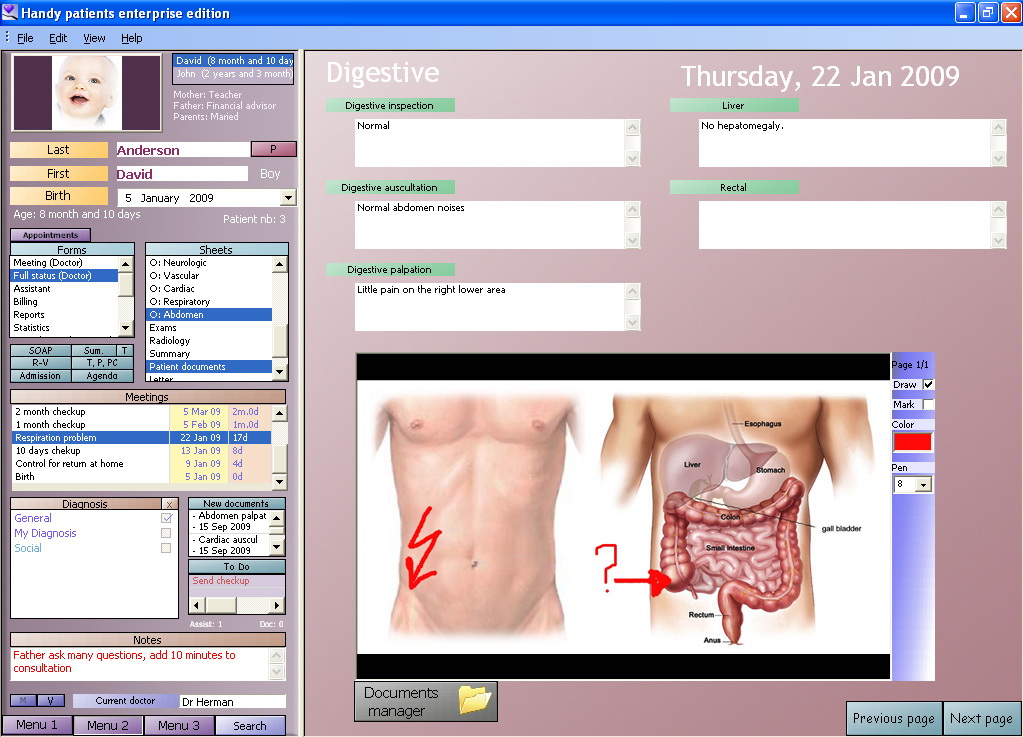
- The Chart: The nurse must place a physical or digital copy of the client's advance directive in the medical chart. A patient saying "I have it at home in a safe" doesn't help anyone at 3:00 AM during a code blue.
- The Handoff: The nurse must communicate the client's advance directive status during handoff reporting to the interdisciplinary team. "Mr. Smith in Room 4 is a full code, but he has a DPOA on file—his daughter, Sarah."
2. The Educator
You are the translator of medical and legal jargon.
- Assess Understanding: The nurse must assess the client's personal understanding of the purpose of advance directives. Don't just hand them a form. Ask, "Can you tell me in your own words what you think this document does?"
- Provide Information: The nurse must provide standard written information regarding advance directives to clients who request details.
Crucial NCLEX Trap: Can you, the nurse, witness the patient signing their advance directive? NO. A nurse providing direct care to a client cannot legally serve as a witness to the client's advance directive signature. Why? Because it is a massive conflict of interest! The law wants totally neutral, objective witnesses (like a notary or non-clinical administrative staff) to ensure no one in the hospital is coercing the patient.

3. The Fierce Advocate
This is where you earn your stripes. Sometimes, a patient’s wishes will clash with what the family wants, or even what the medical team wants to do. When that happens, the nurse becomes the ultimate defender of the patient's autonomy.
- Defending Against the Family: Family members often panic and demand we "do everything" even when the patient's living will says "do nothing." Remember this rule: An advance directive supersedes the medical decisions of family members if those decisions conflict with the documented wishes. Therefore, the nurse must advocate for the client's documented end-of-life choices when family members disagree with the advance directive.
- Defending Against the Staff: Doctors and fellow nurses are fixers. We want to save lives. But the nurse must intervene if a healthcare staff member attempts a medical intervention that contradicts the client's advance directive. If the respiratory therapist is about to intubate a patient whose living will and matching DNR explicitly forbid it, you step in and stop them.

- Leading the Care Team: It is not enough that you know the patient's wishes. The nurse must assess whether assistive personnel (UAPs/CNA) understand the specific limitations of care outlined in a client's advance directive. If a patient is strictly comfort care, the CNA needs to know so they don't inappropriately trigger a massive, traumatic emergency response.
Advance directives are not just legal paperwork; they are a profound act of love and foresight. They are a patient's way of saying, "If I lose my way in the dark, here is a map of exactly how I want you to treat me."
As an elite nurse, your mastery of the Patient Self-Determination Act, your understanding of the distinct roles of living wills and healthcare proxies, and your relentless advocacy are what ensure that glass box never truly silences your patient. Understand the rules, protect your patient's voice, and you will not only ace your NCLEX—you will change lives.