Advocacy
Not sure you’re ready?
Take the ~3-minute readiness diagnostic and see where you stand.
The Physics of Advocacy: Empowering the Client in the Healthcare Machine
Welcome. Pull up a chair.
When you look at a hospital from the outside, it looks like a place of absolute scientific precision. You have algorithms, standard operating protocols, and sophisticated machinery. But when you step inside and look closely at the human element, you realize the healthcare system is actually a chaotic, overwhelming maze. Imagine being a patient—sick, tired, and suddenly thrust into the cockpit of a 747 without a flight manual.

Who makes sure they don’t crash? You do.
As a registered nurse, your job is not just passing meds or starting IVs. The registered nurse acts to protect the client's legal and ethical rights. You are the shield, the translator, and the anchor. Let's break down the mechanics of what it actually means to be a client advocate for the NCLEX-RN.
If advocacy is the vehicle, autonomy is the engine. A primary goal of client advocacy is to promote client autonomy in healthcare decision-making. Autonomy simply means that the patient is the undisputed boss of their own body.
But here is the trick: a client cannot be autonomous if they are kept in the dark. How can you make a decision if you don't know the rules of the game?
The Mechanics of Informed Consent
For a decision to be truly autonomous, the client needs data. The registered nurse ensures the client has sufficient information to make informed healthcare decisions. Now, you aren't necessarily the one performing the surgery, but client advocacy includes verifying that the client understands the risks of proposed treatments, as well as verifying that the client understands the benefits of proposed treatments. If the doctor explains a procedure and leaves the room, and the client looks at you and says, "Wait, what did he just say?", consent has not been achieved. You must stop the line.
The Feynman Rule of Consent: Information isn't just about handing over a piece of paper; it's about checking for true comprehension.
The Law of Self-Determination
The federal government recognized that patients were getting bulldozed by the medical machine, so they created a fundamental rule. The Patient Self-Determination Act (PSDA) requires healthcare facilities to inform clients of their right to accept medical treatment, and equally importantly, it requires healthcare facilities to inform clients of their right to refuse medical treatment.
And remember this crucial fact: human beings are allowed to change their minds! Competent clients possess the legal right to change their mind about treatment options at any time. Even if they are prepped for surgery and the IV is in—if they say "stop," you stop.

When a client makes a choice, the system doesn't always like it. Doctors might get frustrated. Families might get angry. This is where you step into the gap. The registered nurse serves as an intermediary between the client and the healthcare provider.
Defending the Choice
Let's say a patient with terminal cancer decides to stop chemotherapy, against the oncologist's strong recommendation. The registered nurse supports the client's decisions regardless of the nurse's personal beliefs. Your personal opinion on the matter is irrelevant to your professional duty.
Once the client decides, you become their megaphone:
- Educate the team: The registered nurse educates other healthcare team members about the client's expressed wishes.
- Protect the client: The registered nurse intervenes when other healthcare team members dismiss the client's treatment choices. If the attending physician brushes off the client's concerns, you speak up.
- Share the blueprint: The registered nurse must communicate the client's advance directives to the interprofessional healthcare team.
Utilizing Your Resources: The Advocacy Toolbox
You don't have to fight the system alone. When the friction gets too high, you must know which lever to pull. If the client's fundamental rights are being ignored by a physician or another staff member, the registered nurse escalates concerns to nursing leadership when a client's rights are violated.
For other complex problems, you have an incredible interdisciplinary team. Let's look at how to deploy them effectively:
| The Resource | When to Use Them |
|---|---|
| Hospital Ethics Committees | These serve as an institutional resource to help resolve conflicts regarding client care decisions. The registered nurse consults the facility ethics committee during family disputes regarding client care direction (e.g., adult children arguing over a comatose parent's code status). |
| Social Workers | These experts provide specific community resources to assist clients in navigating healthcare system barriers (e.g., finding a community support group, navigating insurance, or securing a safe environment). |
| Case Managers | These professionals coordinate financial and logistical care resources to support the client's discharge decisions (e.g., securing home oxygen, arranging transfer to a skilled nursing facility). |
Now, let's talk about the invisible barriers in healthcare. Science tells us that a patient's background shouldn't dictate their biological outcome, but the data tells a different story.
Why? Because of the human element.
The Mechanics of Disparities
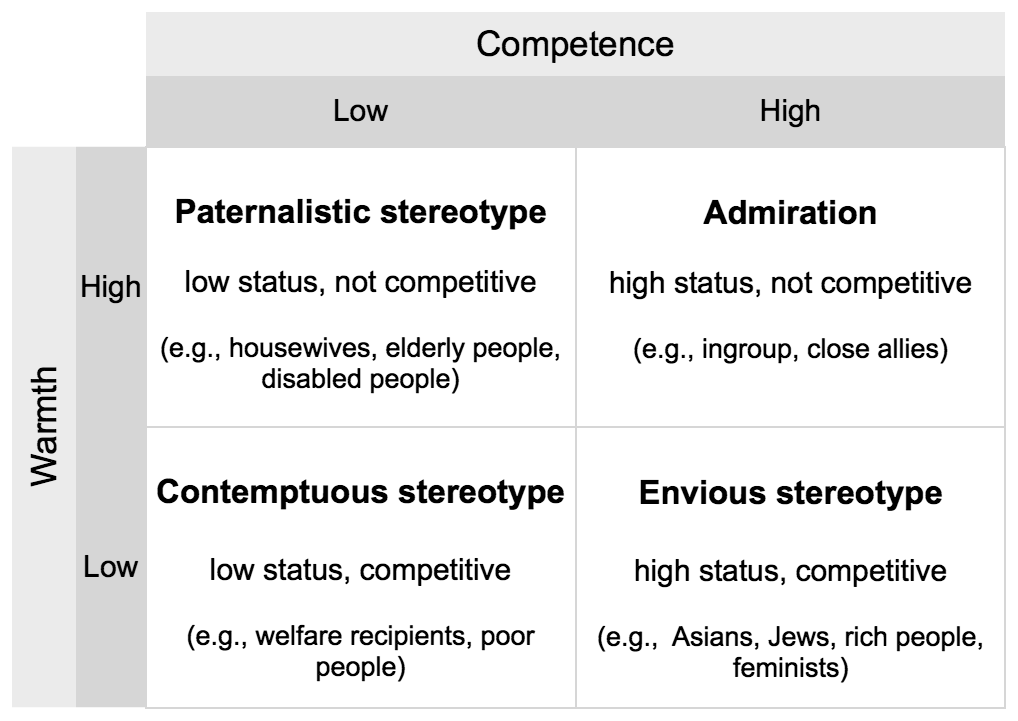
Healthcare disparities represent preventable differences in disease burden experienced by socially disadvantaged populations. Notice the word preventable. These aren't genetic inevitabilities; they are failures of the system.
One of the main culprits? Us. Our brains. Implicit bias in healthcare contributes directly to disparities in treatment outcomes among minority populations. When healthcare providers unconsciously hold stereotypes, it alters how they assess pain, order tests, and listen to clients.
The Universal Standard of Care
To combat this, The American Nurses Association Code of Ethics requires nurses to practice with respect for the inherent dignity of every person.
As an advocate, you must guarantee that the environment is a safe haven for everyone. This means:
- The registered nurse must provide equitable care to all clients regardless of the client's cultural background.
- The registered nurse must provide care free from discrimination based on a client's sexual orientation.
- The registered nurse must provide care free from discrimination based on a client's gender identity.
You cannot be a passive observer. The registered nurse challenges discriminatory practices observed within the healthcare environment. If you hear a colleague making a derogatory joke about a transgender patient, you shut it down. If you see a protocol that inherently disadvantages a certain demographic, the registered nurse advocates for facility policy changes to eliminate barriers to healthcare access for marginalized communities.
Culturally Competent Care
We don't just "tolerate" a patient's culture; we actively use it to help them heal. Culturally competent care requires the registered nurse to incorporate the client's cultural values into the care plan. If a patient's culture requires periods of fasting, you don't just tell them "you have to eat for your meds." You advocate by working with the pharmacy and the provider to adjust the medication schedule to respect their traditions.
Let's circle back to autonomy. Remember: autonomy requires comprehension. What happens if the patient literally cannot understand the words coming out of the doctor's mouth?
You cannot rely on the client's 12-year-old bilingual daughter to translate a surgical consent. That is dangerous, unethical, and illegal. The registered nurse advocates for access to certified medical interpreters for clients with limited English proficiency.
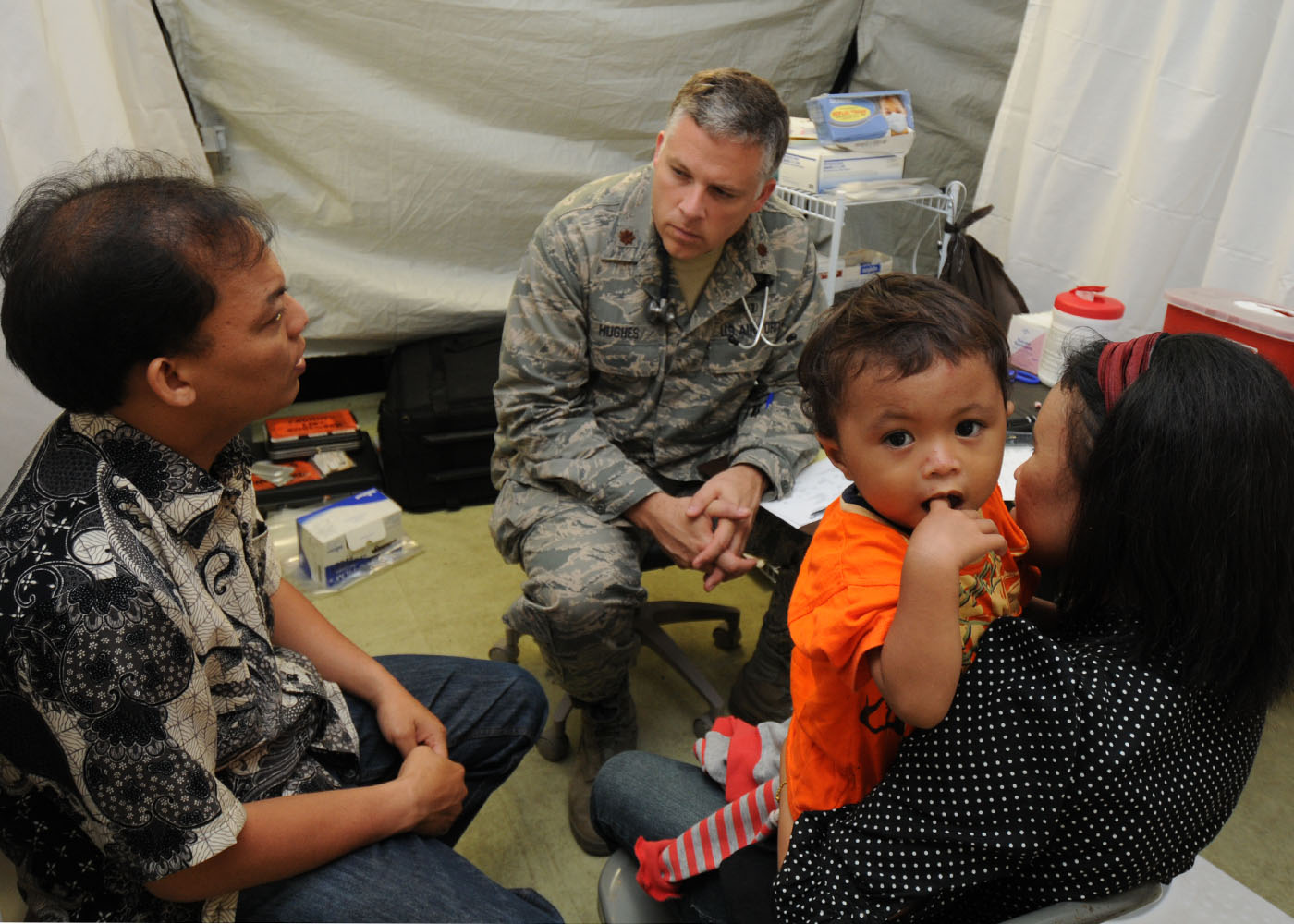
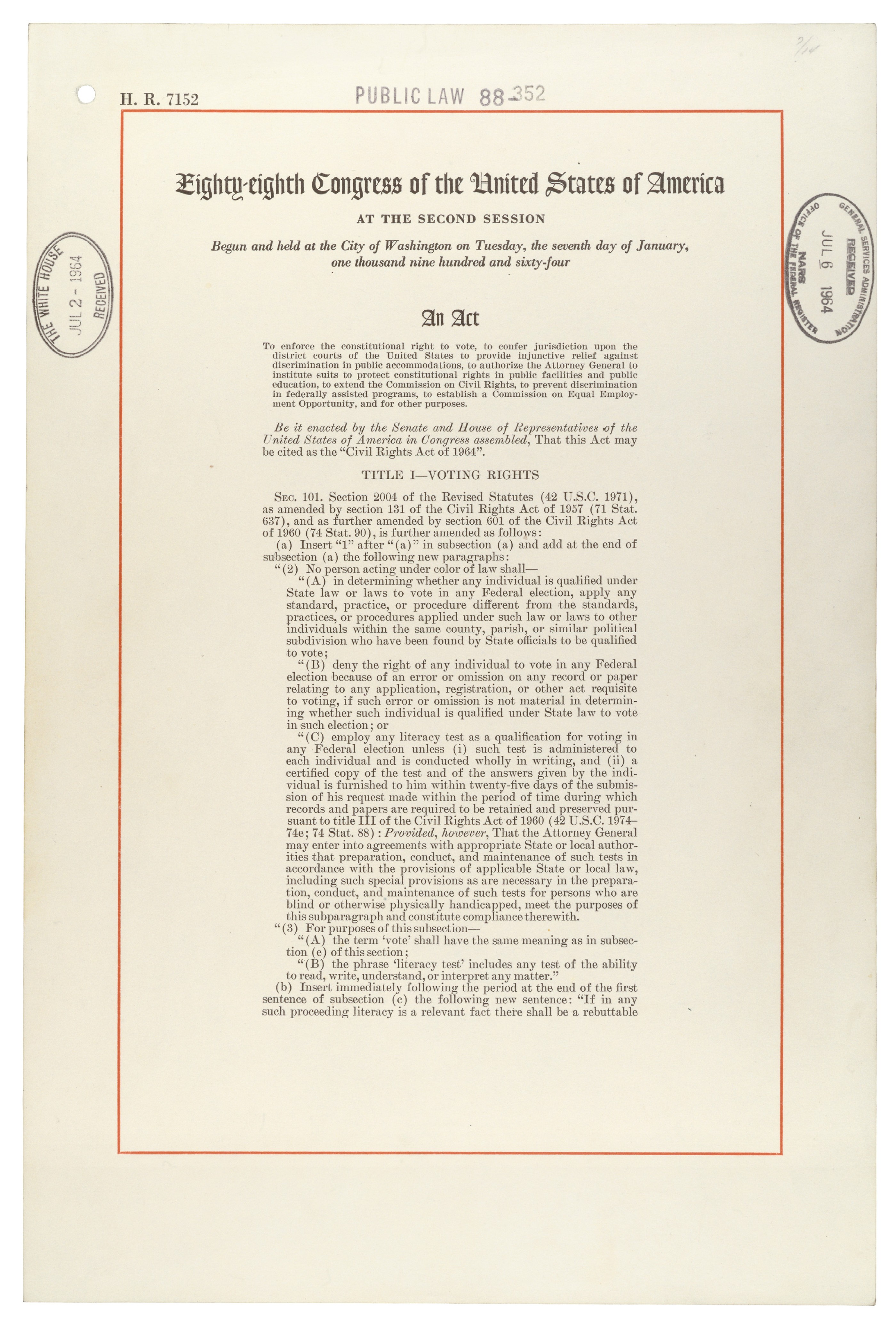
The Legal Backbone: Why is this so strict? Because Title VI of the Civil Rights Act mandates language assistance services in federally funded healthcare programs. Denying a patient a certified interpreter isn't just poor practice; it is a violation of their federal civil rights.
When you sit down to take the NCLEX, look at every advocacy question through this lens: Who holds the power in this scenario, and how can I transfer that power back to the patient?
You protect their rights. You verify their understanding. You ensure their cultural and personal identities are celebrated, not penalized. You use your case managers, your social workers, and your ethics committees to build a fortress around their decisions.
You aren't just a caregiver. You are the great equalizer in the healthcare machine. Now go out there and protect your patients.