Coping Mechanisms
Not sure you’re ready?
Take the ~3-minute readiness diagnostic and see where you stand.
Imagine the human mind as an incredibly sophisticated, high-performance engine. When the road is smooth, it purrs. But what happens when you introduce a steep incline, a heavy load, or rough terrain? The engine heats up. Pressure builds. In the world of nursing, that pressure is stress, and the engine’s cooling system—the complex series of valves and vents keeping the whole thing from blowing a gasket—is what we call coping.
Welcome to the mechanics of the human psyche. If you want to ace the NCLEX-RN and, more importantly, become a phenomenal nurse, you need to understand exactly how human beings adapt to stress, trauma, and profound life changes. Let’s dive right in and take this machinery apart to see how it works!
At its core, navigating life’s hurdles requires a strategy. Coping mechanisms are conscious or unconscious strategies used by an individual to reduce anxiety or manage stress. Think of them as the mind's shock absorbers.
But not all shock absorbers are built the same.
- Effective coping mechanisms reduce stress without creating new physical, psychological, or social problems for the individual. If you are stressed about an exam and you form a study group, you lower your anxiety and increase your knowledge. A pure win.
- Maladaptive coping mechanisms, on the other hand, temporarily relieve stress while ultimately creating new problems or worsening existing issues for the individual. It’s like drinking heavily to forget a breakup: you might feel numb tonight, but tomorrow you have a hangover and a broken heart.
When we look closely at how people manage stress, we see two primary approaches:
- Problem-focused coping involves taking direct, actionable steps to change or eliminate a specific environmental stressor. (e.g., Your roof is leaking, so you climb up and patch the hole.)
- Emotion-focused coping involves managing the internal emotional distress associated with a stressor rather than attempting to change the external stressor itself. (e.g., A loved one has a terminal illness you cannot cure, so you practice meditation to manage your grief.)

The Ultimate Goal: We want to build resilience—the psychological ability of an individual to successfully adapt to and rapidly recover from significant adversity or trauma. Resilience isn't about avoiding stress; it's about bouncing back from it.
Nobody operates in a vacuum. A robust psychosocial support system reduces the negative physiological and psychological impacts of severe stress on a client. It literally lowers cortisol levels and blood pressure!
But how do you, as the nurse, know what kind of scaffolding your client has? You can't just guess by looking at them. The nurse assesses a client's support systems by directly inquiring about family, friends, and community resources available for assistance. Ask them: "Who do you call when things get tough?"
Sometimes, the support system itself starts cracking under the weight. We call this caregiver burden—a state of physical, emotional, and financial exhaustion resulting from providing chronic care to another person. If your client's spouse is exhausted and financially drained, the whole system is at risk.
Your Nursing Intervention: You don't just offer sympathy; you offer tools. Providing a client with contact information for condition-specific community support groups directly enhances the client's available coping resources.
Now, let's get into the really fascinating stuff. Freud and his successors gave us a map of how the ego protects itself from things too painful to face head-on. Defense mechanisms are psychological strategies used unconsciously to protect an individual from anxiety.

Wait, did I say unconscious? Yes! With one notable exception. Let's look at the "Big Two" of memory management to see the difference:
- Suppression is the conscious, intentional exclusion of unwanted thoughts or feelings from conscious awareness. ("I am not going to think about my upcoming biopsy until after my daughter's wedding tomorrow.")
- Repression is the unconscious exclusion of distressing memories, thoughts, or feelings from the conscious mind. (An adult has no memory of a traumatic childhood event.)
The "Always Healthy" Champions
For the NCLEX, you absolutely must know the two defense mechanisms that are always your friends.
- Sublimation is the transformation of unacceptable impulses into socially acceptable actions or behaviors. If you have aggressive impulses and become a professional boxer, that’s sublimation. Sublimation is universally recognized in psychiatric nursing as a consistently healthy and constructive defense mechanism.
- Altruism is a defense mechanism involving the dedication of oneself to meeting the needs of others as a way to manage personal stress. Channeling your grief over losing a child to a drunk driver into starting a charity for road safety is altruism. Altruism is always classified as a constructive, healthy defense mechanism.
The Rest of the Arsenal
The rest of these mechanisms can be protective in the short term, but highly maladaptive if overused. Let's break them down:
| Mechanism | The Definition | The "Feynman" Translation |
|---|---|---|
| Denial | The psychological refusal to accept reality or acknowledge an obvious distressing truth. | "If I don't look at it, it isn't happening." A client with a massive heart attack insists it's just indigestion. |
| Displacement | The transfer of negative emotions from an original stressful source to a safer, substitute target. | The classic "kick the dog" syndrome. Your boss yells at you; you go home and yell at your spouse. |
| Projection | The unconscious attribution of a person's own unacceptable feelings or thoughts onto another person. | You are secretly cheating on your partner, but you constantly accuse them of being unfaithful. |
| Rationalization | The creation of logical excuses or justifications for unacceptable feelings or behaviors. | "I only failed the test because the teacher's questions were poorly worded," not because you didn't study. |
| Regression | The psychological reversion to an earlier developmental stage in response to severe stress. | A fully potty-trained 5-year-old starts wetting the bed when a new baby sibling comes home. |
| Reaction formation | The expression of an attitude that is the direct opposite of a person's true, unacceptable feelings. | You absolutely despise your coworker, but you go out of your way to be sickeningly sweet to them. |
| Intellectualization | The separation of emotions from a stressful event by focusing exclusively on facts and logic. | A patient diagnosed with cancer avoids crying by hyper-focusing on the statistical survival rates and chemical makeup of the chemo. |
| Compensation | The psychological overachievement in one area to make up for perceived deficiencies in another area. | A student who struggles in academics pours all their energy into becoming a star athlete. |
| Dissociation | A disruption in the normally integrated functions of consciousness, memory, identity, or perception. | An individual "zones out" or mentally leaves their body during a traumatic assault to avoid the pain. |
| Identification | The conscious or unconscious assumption of the characteristics of another individual or group. | A teenager starts dressing, talking, and acting exactly like their favorite rock star. |
| Introjection | The unconscious incorporation of the values or qualities of another person into one's own ego structure. | A child integrates their parents' strict moral code so deeply it becomes their own internal voice. |
| Undoing | The act of performing a specific behavior to symbolically make up for a previous unacceptable act or thought. | A husband explodes in anger at his wife, then buys her an extravagant bouquet of flowers an hour later. |
| Conversion | The unconscious transformation of psychological anxiety into a physical symptom with no organic physiological cause. | A pianist is so anxious about a recital that their hands suddenly become paralyzed, despite healthy nerves. |
Life is constantly forcing us into new roles. Student to nurse, single to married, healthy to chronically ill. A role transition is a change in a person's expected behavioral patterns resulting from a change in life status or health condition.
When these transitions happen, friction often follows. It’s crucial to distinguish between the four main types of "role friction" for the exam:
- Role conflict occurs when an individual faces incompatible demands from two or more distinct social roles. (e.g., Your role as a mother requires you to stay home with a sick child, but your role as an ICU nurse demands you show up for your shift.)
- Role ambiguity occurs when an individual lacks clear expectations about how to perform a newly assigned specific role. (e.g., A newly promoted charge nurse isn't given a job description and doesn't know what her actual authority is.)
- Role strain occurs when an individual feels inadequate or lacks the resources to fulfill the expectations of a single role. (e.g., A nursing student feels they aren't smart enough to pass their pharmacology course.)
- Role overload occurs when an individual is assigned more roles or responsibilities than the individual can physically or emotionally manage. (e.g., You are a full-time nurse, a mother of three, the PTA president, and a caretaker for your aging mother. You simply run out of hours in the day.)
Evaluating Success: How do we know our client is successfully adapting to these changes? The nurse evaluates a client's adaptation to role changes by assessing the client's ability to seamlessly integrate new responsibilities into daily life routines. If the new diabetic client is smoothly checking their blood sugar before meals without prompting or distress, they are adapting!
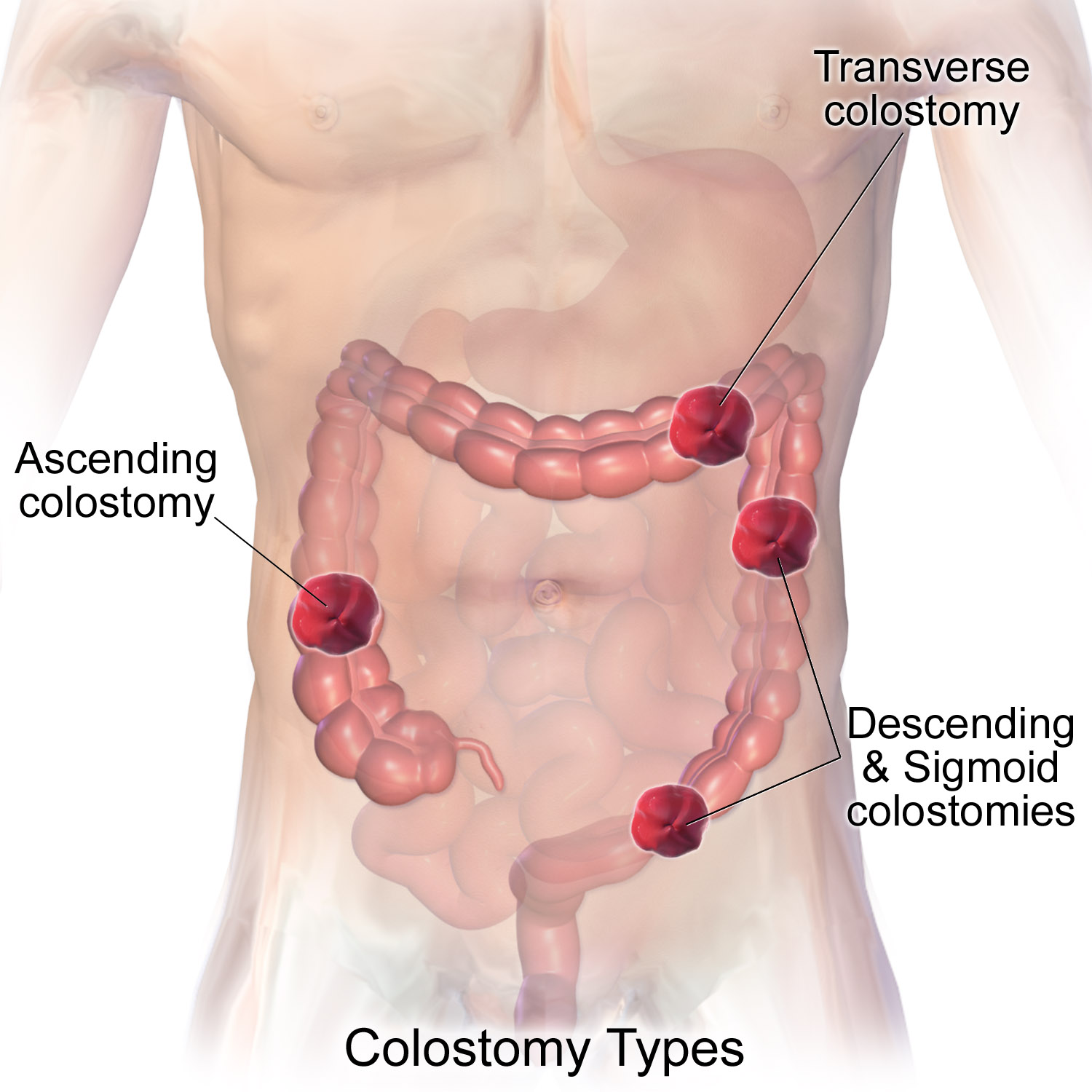
Finally, let’s talk about one of the most profound stressors a human can face: a sudden change to their physical being. An altered body image is a negative perception of one's own physical appearance or physiological function following a bodily change (like an amputation, a mastectomy, or a new colostomy).
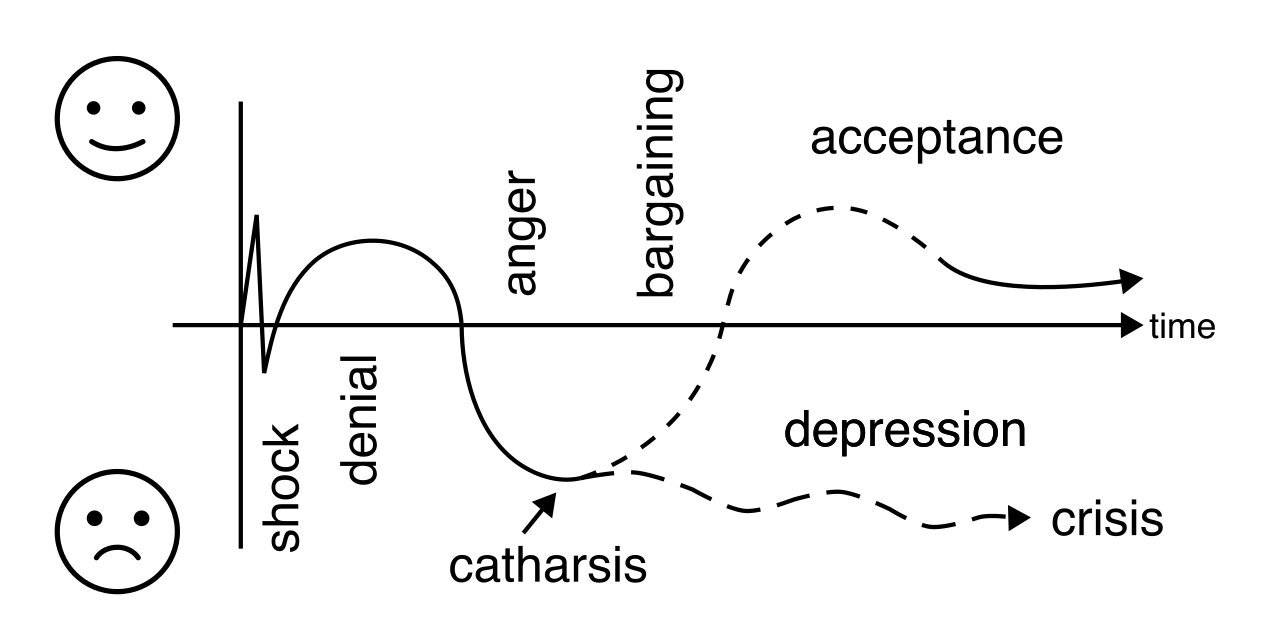
When this happens, the brain short-circuits. It is a loss, plain and simple. Therefore, a client experiencing an unexpected body image change predictably navigates through the recognized stages of the psychological grieving process (Denial, Anger, Bargaining, Depression, Acceptance). They are mourning the loss of the body they once knew.
As a nurse, you are the guide through this terrifying new geography. You cannot force acceptance, but you can pave the road. How?
- Talk about it: The nurse supports a client with an altered body image by explicitly encouraging the verbal expression of feelings regarding the physical change. Silence breeds shame. Get them talking.
- Look at it: The brain fears what it cannot see. The nurse promotes adaptation to an altered body image by encouraging the client to actively look at the affected body part.
- Touch it: Sight is step one; physical connection is step two. The nurse promotes adaptation to an altered body image by encouraging the client to physically touch the affected body part.
- Take ownership of it: The final step toward integration is action. Encouraging a client to participate in personal self-care activities promotes psychological acceptance of an altered body image. When a client changes their own ostomy bag for the first time, they aren't just cleaning a stoma; they are reclaiming ownership of their body.
Understanding coping isn't just about memorizing vocabulary words; it’s about recognizing the intricate, beautiful, and sometimes messy ways the human mind fights to survive under pressure.
Whether your client is unconsciously displacing their anger onto you, struggling with role overload as a caregiver, or refusing to look at a surgical wound, they are showing you exactly where their internal engine is struggling. As an elite nurse, you assess the support systems, decode the defense mechanisms, and implement targeted interventions to help them build lasting resilience.
Now, take a deep breath, consciously suppress your anxieties, and go crush that exam!