Chemical and Other Dependencies and Substance Use Disorder
Not sure you’re ready?
Take the ~3-minute readiness diagnostic and see where you stand.
Welcome! Let’s talk about the brain. More specifically, let’s talk about what happens when the most powerful, beautifully complex computer in the universe—the human brain—gets its fundamental reward circuitry hijacked.
When we talk about substance use and dependency, we are not talking about a lack of willpower. We are talking about neurobiology. If you want to be an extraordinary nurse, you have to understand the mechanisms of addiction, the lethal dangers of withdrawal, and the profound psychology of recovery.
Let's dive right in.
Before you ever walk into a client's room, there is a mandatory first step: nurses must assess their own personal attitudes and biases regarding substance use disorders before providing client care. Why? Because judgment shuts down communication. A nonjudgmental, empathetic nursing approach directly encourages honest client disclosure about their complete substance use history. If the client senses you are judging them, they will lie to you—and in this field of medicine, those lies can be fatal.
The Mechanics of the Hijacked Brain
Substance Use Disorder (SUD) involves a problematic pattern of substance use leading to clinically significant impairment or distress.
When a client uses a substance repeatedly, their brain adapts. This leads to tolerance, which occurs when a client requires increasingly larger doses of a substance to achieve the desired effect. The brain’s receptors down-regulate.
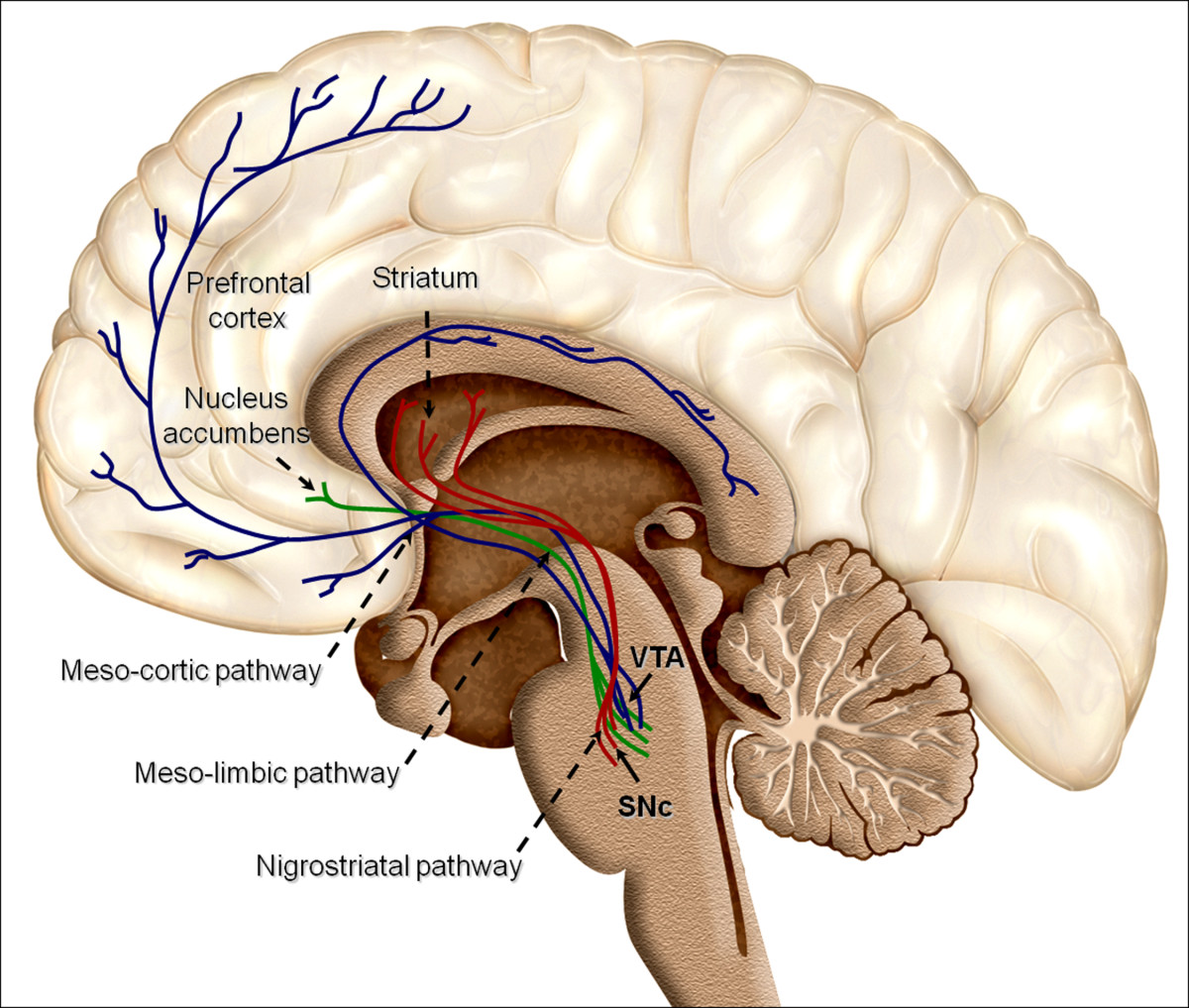
If you take that substance away, the brain is left deeply unbalanced. This is substance withdrawal—the physiological and psychological symptoms occurring when a client abruptly stops or reduces prolonged substance use.
Because the brain's survival wiring is now tied to the substance, the ego protects the behavior. Denial is a primary defense mechanism used by clients to minimize or ignore the severity of a substance use disorder.
The Illusion of "Chemicals Only"
You might think addiction requires a powder, a pill, or a bottle. It doesn't. Non-substance dependencies activate the exact same brain reward systems as chemical substance addictions.
- Gambling disorder is officially classified by the DSM-5 as a non-substance-related addictive disorder. Treatment primarily involves cognitive behavioral therapy (CBT) and participation in Gamblers Anonymous.
- Internet gaming disorder involves excessive and prolonged internet gaming that results in significant daily functioning impairment. The screen becomes the drug.
Alcohol is legal, it’s everywhere, and its withdrawal syndrome is one of the few that can outright kill you.
Screening and Diagnostics
To screen clients for potential alcohol use disorder, we use the CAGE questionnaire, which relies on four specific screening questions (Cut down, Annoyed, Guilty, Eye-opener).
When we need objective data about what is in the client's system:
- Blood alcohol concentration (BAC) levels accurately measure the exact amount of alcohol actively present in a client's bloodstream right now.
- Urine toxicology screening provides objective clinical data regarding the recent use of various illicit substances, acting as a historical snapshot of the past few days.
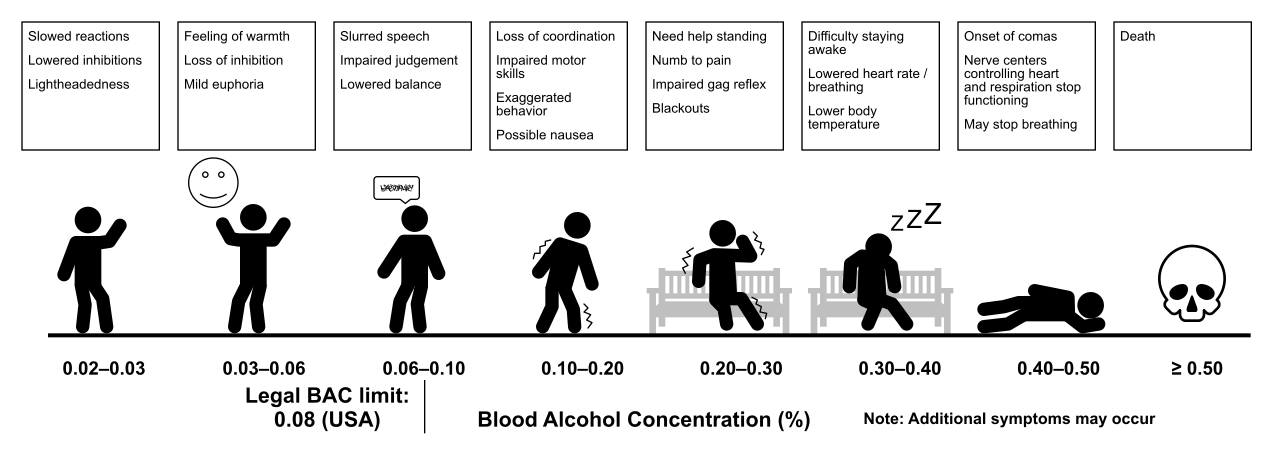
The Lethal Timeline of Alcohol Withdrawal
Alcohol acts as a heavy chemical blanket on the central nervous system. The brain compensates by turning up its excitatory pathways. When a client suddenly stops drinking, that heavy blanket is ripped away, but the brain is still running in overdrive.
- 4 to 12 Hours: Alcohol withdrawal symptoms typically begin between four and twelve hours after the last drink.
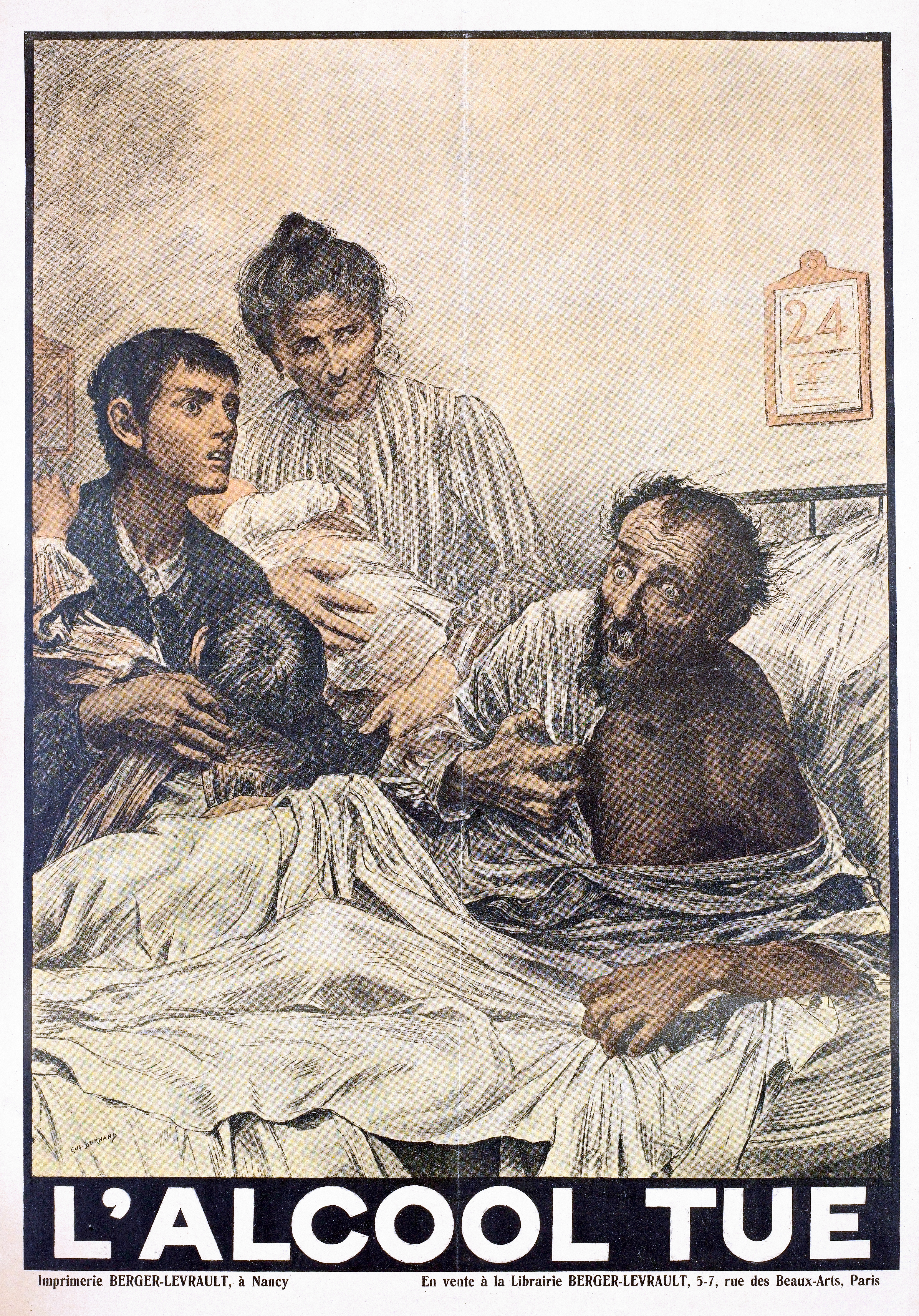
- 48 to 72 Hours: This is the danger zone. Delirium tremens (DTs) typically occurs forty-eight to seventy-two hours after alcohol cessation. Delirium tremens is a severe, life-threatening manifestation of alcohol withdrawal.
- The Symptoms of DTs: Severe agitation, visual hallucinations, tachycardia, and severe hypertension. The brain is electrically overheating.
To quantify and track this chaos, we use the Clinical Institute Withdrawal Assessment for Alcohol, Revised (CIWA-Ar) scale, which measures the severity of alcohol withdrawal symptoms and tells us exactly how much medication to give.
Treating the Alcohol Withdrawal Storm
Because the brain is hyper-excitable, seizure precautions are a mandatory safety measure for clients experiencing severe alcohol withdrawal. What does this mean practically? Seizure precautions include padding the bed rails, keeping the bed in the lowest position, and maintaining airway equipment at the bedside.
To chemically calm the brain down, benzodiazepines are the primary pharmacological treatment for managing alcohol withdrawal symptoms.
- Lorazepam is a commonly prescribed, fast-acting benzodiazepine used to quickly prevent seizures during acute alcohol withdrawal.
- Chlordiazepoxide is an extended half-life benzodiazepine used to smoothly manage and taper alcohol withdrawal over a longer period.
Brain Damage: The Thiamine Crisis
Alcoholics are frequently malnourished, specifically lacking Vitamin B1 (Thiamine). Without it, the brain physically deteriorates.
- We immediately administer intravenous thiamine to clients with alcohol use disorder to prevent Wernicke-Korsakoff syndrome.
- Wernicke encephalopathy is the acute phase, presenting with a classic clinical triad: confusion, ataxia (unsteady gait), and abnormal eye movements (nystagmus).
- Korsakoff syndrome is the chronic, largely irreversible complication of thiamine deficiency characterized by severe short-term memory loss and confabulation.
- What is confabulation? It is the unconscious filling of memory gaps with fabricated information to conceal memory loss. They aren't lying to you maliciously; their broken brain is desperately trying to patch the missing data files.

Maintaining Abstinence: The Medications
Once the client is sober, we use pharmacology to help keep them that way:
- Disulfiram: This is an abstinence maintenance medication that causes severe adverse reactions when combined with alcohol. It operates on pure punishment. Consuming alcohol while taking disulfiram causes flushing, throbbing headache, tachycardia, and severe nausea. Because of this, clients taking disulfiram must avoid all products containing hidden alcohol, including mouthwash, liquid cough syrups, aftershave, and vanilla extract.
- Naltrexone: This is an opioid antagonist that effectively reduces alcohol cravings in clients with alcohol use disorder by blocking the pleasure pathways.
- Acamprosate: A medication used to maintain abstinence by decreasing the emotional distress and baseline anxiety of living without alcohol.
Opioids bind to the brain's mu-receptors, wiping out pain and causing massive euphoria. But they also tell the brain stem to stop breathing.
Opioid Overdose
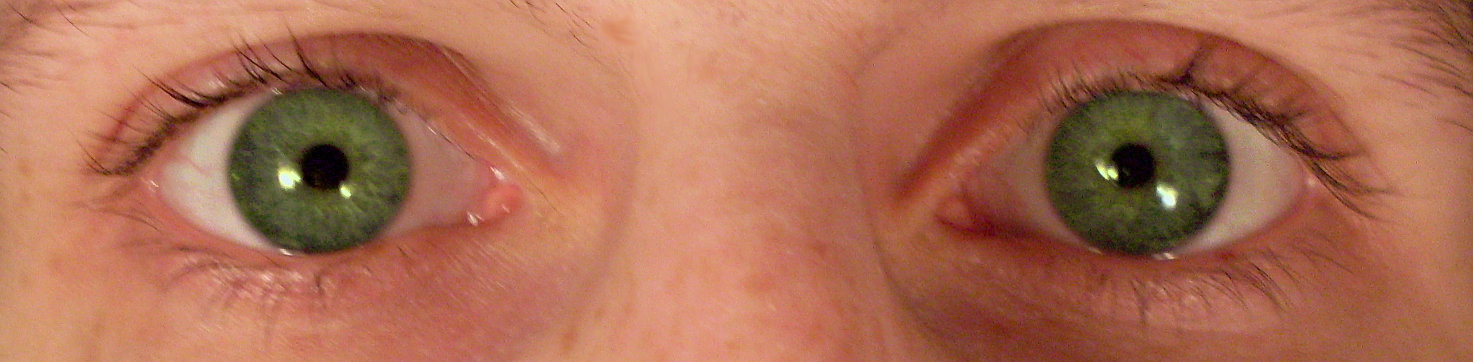
An opioid overdose manifests with a classic triad: respiratory depression, pinpoint pupils, and a decreased level of consciousness.
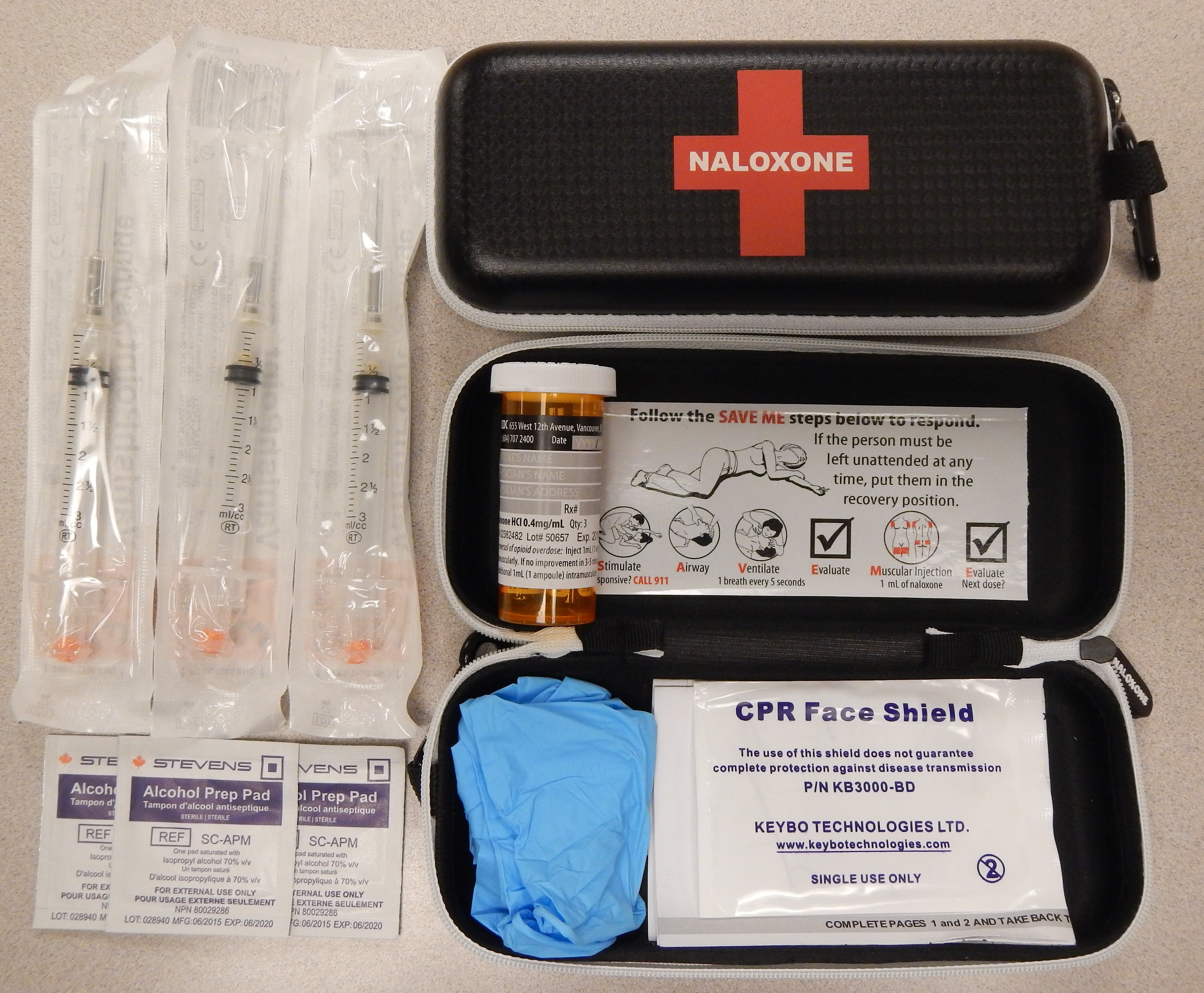
The absolute priority is oxygenation. Naloxone is the specific opioid antagonist used to reverse opioid-induced respiratory depression. It kicks the opioid off the receptor instantly. But here is the critical catch: Naloxone has a significantly shorter half-life than most opioids. Therefore, clients receiving naloxone require continuous monitoring for recurrent respiratory depression as the antidote wears off. If the Naloxone wears off before the Heroin or Fentanyl does, the client will stop breathing again.
Opioid Withdrawal
While alcohol withdrawal can kill you, opioid withdrawal just makes you wish you were dead. It is intensely uncomfortable but rarely fatal.
- We use the Clinical Opiate Withdrawal Scale (COWS) to quantify the severity of opioid withdrawal symptoms to guide treatment interventions.
- Opioid withdrawal symptoms include rhinorrhea (runny nose), yawning, piloerection (goosebumps—hence the term "quitting cold turkey"), diarrhea, and severe muscle aches.

Opioid Maintenance and Management Medications
- Methadone: A long-acting synthetic opioid used for opioid substitution therapy and safe withdrawal management. It prevents withdrawal without providing the massive "high."
- Buprenorphine: A partial opioid agonist used to decrease opioid cravings and safely manage withdrawal symptoms.
- Clonidine: This isn't an opioid at all; it's an alpha-2 adrenergic agonist used to relieve autonomic hyperactivity and lower blood pressure during opioid withdrawal.
Stimulants (Cocaine, Amphetamines)
Stimulants floor the brain's gas pedal.
- Stimulant intoxication causes tachycardia, hypertension, pupillary dilation, and dangerous hyperthermia.
- Severe stimulant toxicity often leads to cardiac arrhythmias, myocardial infarction, and seizures.
- A highly testable danger: Cocaine intoxication places clients at an extremely high risk for life-threatening coronary artery vasospasm, causing "cocaine-induced heart attacks" even in healthy young people.
What goes up must come down. Stimulant withdrawal produces profound depression, fatigue, increased appetite, and vivid nightmares. Their dopamine stores are entirely depleted.
Benzodiazepines (The Brakes)
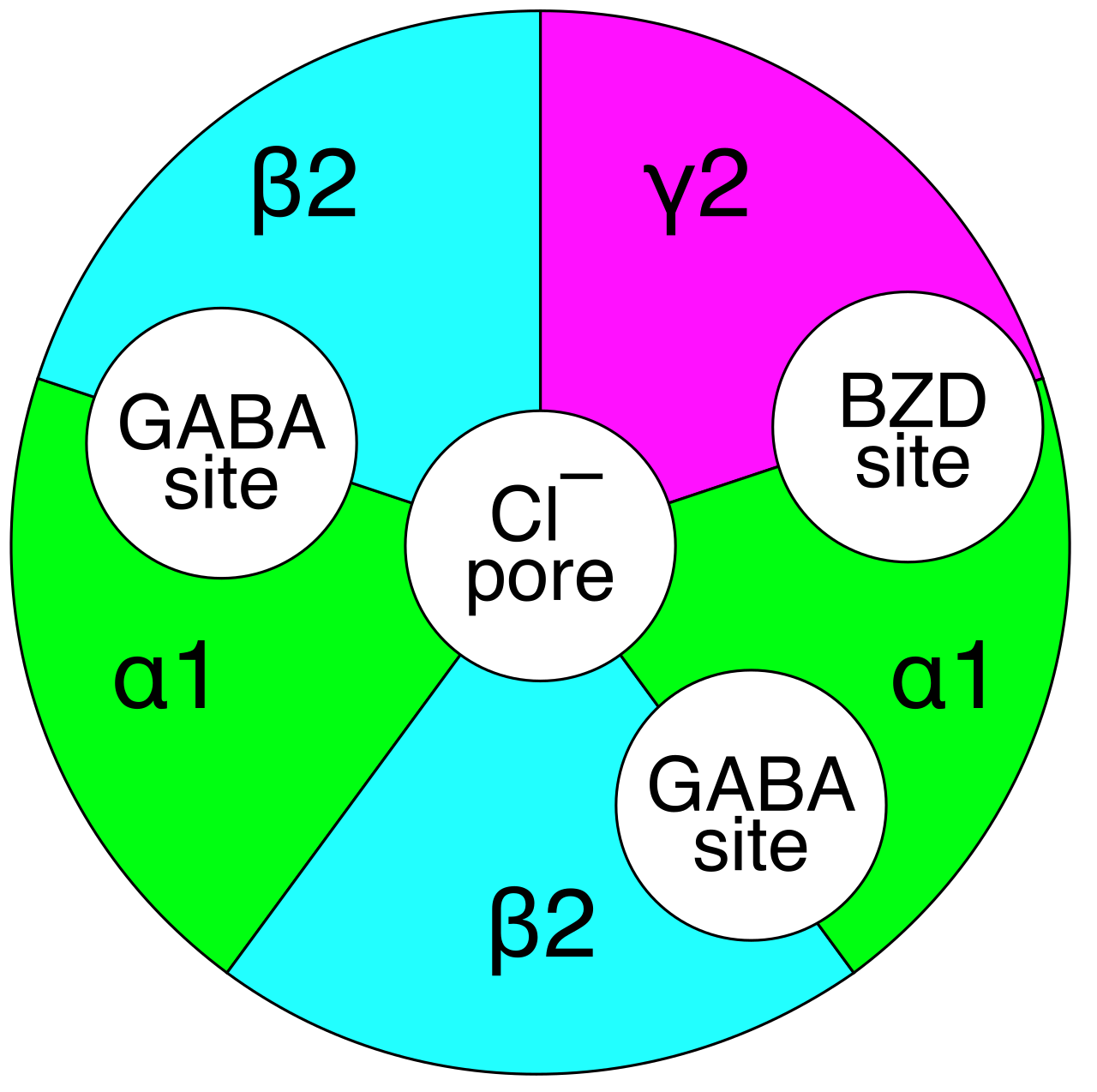
Benzodiazepines (like Diazepam, Alprazolam) enhance GABA, slowing the brain down.
- Abrupt discontinuation of benzodiazepines precipitates life-threatening withdrawal seizures. The brain, suddenly un-braked, spirals out of control.
- Therefore, safe benzodiazepine withdrawal requires a gradual, medically supervised tapering schedule.
- If a client overdoses on benzos, Flumazenil is the specific competitive antagonist used to reverse severe benzodiazepine toxicity.
- Cannabis: Intoxication is characterized by conjunctival injection (bloodshot eyes), increased appetite, dry mouth, and tachycardia.
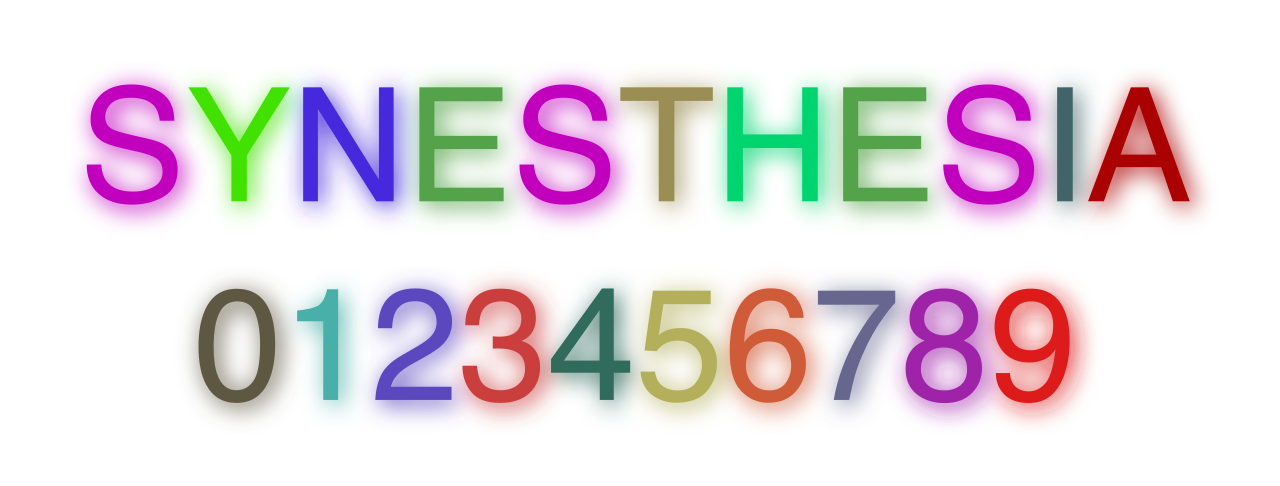
- Hallucinogens (LSD, PCP): Intoxication causes synesthesia (seeing sounds or hearing colors), panic attacks, paranoia, and highly unpredictable behavior. Because their sensory processing is wildly distorted, nursing care for hallucinogen toxicity involves placing the client in a quiet, low-stimulus environment to prevent severe agitation.
- Inhalants (Huffing paint, glue): These are uniquely deadly. Inhalant toxicity poses a high risk for sudden cardiac death due to ventricular fibrillation. The solvents highly sensitize the myocardium to epinephrine.
- Nicotine: To help clients quit smoking, Varenicline is a prescription medication utilized to significantly reduce nicotine cravings and manage nicotine withdrawal symptoms. However, you must warn the client: Varenicline therapy carries a documented risk for severe neuropsychiatric adverse effects including new-onset suicidal ideation.
Detox is just the biological beginning. Recovery is a massive psychological undertaking.
The Psychology of Change
Clients are often deeply conflicted about quitting. Nurses use motivational interviewing techniques to help clients resolve ambivalence about changing highly ingrained substance use behaviors. We don't tell them what to do; we guide them to find their own internal reasons for change.
Often, addiction does not occur in a vacuum. A dual diagnosis indicates the co-occurrence of a substance use disorder and a psychiatric mental health disorder (e.g., Alcohol Use Disorder + Major Depressive Disorder). Here is the golden rule: effective treatment of a dual diagnosis requires addressing both the psychiatric disorder and the substance use disorder simultaneously. You cannot fix one while ignoring the other.
When a client slips up, how do we frame it? Relapse is viewed as a common, expected part of the recovery process rather than a complete failure of treatment. To prevent the next slip, identifying personal triggers for substance use is a crucial, foundational component of relapse prevention planning.
Harm Reduction
We cannot always force immediate sobriety, but we can save lives today. Harm reduction strategies focus on minimizing the negative health consequences associated with drug use without demanding immediate abstinence. For example, chronic intravenous drug use significantly increases the risk for transmitting bloodborne pathogens like HIV and Hepatitis C. Therefore, providing clean syringe exchange programs is an evidence-based harm reduction strategy for individuals engaging in intravenous drug use.
The 12-Step Philosophy
Community support is often the anchor of long-term recovery.
- Alcoholics Anonymous (AA) is a widely utilized 12-step self-help group for individuals seeking recovery from alcohol use disorder.
- Narcotics Anonymous (NA) is a support group based on the 12-step model specifically tailored for individuals recovering from drug addiction.
- The foundational principle of 12-step programs is acknowledging personal powerlessness over the addiction.
- Furthermore, 12-step recovery programs advocate for complete lifelong abstinence from the addictive substance. There is no "casual use" in this model.
Finally, addiction is a family disease. Al-Anon is a dedicated support group designed specifically for family members and friends of individuals with alcohol use disorder. Often, families need help recognizing codependency, which involves dysfunctional helping behaviors that unintentionally enable another person's continued substance use.
Professor's Closing Note: Remember, behind every grim toxicology screen, behind every elevated CIWA score, and behind every defensive denial is a human being whose brain chemistry has been fundamentally altered. Treat the biology, secure the safety, but most importantly, maintain your empathy. That is the art and science of elite nursing.