Cultural Awareness and Cultural Influences on Health
Not sure you’re ready?
Take the ~3-minute readiness diagnostic and see where you stand.
The Cultural Blueprint: How Human Beliefs Shape Healing
Welcome! Pull up a chair. Today we are going to talk about something infinitely fascinating—the human mind and the "operating systems" that run it.
When you look at a patient in a hospital bed, it is easy to see them simply as a biological machine. A failing kidney here, a fractured femur there. But patients are not just collections of organs; they are breathing repositories of history, belief, and culture. If you try to fix the "hardware" of the body without understanding the "software" of the client's culture, you are going to encounter a lot of system errors.
To be a truly elite nurse, you must be a cultural detective. Let’s dive into how we seamlessly integrate cultural awareness into the plan of care.
Imagine you are handed a piece of a puzzle, but you don't know what the final picture looks like. How do you find out? You ask!
Cultural assessment must begin with the client's self-reported cultural identity. You cannot look at someone’s skin color, facial features, or surname and deduce their culture. Relying on a client's physical appearance to determine cultural identity is inaccurate. Nature provides the biology, but only the individual can report their culture.
As you step into the patient's room, you must immediately disarm two major psychological traps: Ethnocentrism and Stereotyping.
Ethnocentrism is the belief that one's own cultural practices are superior to the cultural practices of others.
If you grew up believing that Western, allopathic medicine is the only valid way to view health, you are wearing ethnocentric blinders. Nurses must suspend personal ethnocentrism to provide culturally competent care. You don't have to adopt their beliefs, but you must respect them.
Stereotyping assumes all members of a specific cultural group share the exact same beliefs.
It is a shortcut our brains take to save energy, and it is terribly dangerous in medicine. While cultural norms exist, individual client preferences can differ significantly from generalized cultural norms. Always verify the individual's specific stance.
The Hidden Dimensions: Time and Literacy
A comprehensive cultural assessment doesn't stop at ethnicity. It includes two subtle but profound factors:
- Health Literacy: A comprehensive cultural assessment includes exploring the client's health literacy level. How do they conceptualize disease? Can they navigate our complex healthcare jargon?
- Time Orientation: A cultural assessment evaluates the client's time orientation. Did you know the human perception of time is cultural? Time orientation categorizes cultures as past-oriented, present-oriented, or future-oriented.
- Future-oriented clients will happily take preventative medications to avoid a heart attack ten years from now.
- Present-oriented clients might struggle with preventative care, prioritizing immediate comfort or pressing daily survival needs over abstract future benefits. Adjust your teaching accordingly!

Food is incredibly personal. It is comfort, tradition, and religion plated up together. The plan of care must incorporate the client's cultural dietary preferences.
However, your license is on the line, which means safety comes first. The nurse must verify that cultural dietary preferences are medically safe for the client. (For instance, high-sodium cultural dishes might be contraindicated for a heart failure patient, requiring a collaborative compromise).
Here is a quick breakdown of major cultural dietary rules you will see on the NCLEX:
| Cultural/Religious Group | Key Dietary Practices to Remember |
|---|---|
| Practicing Muslims | May request a Halal diet. Furthermore, practicing Muslims may fast from dawn to sunset during the month of Ramadan. (Adjust medication administration schedules around fasting if medically safe!) |
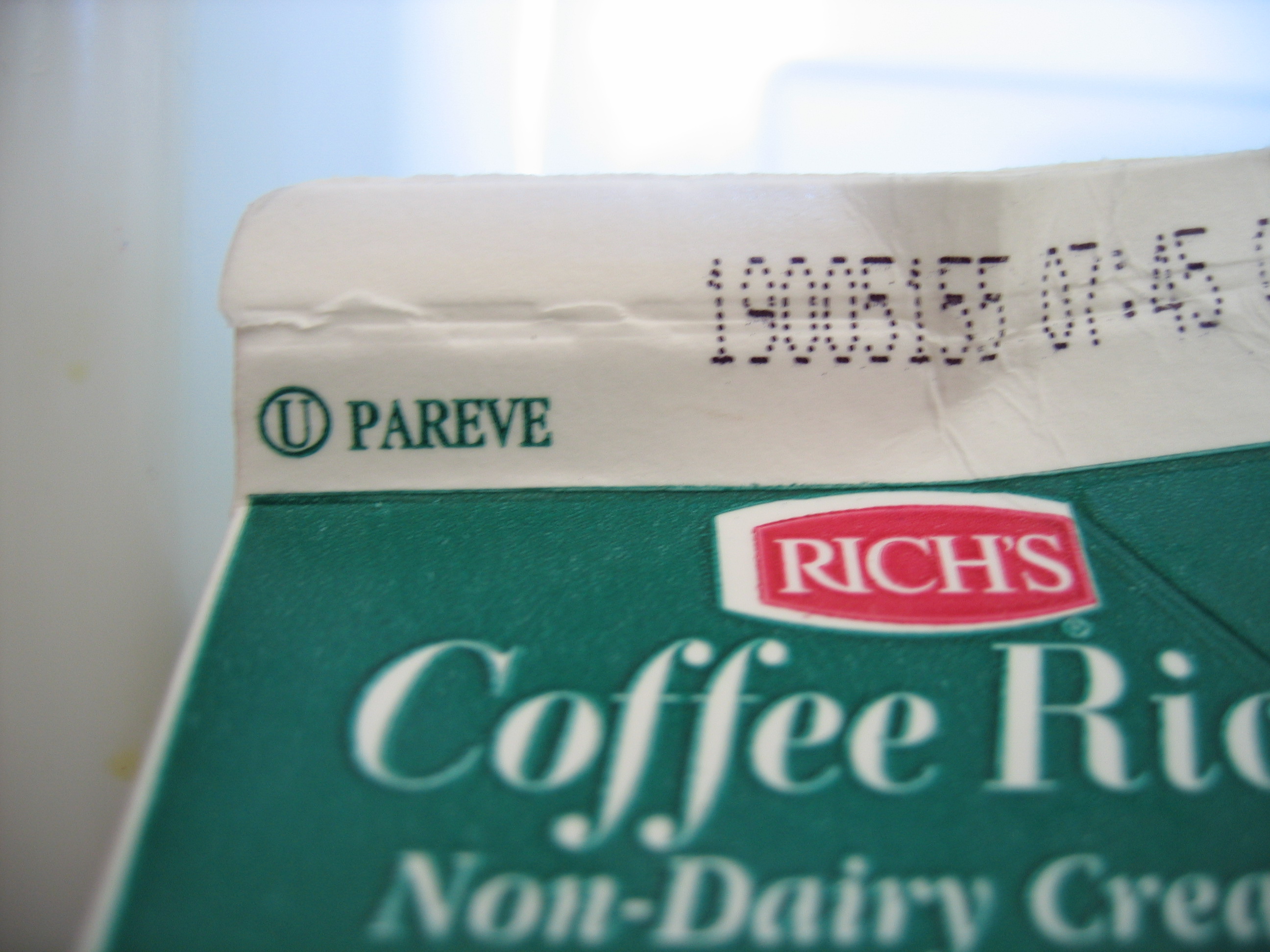
| Orthodox Jews | Require Kosher meals. Remember that Kosher dietary laws strictly prohibit mixing dairy and meat at the same meal. (Don't serve milk with a beef roast). |
| Practicing Hindus | Many practicing Hindus follow a vegetarian diet, honoring a deep belief in non-violence to all living creatures. |
| Latter-day Saints (Mormons) | Members of the Church of Jesus Christ of Latter-day Saints typically avoid alcohol and avoid caffeinated beverages (like coffee and black tea). |
Sometimes, cultural and religious beliefs will directly intersect—and sometimes conflict—with standard medical interventions.
The Jehovah’s Witness and the Blood Barrier
This is an absolute classic NCLEX concept. Jehovah's Witnesses generally refuse whole blood transfusions. Furthermore, they generally refuse red blood cell transfusions (as well as white blood cells, platelets, and plasma).
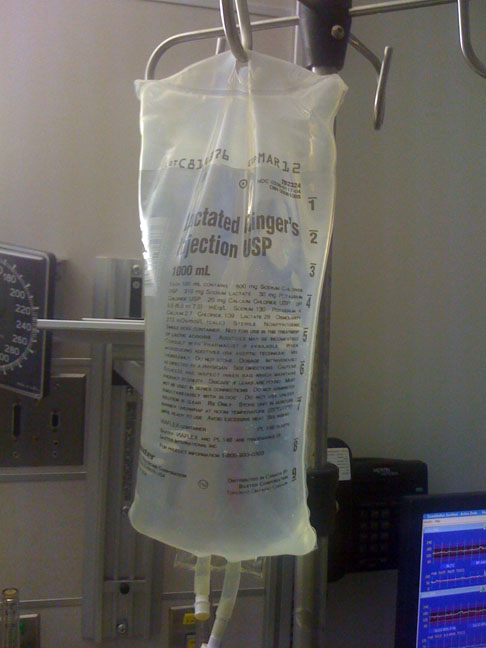
If your patient is hemorrhaging, what can you do? Physics tells us we need to maintain the body's fluid volume to keep blood pressure up. Thankfully, some Jehovah's Witnesses accept blood volume expanders. A prime example: Dextran is an example of a blood volume expander acceptable to some Jehovah's Witnesses, alongside normal saline and lactated Ringer's.
Complementary and Alternative Medicine (CAM)
Patients often try to fix themselves before they come to us. The nurse must identify the client's use of complementary and alternative medicine. They might be drinking herbal teas, using acupuncture, or taking potent botanicals.
Why do we care? Because chemistry is chemistry! The nurse must evaluate complementary and alternative medicine practices for contraindications with prescribed medical therapies. (e.g., St. John's Wort interfering with antidepressants, or Gingko Biloba increasing bleeding risks with anticoagulants).

The Perception of Pain
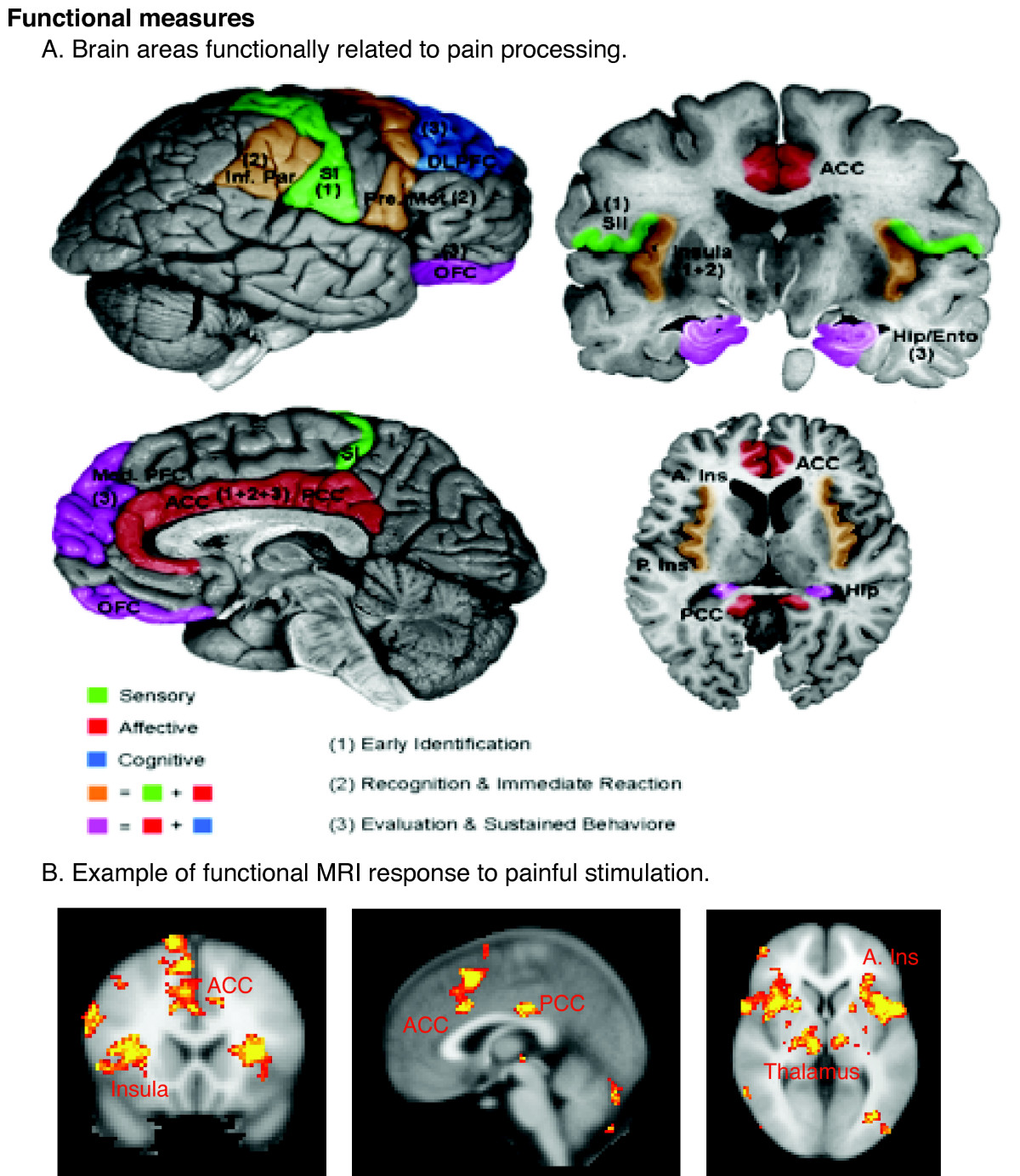
Pain is a neurological signal, but suffering is a cultural experience. Cultural beliefs heavily influence a client's perception of pain.
- Some cultures encourage loud vocalization of pain, viewing it as a healthy release or a necessary call for family support.
- In stark contrast, some cultures value stoicism in response to pain, viewing silent endurance as a sign of strength or spiritual fortitude. Do not assume a stoic patient is pain-free! You must look for non-verbal cues and assess diligently.
End-of-Life Rituals
When the biological machine finally fails, culture dictates how we honor the departure. The nurse must accommodate cultural end-of-life rituals when formulating the care plan.
For example, consider the beautiful and specific traditions in Islam. Some Islamic traditions require the deceased body to be washed only by a person of the same gender. Additionally, some Islamic traditions require the deceased body to be positioned facing Mecca. If you know this, you can proactively adjust the bed and make the appropriate arrangements to honor the family's faith.

The space between you and your patient is governed by invisible cultural tripwires. Walk carefully.
The Eyes and the Hands
In America, we are taught to look people in the eye and give a firm handshake. But cultural norms dictate the acceptable use of direct eye contact. While Westerners might view avoiding eye contact as shifty or unconfident, some cultures consider direct eye contact a sign of disrespect, especially toward authority figures (like a nurse or doctor!).
Likewise, cultural norms dictate the acceptable use of physical touch. Never assume your touch is welcome. Let’s talk about the head. In some cultures, the head is considered the most sacred part of the body, believed to be the resting place of the soul. Therefore, the nurse must ask permission before touching a client's head.
Family Structure and the Seat of Power
When a tough medical choice must be made, who makes the call? You must map out the family's hierarchy. The nurse must identify the primary decision-maker within the client's family structure.
- Patriarchal family structures designate the oldest male as the primary healthcare decision-maker.
- Matriarchal family structures designate the oldest female as the primary healthcare decision-maker.
If you spend twenty minutes explaining an informed consent form to a patriarchal patient’s youngest daughter, you have wasted your time and potentially offended the family. Find the decision-maker!
Imagine being trapped in a foreign country, terrified, in pain, and a scientist in a white coat is babbling at you in a language you don't understand. Terrifying, right?
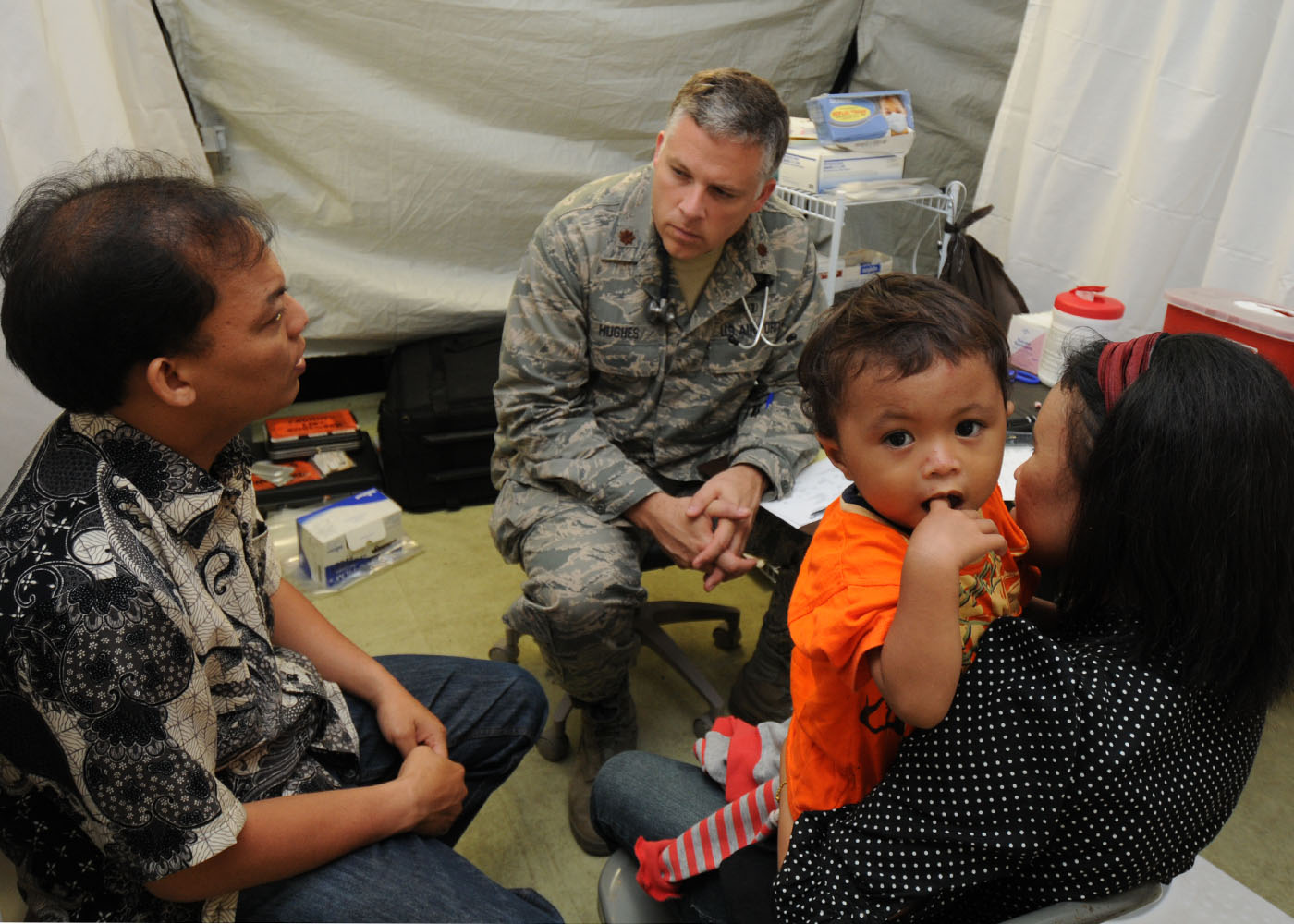
The nurse must identify the client's preferred language for medical communication. Once identified, if there is a barrier, you must act with precision. The nurse must use a certified medical interpreter for clients with limited English proficiency (LEP).
The "Never" Rules of Interpretation
Do not try to take shortcuts here. The NCLEX will test your commitment to these boundaries:
- Using family members as medical interpreters violates client confidentiality. (Does a teenage son need to translate his mother's gynecological symptoms? Absolutely not.)
- Using family members as medical interpreters increases the risk of medical translation errors. They are not trained in clinical terminology. They might downplay symptoms to avoid worrying the patient.
- Minor children must never be used as medical interpreters. It places unimaginable psychological burdens on a child.
- The nurse must use a certified medical interpreter instead of bilingual unlicensed assistive personnel (UAP) for medical explanations. A bilingual nursing assistant is fantastic for asking if the patient wants water, but they are unlicensed and legally unqualified to translate complex discharge instructions or consent forms.
How to Work with the Interpreter
When the certified interpreter arrives (in person, on video, or by phone), you are still the nurse communicating with your patient.
- The nurse must speak directly to the client during an interpreted conversation.
- The nurse must look directly at the client during an interpreted conversation. (Do not look at the iPad or the interpreter and say, "Tell him that he needs to...") Look into your patient's eyes and say, "You need to..."
- The nurse must speak in short sentences when communicating through a medical interpreter. Give them bite-sized pieces of data to translate accurately.
- The nurse must avoid using medical jargon when communicating through a medical interpreter. (Say "high blood pressure," not "idiopathic hypertension.")
- The nurse must avoid using idiomatic expressions when communicating through a medical interpreter. If you say, "You're going to kick the bucket if you don't take this," the literal translation might confuse or terrify the patient! Keep it literal.
The Final Step: Documentation and Evaluation
If it isn't documented, it didn't happen. The chart must reflect your meticulous care.
- The client's medical record must explicitly document the client's preferred language.
- The medical record must document the use of a medical interpreter during healthcare encounters.
- Crucially, the medical record must document the specific name or identification number of the medical interpreter used. This is for legal traceability.
Finally, how do you know the "software" successfully processed the new data? You test the output. The nurse must use the teach-back method to evaluate the client's comprehension of translated medical information. Ask the patient to explain the instructions back to you in their own words via the interpreter. Only then can you be sure true healing communication has occurred.
Now, go out there, suspend your assumptions, honor the beautiful complexity of your clients' cultures, and practice brilliant nursing!