End-of-Life Care
Not sure you’re ready?
Take the ~3-minute readiness diagnostic and see where you stand.
Welcome to the intersection of profound human empathy and rigorous biological science. In nursing, we spend an enormous amount of time studying how to keep the human machine running—how to push medications, pump the chest, and restart the heart. But eventually, the laws of thermodynamics win. The machine winds down.
Assisting clients and their families at the end of life isn't just about "doing nothing"; it is an active, highly specialized form of care. You are managing complex physiological changes, navigating turbulent emotional waters, and acting as the ultimate advocate for dignity.
Let’s break down the definitive NCLEX-RN guide to End-of-Life Care. We won't just memorize facts; we will understand the why behind them, so when you see these questions on the exam, the answers will be as obvious to you as gravity.
Before we manage a decline, we need to know what the client actually wants. Advance directives are legal documents specifying a client's healthcare preferences in the event of incapacitation. They are the client's voice when they can no longer speak.
There are two distinct types you must differentiate:
- A living will: This outlines the specific medical interventions a client accepts or refuses at the end of life (e.g., "Do not intubate," "No feeding tubes").
- A durable power of attorney for healthcare: This designates a surrogate decision-maker for a client's medical care if they lose capacity.

Crucial Nursing Action: It is not enough for the family to say, "Mom has a living will at home in her safe." The nurse must verify that a copy of the advance directive is placed in the client's medical record. If it isn't in the chart, medically, it doesn't exist.
Students often confuse palliative care and hospice care. Think of them as overlapping circles on a Venn diagram, but with distinct boundaries regarding curative intent.
| Feature | Palliative Care | Hospice Care |
|---|---|---|
| Primary Goal | Aims to improve the quality of life for clients with serious illnesses. | Focuses exclusively on symptom management and comfort. |
| Curative Treatment | Can be provided concurrently with curative disease treatments (e.g., receiving chemo while getting pain management). | Strictly excludes curative disease treatments. |
| Prognosis Requirement | No specific life expectancy required. | Indicated when a client has a physician-certified life expectancy of six months or less. |
Death doesn't happen in a vacuum; it happens to families. Grief often begins long before the heart stops beating. Anticipatory grief is the emotional response experienced before an expected loss occurs. It is the heavy, agonizing process of mourning someone who is still sitting in the room.
The Stages of Grief
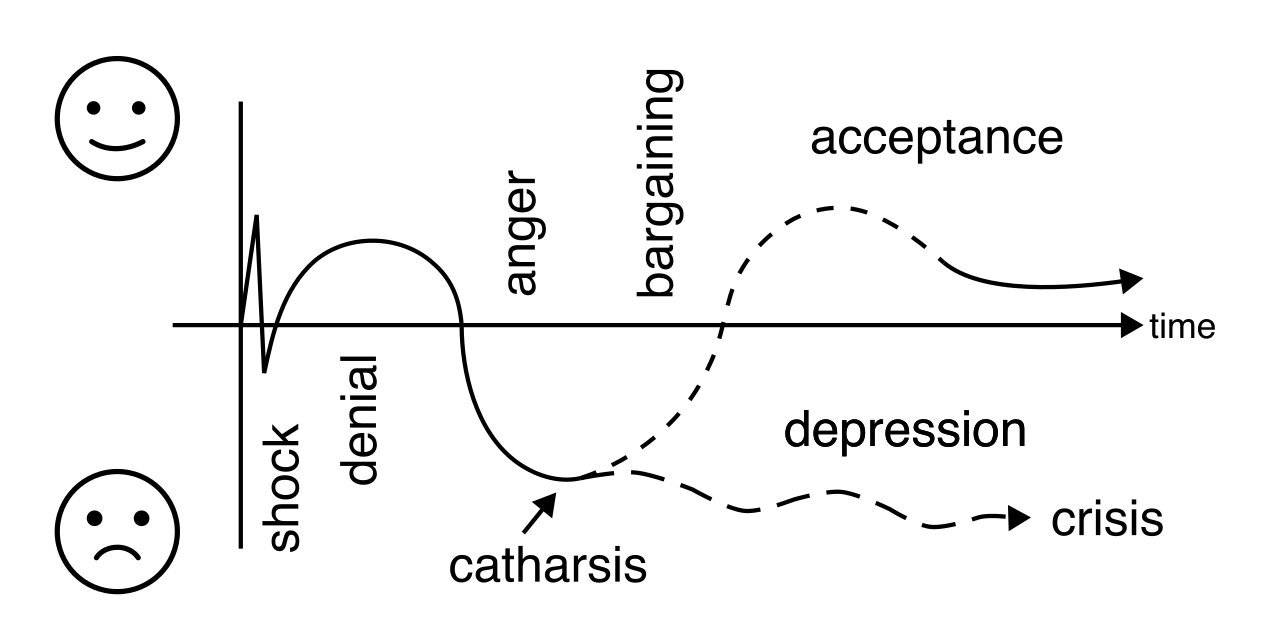
Kubler-Ross famously identified five stages of grief, which include:
Here is the secret to Kubler-Ross: Individuals do not progress through the stages of grief in a linear or predictable order. You don’t graduate from Anger and neatly step into Bargaining. A client's husband might find acceptance on Tuesday, only to slip furiously back into anger on Wednesday. That is normal. However, prolonged denial by a family member regarding a client's terminal prognosis is a red flag that requires additional psychosocial assessment.
Caring for the Caregiver
Watching a loved one die is exhausting. Caregiver role strain is the physical, emotional, and financial exhaustion resulting from caring for a dependent family member. As a nurse, you must recognize this and advocate for respite care, an intervention that provides temporary relief to primary caregivers of terminally ill clients (e.g., admitting the client to a hospice facility for a few days so the spouse can sleep).
The Art of Communication
How do we talk to families when the worst is happening?
- Use Open-Ended Questions: These encourage families to express feelings regarding a client's impending death (e.g., "Can you tell me what you are feeling right now?").
- Therapeutic Presence: You don’t always need brilliant words. Therapeutic presence involves the nurse being physically and emotionally attentive to the grieving family without necessarily speaking. Sometimes, just sitting quietly in the room anchors the family.
- Avoid Cliches: Nurses must avoid using cliches like "Everything happens for a reason" or "They are in a better place now" when communicating with grieving families. These invalidate their present pain.
- Involve the Family: Facilitating family participation in physical care (like gently washing the client's face or applying lotion) can powerfully help family members cope with the client's impending death.
- Educate on the Process: Providing education to the family regarding expected physical changes during the dying process drastically reduces caregiver anxiety. When they know what is happening, it isn't as scary.
When a human body shuts down, it does so methodically. Energy is conserved. Perfusion is shunted from the periphery to the vital organs. Recognizing these physiological signs of impending death is paramount.
Respiratory & Circulatory Changes
- Cheyne-Stokes Respirations: This is a classic physiological sign of impending death. It involves periods of deep, rapid breathing alternating with periods of apnea (no breathing). The body's respiratory drive is misfiring.
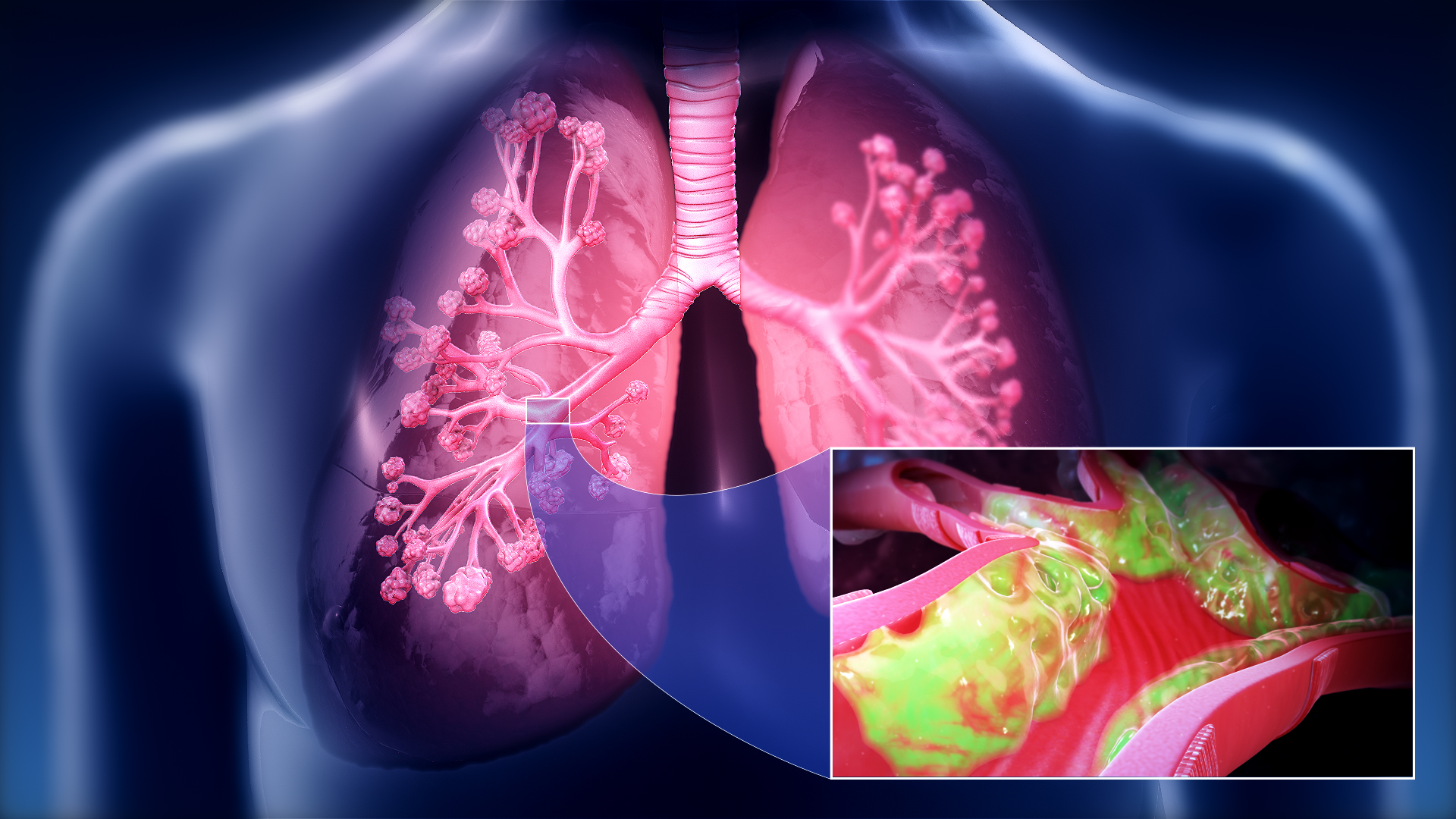
- The "Death Rattle": This terrifying-sounding phenomenon refers to noisy breathing caused by the accumulation of respiratory secretions in the airway of a dying client. The throat muscles relax, and they can no longer clear the fluids.
- Circulation: As peripheral circulation diminishes, the extremities often feel cool to the touch. You will also see mottling of the skin—a marbled, purplish discoloration usually starting in the feet and moving upward, caused directly by this decreased peripheral circulation.
- Kidney Failure: As blood flow drops, the kidneys shut down. Oliguria (decreased urine) and anuria (no urine) are physiological signs of failing kidney function during the dying process.
Neuromuscular & Integumentary Changes
- Decreased Muscle Tone: This leads to profound relaxation. You will see jaw sagging in an actively dying client.
- Sphincter Relaxation: Near the time of death, the loss of muscle tone often results in urinary and fecal incontinence.
- Skin Breakdown: Be vigilant for Kennedy terminal ulcers. These are distinct, dark skin breakdowns (often pear or butterfly-shaped on the sacrum) that occur rapidly as part of the dying process due to multiorgan failure, not just simple pressure.
Nutrition & Hydration
Families often panic when the client stops eating. You must educate them: A dying client may experience anorexia and decreased thirst as natural physiological processes. Do not try to fix this! Forcing fluids or artificial nutrition on an actively dying client can increase respiratory secretions and discomfort. The failing heart and kidneys cannot process the fluid, leading to pulmonary edema and worsening the death rattle.
The Last Sense to Leave
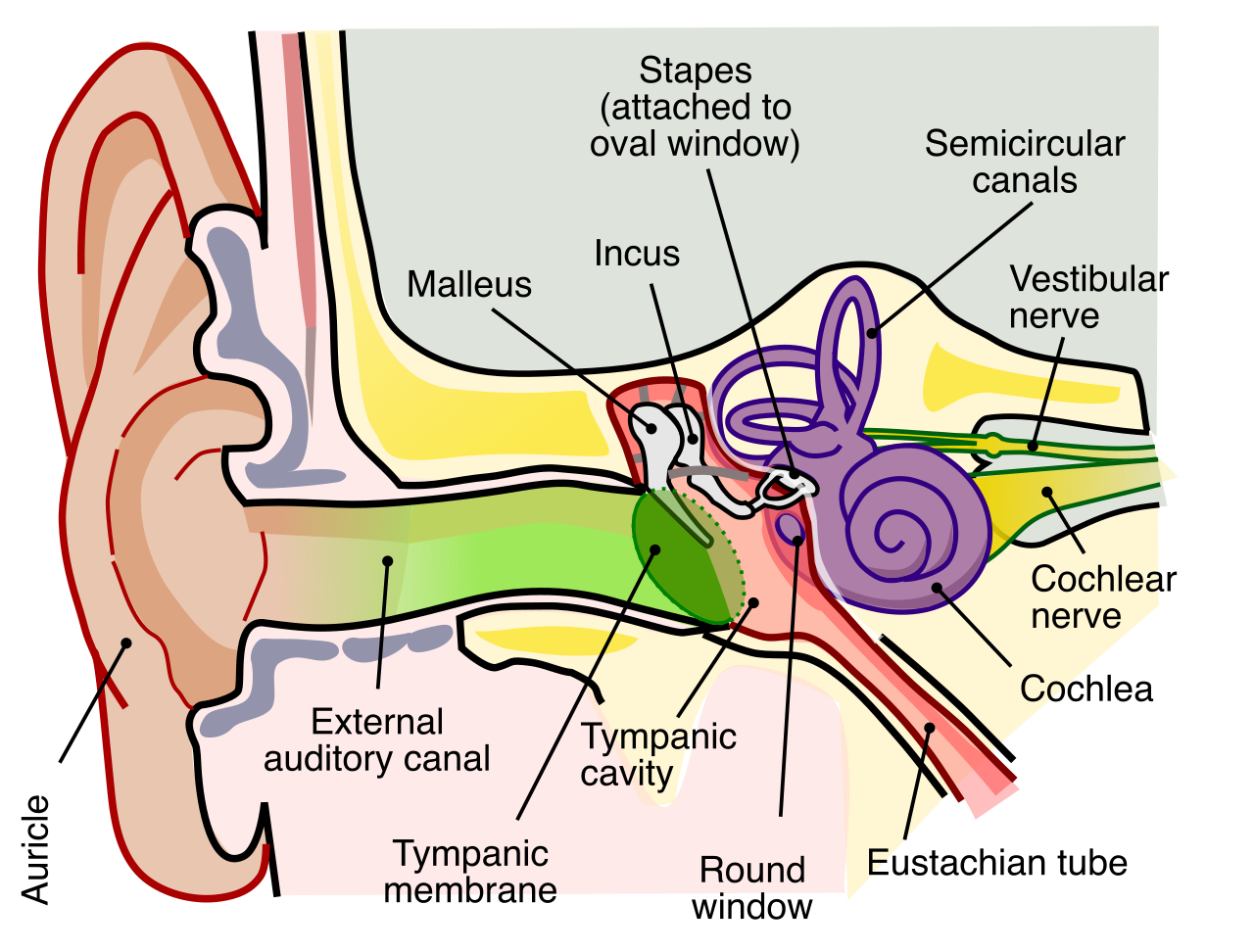
Crucial Fact: Hearing is widely considered the last physical sense to decline before death. Because auditory function often remains intact, nurses should always speak clearly and respectfully to unresponsive dying clients. Always assume they can hear you. Explain what you are doing before you touch them.
During active dying, our sole goal is comfort. We stop treating numbers and start treating the person.
- Cease the Monitors: Routine vital sign measurement is often discontinued during active dying to prevent unnecessary disturbance of the client. Taking a blood pressure of 60/40 doesn't change our plan of care; it only squeezes a painful cuff onto a dying arm.
- Positioning: Elevating the head of the bed can mechanically drop the diaphragm and alleviate dyspnea in a dying client.
- Mouth Care: Because they are often mouth-breathing and dehydrated, oral care with moistened swabs prevents mucosal dryness and promotes comfort.
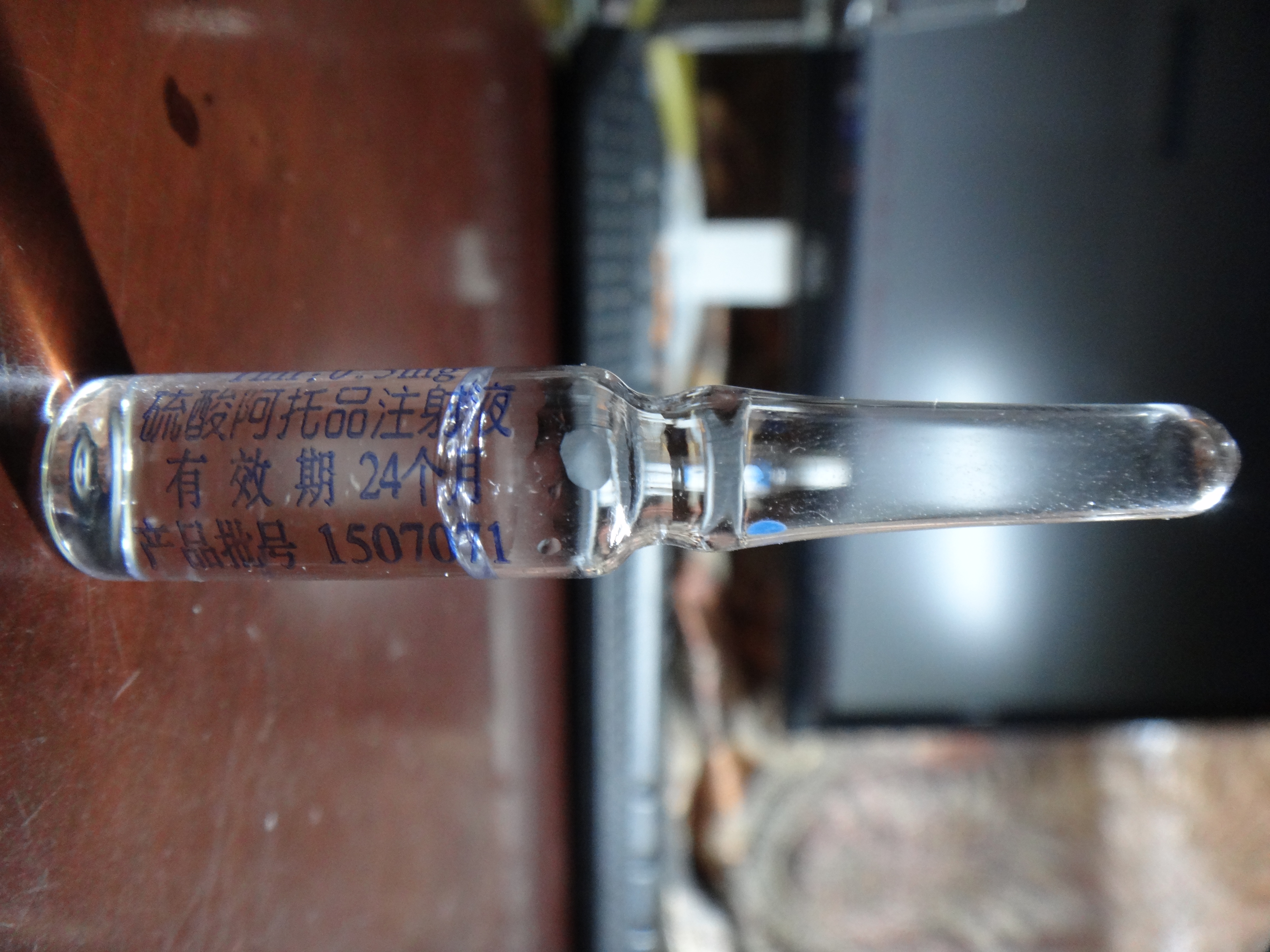
- Secretions: Remember the death rattle? We do not deep-suction these clients (it causes trauma and gagging). Instead, anticholinergic medications (like scopolamine patches or atropine drops) are administered to decrease respiratory secretions.
- Pain & Breathlessness: Opioids (like morphine) are our heavy hitters. They are commonly administered to manage both pain and dyspnea at the end of life. Morphine decreases the brain's oxygen demand and reduces the sensation of breathlessness.
The Ethics of Pain Control
Students often ask: "If I give this high dose of morphine, and the patient's breathing stops 10 minutes later, did I kill them?"
Enter the Principle of Double Effect. This ethical doctrine ethically justifies administering pain medication that may unintentionally hasten death. The rule is simple: The primary intent of medication administration under the principle of double effect must be symptom relief. If your intent is to relieve the patient's excruciating pain, and a secondary, unintended consequence is that their respirations slow down and they pass away, you have acted ethically and legally.
A nursing assessment of end-of-life needs is wholly incomplete unless it includes evaluating the client's spiritual beliefs and cultural practices.
Sometimes, the pain isn't physical. Spiritual distress in dying clients can manifest as anger toward a higher power, existential dread, or feeling abandoned. If you observe this, chaplains or spiritual care providers should be offered to clients expressing spiritual distress at the end of life.
Key End-of-Life Traditions to Know for the NCLEX:
- Islamic Practices: Islamic end-of-life practices often require the client's face to be turned toward Mecca as death approaches or after death.
- Orthodox Jewish Traditions: May require the body of the deceased to remain untouched for a specific period after death (often while waiting for a specific religious society, the Chevra Kadisha, to arrive).
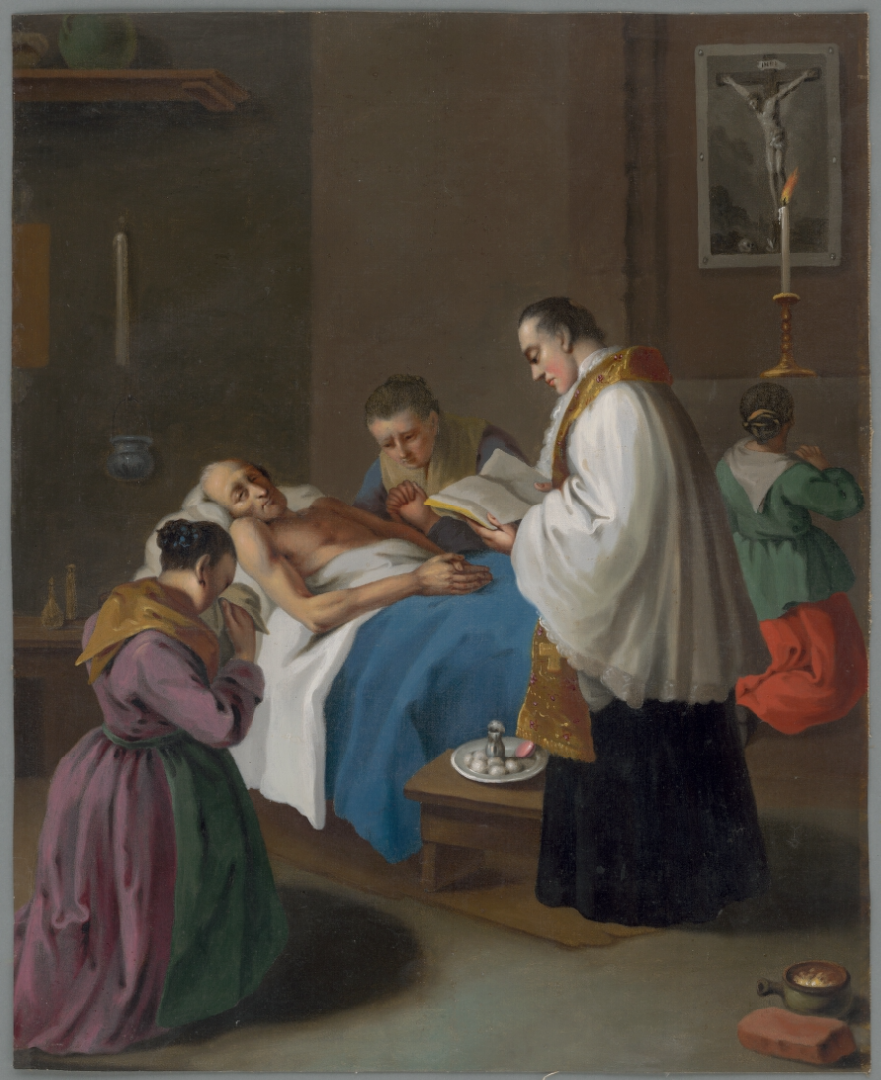
- Catholic Practices: Often involve the administration of the Sacrament of the Sick (formerly known as Last Rites) by a priest.
- Buddhist Traditions: Buddhist traditions often emphasize an "unclouded mind" at the time of death to ensure a peaceful transition. Because of this, Buddhist clients may refuse consciousness-altering pain medications (like heavy opioids) near the time of death to maintain mental clarity.
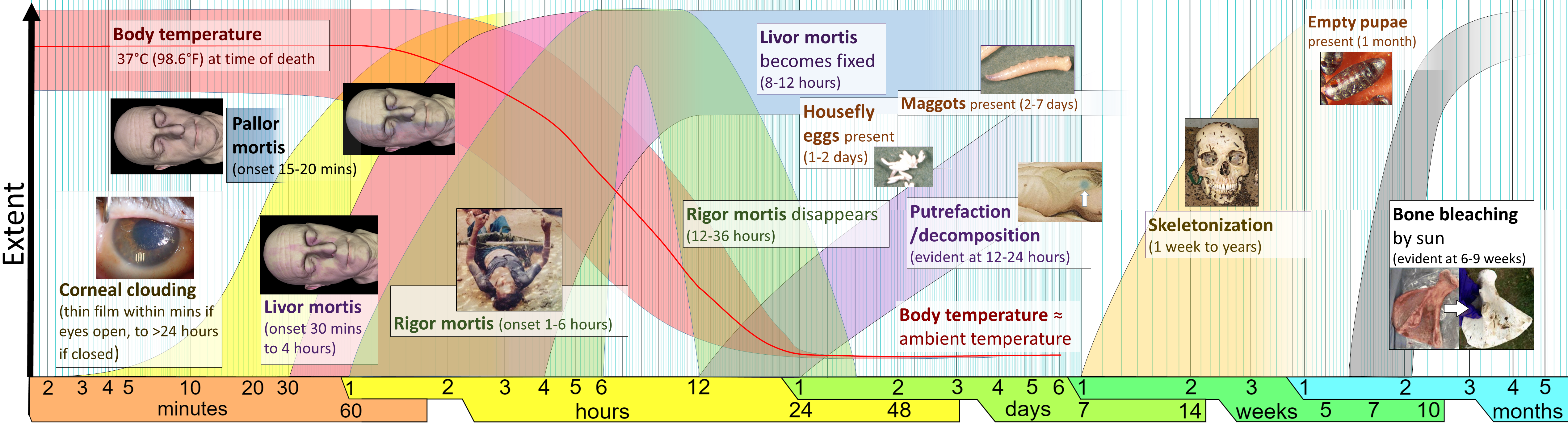
Once the client passes, the legal and physical transition begins. The legal time of death must be documented in the medical record by an authorized healthcare provider (physician, and in some jurisdictions, a specifically credentialed nurse).
After death, blood stops circulating and gravity takes over. Livor mortis is a purple or red skin discoloration caused by the pooling of blood in dependent areas of the body (the parts closest to the ground).
The goal of postmortem care involves preparing the client's body for viewing by the family.
The "Tubes In vs. Tubes Out" Rule
This is a highly tested NCLEX concept regarding legalities and forensics:
- If an autopsy is required (e.g., unexpected death, trauma, foul play), nurses must leave all medical tubes in place. Do not remove IVs, Foley catheters, or endotracheal tubes.
- If no autopsy is required, nurses must remove all medical tubes during postmortem care to prepare the body for the family.
Standard Postmortem Procedures
To prepare the body beautifully and respectfully for the family, perform the following:
- Close the client's eyes. (Do this gently, before rigor mortis sets in).
- Place dentures in the client's mouth to maintain facial shape. If you wait, the jaw will stiffen, and the family will view their loved one with a collapsed, unnatural facial structure.
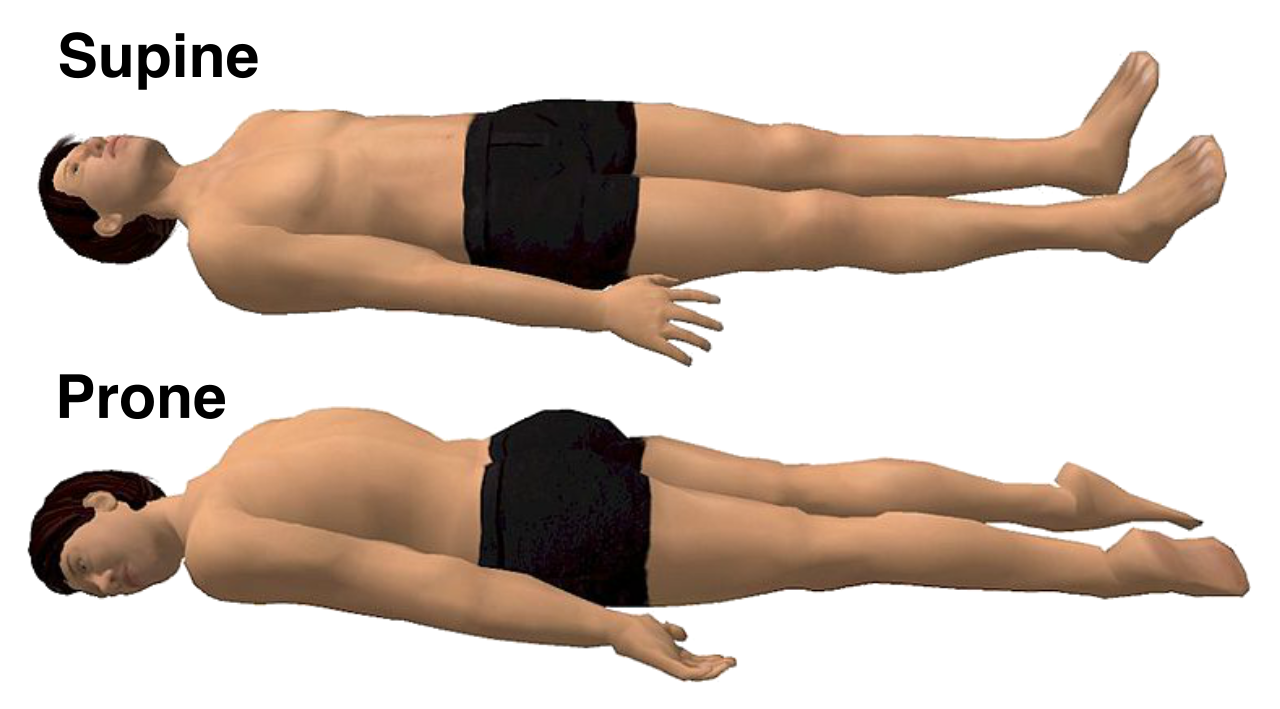
- Position the body supine with a pillow under the head. Elevating the head slightly with a pillow prevents blood from pooling in the face, which would cause purplish discoloration (livor mortis) right where the family is looking.
- Clean the body, apply fresh linens, and lower the lights to create a peaceful environment for the grieving family.
Professor's Final Note: End-of-life care is not a failure of medicine; it is the ultimate expression of nursing art and science. When you understand the physics of the dying body, the legal boundaries of directives, and the profound depth of human grief, you transition from simply being a healthcare worker to becoming a true healer. Study these concepts well—your future patients are depending on you to guide them through their final journey.