Ergonomic Principles
Not sure you’re ready?
Take the ~3-minute readiness diagnostic and see where you stand.
The Physics of Caring: Ergonomics & Biomechanics in Nursing
Imagine your body as a magnificent, finely-tuned machine—a complex system of biological cranes, levers, pulleys, and structural columns. It is an absolute marvel of natural engineering. But here is the thing about even the most advanced cranes: if you use them outside of their structural parameters, they will bend, fatigue, and ultimately snap.
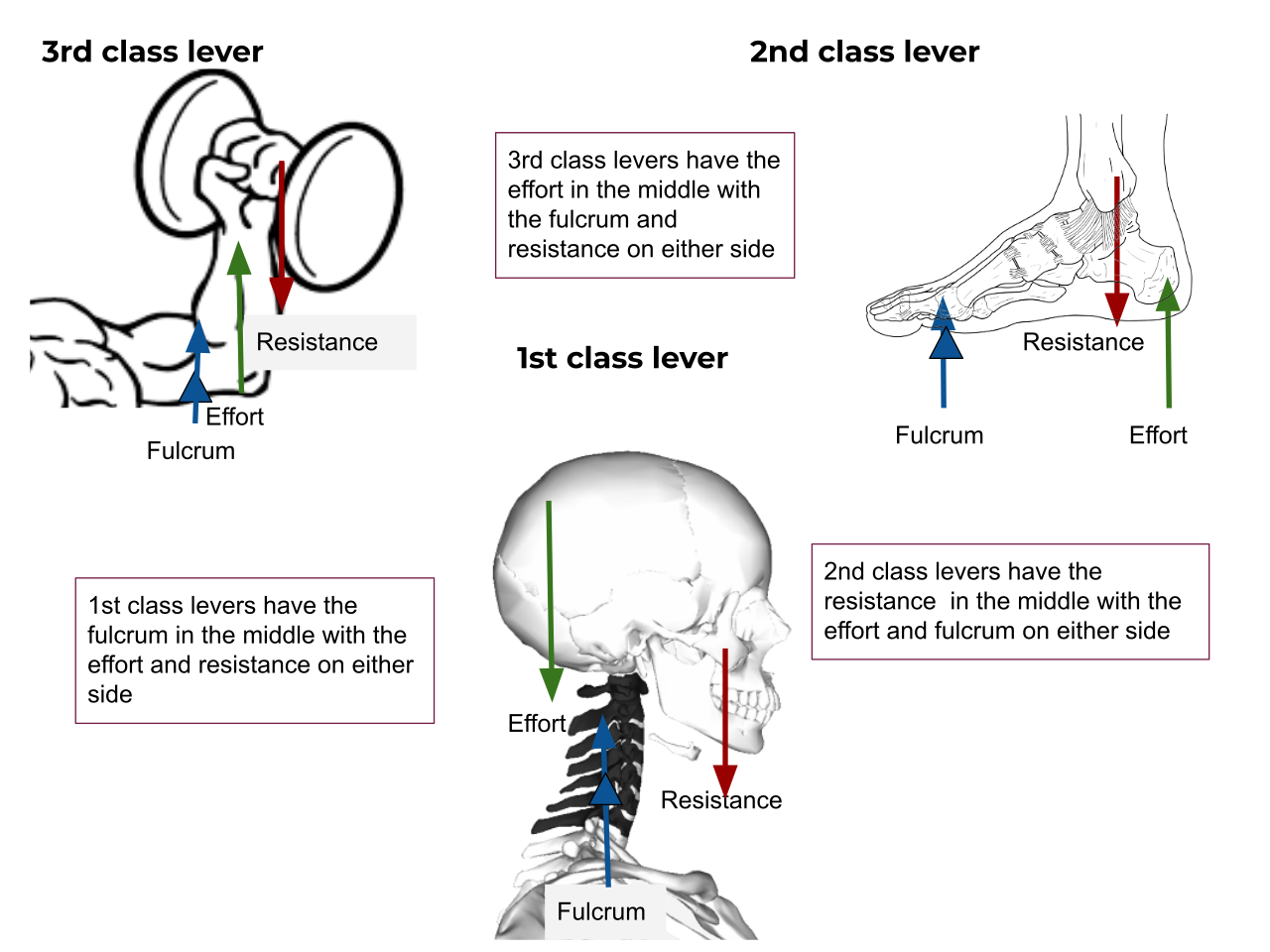
Welcome to the science of Ergonomics. As a nurse, you are not just a clinician; you are an applied physicist. Every time you move a client, shift a bed, or chart at a computer, you are interacting with gravity, friction, and vector forces. In this guide, we are going to unpack the physics of patient care to prevent repetitive stress injuries and ensure you—and your clients—stay safe.
Before we talk about moving a patient, we must talk about moving you. Repetitive stress injuries don’t usually happen from one dramatic mistake; they are the result of thousands of micro-traumas over time. Let’s look at how to position your body in space to prevent this.
The Center of Gravity & Base of Support
Your center of gravity is the point where your body mass is equally balanced.
- A wide base of support increases human physical stability during exertion. By spreading your feet apart, you create a larger foundation.
- Keeping your physical center of gravity low increases overall bodily stability. Think of a low-riding race car versus a tall double-decker bus. Which one tips over easier on a tight turn? To achieve this race-car stability, flexing the hips and knees lowers the human body's center of gravity.
- To maximize your physical balance, you must ensure you are bringing the center of gravity directly over the base of support. Do not lean wildly outside of your footprint!
The Laws of Leverage and Muscle Recruitment
The muscles in your back are relatively small and designed for posture, not heavy hauling. Conversely, your leg muscles are massive biological engines.
- Bending at the knees rather than the waist minimizes mechanical stress on the lower back.
- By squatting and using the major muscle groups of the thighs and buttocks, you prevent physical injuries to the smaller back muscles.
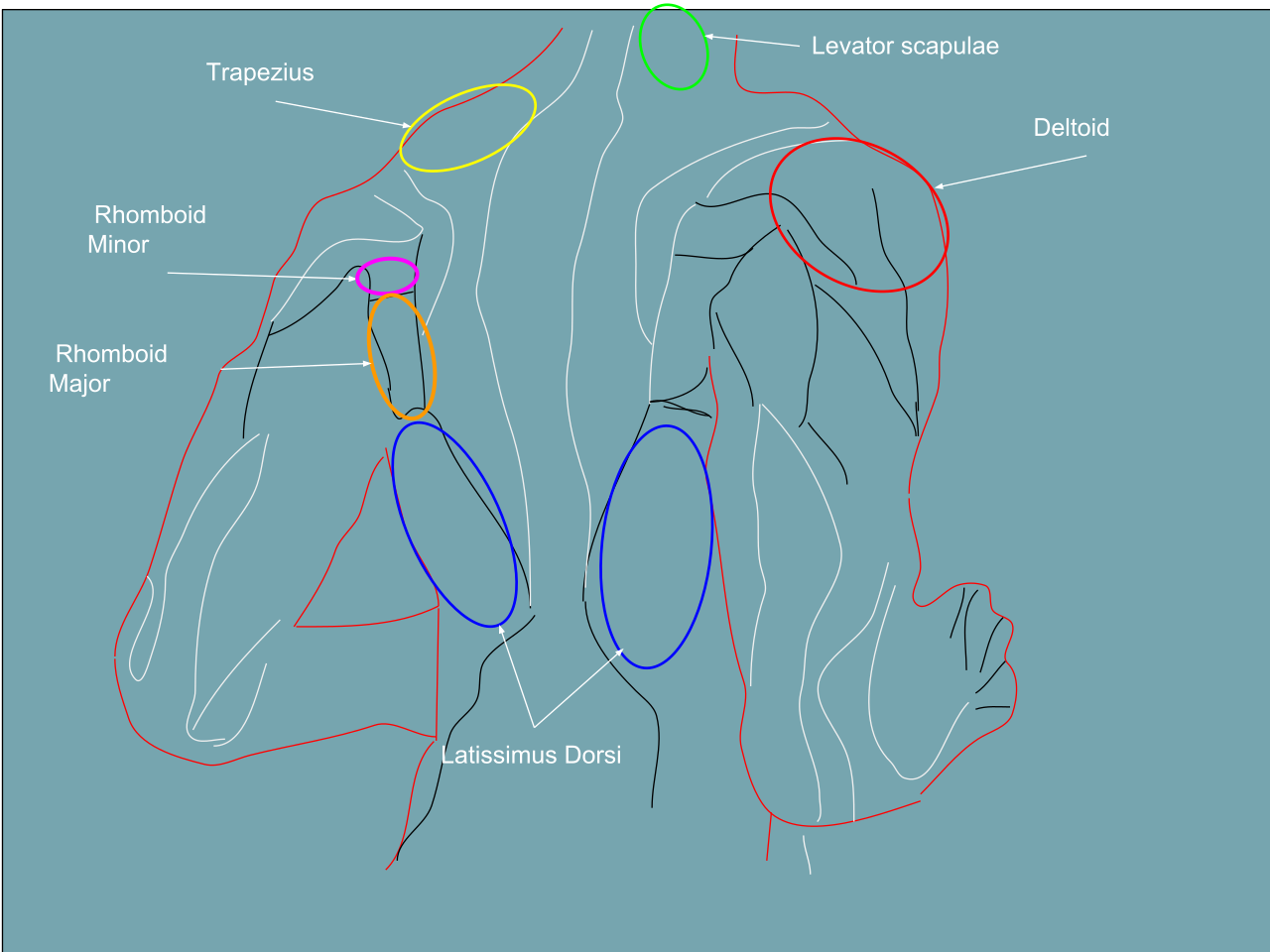
- When you do lift, keeping a lifted object extremely close to the body minimizes the workload on the back muscles. This is basic lever physics—the further away you hold a weight, the heavier the rotational force (torque) acts on your lumbar spine.
The Cardinal Sin: Spinal Twisting
Your spine is brilliant at bending forward and backward. It is terrible at twisting under a heavy load. Avoiding spinal twisting during physical tasks prevents repetitive stress injuries to the intervertebral discs.
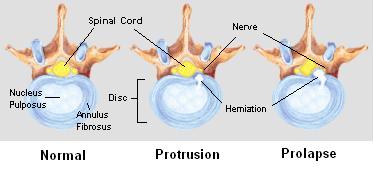
- Always be facing the exact direction of physical movement, which prevents spinal rotation during lifting tasks.
- When helping a client, the nurse must instruct clients to point toes in the direction of movement to avoid spinal twisting as well. Where the toes point, the hips follow; where the hips follow, the spine stays safe.
Pushing vs. Pulling vs. Lifting
Why work against gravity and friction when you can make them your allies?
- Pushing a heavy object requires less physical effort than pulling the exact same object. When you push, you can lean your body weight into the vector of movement.
- Similarly, sliding a heavy object across a surface requires less physical effort than lifting the exact same object. Never lift what you can slide!
We often think of nursing injuries occurring during heavy patient lifts. But what about the hours spent documenting at the computer?
The Ergonomics of Documentation
If your joints are bent at awkward angles for hours, they experience mechanical strain. Maintaining peripheral joints in a neutral position reduces the risk of repetitive stress injuries.
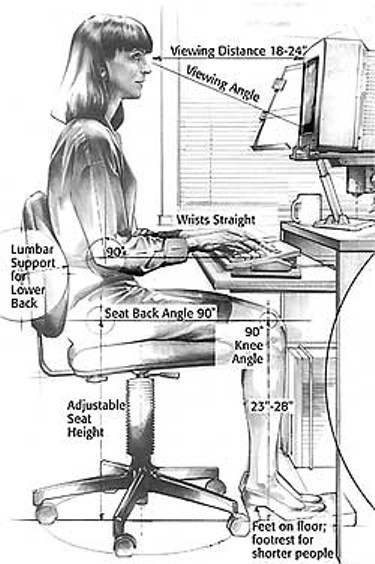
- Raising a physical workstation to elbow height prevents excessive flexion of the cervical spine. (No more looking down at a severe angle and straining your neck!)
- Adjusting a computer monitor to eye level prevents repetitive cervical strain.
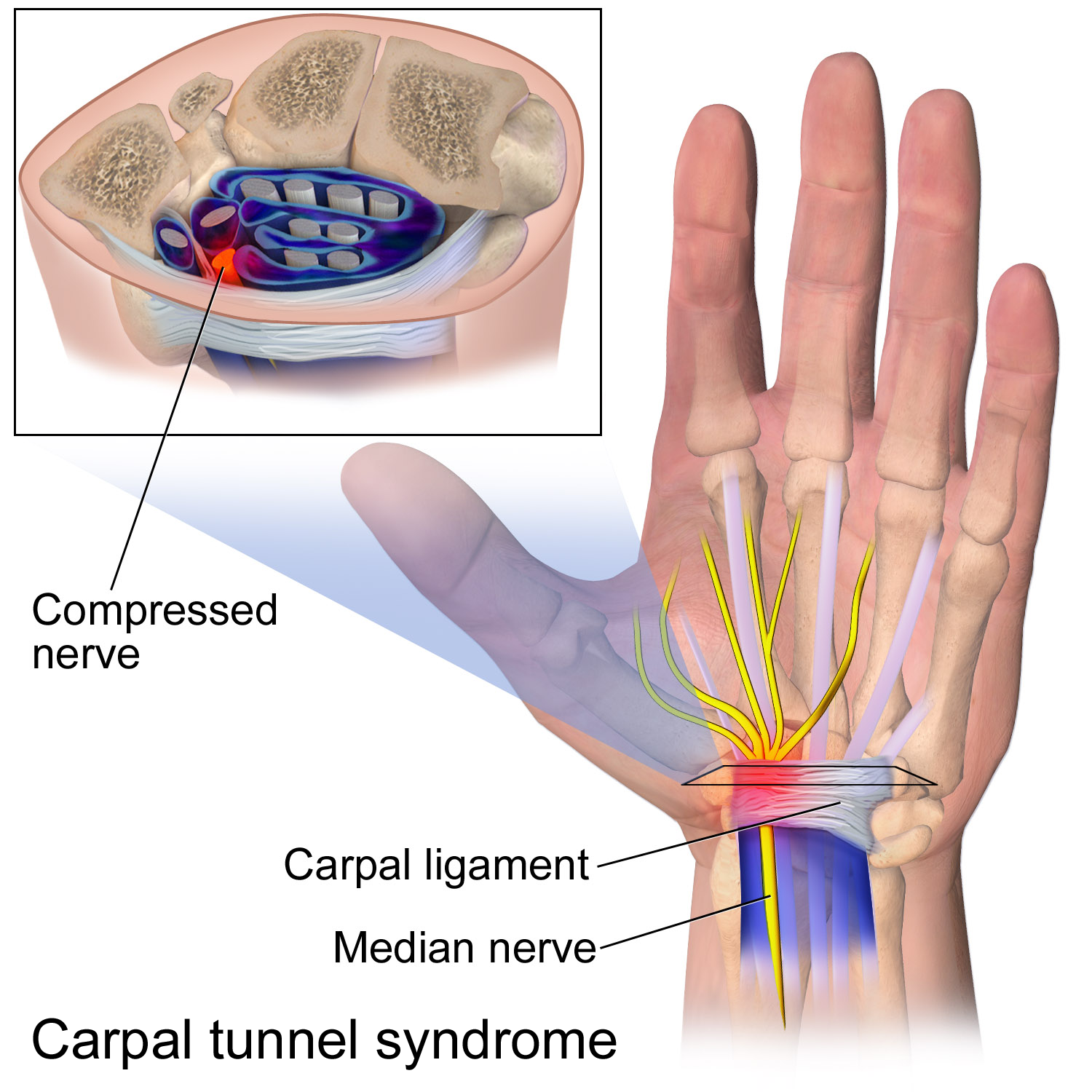
- Keeping the wrists straight during computer documentation prevents repetitive strain conditions like carpal tunnel syndrome.
- While sitting at the desk, resting the feet completely flat on the floor promotes proper ergonomic alignment.
The Danger of Standing Still
Here is a fascinating physiological fact: prolonged static physical postures decrease arterial blood flow to skeletal muscles. When you don't move, your muscles aren't pumping blood effectively, leading to ischemia and soreness.
- Changing physical positions frequently prevents skeletal muscle fatigue.
- You must make it a habit of taking physical stretching breaks every twenty to thirty minutes; this mitigates the cumulative effects of repetitive movements.
You would never lift a heavy, awkwardly shaped box without first knowing what's inside it, right? Moving a human being requires a meticulous physical and cognitive assessment before you even touch them.
Evaluating Cognition and Pain
- The nurse must evaluate a client's cognitive ability to follow instructions prior to initiating a physical transfer. If they are confused and cannot understand basic commands ("hold onto this rail"), they cannot safely participate in their own transfer.
- Next, assess a client's pain level before initiating a physical transfer. Why? Because severe acute pain limits a client's physical ability to assist with positional changes. Pain causes muscle guarding and hesitation. Treat the pain before the move.
Evaluating Biomechanical Capability
You must understand what the patient's biological machine is currently capable of doing. A physical assessment of the client's range of motion helps determine the safest transfer technique.
- The nurse must assess the client's balance before determining the need for a transfer device.
- Evaluating lower extremity muscle strength is necessary prior to planning a bed-to-chair transfer. Can their legs hold them up?
- Evaluating upper extremity strength helps determine a client's physical capacity to use a walker safely. (A walker requires immense triceps and shoulder stability!)
- Fundamentally, a client's weight-bearing status dictates the appropriate physical transfer method.
Assessing Hidden Hazards
- A client's visual acuity affects the client's ability to safely navigate using assistive mobility devices. If they cannot see the obstacle, the walker becomes a hazard.
- A client's level of proprioception influences physical balance during positional transfers. Proprioception is the body's internal GPS—knowing where your limbs are in space. If a stroke has impaired this, the client will struggle to balance.
- Finally, the nurse must assess for orthostatic hypotension before transferring a client out of bed. Physics and leverage do not matter if the patient stands up, experiences a massive blood pressure drop, and passes out!
Alright, you have optimized your body mechanics, and you have assessed the client. Now it is time to execute the move using the right tools.
The Golden Rule of Lifting: The National Institute for Occupational Safety and Health (NIOSH) calculates 35 pounds as the maximum safe manual lifting limit for healthcare workers under ideal conditions.
What if the patient's lifting requirement exceeds this? Requesting physical assistance from other staff members is required when a client's weight exceeds established safe lifting limits. By utilizing coordinated team lifting, you distribute physical weight evenly among multiple healthcare workers.
Preparing the Environment
Before you move an inch, set the stage:
- Adjusting the client bed to the nurse's waist level reduces lumbar spine stress during direct patient care.
- Removing physical obstacles from a pathway before moving a client prevents sudden shifts in body weight. (Tripping while holding a patient is a catastrophic failure of physics).
- The nurse must lock the wheels of the hospital bed before initiating any physical client transfer.
- Likewise, the nurse must lock the wheels of the wheelchair before initiating a bed-to-chair physical transfer.
Utilizing Gravity and Friction Devices
- To get a client sitting up, elevating the head of the bed assists the client in moving to a sitting position by utilizing gravity. Let the bed's motor do the heavy lifting!
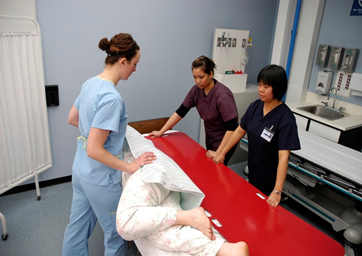
- When sliding a patient, remember that friction-reducing devices decrease the mechanical force required to move a client across a bed surface.
- A draw sheet is a friction-reducing textile device used for client repositioning in bed.
- Using a friction-reducing slide board decreases the physical exertion needed to transfer a client horizontally between two surfaces (like from a bed to a stretcher).
Choosing the Right Mechanical Assist
| Device / Technique | Patient Requirements for Safe Use |
|---|---|
| Physical Pivot Transfer | Requires the client to bear weight on at least one lower extremity. |
| Stand-Assist Lift Device | Requires the client to have weight-bearing capability in at least one leg AND requires the client to possess sufficient upper body strength to grasp the device handles. |
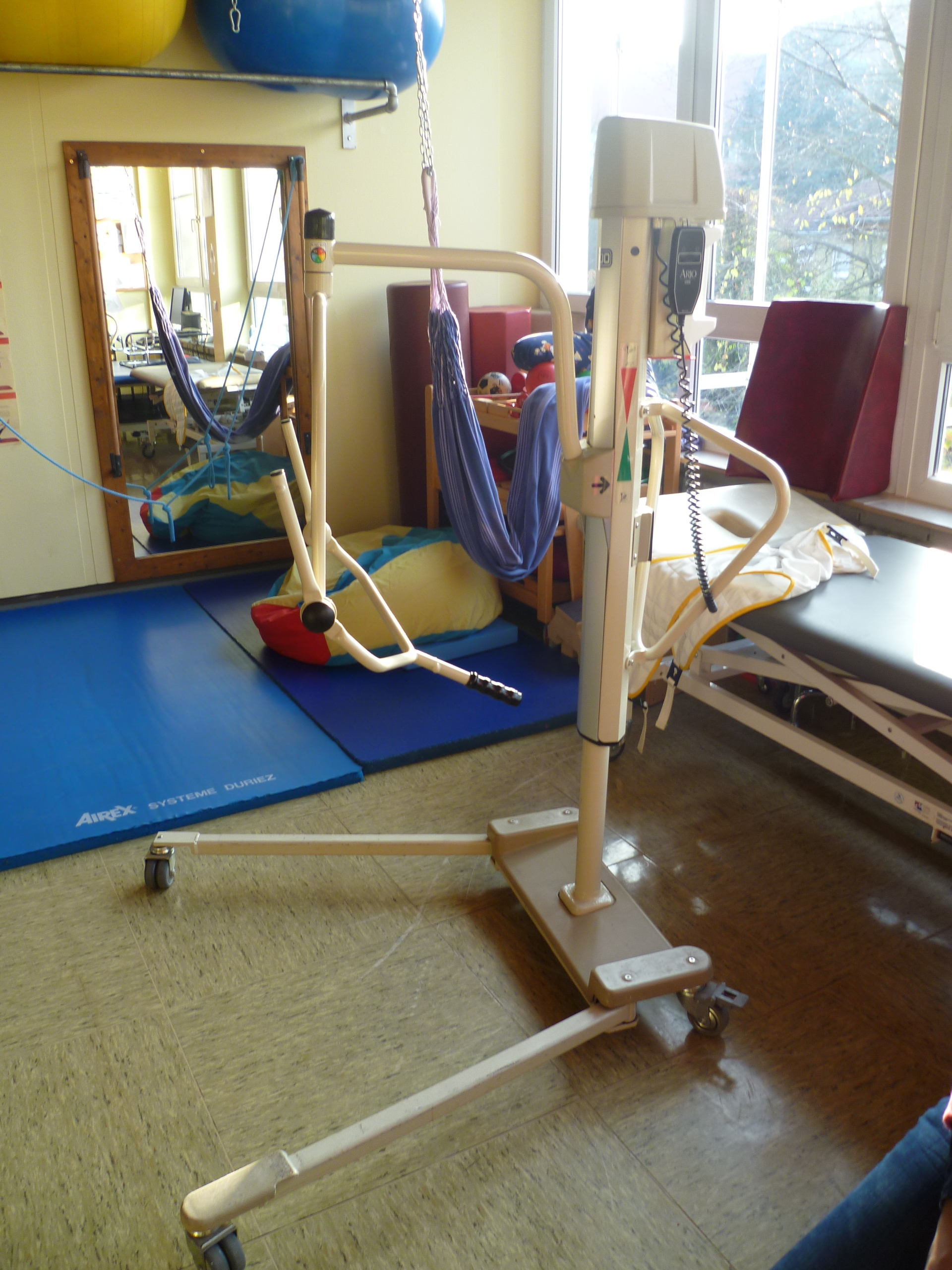
| Full-Body Mechanical Sling Lift | Designed for clients who cannot bear any physical weight. |
The Gait Belt
When ambulating a client, you need a secure way to control their mass if they lose their footing.
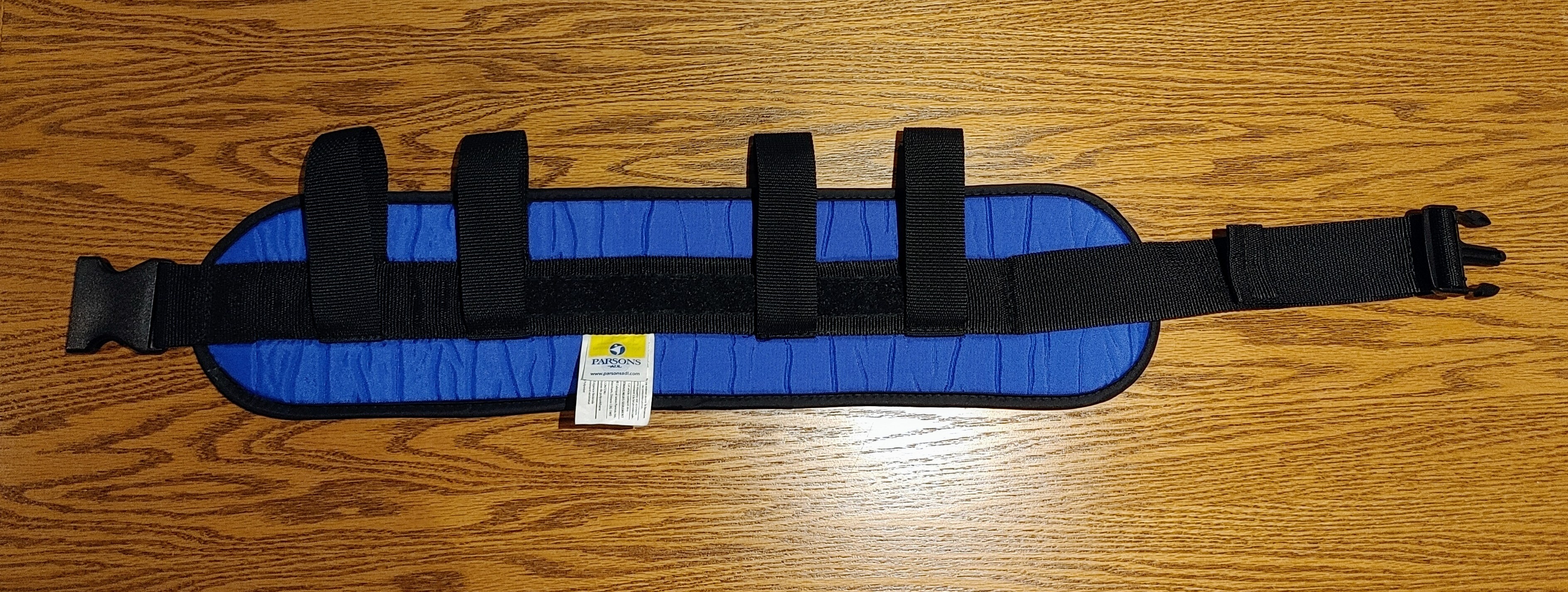
- A gait belt provides a secure physical hold on a client's center of gravity during ambulation.
- The nurse must assess the client's skin integrity before applying a gait belt to ensure you aren't placing it over incisions, ostomies, or severe bruising.
- Once cleared, the nurse must place the gait belt snugly around the client's waist over the clothing (never directly on bare skin, to prevent friction tears).
Closing the Loop
Once the transfer is complete and the patient is safely tucked back in, there is one final, critical step for patient safety: The nurse must lower the hospital bed to the lowest possible position immediately after completing patient care.
Summary
Ergonomics is not just a list of rules; it is the practical application of physics in the art of nursing. By maintaining a wide base, keeping your center of gravity low, banning spinal twisting, assessing your client's biological capabilities, and using mechanical advantages like slide boards and lifts, you protect the incredible machine that is your body—so you can spend a long, healthy career protecting others.