Establishing Priorities
Not sure you’re ready?
Take the ~3-minute readiness diagnostic and see where you stand.
Imagine this: You step onto the med-surg floor, coffee in hand. The moment your shift starts, four call bells light up. One client is recovering from a major surgery, another is suddenly confused, a third is complaining of a throbbing headache, and a fourth has a localized skin infection. Who do you walk to first? Who do you walk to last?
This isn't just an exercise in time management. This is the magnificent, life-saving art of prioritization. In nursing, prioritization determines the specific order in which nursing interventions are provided to multiple clients. It is how we translate the raw science of pathophysiology into a sequential plan of attack to keep human beings alive.
We don't guess. We don't just see the person who yelled the loudest. We look at the physics and biology of the human body, and we evaluate the pathophysiology of multiple clients concurrently to identify the individual at greatest risk of imminent harm.
Let’s pull back the curtain and look at the actual rules of the game.
If you want to understand priority, you have to understand what a cell needs to survive. The body is essentially a combustion engine. It needs fuel, it needs oxygen, and it needs a delivery system.
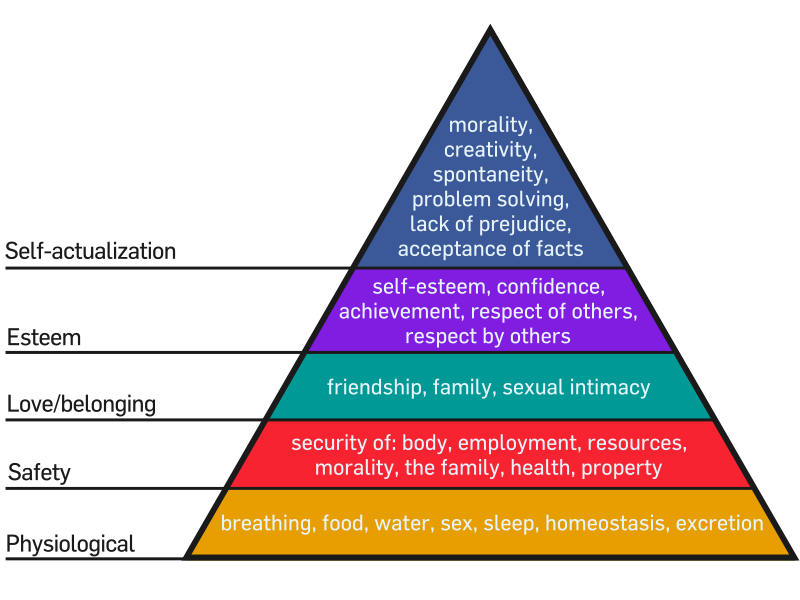
Maslow's Hierarchy of Needs provides our baseline rule: the nurse must address a client's physiological needs before addressing psychological needs. A client experiencing severe anxiety is suffering, yes, but if the client in the next room is suffocating, biology dictates our first move. Furthermore, within those physical needs, there is a hierarchy. Because cells die within minutes without oxygen but can survive days without food, the nurse must address physiological needs associated with oxygenation before addressing physiological needs associated with nutrition.
But we can get more precise than Maslow. We use the Airway, Breathing, and Circulation (ABC) framework. Why? Because the ABC framework prioritizes oxygenation and perfusion above all other physiological needs.
- Airway: The pipes must be open. Therefore, an open and patent airway represents the absolute highest physiological priority in emergency care. If air can't get in, nothing else matters.
- Breathing: The lungs must be exchanging gases.
- Circulation: The blood must transport that oxygen to the tissues.
What about a client screaming in agony? This might sound harsh, but it's a profound biological truth: severe pain represents a high nursing priority only after airway, breathing, and circulatory issues have been completely resolved. Pain is a distress signal, but an occluded airway is an immediate death sentence. Fix the airway, then fix the pain.

When you are looking at multiple clients, you have to compare their clinical pictures. How do we sort them? We use a series of brilliant, simple dichotomies.
1. Acute vs. Chronic
The human body is astonishingly good at adapting to chronic problems. Over time, it compensates for failing organs or poor oxygenation. But a sudden, acute event? The body hasn't had time to compensate. It goes into shock. Therefore, the nurse must prioritize clients with acute pathophysiological conditions over clients with chronic pathophysiological conditions.
How do we spot an acute event? Pay attention to new information! A newly reported symptom indicates an acute physiological change requiring immediate nurse evaluation. If a client with a history of COPD is breathing normally for them, that's chronic. But if they report a new sharp chest pain, that is an acute change.
2. Unstable vs. Stable
This one is straight out of the laws of equilibrium. The nurse must prioritize clients with unstable vital signs over clients with stable vital signs. If a client's blood pressure is trending downward and their heart rate is spiking, their compensatory mechanisms are failing right in front of your eyes.
By the same logic, clients requiring continuous oxygen therapy demand higher prioritization than clients breathing room air. The client on continuous oxygen is fundamentally closer to the edge of physiological instability; their baseline requirement for survival is artificially supported.
3. Systemic vs. Localized
A localized issue affects a limited area. A systemic issue affects the entire organism. Because of the vast threat to multiple organ systems, systemic physiological manifestations take priority over localized physiological manifestations.
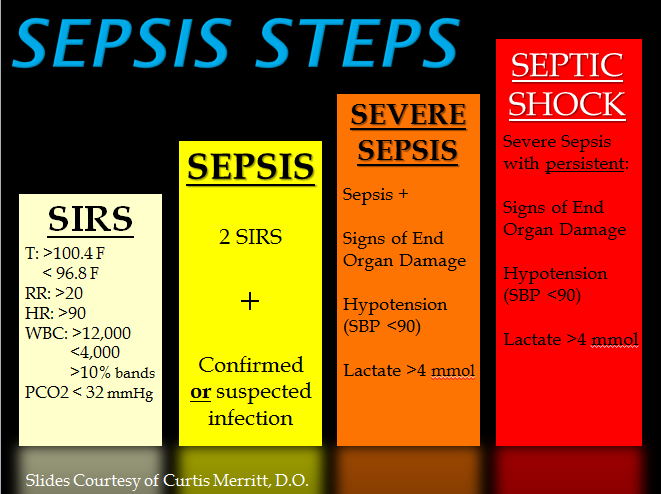
The Sepsis Principle: Think of an infection. A localized skin infection stays in one place. But sepsis represents a dangerous systemic inflammatory response to an infection. The vascular bed becomes leaky, blood pressure plummets, and organs fail. Consequently, the nurse must prioritize a client experiencing sepsis over a client experiencing a localized skin infection.
4. Unexpected vs. Expected & Actual vs. Potential
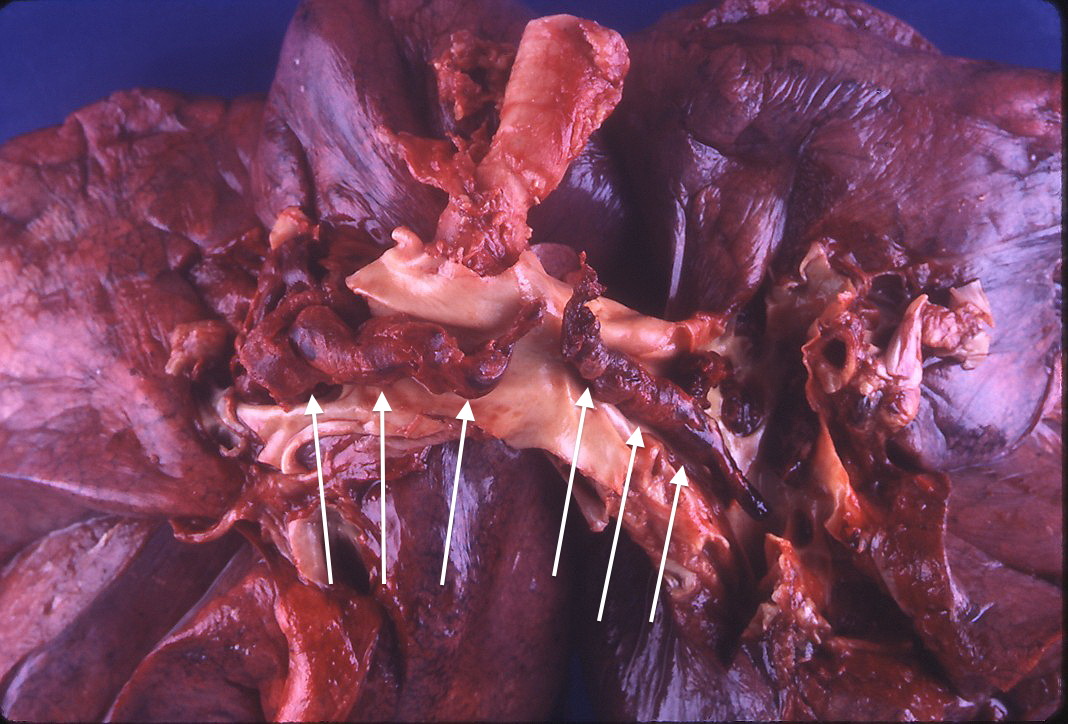
If a client has a fractured femur, we expect them to have pain in their leg. If a client with a fractured femur suddenly has severe shortness of breath, that is unexpected (and points to a potential pulmonary embolism). Unexpected clinical findings demand higher prioritization than expected clinical findings for a specific disease process.
Likewise, deal with the fire currently burning before you worry about the fire that might start. Actual life-threatening problems take priority over potential health risks. Fall risk is a serious potential problem, but active bleeding is an actual problem happening right now.
Certain situations inherently carry a higher risk of rapid, catastrophic failure. You must have a radar for these clients.
The Post-Operative Client
Surgery is trauma. Anesthetics, incisions, and fluid shifts drastically alter the body's homeostasis. For this reason, clients returning from surgical procedures require immediate prioritization due to the high risk of post-operative complications, such as airway compromise, hemorrhage, or shock.
Active Hemorrhage
Think of the circulatory system as a closed loop of plumbing. What happens if there's a massive leak? Active hemorrhage causes a rapid decrease in intravascular fluid volume. If there's no fluid in the pipes, the heart has nothing to pump, and oxygenation ceases. The nurse prioritizes active hemorrhage immediately because rapid intravascular volume loss leads to fatal hypovolemic shock.
The Brain's Cry for Help
Never, ever ignore a newly confused client. The brain is the most oxygen-hungry organ in the human body. When oxygen levels drop, or when intracranial pressure rises, the brain malfunctions. A sudden change in a client's mental status requires immediate assessment for underlying hypoxia or severe neurological injury. Don't assume they are just tired; assume their brain is starving.
Nursing isn't just executing tasks; it is an active, continuous scientific experiment.
Before you do anything, you must gather your data. The nursing process dictates that the nurse must perform a physical assessment before implementing any intervention. You cannot fix an airway if you haven't looked inside the mouth to see the obstruction!
Once you act, the job isn't over. You must observe the reaction. The evaluation of an initial nursing intervention directly dictates the priority of subsequent nursing actions. If you give oxygen and the client's breathing normalizes, your next priority shifts to finding out why they needed it. If you give oxygen and they continue to turn blue, your immediate subsequent action is to escalate care and call the provider.

Client conditions are not static. The board changes constantly.
- The nurse must comprehensively revise the plan of care when a client experiences a sudden physiological deterioration. What was priority #4 suddenly becomes priority #1.
- Data changes your game plan. The nurse reprioritizes the delivery of client care every time new laboratory results indicate critical pathophysiological changes (like an unexpected, critically low hemoglobin level or a skyrocketing potassium).
- Even your team management relies on this dynamic flow. You don't just assign tasks at 7:00 AM and forget them. Delegation of client care tasks must be adjusted continuously based on the current acuity level of each assigned client.
There is one major exception to everything we just talked about: Disaster Triage.
In a normal hospital setting, we put all our resources into the sickest, most unstable person. But what happens if a building collapses and you have 50 critically injured people and only 3 nurses? The math changes. The goal shifts from saving the sickest individual to saving the greatest number of people with the resources available.
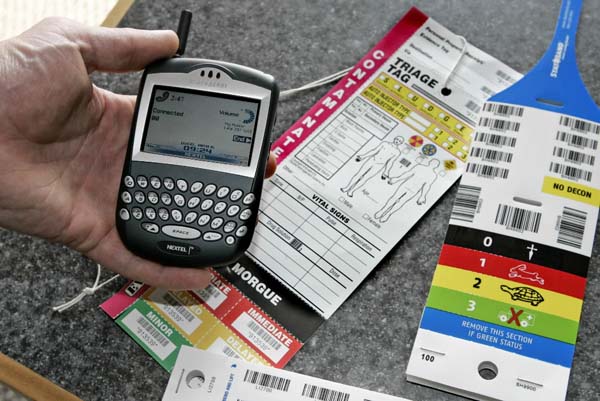
To do this efficiently, disaster triage systems use color-coded tags to categorize clients based on injury severity and survival probability.
| Triage Color | Category | What it Means & What You Do |
|---|---|---|
| RED | Immediate | The red disaster triage tag designates an immediate threat to life requiring immediate medical intervention. (e.g., airway obstruction, massive compressible hemorrhage). These clients can survive if we act right now. |
| YELLOW | Delayed | The yellow disaster triage tag designates major injuries that can wait a brief period for medical care. (e.g., stable open fractures, large wounds without massive bleeding). They are seriously hurt, but won't die in the next hour. |
| GREEN | Minimal | The green disaster triage tag designates minor injuries that do not require immediate medical attention. (e.g., walking wounded, minor cuts, sprains). |
| BLACK | Expectant | The black disaster triage tag designates a client who is deceased or possesses injuries completely incompatible with life. (e.g., massive head trauma with brain matter exposed, cardiac arrest). In a disaster setting, we cannot spend 45 minutes doing CPR on one person while ten others bleed to death. |
Prioritization is not magic. It is applied physics, biology, and logic.
When you look at a list of clients on your NCLEX or on the hospital floor, ask yourself:
- Who is losing their Airway, Breathing, or Circulation right now?
- Who has an acute, unstable, or systemic issue?
- Who has a sudden, unexpected change in mental status or a new symptom?
- Who will suffer imminent, irreversible harm if I wait 10 minutes to see them?
Assess first. Rely on the pathophysiology. Understand the why behind the symptoms, and the "who to see first" will become beautifully, undeniably clear.