Home Safety
Not sure you’re ready?
Take the ~3-minute readiness diagnostic and see where you stand.
The Physics of the Safe Home: A Masterclass in Environmental Health
Hello there! Gather around. Today, we are going to look at something quite profound, disguised as something incredibly mundane: the human home.
We tend to think of the home as a safe haven. But to a body experiencing physiological changes—a failing nervous system, brittle bones, or clouded eyes—the home is not a haven. It is a complex physical obstacle course filled with hidden friction points, gravity traps, and thermodynamic hazards.
If you want to know how a physical system behaves, you don’t just read the schematic—you watch the machine run! Therefore, a comprehensive home safety assessment requires evaluating the client's physical ability to navigate environmental obstacles. You cannot just ask them on a clipboard. Direct observation of the client performing daily activities in the home identifies individualized functional safety deficits. You have to watch them make coffee. You have to watch them walk to the bathroom. Only then do the hazards reveal themselves.
Let’s break down the mechanics of home safety, condition by condition, room by room.
When the nervous system or skeletal structure begins to falter, the basic physics of moving through a house changes entirely.
The Parkinsonian Vector
Consider a client diagnosed with Parkinson's disease. Clients diagnosed with Parkinson's disease frequently experience a festinating gait. What is a festinating gait? It’s a rapid, shuffling, forward-leaning walk—they are essentially hurrying to catch up with their own falling center of gravity! Because their feet barely clear the ground, a festinating gait requires the elimination of all uneven floor thresholds to prevent forward-falling incidents.
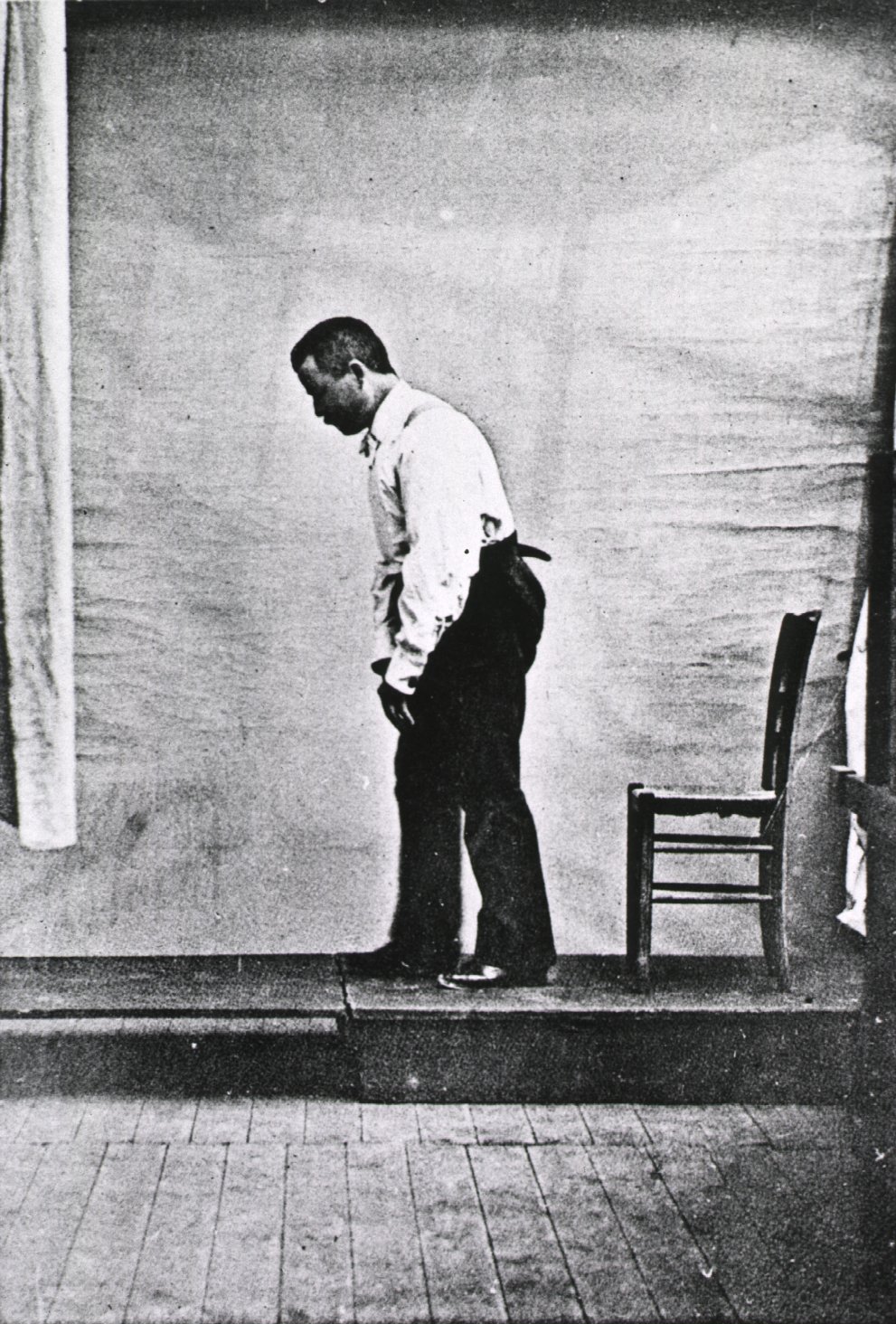
And when they try to stand up? It's an engineering problem. They lack the smooth motor control to launch themselves upward. Therefore, providing heavy, firm chairs with sturdy armrests assists clients with Parkinson's disease in rising from a seated position safely, giving them a rigid, anchored base to push against.
Orthopedics: Leverage and Fragility
- Osteoarthritis: Standing up from a low surface demands massive hip and knee leverage. To alter the geometry of standing, raised toilet seats decrease the degree of hip flexion required for clients with severe osteoarthritis to stand.
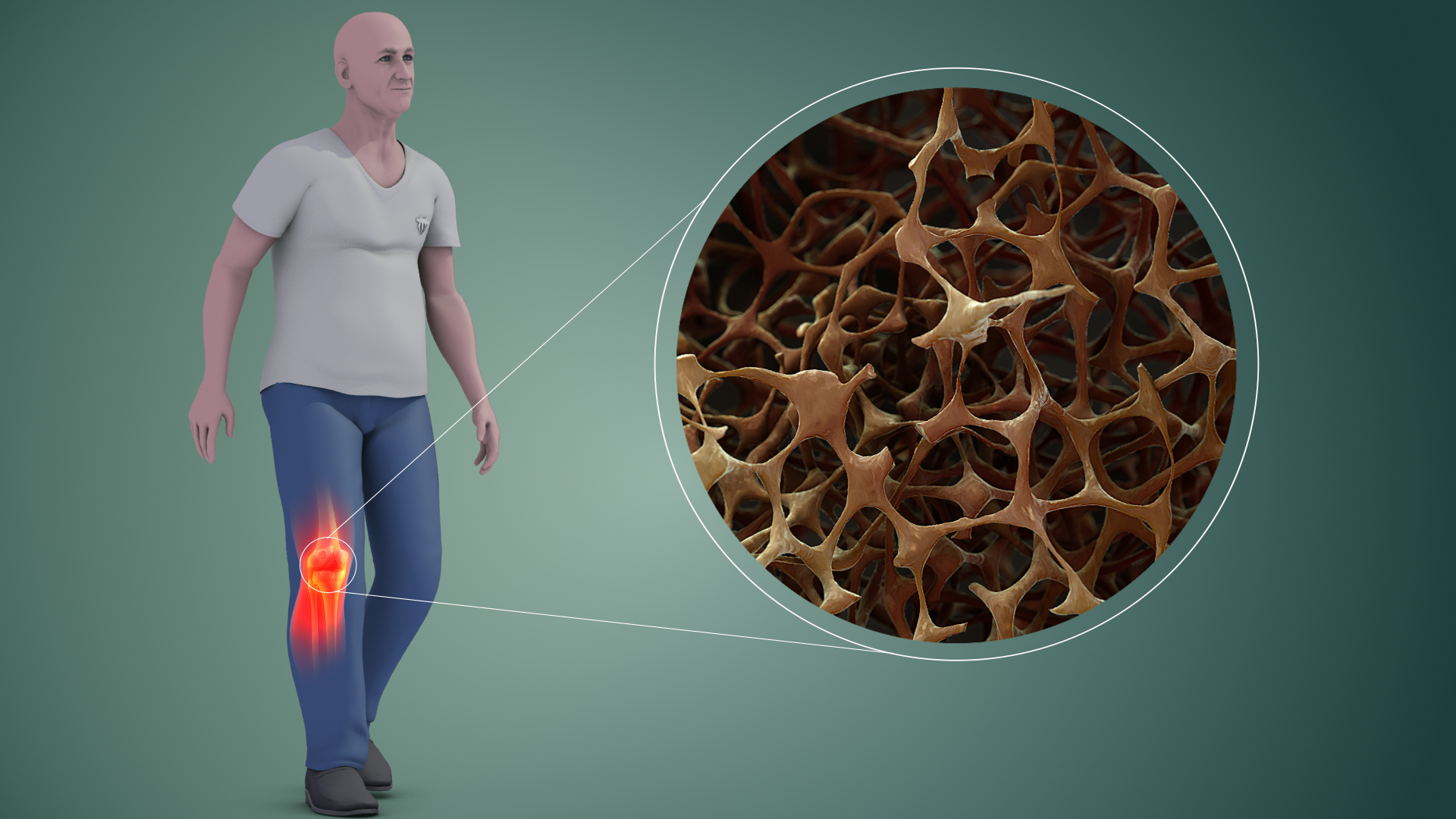
- Osteoporosis: When bone density drops, a minor trip becomes a catastrophic break. Clients diagnosed with osteoporosis require immediate removal of floor clutter to prevent bone fractures from low-impact falls.
Stroke and Asymmetry
A stroke alters the symmetry of the human body. If a stroke knocks out the left side of your body, placing a support bar on the left wall is functionally useless. You must support the unaffected side!
- Clients with left-sided hemiparesis from a stroke require grab bars installed exclusively on the right side of the toilet.
- Conversely, clients with right-sided hemiparesis from a stroke require grab bars installed exclusively on the left side of the toilet.
Vertigo and Seizures
- Meniere’s Disease: Imagine the room spinning constantly. For clients experiencing severe vertigo from Meniere's disease, the floor is no longer reliable. They require continuous handholds installed along primary household corridors so they never lose physical contact with a stable structure.
- Epilepsy: For clients with a documented history of tonic-clonic seizures, the sharp geometry of a room is a severe danger. They require padded edge protectors on sharp household furniture to blunt the impact of involuntary convulsions.
Our primary interface with the physical world is sensation. When sensation fails, we must engineer the environment to compensate.
The Dynamics of Light and Eyesight
We have to illuminate the path, but how we illuminate it depends entirely on the pathology.
- Macular Degeneration: These clients lose central vision. If you put a light right in front of them, it’s useless! Therefore, clients experiencing macular degeneration require bright peripheral pathway lighting to navigate the home safely. We flood the edges of their vision.

- Cataracts: A clouded lens scatters incoming light. If you have a shiny, glossy floor, it acts like a mirror. Glare on uncarpeted floors can cause temporary visual blinding in clients with cataracts.
Feynman’s Rule of the Night: Darkness is the enemy of spatial awareness. Adequate ambient illumination in hallways significantly decreases the incidence of nighttime falls among older adults. In the sleeping quarters, installing automatic nightlights in the bedroom assists the client with safe spatial orientation during nighttime awakenings.
Furthermore, stairs are optical illusions for failing eyes. Applying brightly colored contrasting tape to the edges of steps improves depth perception for visually impaired clients, creating a stark visual boundary.
The Loss of Thermal and Mechanical Sensation
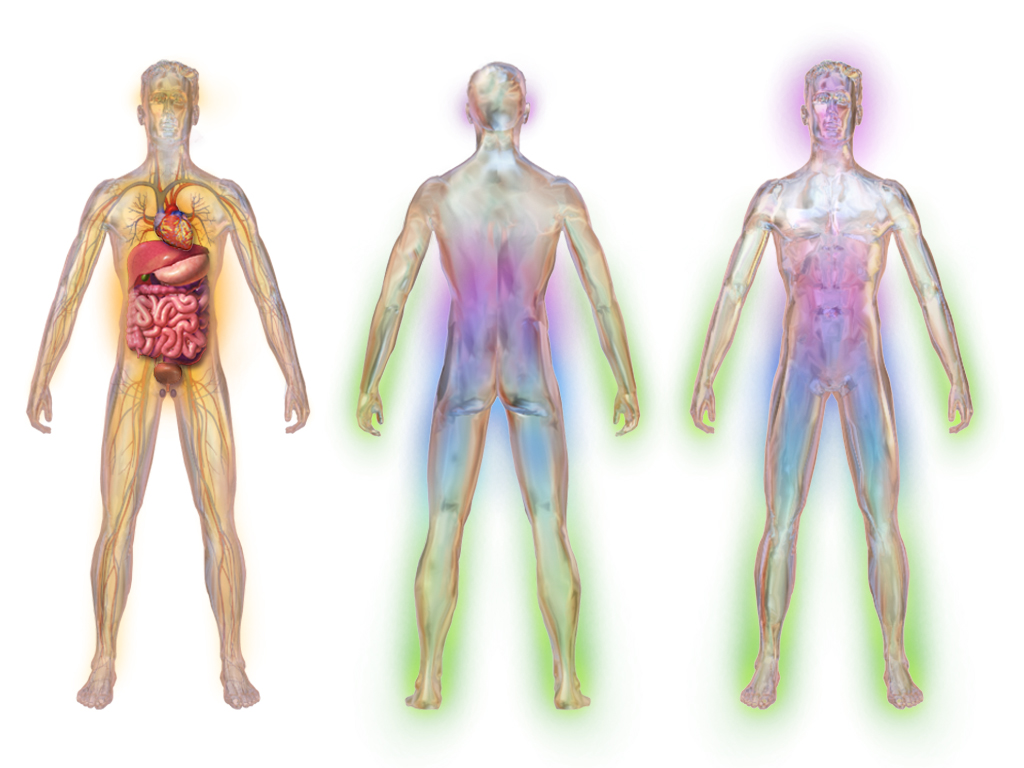
Let's talk about diabetic peripheral neuropathy. High blood sugar destroys the distal nerves. These clients possess decreased thermal sensation in their distal extremities. Because they cannot feel heat, bathwater becomes a severe burn hazard.
To solve this, clients with decreased thermal sensation must use a numerical bath thermometer to verify safe bathwater temperatures. Furthermore, because they cannot feel a tack on the floor or a stubbed toe, clients with peripheral neuropathy must wear enclosed, supportive footwear indoors to prevent unrecognized mechanical foot injuries.
The Floors and Stairs
Friction is your friend until it's in the wrong place.
- Throw Rugs: They are absolute death traps. Unsecured throw rugs represent a severe tripping hazard for clients utilizing wheeled mobility devices, and equally, they represent a severe tripping hazard for clients utilizing standard walkers. Get rid of them!
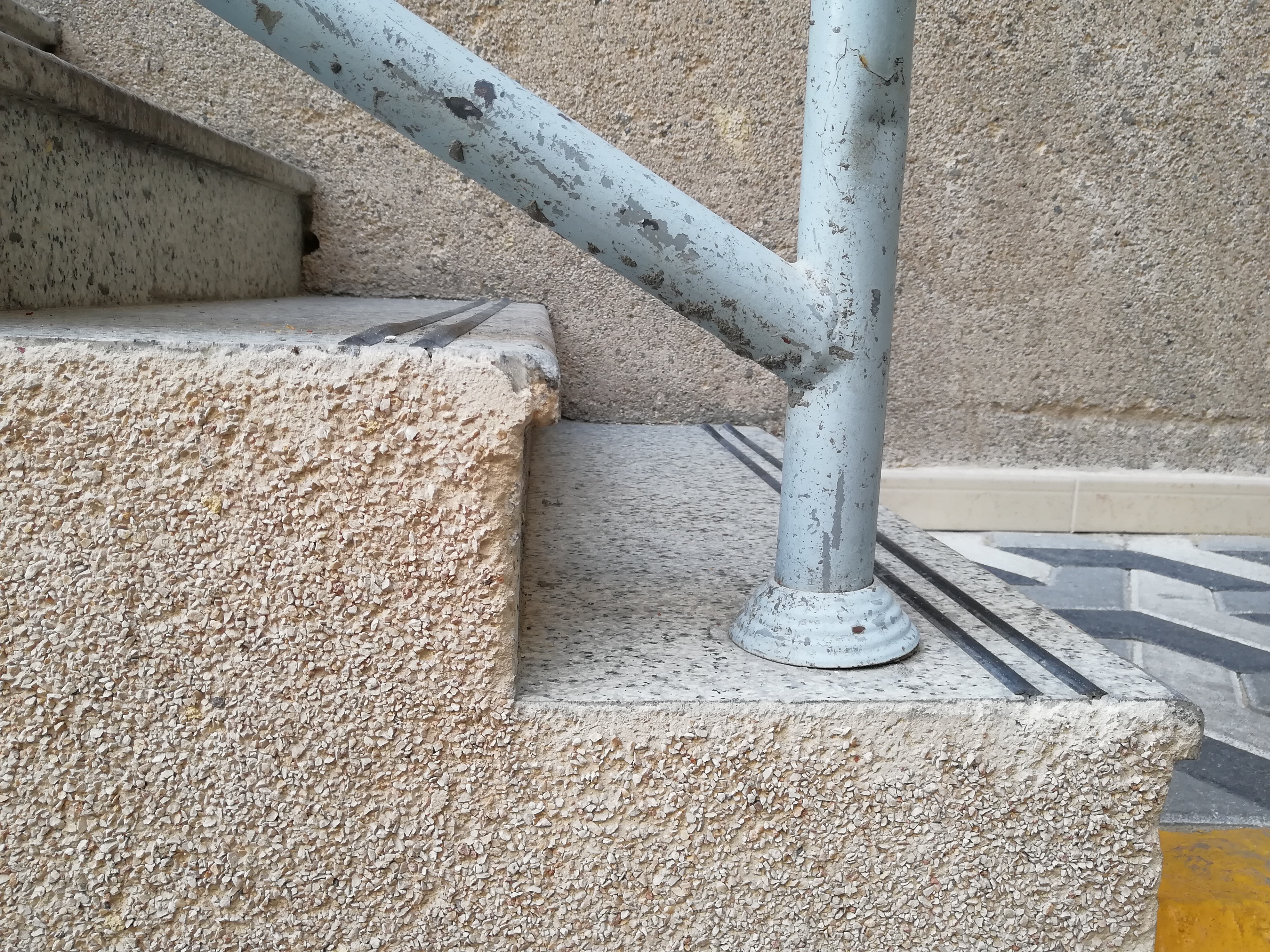
- Staircases: Safety requires bilateral redundancy. Staircases must feature a securely anchored handrail along the right side of the structure AND staircases must feature a securely anchored handrail along the left side of the structure.
- Step Stools: If a client must reach high, they cannot simply use a small box. Clients utilizing a step stool must use a model equipped with a tall handrail to maintain a stable center of gravity.
The Bathroom: Thermodynamics and Slips
Water plus ceramic tile equals zero friction.
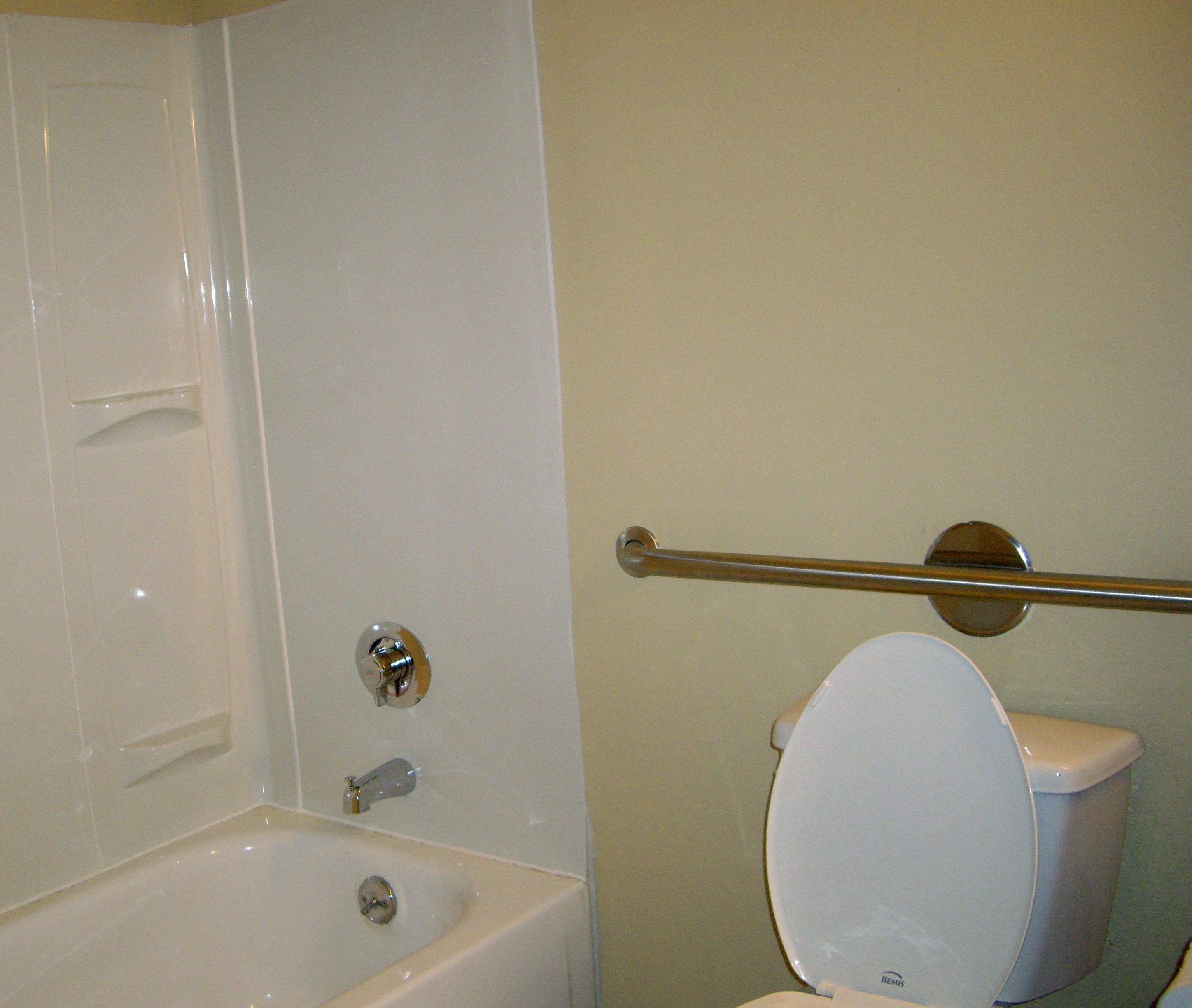
- Inside the Shower: Installing secure grab bars inside the shower stall provides necessary support to prevent bathing-related falls.
- Outside the Shower: Installing secure grab bars adjacent to the toilet assists clients with safe transfers. To ensure the floor itself is safe, nonskid rubber backing applied to bath mats prevents the fabric from sliding on wet ceramic tile surfaces.
Now, look at the water heater. The maximum safe setting for a residential water heater is 120 degrees Fahrenheit. Why? Because setting residential water heaters below 120 degrees Fahrenheit minimizes the risk of scalding injuries.
For our Wheelchair Users:
- Bathroom Sinks: A wheelchair user pulls right up to the sink, exposing their legs to the plumbing. Therefore, exposed hot water pipes located underneath bathroom sinks must be wrapped with thermal insulation. Why? Because insulating under-sink pipes prevents severe contact burns to the legs of clients utilizing wheelchairs.
- Kitchens: To promote autonomy, lowering the height of kitchen countertops facilitates independent meal preparation for clients restricted to a wheelchair.
The Bedroom and Pharmacology
Suppose a weakened client needs to use the restroom at 2:00 AM. Placing a bedside commode adjacent to the bed minimizes the physical distance a weakened client must ambulate for nighttime toileting.
_(5601381776).jpg)
But wait—before they stand up, look at their chart! Reviewing the client's prescribed pharmacological regimen identifies specific medications that induce orthostatic hypotension. If a client stands up quickly, gravity pulls the blood into their legs, their blood pressure plummets, and they faint. To counter this fluid dynamic shift, clients experiencing medication-induced orthostatic hypotension must sit on the edge of the mattress for several minutes prior to standing.
When cognition fades, the environment must act as the client's prefrontal cortex.
- Wandering: Clients with advanced dementia frequently experience severe wandering behaviors. We use visual geometry to keep them safe. By installing sliding barrel locks high on exterior doors, it places the mechanism outside the direct visual field of a wandering client. If they don't look up, they don't see the lock; if they don't see it, they don't open the door.
- Burn Hazards: In the kitchen, we simply remove the mechanism of injury. Removing external control knobs from the kitchen stove protects clients with advanced cognitive impairment from burn hazards.
Let's dive into the fascinating, terrifying chemistry of the home.
The Oxygen Paradox
People think oxygen is flammable. It isn't! Oxygen is the grand enabler of fire. Supplemental oxygen therapy greatly accelerates the combustion rate of surrounding materials. Because of this hyper-reactive environment:
- Clients actively using supplemental oxygen must maintain a minimum distance of five feet from any open heat source.
- Smoking is strictly prohibited inside any residence where supplemental oxygen tanks are stored.
Even static electricity is a mortal threat. Utilizing 100 percent cotton bedding prevents the generation of static electricity sparks in homes with supplemental oxygen. Conversely, utilizing synthetic fabrics increases the risk of static electricity ignition near supplemental oxygen sources.
And don't forget the physical hazard: Prolonged oxygen tubing trailing across residential walkways constitutes a major tripping hazard.
Fire and Electrical Physics
Let's look at electrical cords. Securing electrical cords flush against baseboards removes them from walking paths to prevent tripping. But whatever you do, do not hide them under the rug! Routing electrical cords underneath carpets creates a hidden friction point that increases the risk of residential fires due to heat buildup and frayed wires. Also, thermal radiators demand space: portable space heaters must be positioned at least three feet away from any combustible household materials.
If a fire breaks out:
- Extinguishers: A multipurpose dry chemical fire extinguisher must be maintained in an easily accessible location within the kitchen.
- Escape: The household must establish a primary architectural escape route for home fire emergencies, and equally important, the household must establish a secondary architectural escape route for home fire emergencies.
- Detectors: Smoke detectors must be installed on every distinct level of a residential dwelling. To keep them running, smoke detector batteries require manual replacement every six months to ensure uninterrupted operation, and clients must physically test their home smoke alarms on a monthly basis to verify functional status.
The Silent Killer: Carbon Monoxide (CO)
Carbon monoxide is a masterpiece of dark chemistry. It is generated by the incomplete combustion of fuels in household appliances.
- Carbon monoxide is a completely colorless gas.
- Carbon monoxide is a completely odorless gas.
Because our senses cannot detect it, carbon monoxide detectors must be installed in the immediate vicinity of all residential sleeping areas.
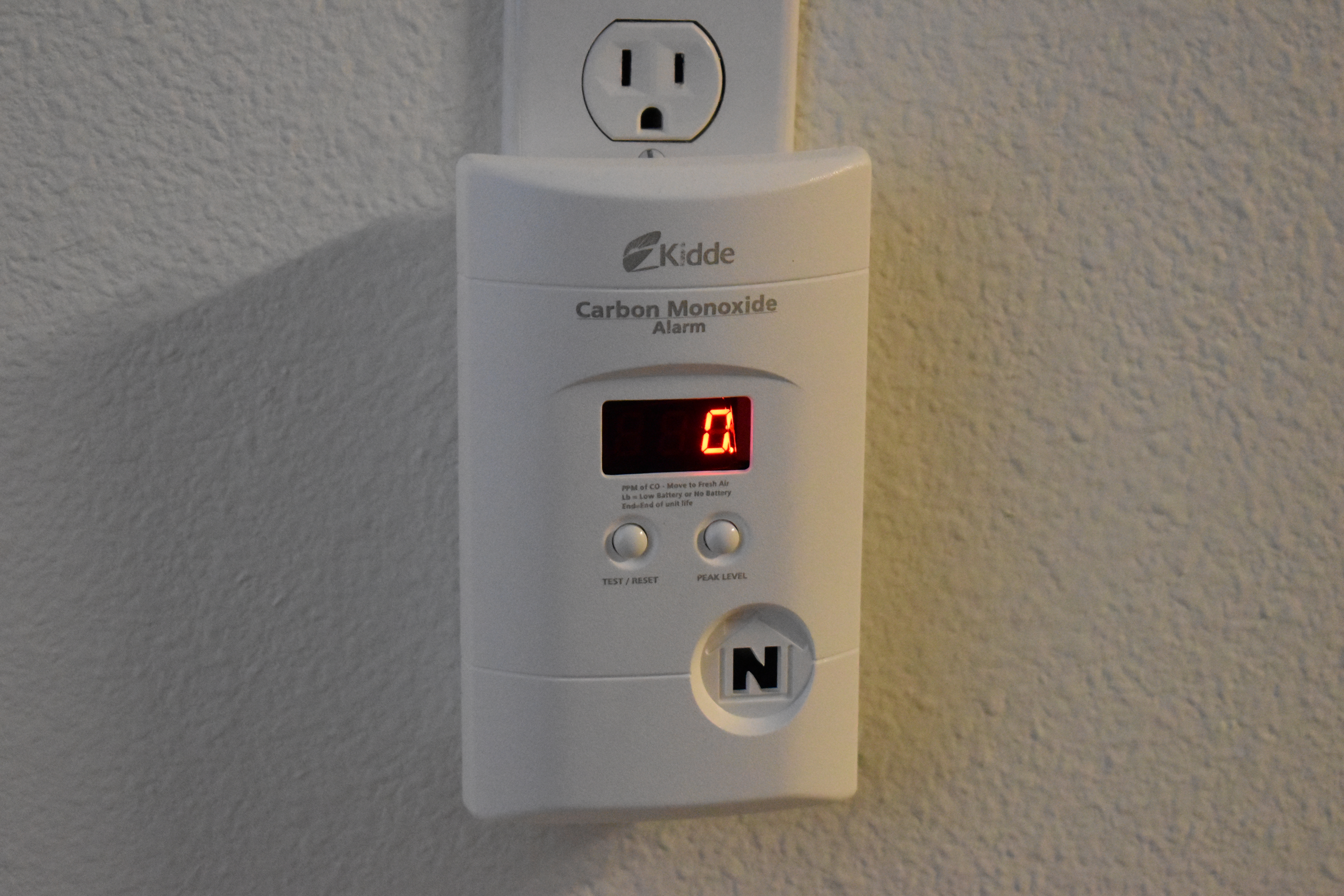
How do you know if a client is being slowly poisoned? The symptoms are incredibly sneaky. The early symptoms of carbon monoxide poisoning closely resemble the systemic symptoms of a viral influenza infection. Specifically, these early symptoms of carbon monoxide poisoning include isolated temporal headaches, and they also include persistent nausea. If the whole family suddenly gets "the flu" at the same time in the dead of winter, suspect the heater!
Finally, we must prepare the household for the worst-case scenario.
- Communication: Emergency contact numbers must be displayed in a large, legible font near every stationary telephone in the home.
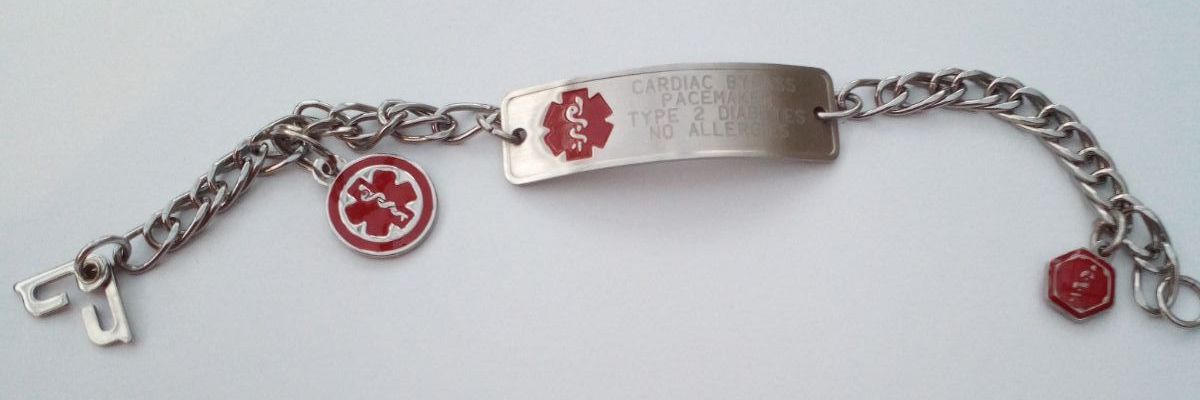
- Identification: If the paramedics arrive, they don't have time to guess. The client should wear a standardized medical alert bracelet to instantly communicate critical health diagnoses to emergency responders.
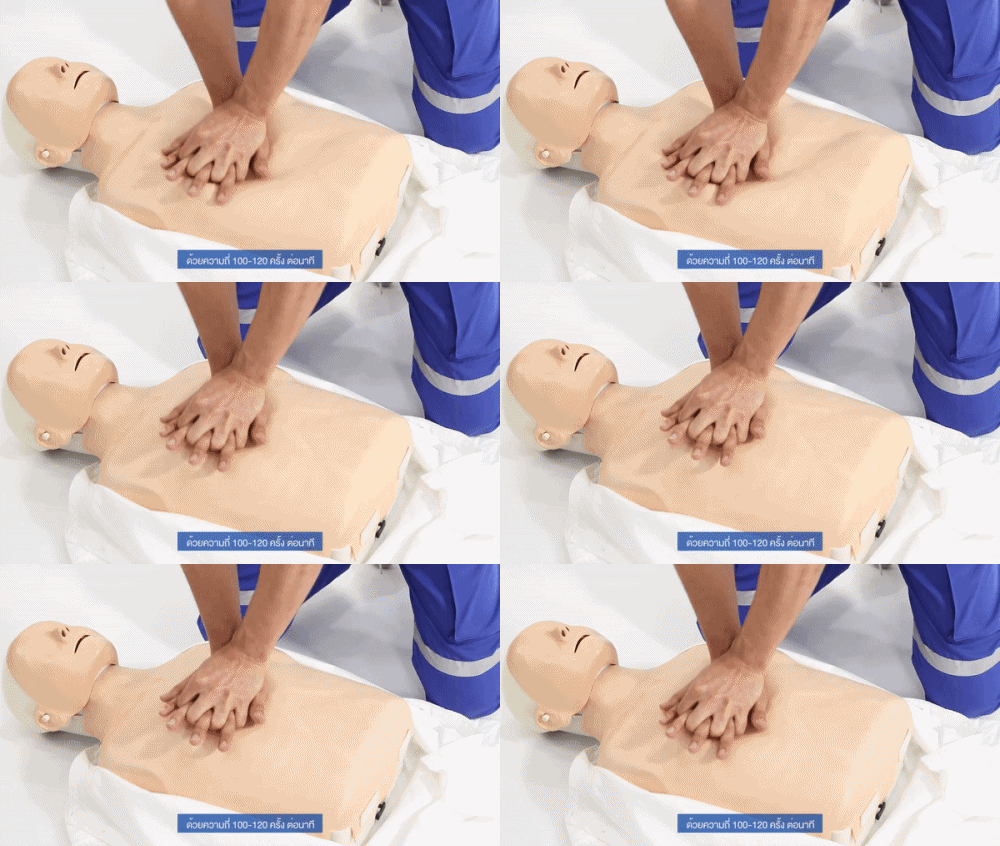
- Action: For clients with severe cardiac histories, the first responder is usually the person sleeping down the hall. Family members residing with clients at high risk for sudden cardiac arrest should complete formal cardiopulmonary resuscitation training.
The Final Word
You see, home safety isn't just a checklist of chores. It is the beautiful, rigorous application of physics, anatomy, and chemistry to protect human life. By looking at the home through this analytical lens, you can engineer an environment that perfectly supports the specific, physiological deficits of your client. Now, go out there and observe!