Informed Consent
Not sure you’re ready?
Take the ~3-minute readiness diagnostic and see where you stand.
The Anatomy of Informed Consent: A Masterclass in Patient Autonomy
Welcome to the intersection of medicine, law, and human rights. If you want to understand the modern healthcare system, you must first understand the bedrock principle that governs it: autonomy.
Medicine is not a dictatorship; it is a partnership. In the old days, doctors told patients what to do, and patients simply did it. We call that paternalism, and it is entirely obsolete. Today, we operate under a profound legal and ethical framework where every individual has absolute sovereignty over their own body.
This brings us to informed consent. It is not just a signature on a piece of paper. It is a legal process protecting a client's right to self-determination in healthcare decisions. If you touch a patient without it, it isn't healthcare—it's battery.
As a registered nurse, your role in this process is immensely powerful. You are the ultimate safeguard, the human lie-detector, and the tireless advocate. Let’s break down exactly how this works, who is responsible for what, and the myriad of exceptions you will absolutely see on the NCLEX-RN.
To understand informed consent, I want you to imagine a construction project. The healthcare provider (the physician, surgeon, or advanced practitioner) is the Architect. They designed the plan. The registered nurse is the Building Inspector. You don't draw the blueprints, but you make absolutely sure the foundation is solid before anyone starts hammering.
The Healthcare Provider's Duty (The Architect)
The healthcare provider performing the medical procedure holds the absolute legal responsibility for obtaining informed consent.
They cannot pass the buck. They cannot ask the nurse to "go get the consent sorted out." The provider must personally sit down with the client and explicitly explain six critical elements:
- The nature of the proposed procedure (What are we actually doing?).
- The purpose of the proposed procedure (Why are we doing it?).
- The potential risks of the proposed procedure (What could go terribly wrong?).
- The potential benefits of the proposed procedure (How will this help?).
- The available alternatives to the proposed procedure (What else could we try instead?).
- The medical risks of refusing the proposed procedure (What happens if we do nothing?).
The Registered Nurse's Duty (The Inspector)
So, what do you do? The registered nurse acts as a witness to the client signing the informed consent document. But "witnessing" does not mean simply watching ink dry. It is a highly active, critical assessment.
When you witness a consent form, you are legally verifying five distinct things:
- Identity: You verify the client's identity.
- Authenticity: You verify the signature actually belongs to the client.
- Voluntariness: You verify that the client gave consent voluntarily without coercion. (If the husband is standing over the wife saying, "You are getting this surgery," that is coercion).
- Competence: You verify that the client appears competent to give informed consent.
- Comprehension: You assess the client's understanding of the information provided by the healthcare provider.
The Golden Rule of Nursing Consent: The registered nurse cannot initiate the initial explanation of a medical procedure for the purpose of informed consent. Furthermore, you must not provide new medical information regarding the procedure's risks or benefits.
If the client looks at you and says, "Wait, what are the chances my vocal cords get paralyzed during this thyroidectomy?", you stop. You must notify the healthcare provider if the client has unanswered questions about the procedure. You must advocate for the client if they lack a clear understanding.
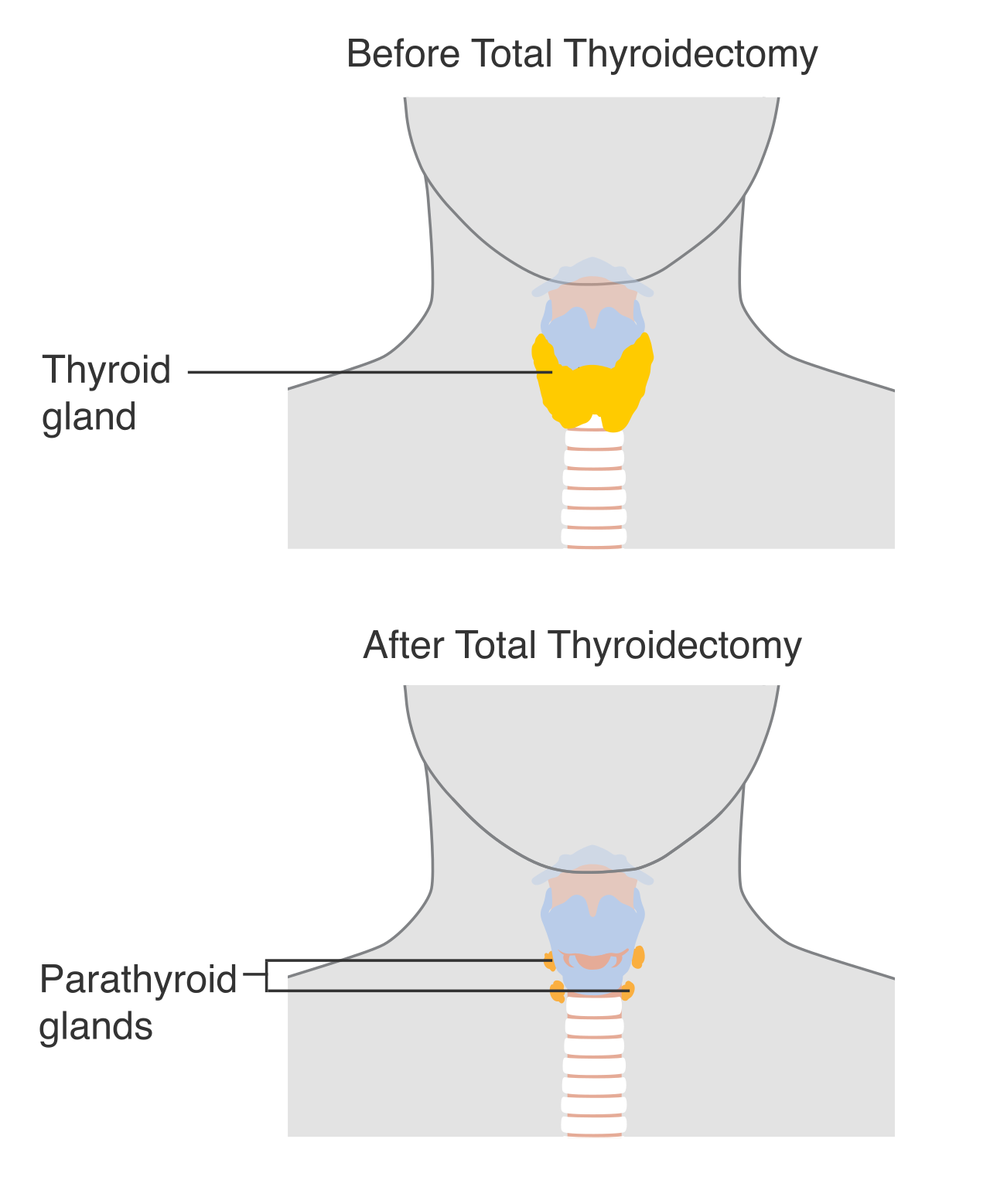
However, you are allowed to clarify prior factual information already provided by the physician during the informed consent process. (e.g., "Yes, as Dr. Smith mentioned, you will have a small drain in your neck after the surgery.")
Finally, it is your administrative duty to ensure that the signed informed consent form is actually placed in the client's medical record before the procedure begins.
A signature is only legally binding if the mind behind it is clear and the information was perfectly understood. Let's look at the hurdles that can invalidate consent.
Mental Capacity and Chemical Alteration
Informed consent explicitly requires the client to be mentally competent. A client diagnosed with severe dementia lacks the legal capacity to provide informed consent. But what about temporary impairment?

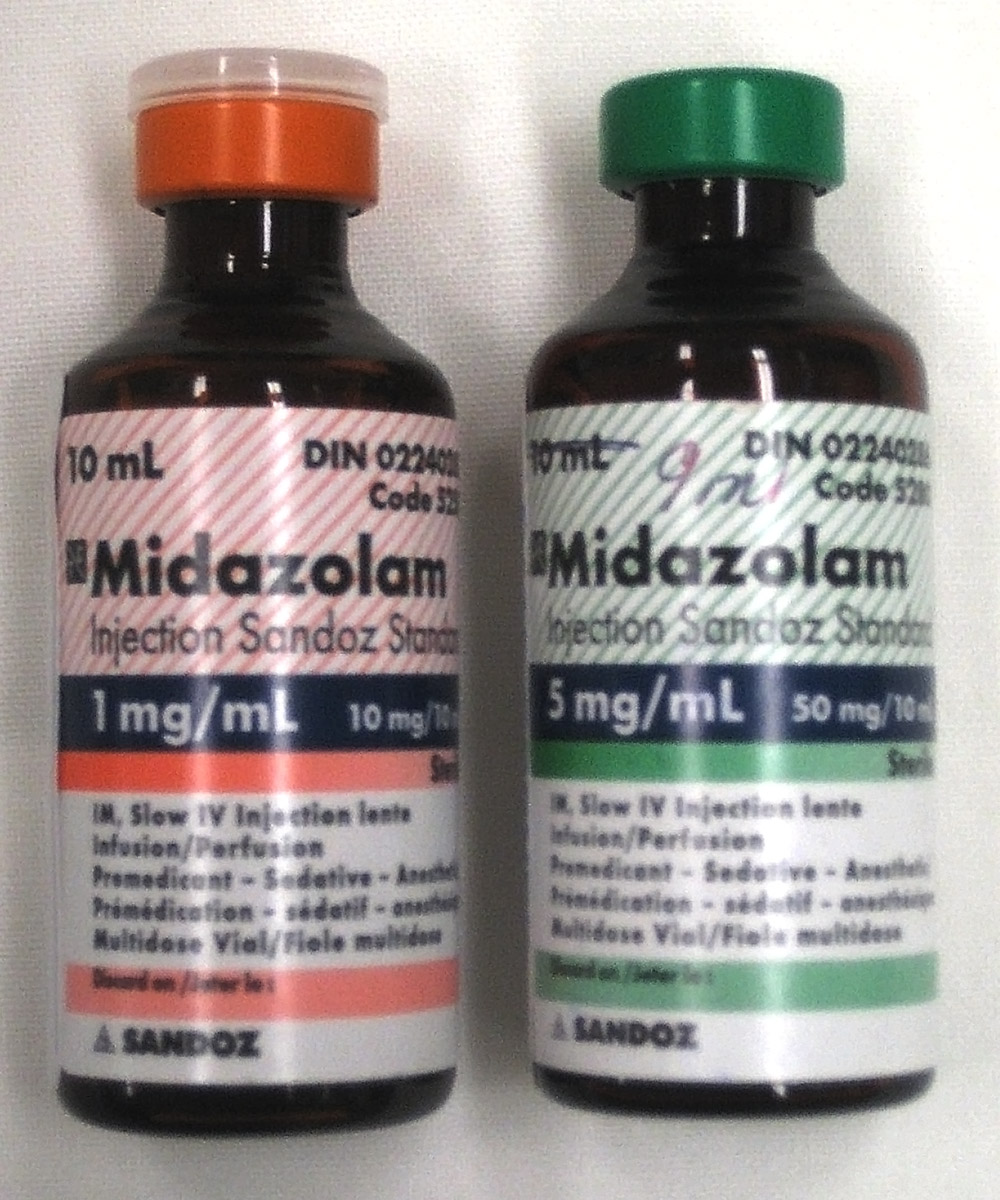
If a client is chemically altered, their cognitive foundation is compromised. Therefore, a client under the influence of central nervous system depressants, opioids, or sedatives cannot legally give informed consent.
NCLEX Application: You are prepping a patient for surgery. Do you give the preoperative Midazolam (Versed) first, or have them sign the consent first? You must ensure the client signs the informed consent form before receiving preoperative sedatives. If they sign after the meds are given, the consent is legally void.
Illiteracy and Physical Disability
What happens if the client’s mind is perfectly sharp, but they cannot physically write their name? Are they stripped of their autonomy? Absolutely not.
- A client with a physical disability that prevents writing can legally sign a consent form with a physical mark.
- A client who is illiterate can legally sign an informed consent form with a mark such as an 'X'.
The Catch: Because an 'X' is easily forged, the law demands extra security. An informed consent form signed with an 'X' by an illiterate or disabled client typically requires two nurse witnesses rather than one.

The Language Barrier
Imagine trying to consent to brain surgery in a language you don't speak. It's impossible.
- Written informed consent materials must be provided in the client's primary language.
- Written educational materials provided during the consent process must be written at a reading level the client can understand (usually a 5th to 6th-grade reading level).
When a client speaks a different language, a trained medical interpreter must be used to translate informed consent information. If an in-person medical interpreter is unavailable, the healthcare facility must use an approved telephone interpreter service.
Crucial Warning: Family members must not be used to translate informed consent information for a client. Why? Because Uncle Joe might purposefully leave out the terrifying risks of a procedure because he doesn't want to scare his mother. A medical interpreter is a neutral, legally bound conduit of exact information.
When a client cannot consent for themselves, who holds the pen?
Adult Consent and Surrogacy
A competent adult aged 18 or older can legally provide informed consent for their own medical care. But if that adult is incapacitated, we look to the hierarchy of surrogacy:
| Surrogate Type | When do they step in? |
|---|---|
| Legally Appointed Guardian | Provides informed consent for a client who has been declared legally incompetent by a court of law. |
| Designated Healthcare Proxy | Can provide informed consent if an adult client loses the capacity to make medical decisions. This specific person is identified in a legal document known as a durable power of attorney for healthcare. |
| Family Hierarchy | If there is no appointed proxy or guardian, state laws define a specific hierarchy of family members authorized to provide consent. |
How does the state hierarchy work? A legal spouse is typically the first person authorized to provide consent for an incapacitated adult lacking a healthcare proxy. If there is no spouse (or they are unavailable), adult children are typically authorized next to provide consent for an incapacitated parent.
Navigating the Maze of Minors
Minors (under 18) are generally considered legally incompetent to make complex medical decisions. Thus, parents provide informed consent for the medical treatment of their unemancipated minor children.
But there are fascinating, highly tested exceptions where minors gain the power of autonomy!
Exception 1: The Emancipated Minor An emancipated minor can legally provide informed consent for their own medical care, bypassing the parents entirely. How does a minor become emancipated? Aside from a direct court order, a minor who is legally married or a minor serving in the active military is automatically considered an emancipated minor for the purpose of giving informed consent.
Exception 2: Protected Independent Treatments Public health law recognizes that if we require parental consent for certain sensitive issues, minors simply won't seek treatment, leading to public health crises. Therefore, unemancipated minors can independently consent to:
- Medical treatment for sexually transmitted infections (STIs).
- Medical treatment for substance abuse.
- Prenatal medical care (a 16-year-old pregnant female consents to her own obstetric care).
- Family planning services (access to contraception).

Medicine does not happen in a vacuum. Sometimes, getting a signature is physically impossible, but action is morally and medically imperative.
Implied Consent (The Emergency Exception)
If a client is bleeding out from a car crash and unconscious, we do not wait for a surrogate to arrive. We rely on Implied Consent.

Implied consent occurs in emergency situations where a client is physically unable to give explicit consent. It legally applies only when immediate treatment is required to:
- Save the life of an incapacitated client.
- Prevent severe bodily harm to an incapacitated client.
Under these strict conditions, healthcare providers can legally proceed with life-saving emergency care without written consent.
Telephone Consent
What if the patient is a minor needing urgent (but non-life-threatening) surgery, and the parents are out of state? We use telephone consent.
A registered nurse can witness a verbal informed consent obtained over the telephone from a surrogate. However, because we cannot physically see the person on the other end of the line, telephone informed consent typically requires a second nurse to listen to the call and verify the verbal agreement. Both nurses will then sign the consent form as witnesses to the telephone conversation.
Finally, we must talk about the power of "No." Consent is not a trapdoor; it is a revolving door.
- A client has the legal right to refuse a medical procedure at any time, even if it will result in their death (provided they are competent and the risks of refusal have been explained by the provider).
- A client has the legal right to withdraw previously given consent at any time before the procedure begins.
If a client is on the stretcher rolling into the operating room, having signed all the forms, and suddenly says, "I've changed my mind, I don't want this surgery," the wheels stop. You halt the transport, ensure the patient is safe, and notify the physician immediately.

Summary
Informed consent is the ultimate expression of human autonomy in healthcare. The provider builds the case; you, the nurse, inspect the foundation. You protect the vulnerable from coercion, you ensure clarity across language and literacy barriers, and you stand as the unwavering advocate for the patient's right to choose—or refuse—their own path to healing.