Information Technology
Not sure you’re ready?
Take the ~3-minute readiness diagnostic and see where you stand.
Welcome! Let's talk about the intersection of human beings, machines, and information.
When you step onto the nursing floor, you are not just a caregiver; you are an operator within a massive, interconnected network of data. We live in an era where the stroke of a keyboard can save a life, and a misplaced decimal point can end one. The modern healthcare environment relies heavily on Information Technology (IT) to manage client care securely. But the machines are only as good as the humans operating them.
Let's break down the fascinating ecosystem of electronic health records, provider orders, and the invisible digital safety nets that surround your patients. We are going to explore the why behind the rules so you don't just memorize them—you understand them in your bones.
How does an idea in a doctor's head become a pill in a patient's hand? Through the communication of orders. In the past, this meant deciphering terrible handwriting. Today, we rely on digital infrastructure, but human vigilance remains the ultimate filter.
The Beauty of CPOE
One of the greatest inventions in modern medicine is the Computerized Provider Order Entry (CPOE) system. Why? Because Computerized Provider Order Entry systems reduce medication transcription errors. You no longer have to guess if that scribble is Celebrex or Celexa.
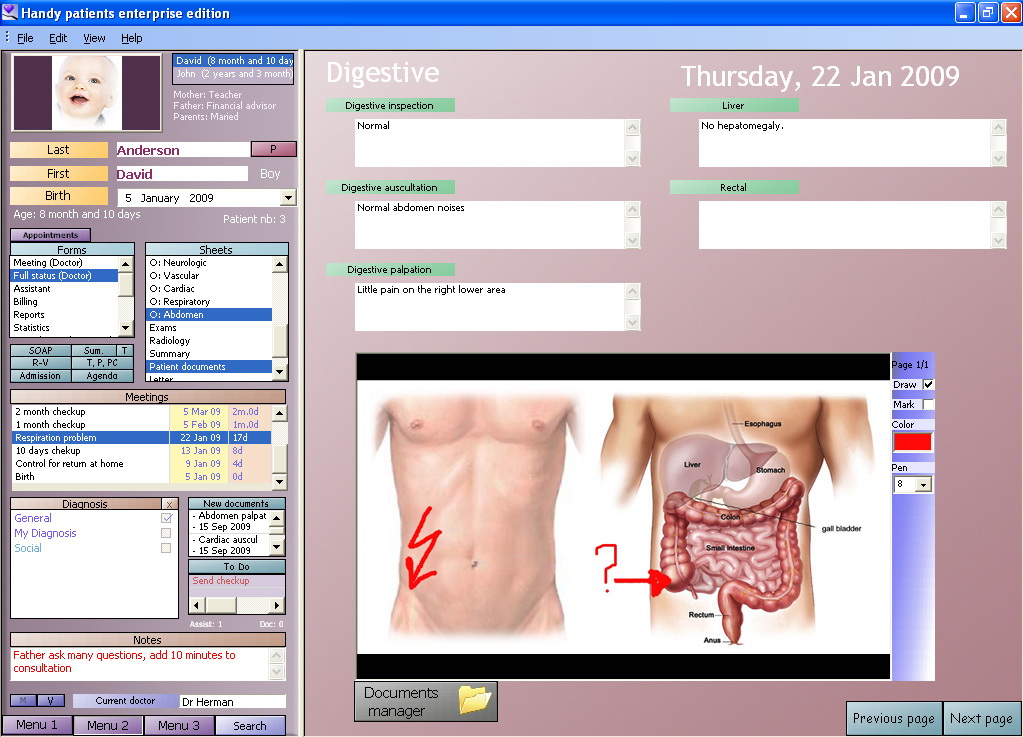
However, technology isn't perfect. If a provider accidentally clicks 100mg instead of 10mg, the computer won't stop them. Therefore, nurses must verify the accuracy of all health care provider orders before implementation. You are the final, critical checkpoint. If something looks strange, do not guess! Nurses must clarify any ambiguous health care provider orders directly with the prescribing provider.
The Game of Telephone (and Verbal Orders)
Sometimes, the provider isn't near a computer. They call you. Taking a telephone order is fundamentally playing the child's game of ""Telephone""—a game famous for how easily messages get distorted.
To eliminate this danger, we use a rigid, unbending process:
- Write it down: Telephone orders require the receiving nurse to write the complete order down.
- Read it back: Telephone orders require the receiving nurse to read the written order back to the prescribing provider.
Why this exact sequence? Because the read-back process for telephone orders confirms the accuracy of the transcribed order. It forces both brains to process the information a second time.
Once confirmed, telephone and verbal orders must be documented directly into the electronic health record.
Now, a critical distinction: a provider shouting an order from down the hall is a verbal order. Verbal orders should only be accepted during emergency situations (like a Code Blue). If it's not a life-or-death emergency, they need to enter it into the CPOE themselves or call you formally.
The 24-Hour Rule: You've entered the order, but the legal loop isn't closed. Health care providers must electronically sign verbal and telephone orders within a facility-specified timeframe. While times can vary slightly by institution, many healthcare facilities require providers to sign verbal and telephone orders within 24 hours of issuance.
Healthcare information is highly sensitive. The moment you log into an Electronic Health Record (EHR), you are holding a person's deepest vulnerabilities in your hands.
We protect this data through two massive legal frameworks:
- HIPAA: The Health Insurance Portability and Accountability Act mandates the protection of electronic protected health information (ePHI). This is the foundational law of healthcare privacy.
- HITECH: As technology exploded, HIPAA needed digital reinforcements. The Health Information Technology for Economic and Clinical Health (HITECH) Act expands privacy and security provisions for electronic health records. HITECH brought stricter penalties and closed loopholes for digital data sharing.
The Invisible Footprints: Audit Trails
Imagine the EHR as a giant mansion. Your login credentials are the keys, and every time you unlock a door, you leave a glowing footprint. Facilities track electronic health record access through unique user login audit trails.
These machines never sleep, and they never forget. Audit trails identify unauthorized viewing of protected health information by staff members.
Because of this, we have strict rules of engagement:
- Stay in your lane: Nurses may only access the electronic health records of clients currently assigned to their care. If you are curious why your neighbor was admitted to the ER, suppress that curiosity. Accessing the electronic health record of an unassigned client is a privacy violation and a quick way to lose your license.
- Protect your keys: Nurses must never share personal electronic health record login credentials with colleagues. Not even if they are in a rush. Not even if it's the charge nurse.
- Lock the doors: Nurses must log off the computer terminal immediately after completing documentation. Furthermore, nurses must not leave computer screens displaying protected health information visible to unauthorized individuals. (This includes angling screens away from hallway windows!).
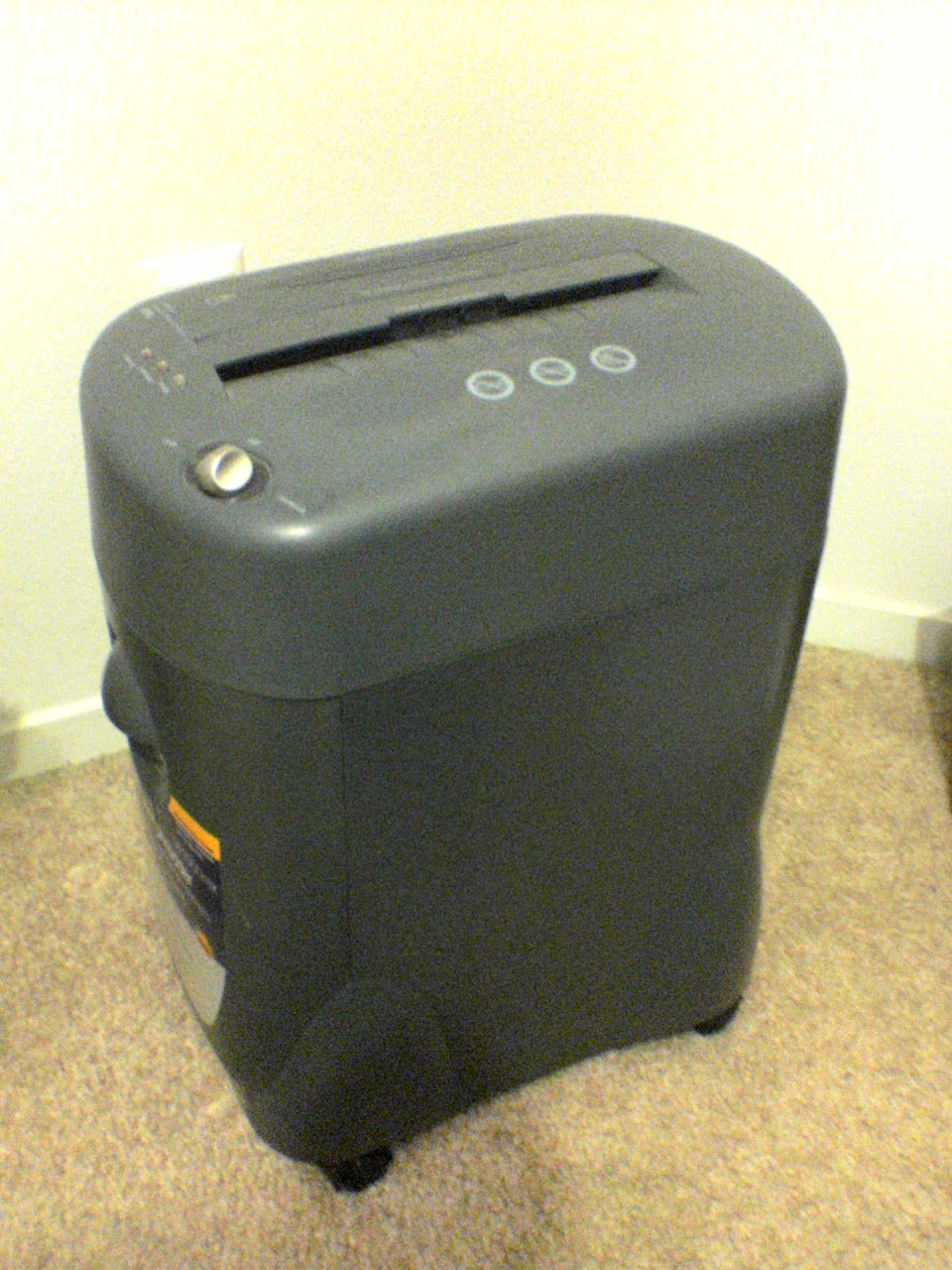
And what about the physical world? If you print a patient's lab results, it doesn't go in the trash. Printed documents containing protected health information must be disposed of in designated secure shredding bins.
In nursing, there is a famous axiom: "If it wasn't documented, it wasn't done." But how and when you document matters just as much as what you document.
Time is of the Essence
Your documentation tells the story of your patient in linear time. Therefore, nursing documentation must be entered into the electronic health record in real-time or immediately after care delivery.
Why the urgency? Because human memory is incredibly fallible. Delayed documentation in the electronic health record increases the risk of omission errors. You will forget a vital sign or a specific symptom if you wait until the end of a 12-hour shift.
Crucial Warning: Never try to get ahead of the clock. Documenting care prior to actually performing the intervention constitutes nursing fraud. It is illegal, unethical, and incredibly dangerous.
The Science of Objectivity
When you write in a chart, you are acting as a scientist making observations. Electronic documentation must contain objective and factual observations. You report what you see, hear, measure, and smell.
Nurses must avoid using subjective assumptions in electronic health record documentation.
| ❌ Subjective Assumption (Do Not Use) | ✅ Objective Fact (Do Use) |
|---|---|
| "Client is angry and uncooperative." | "Client threw his water cup at the wall and refused to take medication." |
| "Client's wound looks infected." | "Wound bed is red, swollen, draining 20 mL of purulent yellow exudate." |
Fixing Errors (The Right Way)
We all make mistakes. You type "100 mL" instead of "10 mL." In the era of typewriters, people used correction fluid. In the digital era, you might be tempted to hit backspace. Do not do this.
For legal transparency, the original story must remain intact. Original electronic health record entries must never be deleted to correct an error. Instead, an addendum must be created to correct an error in a previously submitted electronic health record entry.

What if you genuinely forgot to document something earlier in the shift? You can still write it, but late documentation entries must be clearly identified as late entries within the electronic health record. Honesty and transparency are your ultimate shields.
Let's talk about the specific tools designed to catch you before you fall.
Before you type a single word into a patient's chart, how do you know you are in the right chart? Nurses must verify the client identity using two identifiers before entering data into the electronic health record. (Usually name and Date of Birth).
Barcodes and Safety Nets
When it comes to pharmacology, the IT ecosystem truly shines. We use Barcode medication administration (BCMA) systems [which] integrate with electronic health records to verify the correct client and medication. You scan the patient's wristband, you scan the drug, and the computer confirms a match.
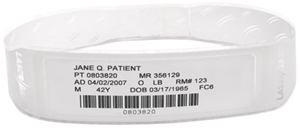
But what if the computer gives you an angry red error screen? You don't just blindly bypass it! Nurses must manually override a barcode medication administration alert only after verifying the cause of the discrepancy. Perhaps the pharmacy sent the wrong dose, or perhaps the patient's wristband is smudged. You investigate first, override second.
The EHR will also try to warn you about the chemistry of the drugs themselves. Nurses must review computer-generated alerts for medication interactions before administering drugs. If a pop-up warns you that combining Drug A and Drug B will cause profound hypotension, stop and call the provider.
Once the medication is safely given, documentation of medication administration must occur immediately after the client receives the medication. Do not pre-document it, and do not document it an hour later.
The Big Picture: Why We Click the Boxes
Have you ever wondered why EHRs force you to use specific drop-down menus instead of just letting you type whatever you want? It’s because free text is messy, and computers need structure.
By using standardized language (like NANDA, NIC, or NOC), we turn your daily nursing care into searchable data. Standardized nursing terminologies within electronic health records improve data retrieval for research and quality improvement. Every time you click those structured boxes, you are contributing to a massive database that researchers use to discover new ways to save lives tomorrow!
Summary Checklist for the NCLEX-RN
To wrap it up, when the NCLEX tests you on Information Technology, remember these core Feynman principles:
- You are the final filter: CPOEs, BCMAs, and computer interaction alerts are amazing, but you are the human verifying accuracy, overriding with caution, and clarifying ambiguities.
- Verify the loop: Telephone orders = Write down + Read back + Document + HCP signs (usually within 24hrs). Verbal orders = Emergencies only.
- Guard the data: HIPAA and HITECH mean you only access assigned clients. Protect your screen, protect your password, log out, and shred your paper. The audit trail is always watching.
- Be a precise historian: Document strictly in real-time, objectively, and accurately. Identify late entries, use addendums to fix errors (never delete!), and absolutely never document before the act.
Information technology isn't just an administrative chore. It is the invisible nervous system of the hospital. When you respect its rules, you harness its power to keep your clients unimaginably safe. Now, go out there and be brilliant!