Medical Emergencies
Not sure you’re ready?
Take the ~3-minute readiness diagnostic and see where you stand.
The Physics of Survival: Mastering Medical Emergencies
Welcome to the chaotic, high-stakes, absolutely fascinating world of medical emergencies. Here is the beautiful, brutal truth: when a human body crashes, biology takes a backseat to basic physics, fluid dynamics, and electricity. If you understand the mechanics of the pump, the pipes, and the wiring, you can save a life. You won't just be memorizing algorithms today; you're going to learn why we do what we do.
Let's dive in and learn how to keep the machine running.
When a patient’s heart stops, you are no longer just a nurse—you are the patient's artificial heart and lungs. You are the pump.
The Mechanics of Basic Life Support (BLS)
The old "ABCs" have been updated because we realized something critical about physics: having oxygen in the lungs is useless if there’s no pressure to push it to the brain. Therefore, the sequence for Basic Life Support is Compressions, Airway, Breathing (CAB).
To act as an effective human pump, your mechanics must be flawless:
- Rate: Cardiopulmonary resuscitation compressions for an adult must be performed at a rate of 100 to 120 compressions per minute. Any slower, and you don't build enough pressure. Any faster, and you're just vibrating the chest.
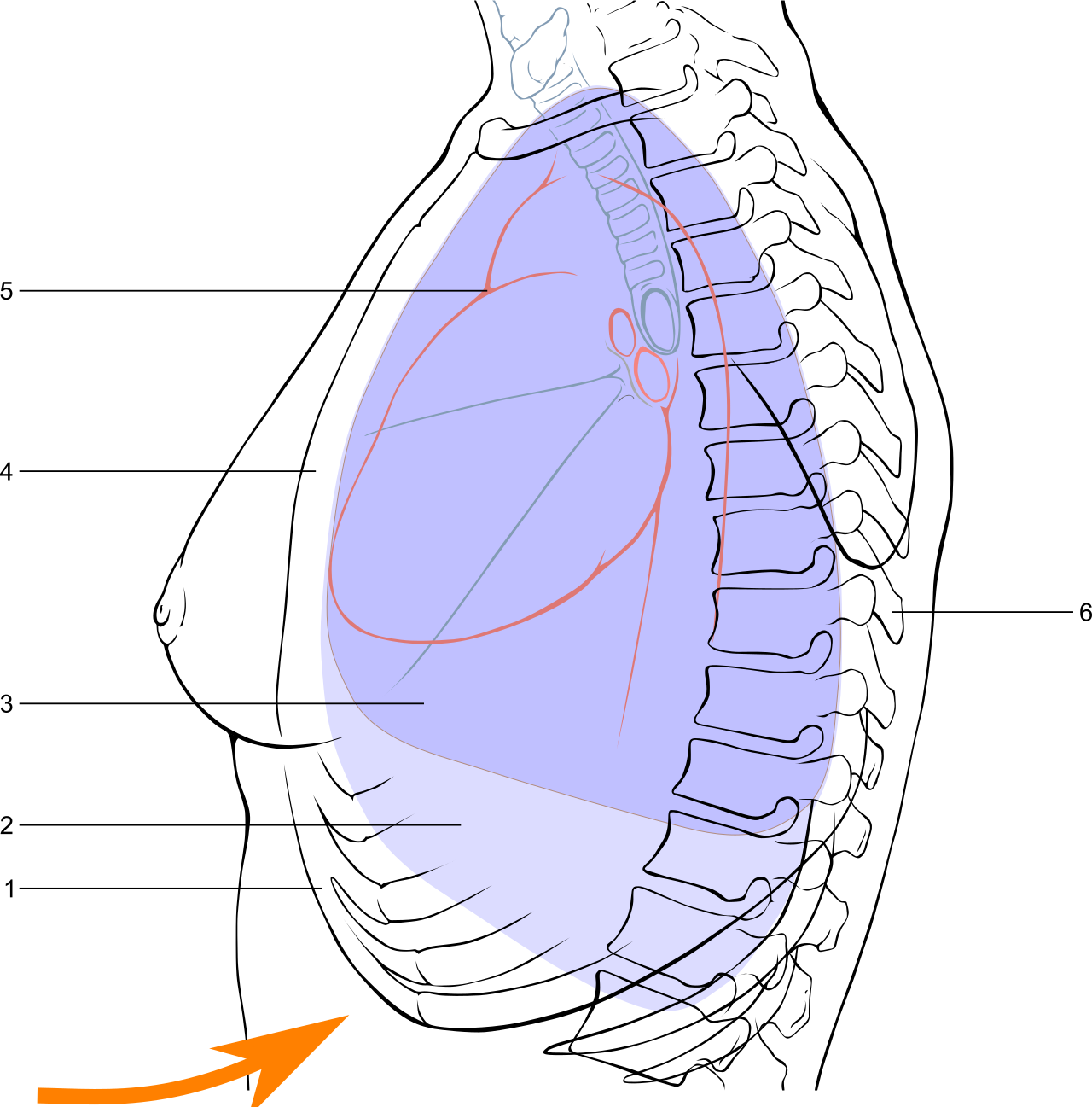
- Depth: Cardiopulmonary resuscitation compressions for an adult must be at least 2 inches deep. You are literally squeezing the heart between the sternum and the spine.
- Recoil: This is the most forgotten step. Think of a rubber turkey baster. If you don't let it expand, it can't suck up fluid. Chest recoil during cardiopulmonary resuscitation allows the heart to refill with blood before the next compression. Do not lean on the chest!
Without an advanced airway in place, the correct compression-to-ventilation ratio for adult cardiopulmonary resuscitation without an advanced airway is 30 compressions to 2 breaths.
When delivering those breaths, don't blow like you're putting out a forest fire. Rescue breaths during cardiopulmonary resuscitation should be delivered over 1 second, and you know you've done it right when the rescue breaths during cardiopulmonary resuscitation produce visible chest rise.
Rebooting the Grid: Advanced Cardiac Rhythms
The heart’s electrical system can fail in a few distinct ways.
Sometimes, the heart’s pacemaker loses its mind. Instead of a coordinated squeeze, the heart muscle quivers like a bag of worms. This is ventricular fibrillation (VF) or pulseless ventricular tachycardia (pVT). Because the heart is still electrically active but totally chaotic, the initial intervention for ventricular fibrillation is immediate defibrillation. The same rule applies: the initial intervention for pulseless ventricular tachycardia is immediate defibrillation.
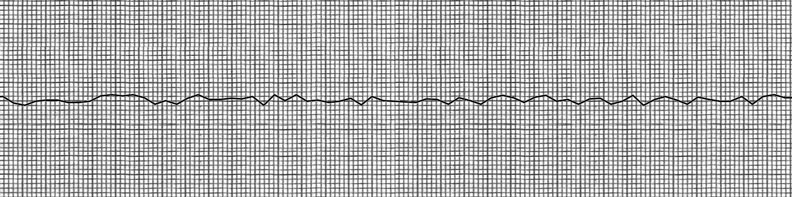
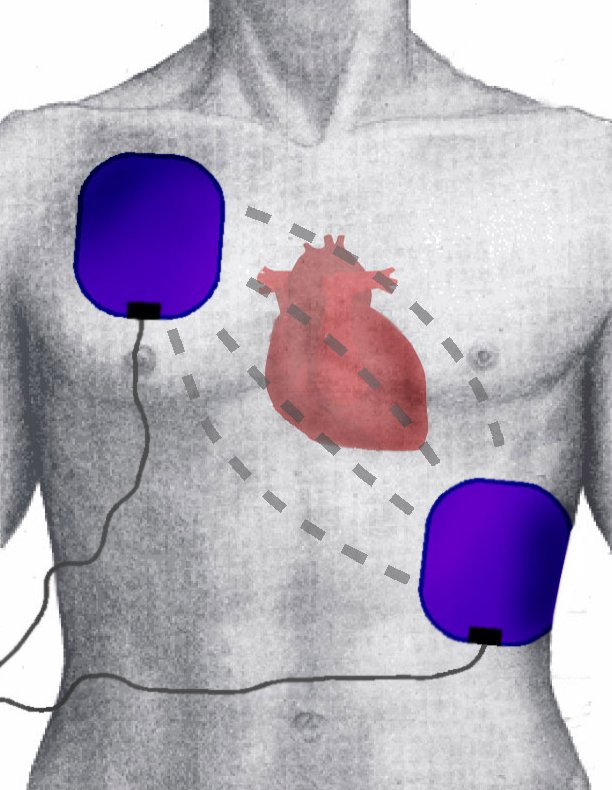
Why do we shock them? We aren't "jump-starting" the heart; we are doing the exact opposite. Defibrillation completely depolarizes the myocardium to allow the sinoatrial node to resume electrical pacemaking. It’s the physiological equivalent of a hard reset. You stop all the chaotic electricity so the SA node (the boss) can take over again.
Warning: The Un-Shockable Rhythms You cannot shock a heart that has no electrical activity, or a heart whose electricity isn't translating to muscle movement. Therefore, asystole is a non-shockable cardiac rhythm. Likewise, pulseless electrical activity is a non-shockable cardiac rhythm. For these, you rely entirely on high-quality CPR and pharmacology.

The Chemical Kick
While you pump the chest, we need to artificially clamp down the blood vessels to force blood to the brain and heart.
- Epinephrine is the primary medication administered during a cardiac arrest for any rhythm.
- The standard cardiac arrest dosage of intravenous epinephrine is 1 milligram every 3 to 5 minutes.
If you did shock the patient for VF, but the heart stubbornly refuses to reorganize its rhythm, we bring in the antiarrhythmics. Amiodarone is an antiarrhythmic medication used for ventricular fibrillation unresponsive to shock delivery.
The Aftermath: ROSC
How do you know your interventions worked? Return of spontaneous circulation (ROSC) is indicated by the restoration of a palpable pulse.
But the brain has just been through an ischemic nightmare. To prevent further inflammatory brain damage, we cool the engine down. Targeted temperature management is initiated after return of spontaneous circulation in comatose adult clients to optimize neurological recovery.
Airways are just fleshy tubes. When they block, air doesn't flow.
If a conscious adult has a complete upper airway obstruction (like a piece of steak), the abdominal thrust maneuver is the primary intervention for a conscious adult with a complete upper airway obstruction. We are using the residual air in their own lungs to pop the obstruction out like a cork from a champagne bottle.
When a patient is unconscious, their own anatomy is their worst enemy. The heavy, flaccid tongue falls backward. The head-tilt chin-lift maneuver opens the airway by displacing the tongue anteriorly away from the posterior pharynx.
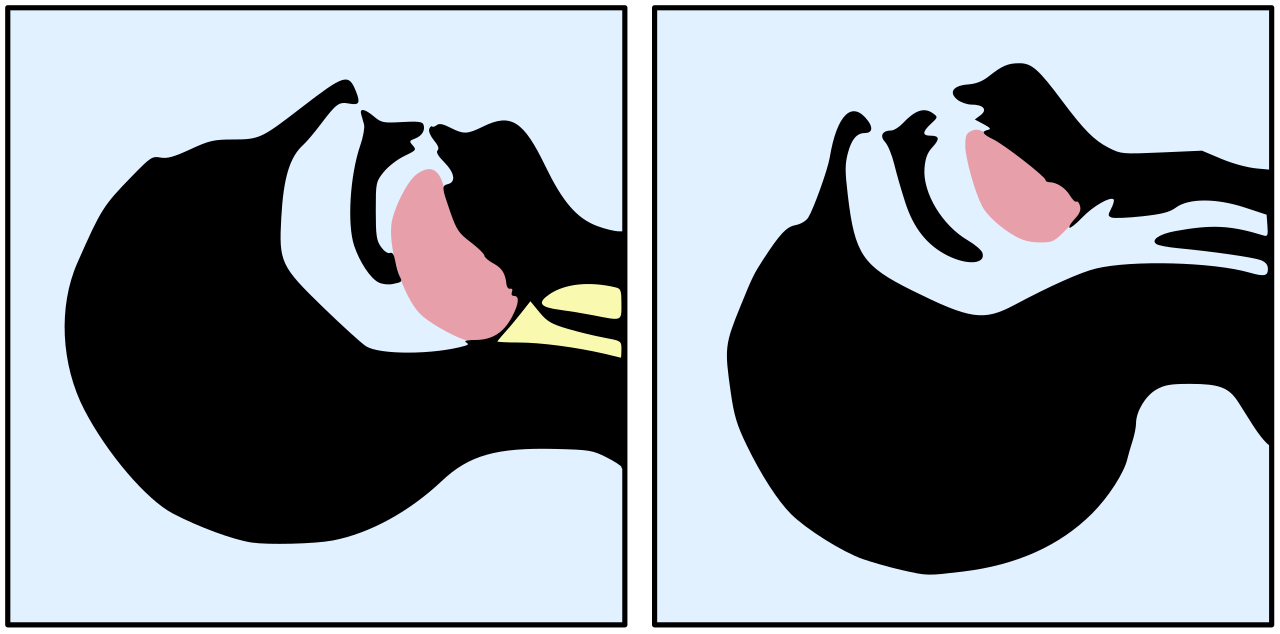
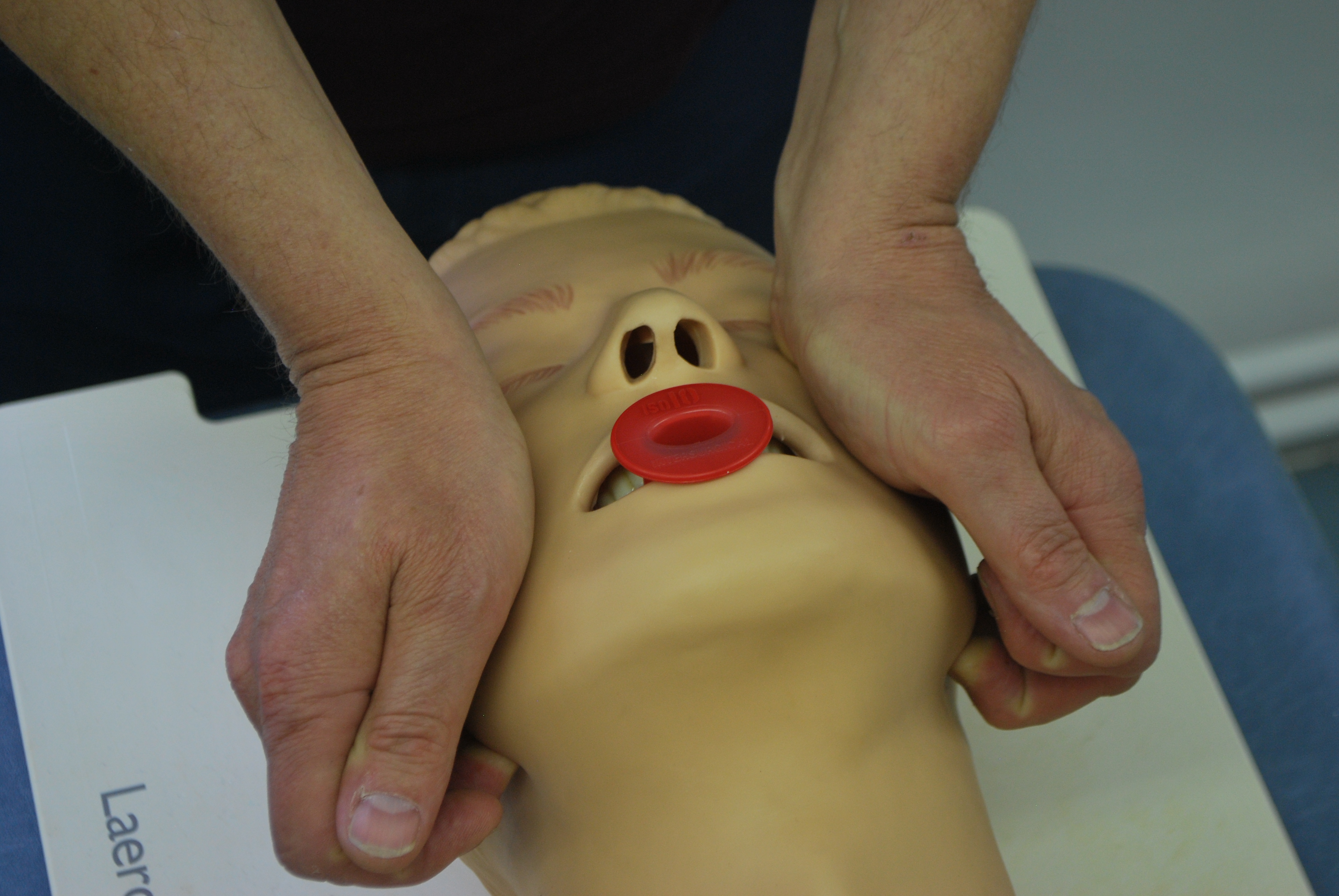
However, if trauma is involved, moving the neck could sever the spinal cord. Therefore, a client with a suspected cervical spine injury requires the jaw-thrust maneuver to open the airway. It lifts the tongue without bending the neck.
What if the airway is perfectly open, but the brain simply forgets to tell the lungs to breathe? This is the hallmark of an opioid overdose. Naloxone is the specific antidote administered for opioid-induced respiratory depression. It kicks the opioid off the brain's receptors, turning the respiratory drive back on.
The best way to manage a cardiac arrest is to prevent it from happening. Patients rarely crash without warning; they leave a trail of breadcrumbs in their vital signs. You must pull the alarm before the patient falls off the cliff.
| Vital Sign Parameter | Trigger for Rapid Response Team (RRT) |
|---|---|
| Heart Rate | A rapid response team should be called for acute changes in a client's heart rate below 40 beats per minute. |
| Heart Rate | A rapid response team should be called for acute changes in a client's heart rate above 130 beats per minute. |
| Blood Pressure | A rapid response team should be called for an acute change in a client's systolic blood pressure to below 90 millimeters of mercury. |
| Oxygenation | A rapid response team should be called for an acute drop in a client's oxygen saturation to below 90 percent despite oxygen supplementation. |
Shock is simply a failure of perfusion. The tissues are starving for oxygen because the delivery system has failed. Let's look at how the pipes can break.
1. The Pipes are Leaking (Hemorrhage & Hypovolemia)
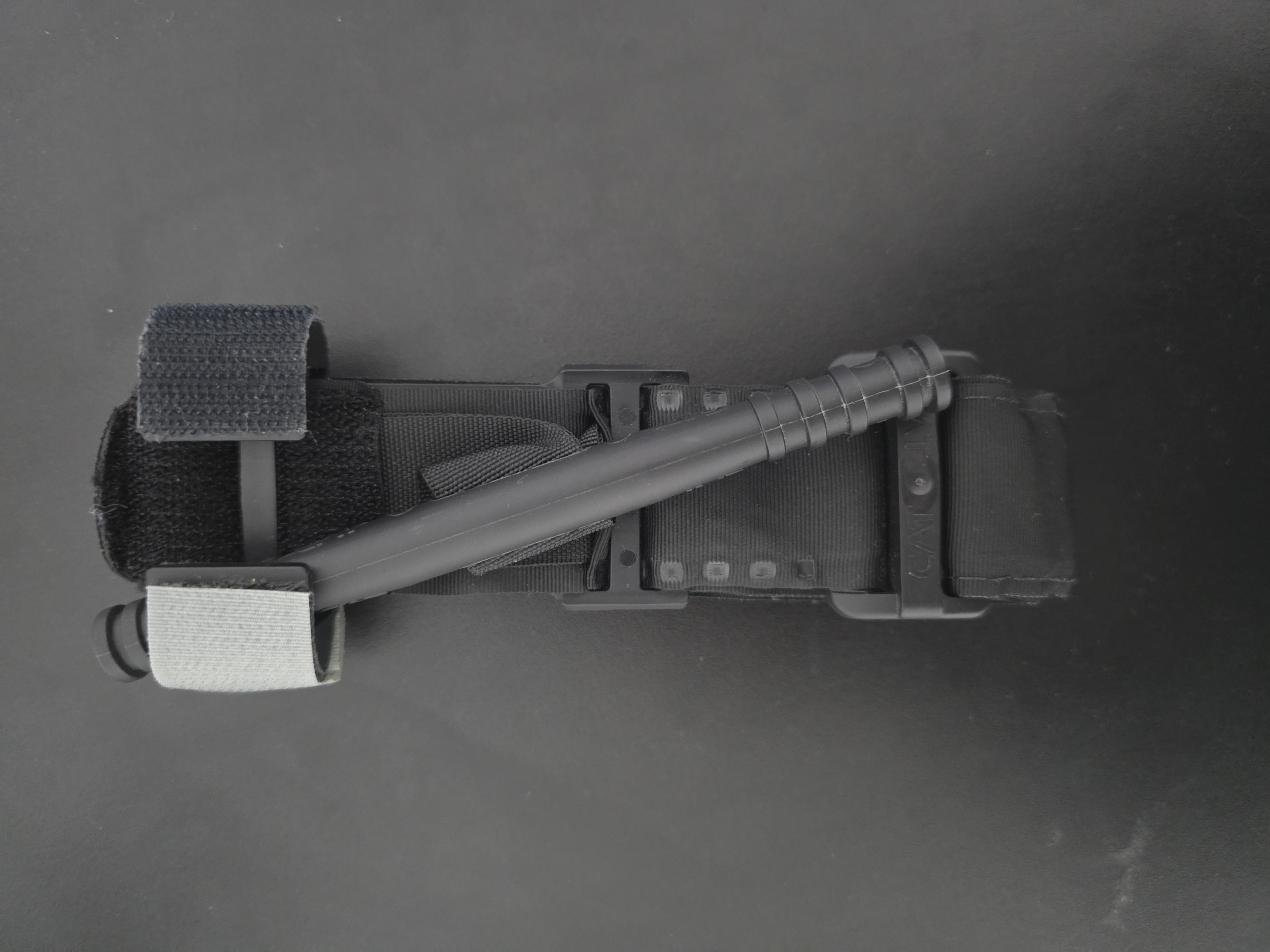
If the fluid is leaving the body, stop the leak! Direct pressure is the first-line intervention for controlling external hemorrhage. If the pipe is severed and pressure isn't enough, a tourniquet should be applied proximal to a bleeding site if direct pressure fails to control severe extremity hemorrhage.
Once the leak is plugged, you must refill the tank. Hypovolemic shock requires rapid administration of isotonic crystalloid intravenous fluids (like Normal Saline or Lactated Ringer's) to expand the intravascular volume.
2. The Pipes are Sabotaged (Anaphylactic Shock)
Anaphylaxis is a spectacular overreaction by the immune system. Histamine wreaks absolute havoc on the vascular physics. First, anaphylactic shock is characterized by massive systemic vasodilation—the pipes suddenly expand, causing blood pressure to plummet. Second, anaphylactic shock increases systemic capillary permeability—the pipes become leaky, shifting fluid out of the blood and into the tissues (causing swelling and airway closure).
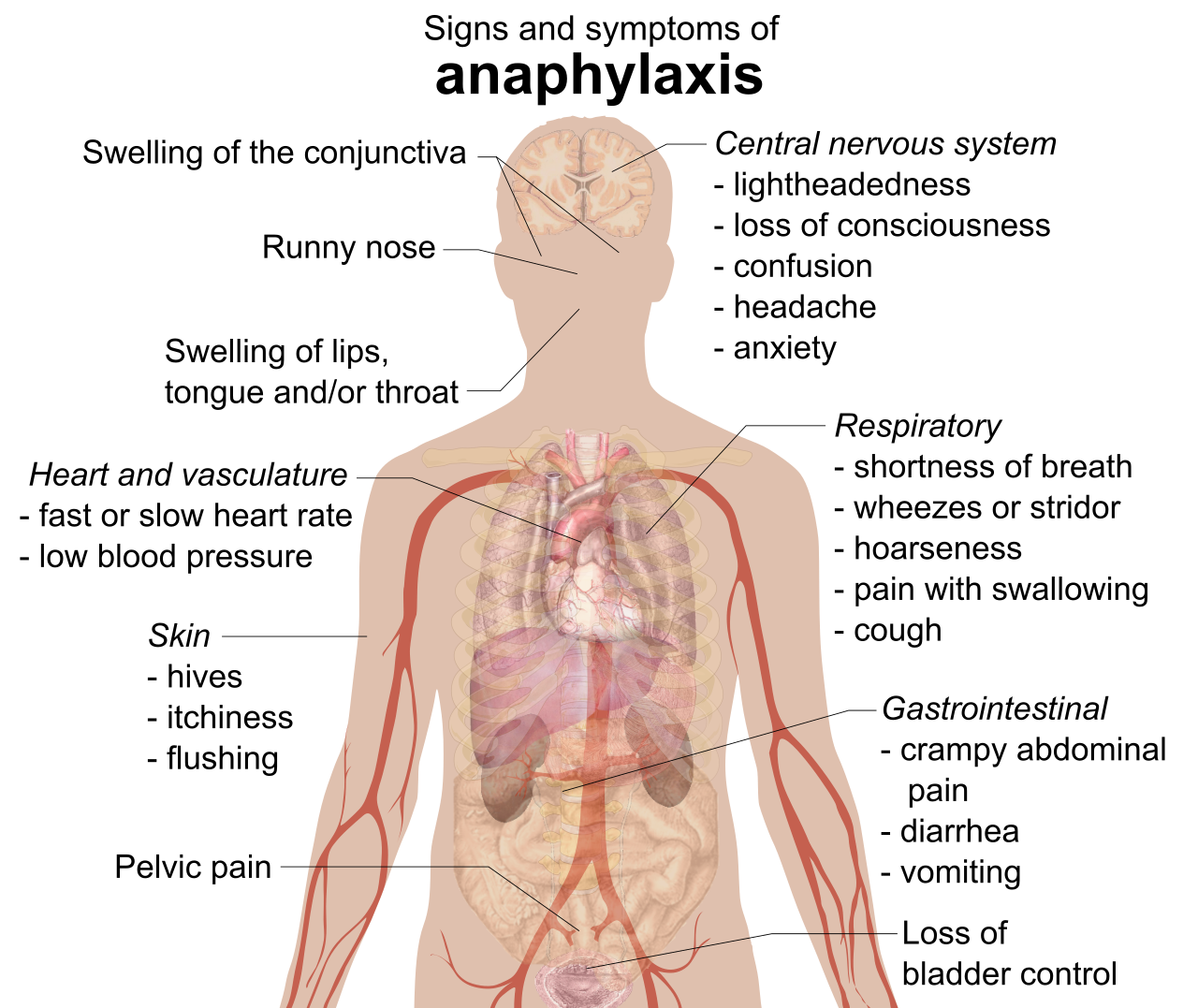
To counter this, we need a massive, immediate vasoconstrictor and bronchodilator.
- Intramuscular epinephrine is the first-line pharmacological treatment for anaphylaxis.
- It must be given in a massive muscle for rapid absorption: Intramuscular epinephrine for anaphylaxis should be administered in the mid-outer thigh.
- The standard adult dose of intramuscular epinephrine for anaphylaxis is 0.3 to 0.5 milligrams.
3. Squeezing the Pump (Obstructive Shock)
Sometimes the heart works fine, and there's plenty of blood, but physical pressure inside the chest prevents the heart from beating.
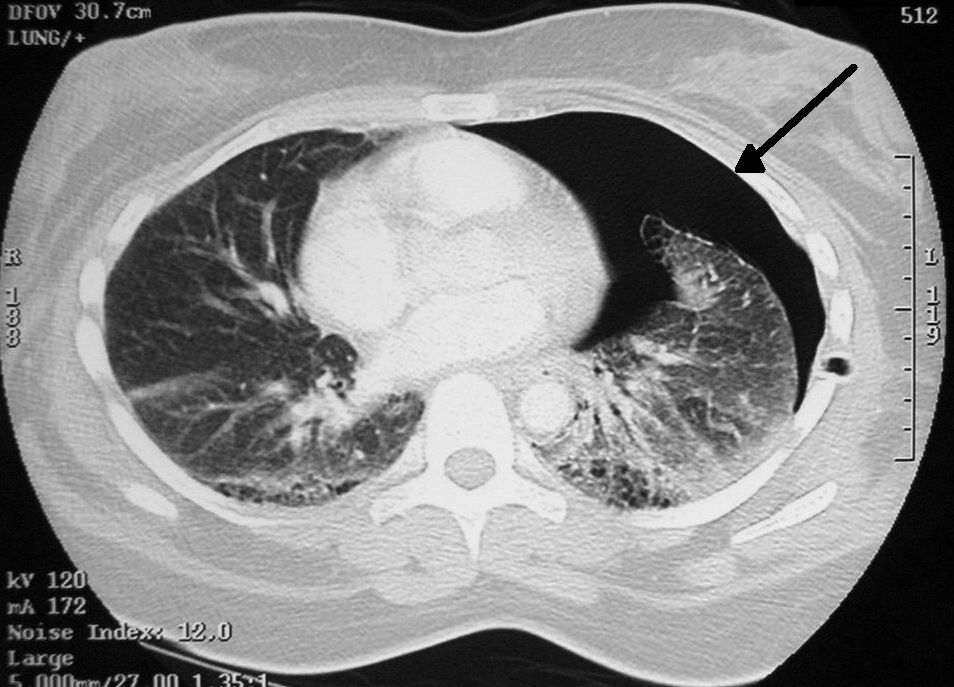
- Tension Pneumothorax: Air enters the pleural space but cannot escape, building immense pressure. This pressure crushes the heart and shifts the entire mediastinum. Tension pneumothorax is a life-threatening emergency characterized by tracheal deviation to the unaffected side of the chest. How do we fix it? Release the pressure. Needle decompression is the immediate emergency treatment for a tension pneumothorax.
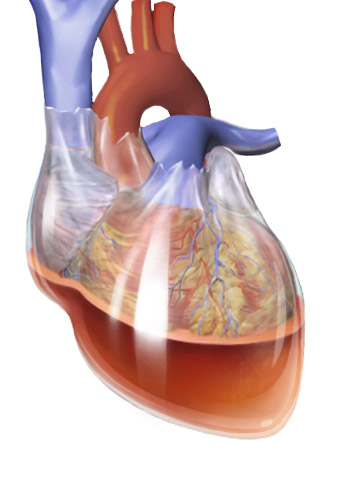
- Cardiac Tamponade: The sac around the heart fills with fluid, squeezing the heart so it cannot expand to fill with blood. This presents as "Beck's Triad":
- Cardiac tamponade is characterized by muffled heart sounds upon auscultation (you are listening through a layer of fluid).
- Cardiac tamponade is characterized by jugular venous distention (blood backs up into the neck because it can't enter the squeezed heart).
- Cardiac tamponade is characterized by severe hypotension (no blood in, no blood out).
If a cardiac arrest is a failure of the heart's electricity, a seizure is a chaotic lightning storm in the brain. Usually, they resolve. But when they don't, it becomes a dire emergency.
Status epilepticus is a medical emergency characterized by a continuous seizure lasting more than 5 minutes, OR status epilepticus is a medical emergency characterized by two or more seizures without complete recovery of consciousness between episodes. The brain is burning through oxygen and glucose at an unsustainable rate.
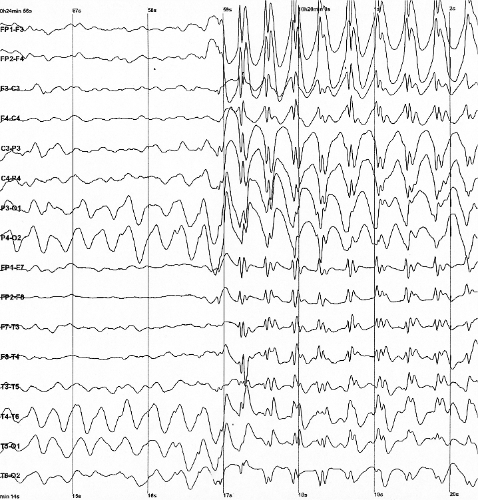
To halt the storm, we need rapid-acting central nervous system depressants:
- Intravenous lorazepam is a first-line pharmacological intervention to halt status epilepticus.
- Alternatively, intravenous diazepam is a first-line pharmacological intervention to halt status epilepticus.
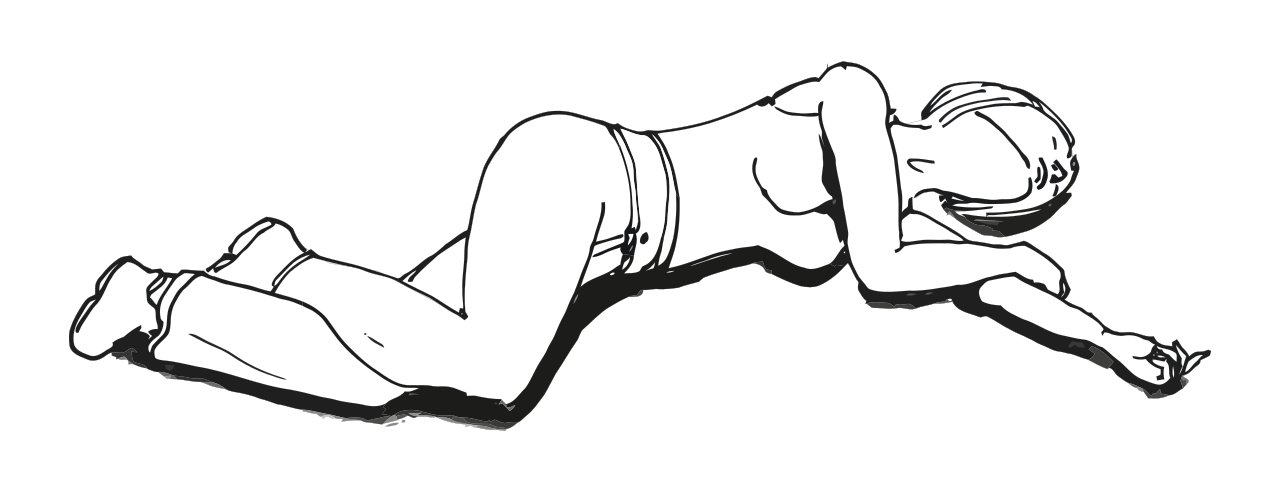
While pushing these meds, you must protect the patient's mechanics. Because they cannot control their secretions or tongue, a client experiencing a seizure must be placed in a side-lying position to maintain a patent airway. And despite old myths, nothing should be inserted into the mouth of a client actively experiencing a seizure—you will only cause broken teeth and severe airway obstructions.
In an emergency, bad communication is just as lethal as the wrong medication.
An unexpected client response during emergency treatment requires immediate notification of the primary health care provider using the Situation-Background-Assessment-Recommendation (SBAR) communication tool. Why do we use SBAR? Because the Situation-Background-Assessment-Recommendation framework standardizes communication among health care team members during critical events. It removes the fluff and delivers purely actionable, precise data—like a pilot talking to air traffic control.
Finally, if it wasn't documented, it never happened. When the dust settles, your medical record must be a flawless, time-stamped reflection of reality.
- Medical emergency documentation must include the exact time the emergency event was discovered.
- Medical emergency documentation must include the exact time cardiopulmonary resuscitation was initiated.
- Medical emergency documentation must include the exact names of all administered medications, and medical emergency documentation must include the exact dosages of administered medications.
- Crucially, you cannot just list what you did; you must note the physics of what happened next: Medical emergency documentation must record the client's physiological responses to each specific intervention.
When you look at medical emergencies through this lens—pressures, pumps, electricity, and clear communication—you stop being afraid of the chaos. You step into the room, assess the physics, apply the right intervention, and save the life. Now get back out there and study!