Pharmacological Pain Management
Not sure you’re ready?
Take the ~3-minute readiness diagnostic and see where you stand.
Welcome to the fascinating, infinitely complex puzzle of human pain management! Let’s think about pain for a moment. Pain is not just a symptom; it’s an urgent, electrical Morse code from the body screaming, “Pay attention to me!” As nurses, our job isn’t simply to throw chemicals at the nervous system until the screaming stops. Our job is to act like a master mechanic: we must decode the signal, choose precisely the right tool to fix it, deliver that tool perfectly, and then stand back to watch the system’s reaction.
If you just memorize a list of drugs, you’ll be a mediocre test-taker. But if you understand why the body interacts with these molecules the way it does, you will be a phenomenal, life-saving nurse. So, grab a cup of coffee, and let’s figure out how we manage pain safely, elegantly, and correctly for the NCLEX.
Before we even touch a medication vial, we have to interrogate the pain. You wouldn't try to fix a car engine without opening the hood, right?
A proper pain assessment includes evaluating location, intensity, quality, onset, duration, and aggravating or alleviating factors. We need the full picture. When a client has PRN (as needed) pain orders, we have to decide which medication is appropriate. How do we do that? We look at history. Human beings aren't carbon copies, so evaluating a client's prior response to specific analgesics guides the selection of PRN pain medications. If a patient tells you morphine makes them vomit violently, we pivot to another option!
Measuring the Invisible
Pain is completely subjective. We have to translate their subjective experience into objective data.
- Adults: For adults with intact cognition, the numeric rating scale evaluates pain intensity on a scale from 0 to 10. It's simple and reproducible.
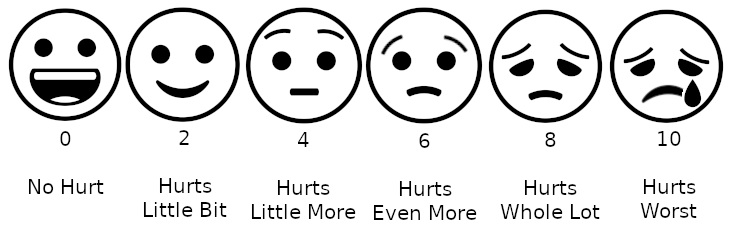
- Children: You can’t look at a four-year-old and ask, "On a scale of 0 to 10, how does your abdomen feel?" They don't conceptualize numbers that way. Instead, the Wong-Baker FACES Pain Rating Scale is utilized to assess pain intensity in children over the age of three. It translates the feeling into visual emotions they understand.
Once we know the intensity of the pain, we have to decide how to deliver the relief. The choice of pain medication route depends on the severity of pain, the client's cognitive status, and gastrointestinal function function. You can't give a pill to an unconscious patient or someone with an ileus!
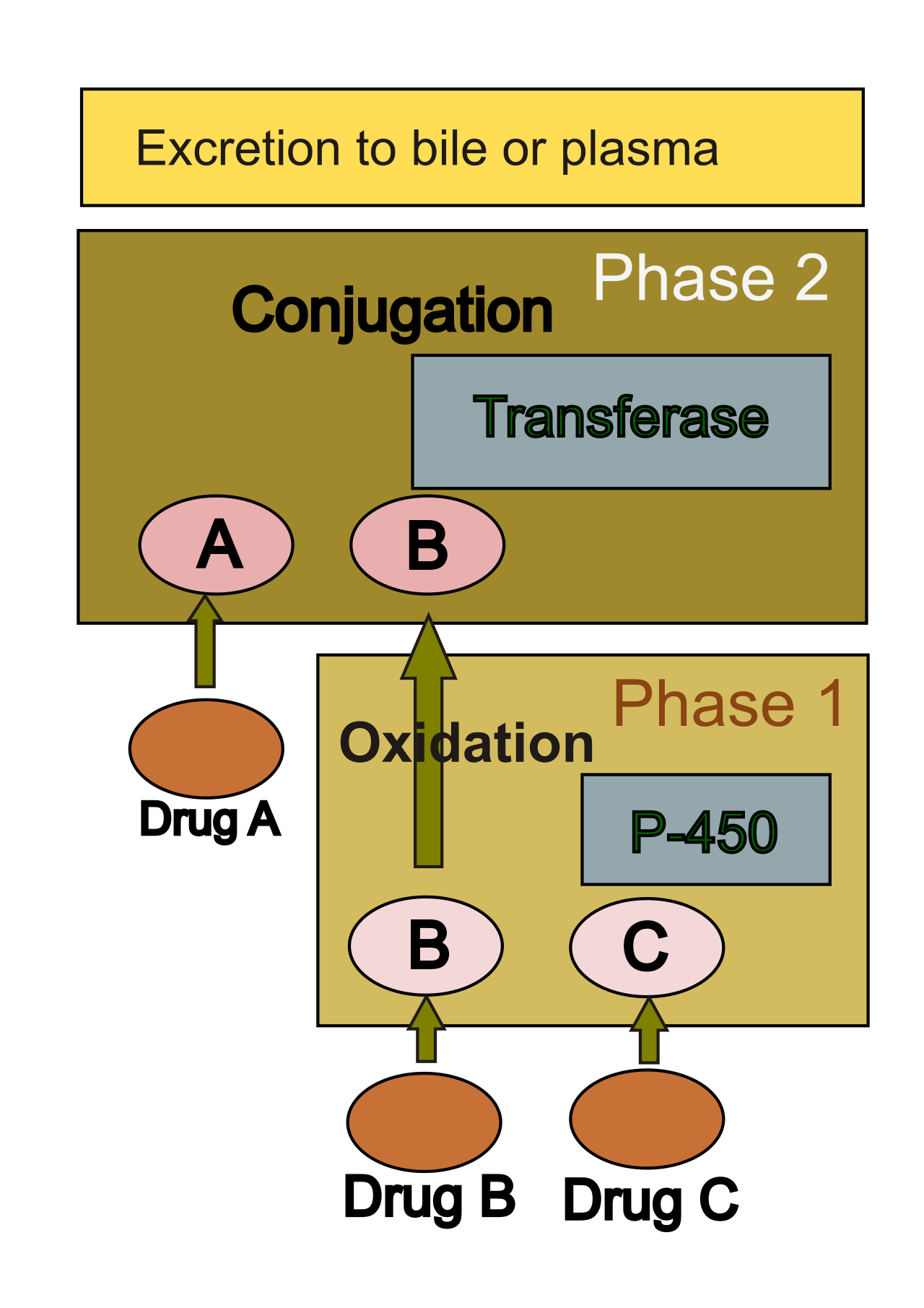
The Golden Rule of Absorption: The oral route for pain medication administration typically has a slower onset of action compared to the intravenous route. Intravenous (IV) pushes the drug straight into the blood—boom, immediate effect. Oral (PO) drugs have to survive the acidic stomach, cross the intestines, and pass through the liver first.
Now, what about stabbing a needle into a muscle? Generally, intramuscular administration of pain medication is avoided due to unpredictable absorption and significant tissue pain. Why inflict more pain on a patient who is already hurting, especially when we can't even guarantee how fast the muscle tissue will absorb the drug? We stick to PO and IV whenever possible.
The Genius of Patient-Controlled Analgesia (PCA)
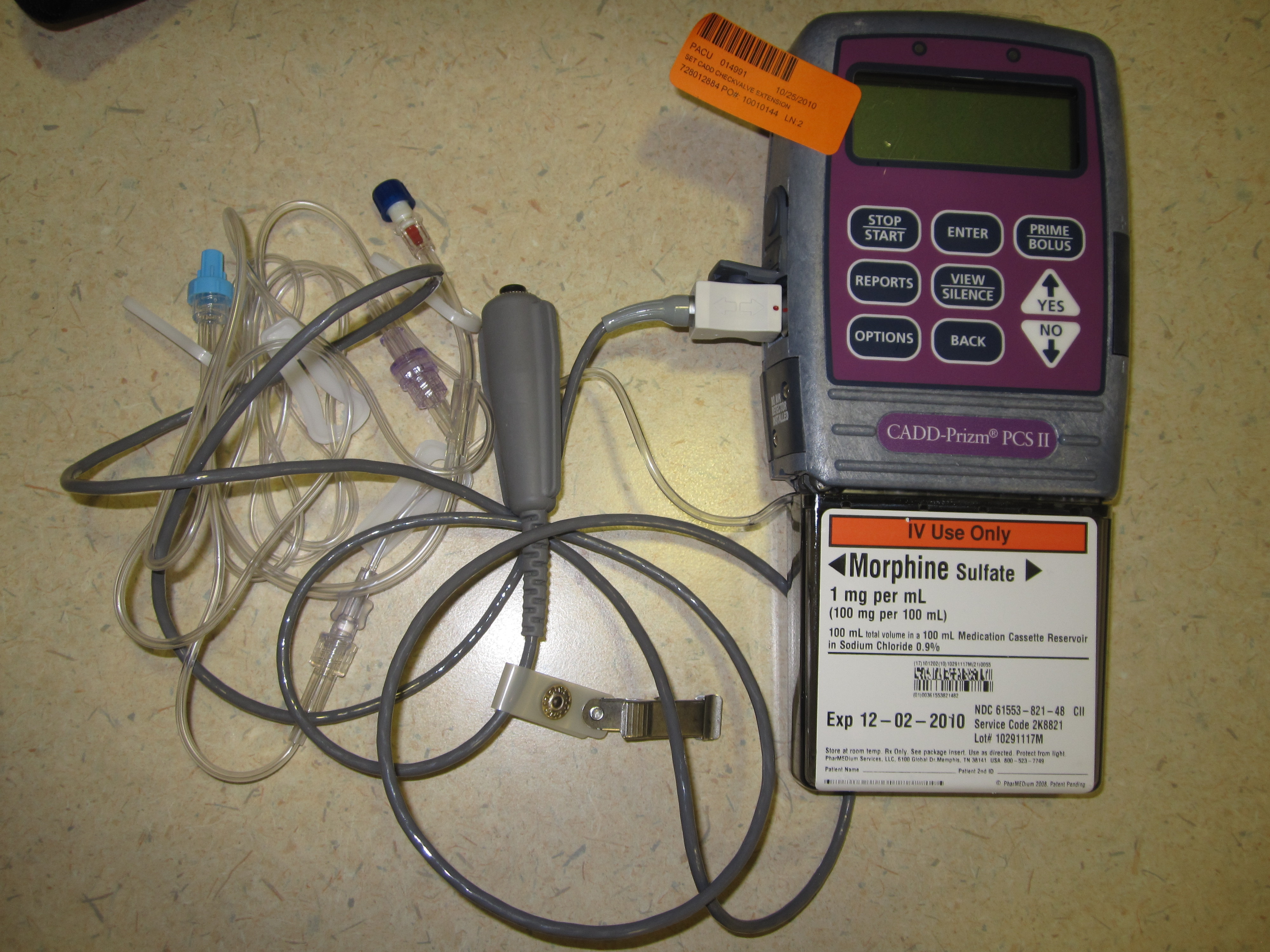
What if the patient is in severe, continuous pain, like after a major surgery? Instead of having them hit the call bell every hour, we use technology. Patient-controlled analgesia allows the client to self-administer predetermined intravenous doses of opioid analgesics.
Here is the absolute, unbreakable safety rule with a PCA: Only the client is authorized to push the button on a patient-controlled analgesia pump. Not the nurse, not the well-meaning husband, not the anxious mother. Why? Because the system has a built-in safety net: if the patient is getting too sedated, they will fall asleep and drop the button, preventing an overdose. If a family member pushes it while the patient is asleep (PCA by proxy), they could kill them.
Different kinds of pain require entirely different chemicals. Let's break down the tools in our toolbox.
The Foundations: Non-Opioids
| Medication | The Mechanism & The Rules | The Dangers & Contraindications |
|---|---|---|
| Acetaminophen | A central acting analgesic. Great for mild/moderate pain and fever. The maximum recommended daily dose of acetaminophen for a healthy adult is 4,000 milligrams. | It is metabolized heavily by the liver. Therefore, acetaminophen hepatotoxicity risk is increased in clients with pre-existing liver disease. |
| NSAIDs (e.g., Ibuprofen, Ketorolac) | Works on the prostaglandins at the site of inflammation. | Two major risks: First, nonsteroidal anti-inflammatory drugs increase the risk of gastrointestinal bleeding. Second, because prostaglandins protect the kidneys, nonsteroidal anti-inflammatory drugs are contraindicated in clients with severe renal impairment. |
| Aspirin | An older NSAID, excellent for anti-platelet effects in adults. | Aspirin administration is contraindicated in children with viral infections due to the risk of Reye's syndrome, a potentially fatal liver and brain disorder. |
The Sidekicks: Adjuvant Analgesics
Sometimes, the pain is coming from a damaged nerve itself—a misfiring electrical wire. Traditional painkillers don't work well on "neuropathic" pain. We have to use drugs originally designed for other things!
- Adjuvant analgesics such as gabapentin are used to treat neuropathic pain. (Originally an anti-seizure drug!)
- Similarly, tricyclic antidepressants are utilized as adjuvant medications for the management of chronic neuropathic pain.
The Heavy Hitters: Opioids
Opioids act beautifully on the central nervous system to alter the perception of pain. But they must be respected. First, we must evaluate the patient's history with opioids. Opioid-naive clients are at a higher risk for respiratory depression than opioid-tolerant clients. Their brainstem hasn't adapted to the drug yet.
When dealing with opioids, context is everything:
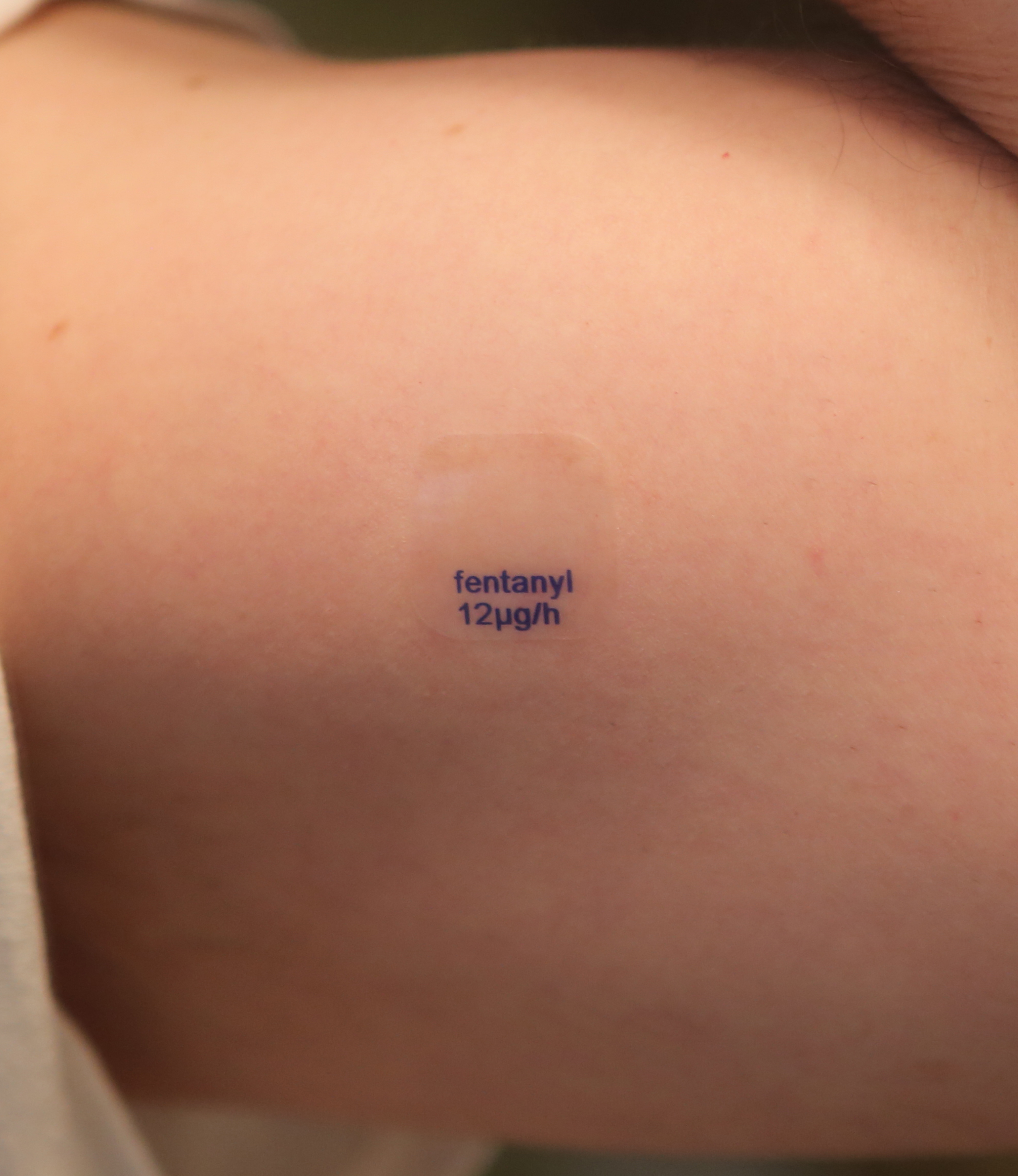
- Transdermal fentanyl patches are indicated solely for the management of chronic severe pain in opioid-tolerant clients. Fentanyl is incredibly potent; putting a patch on a naive patient is a recipe for disaster.
- Meperidine is generally avoided in older adults due to the risk of neurotoxicity from normeperidine accumulation. The breakdown product (metabolite) causes tremors, confusion, and seizures!
You cannot treat a 6-month-old, a 30-year-old, and an 85-year-old the same way. The physiological machinery is entirely different.
- Pediatrics: Kids are not miniature adults. Their metabolic rates are entirely different. Therefore, pediatric dosages for pain medications are primarily calculated based on the child's weight in kilograms.
- Older Adults: As we age, our internal chemical processing plants—the liver and kidneys—slow down. Because of this, older adult clients require lower initial opioid dosages due to decreased renal and hepatic function. If the liver isn't breaking the drug down quickly, it stays in the blood longer. Simply put, decreased hepatic function in older adults prolongs the half-life of many analgesic medications. Start low, and go slow!
You've administered the medication. Your job isn't done; the real nursing work has just begun! We must evaluate if our intervention actually worked. The clock starts the moment the drug enters the patient's system:
- The effectiveness of intravenous pain medication must be evaluated and documented within 15 to 30 minutes of administration.
- The effectiveness of oral pain medication must be evaluated and documented within 60 minutes of administration.
The Opioid Danger Zone
Opioids do two things incredibly well: they stop pain, and they put the brain to sleep. If the brainstem goes to sleep, it stops telling the lungs to breathe.
Here is a brilliant physiological trick you must remember: patients don't just suddenly stop breathing out of nowhere. Sedation level assessment must precede respiratory rate assessment during opioid administration monitoring. The brain gets sleepy before the lungs stop working!
To measure this accurately, the Pasero Opioid-Induced Sedation Scale is used to evaluate the sedation level of clients receiving opioid analgesics. If a patient is frequently drowsy and drifting off to sleep during conversation, you are on the edge of a cliff. Back away from the opioids. If you miss the sedation cues, the breathing slows down. A respiratory rate of fewer than 12 breaths per minute indicates potential opioid-induced respiratory depression in an adult client.
The Antagonists: Biological Undo Buttons
What happens if they cross the line into severe respiratory depression? Nature gave us chemical antagonists—molecules that bind to the exact same receptor sites and physically kick the offending drug out of the way.
Naloxone is the specific pharmacological antagonist used to reverse opioid-induced respiratory depression.
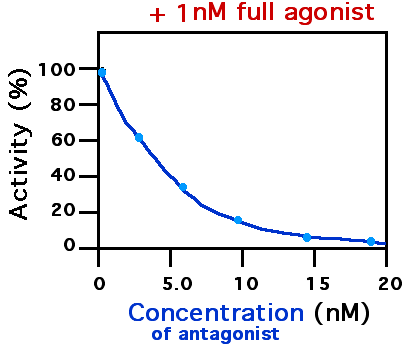
However, Naloxone is a double-edged sword. If you push it too fast in a patient who takes opioids chronically, you will instantly clear every receptor. Therefore, naloxone administration can precipitate immediate withdrawal symptoms in opioid-dependent clients. They will wake up in excruciating pain, sweating, vomiting, and agitated.
Furthermore, you can't just push Naloxone and walk away. The half-life of naloxone is frequently shorter than the half-life of the administered opioid analgesic. Think of it like a short-term eviction. Naloxone kicks the opioid off the receptor, but Naloxone breaks down in about 30-60 minutes, while the opioid might last 4 hours! Once the Naloxone is gone, the opioid rushes back into the receptor. Thus, a client may require repeat doses of naloxone due to the return of opioid-induced respiratory depression.
(As a quick aside: just as Naloxone reverses opioids, remember that flumazenil is the pharmacological antagonist utilized to reverse the sedative effects of benzodiazepines. Keep your antagonists straight!)
Finally, let's talk about the law. Opioids aren't just dangerous to a patient's respiratory drive; they are highly addictive. In fact, Schedule II controlled substances have a high potential for abuse and physical or psychological dependence.
Because of this, the federal government and hospital regulations require us to treat these drugs like literal gold.
- Storage: Controlled substances must be stored in a securely locked and substantially constructed cabinet.
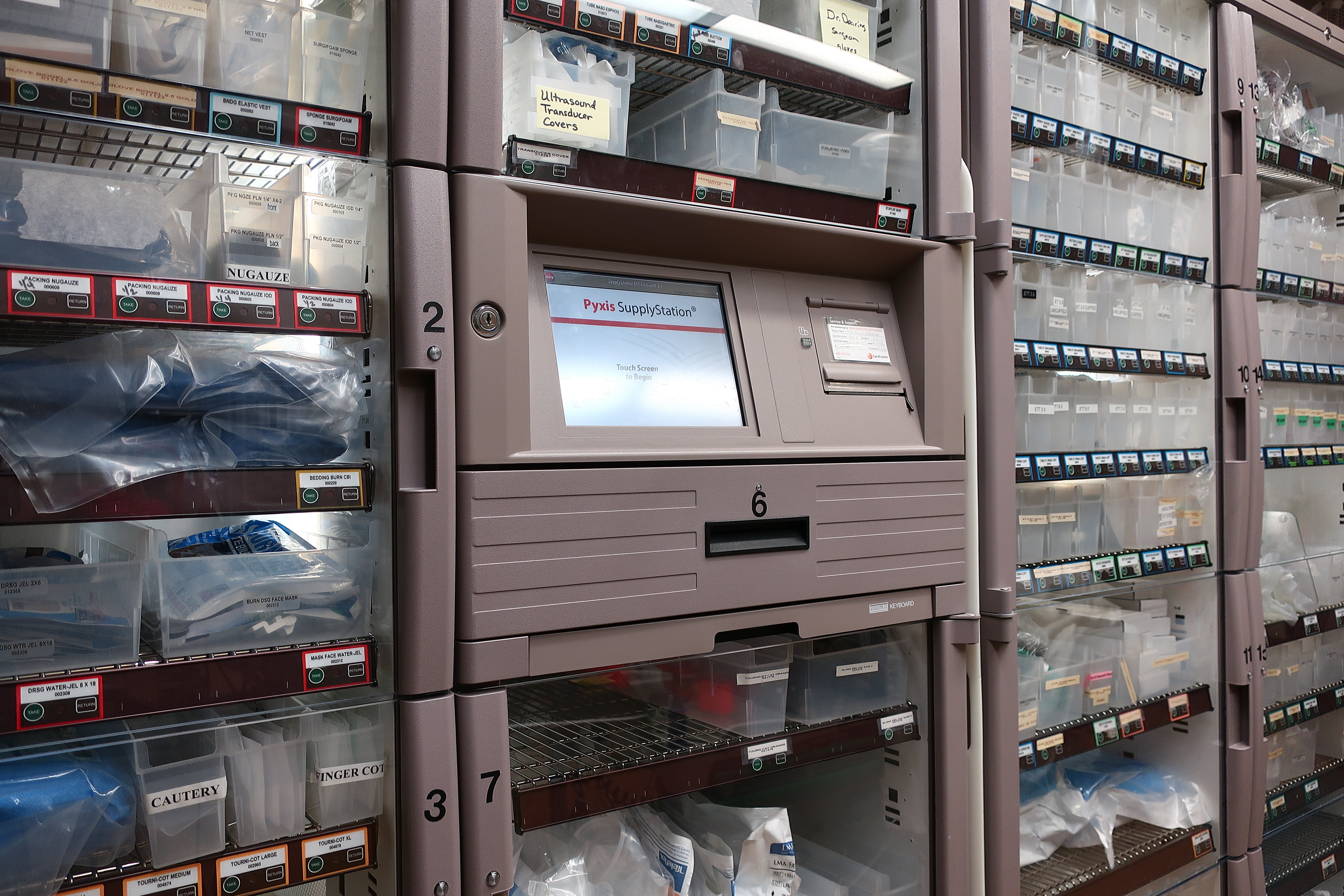
- Dispensing: You can't just leave them in a drawer. The dispensing of controlled substances requires the utilization of an automated dispensing cabinet or a double-locked medication cart.
- Wasting: If you draw up 2 mg of Morphine from a 4 mg vial, what happens to the remaining 2 mg? It goes into the sink or a specialized waste bin, but never alone. Two licensed nurses must independently witness and document the wasting of any unused portion of a controlled substance. This prevents diversion (theft).
- Counting: If you open the drawer and the computer says there should be 10 vials of Dilaudid, but you only count 9, red alert! Discrepancies in controlled substance counts must be reported to nursing management and pharmacy immediately. We never delay; the chain of custody must be preserved.
The Summary
Being an elite nurse when it comes to pharmacological pain management means seeing the whole board. It’s assessing the subjective signal, picking the mathematically and biologically appropriate route and drug, vigilantly watching the sedation scale before the respiratory drive fails, holding the line on regulatory safety, and knowing exactly how to reverse a mistake. Keep these principles in your mind, respect the physiology, and you will crush the NCLEX!