Rest and Sleep
Not sure you’re ready?
Take the ~3-minute readiness diagnostic and see where you stand.
Welcome, brilliant minds, to the fascinating world of human sleep!
For far too long, people have thought of sleep as a simple "off switch"—a biological screensaver that pops up when we are tired. Nothing could be further from the truth! Sleep is an incredibly dynamic, active, and strictly regulated physiological process. It is the ultimate repair shop for the human body and mind.
As a nurse, if you don’t protect your client’s sleep, you are actively undermining their recovery. Let’s strip away the textbook dryness and look at the marvelous mechanics of rest and sleep so you can crush the NCLEX-RN and, more importantly, take exquisite care of your patients.
If you want to understand sleep, you first have to understand the body's internal timekeeper.
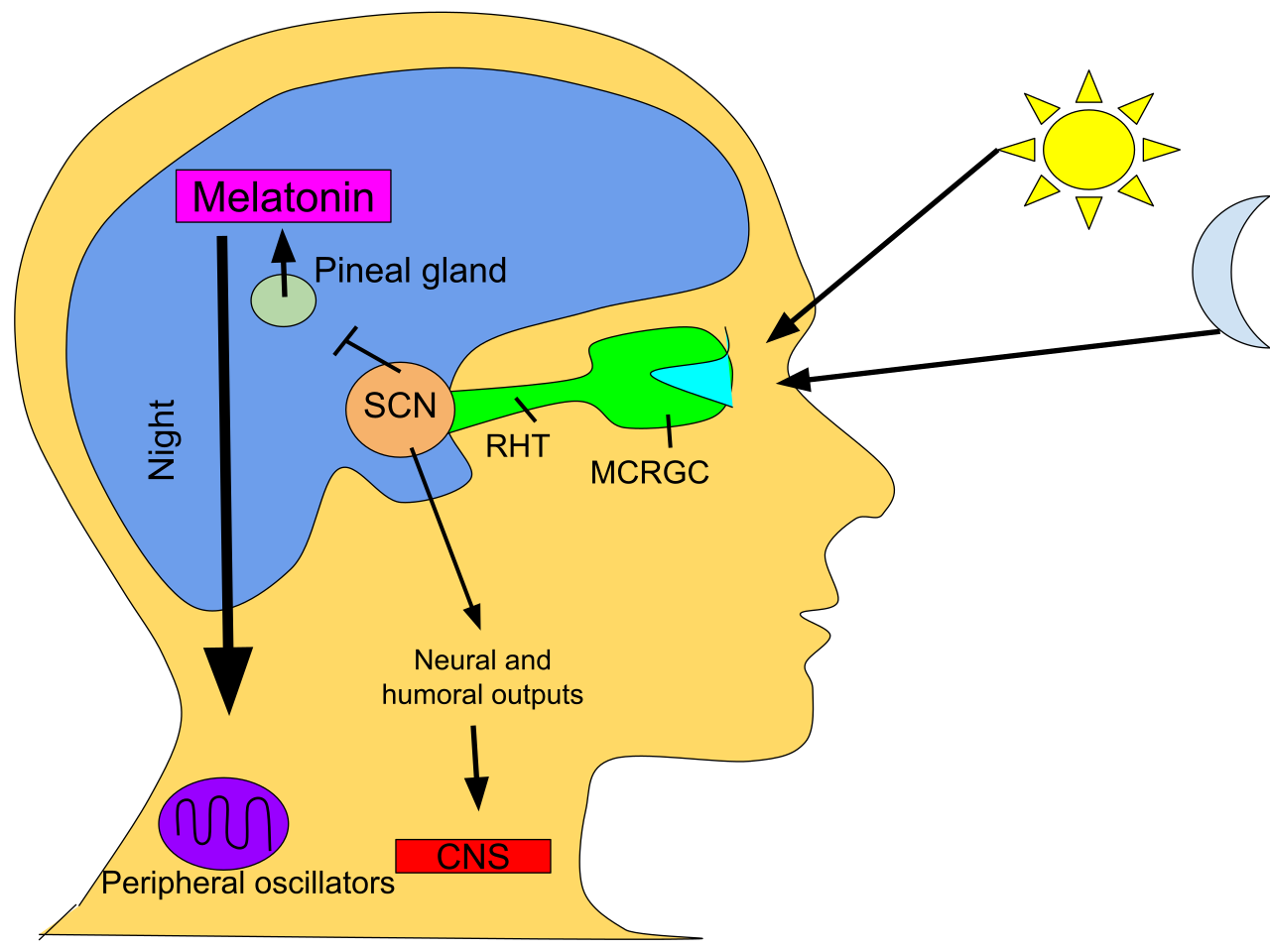
Humans operate on circadian rhythms, which are 24-hour biological cycles. But who is conducting this orchestra? The master conductor sits right in the brain: the hypothalamus controls the circadian rhythm of sleep and wakefulness.
The hypothalamus receives input from your eyes about how much light is in the environment. It then talks to a tiny, pinecone-shaped structure called the pineal gland. Melatonin is a hormone secreted by the pineal gland, and this beautiful chemical is what regulates the circadian rhythm and sleep-wake cycle.
The Golden Rule of Melatonin: Light is the enemy of melatonin. Exposure to bright light suppresses the production of melatonin. Therefore, as a nurse, simply dimming lights in the client room promotes natural melatonin production, preparing the brain for rest.
The Two Flavors of Sleep: NREM vs. REM
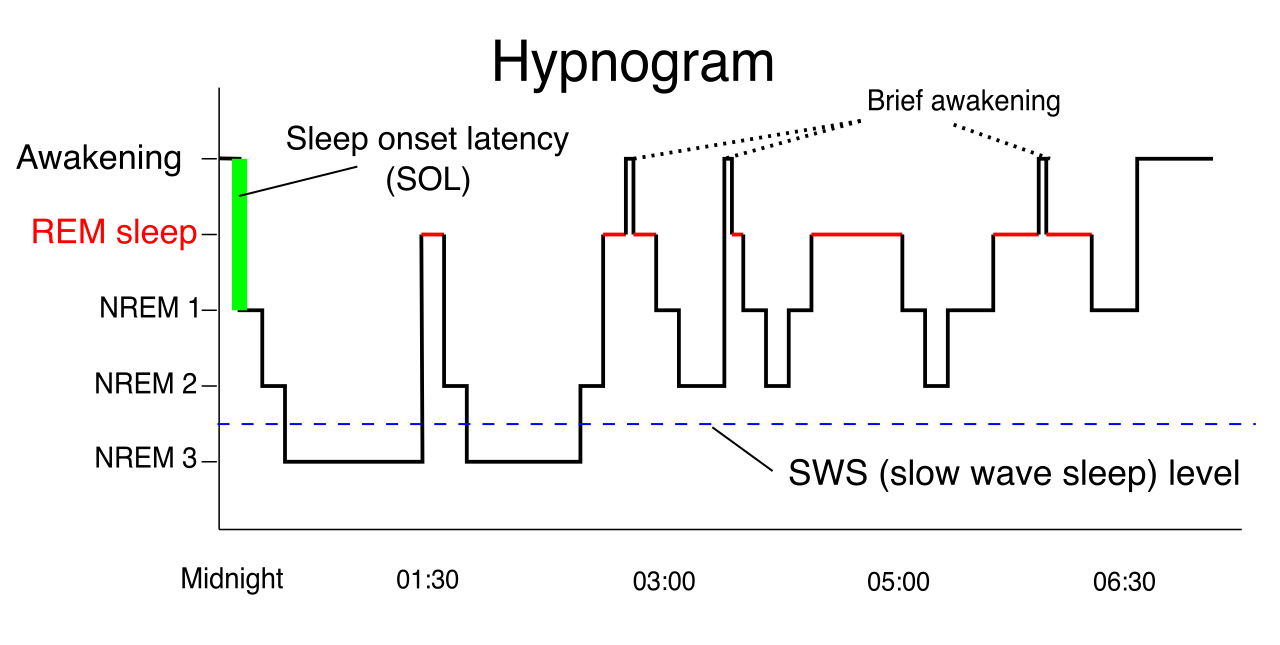
When we finally drift off, we don't just stay in one state. We cycle through two entirely different physiological worlds: Non-Rapid Eye Movement (NREM) and Rapid Eye Movement (REM).
| Sleep Phase | Percentage of Sleep | The Core Function (The "Why") | Analogy |
|---|---|---|---|
| NREM | NREM sleep accounts for approximately 75 to 80 percent of adult sleep time. | Physical repair. Specifically, NREM stage 3 sleep promotes physical restoration and tissue renewal. | The Mechanic. Fixing the physical chassis, repairing muscles, and healing wounds. |
| REM | REM sleep accounts for approximately 20 to 25 percent of adult sleep time. | Brain maintenance. REM sleep facilitates cognitive restoration and memory consolidation. | The Librarian. Sorting the day's events, organizing memories, clearing mental clutter. |
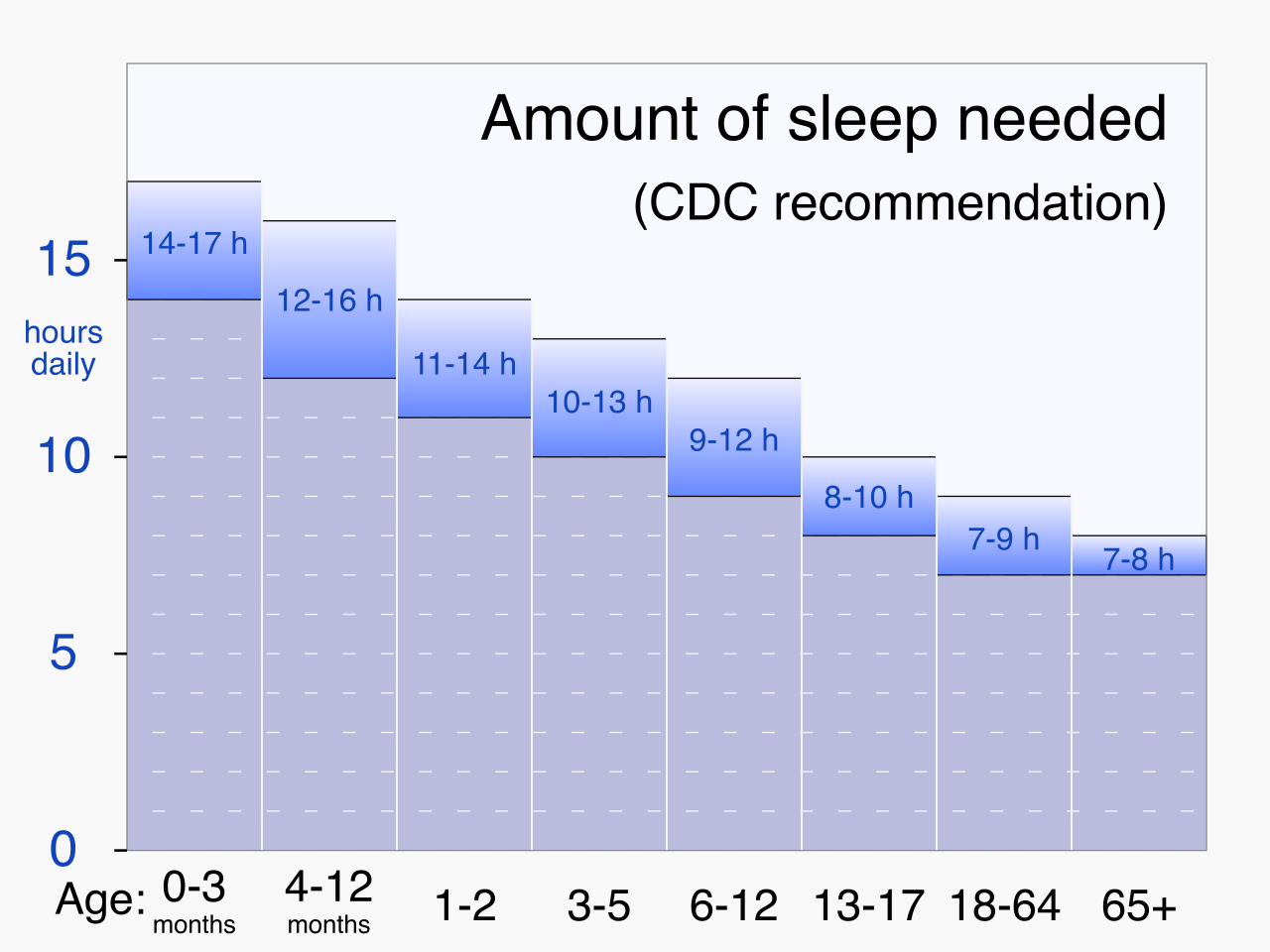
How much time do we need in this repair shop? It changes as we age. Newborns require 14 to 17 hours of sleep per 24-hour period because their brains and bodies are under massive construction. By the time we mature, healthy adults require 7 to 9 hours of sleep per night.
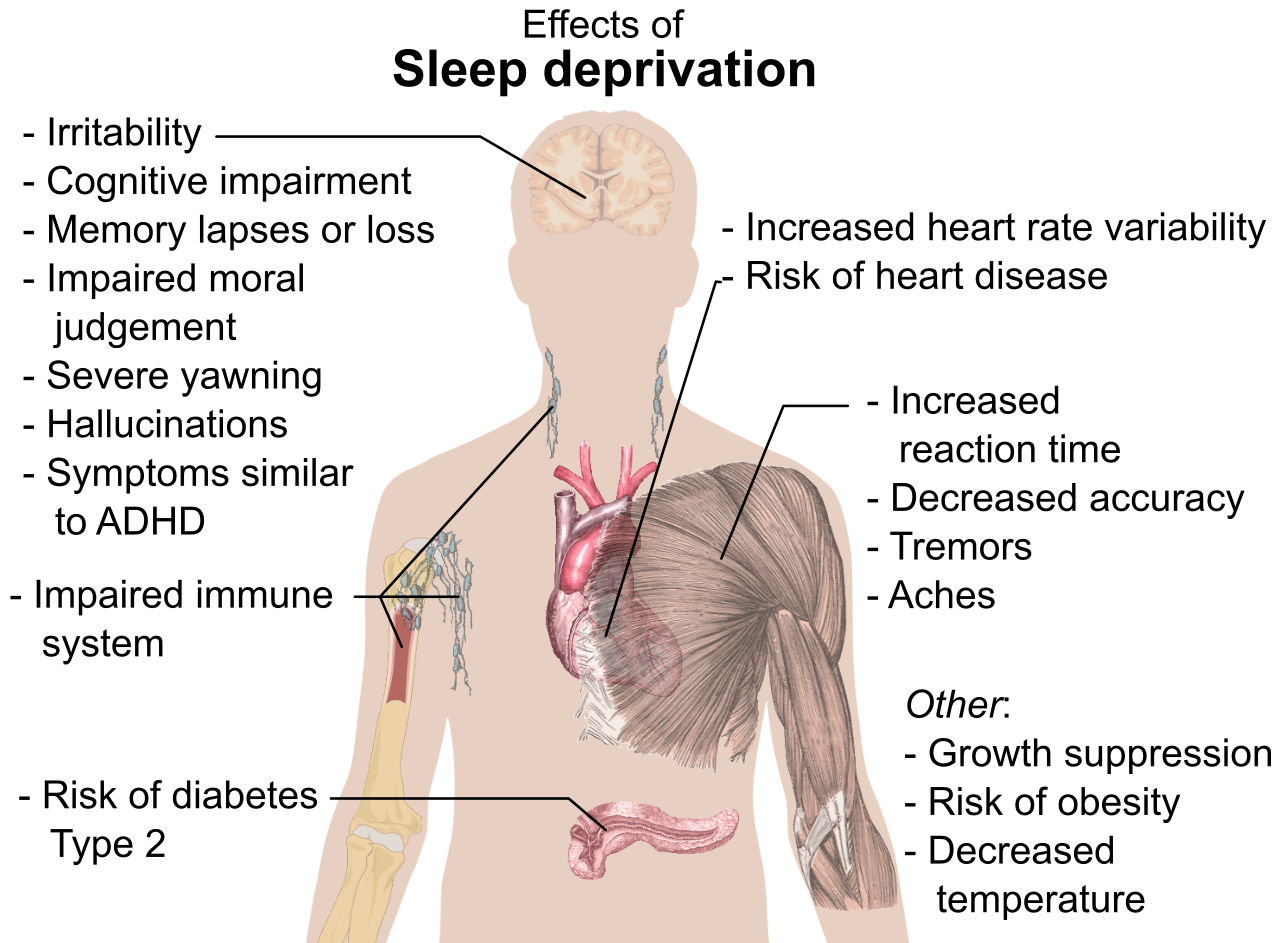
What happens if you bypass this biological repair cycle? The system crashes.
Chronic sleep deprivation impairs immune function and delays wound healing. If your post-op client isn't sleeping, their surgical incision isn't healing optimally. Furthermore, the metabolic system goes haywire: sleep deprivation decreases glucose tolerance, mimicking a pre-diabetic state and making blood sugar management incredibly difficult.
Measuring the Deficit
How do we know if a client is struggling with sleep? We don't just guess; we use precise assessment tools:
- The Epworth Sleepiness Scale measures a client's level of daytime sleepiness. (Think: "How likely are you to doze off during a conversation?")
- The Pittsburgh Sleep Quality Index assesses sleep quality over a one-month period. (Think: "What has the historical trend of your sleep looked like lately?")
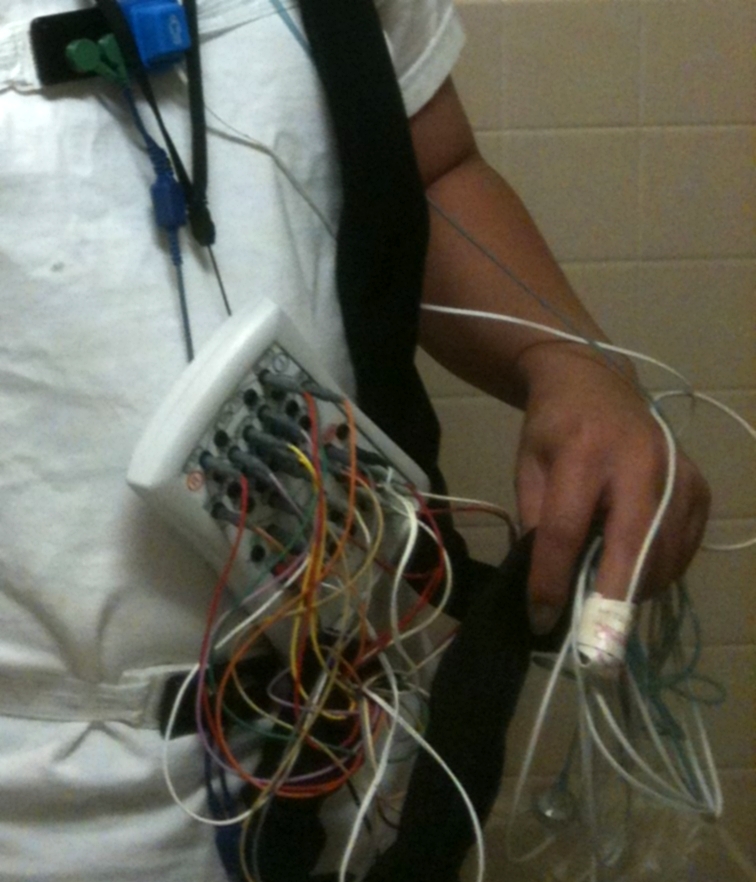
- When we need to look under the biological hood, we use polysomnography, which is the diagnostic test used to measure physiological activity during sleep, recording brain waves, oxygen levels, heart rate, and breathing.
Sometimes, the drive to sleep is there, but physiological roadblocks get in the way.
The Apneas: Plumbing vs. Electrical Issues
"Apnea" means a cessation of breathing. But why breathing stops comes down to two different mechanical failures:
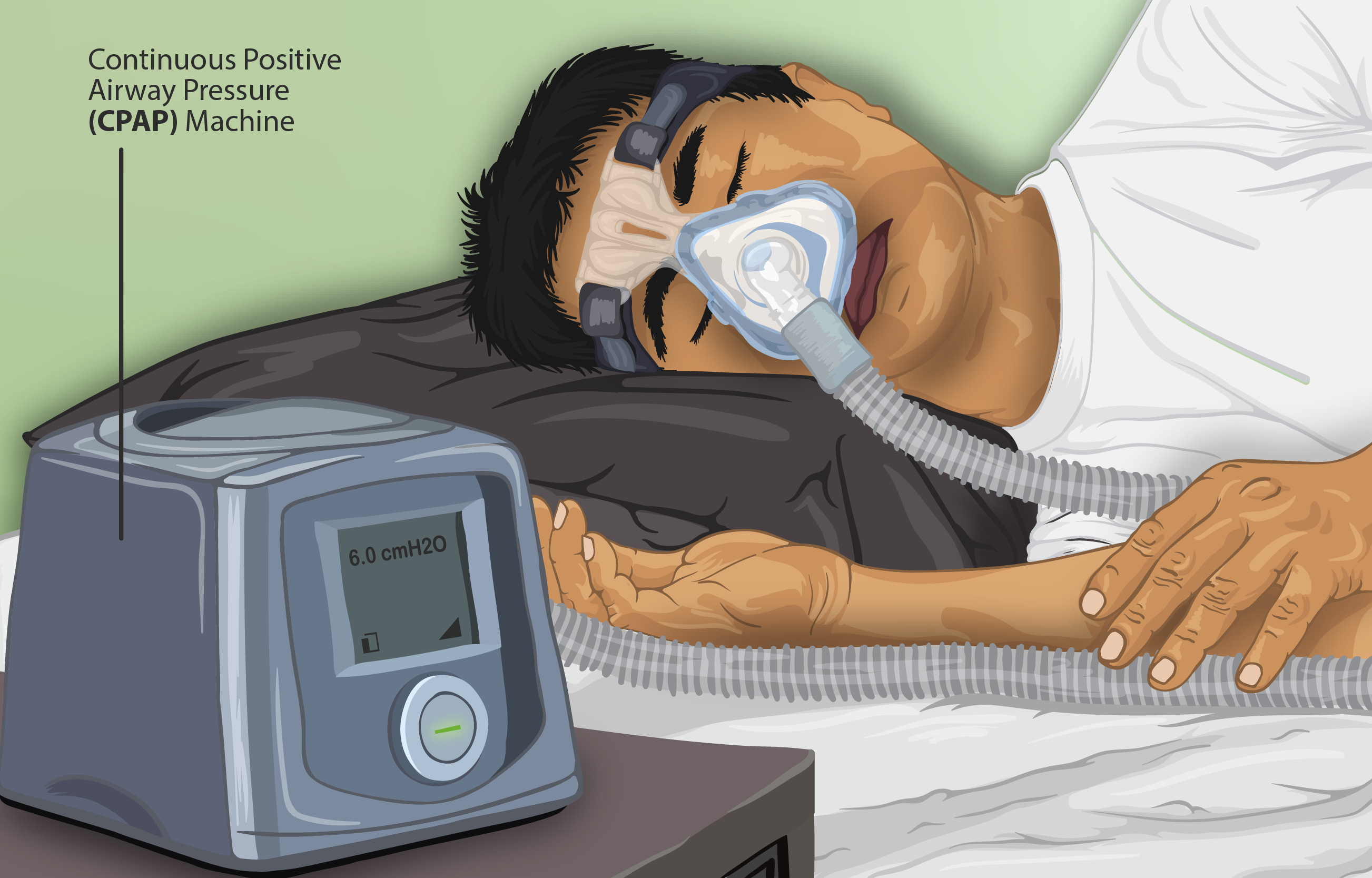
- Obstructive Sleep Apnea (OSA): This is a structural (plumbing) issue. Obstructive Sleep Apnea involves recurrent episodes of upper airway collapse during sleep. The muscles relax, the airway caves in, and the patient chokes, waking them up dozens of times an hour. Because excess neck tissue weighs down the airway, obesity is a primary risk factor for developing Obstructive Sleep Apnea.
- The Fix: We pneumatically splint the airway open. A continuous positive airway pressure (CPAP) machine prevents airway collapse in Obstructive Sleep Apnea.
- Central Sleep Apnea (CSA): This is a neurological (electrical) issue. Central Sleep Apnea results from a failure of the brain to transmit signals to the respiratory muscles. The airway is open, but the chest wall just forgets to move.
Movement and Arousal Disorders
- Narcolepsy: A severe neurological glitch in the sleep-wake cycle. Narcolepsy causes overwhelming daytime drowsiness and sudden sleep attacks. The patient can go straight from wide awake to sleep in a matter of seconds.
- Restless Legs Syndrome (RLS): A deeply uncomfortable neurological condition that causes an irresistible urge to move the lower extremities. The cruelest part of this disorder? Restless Legs Syndrome symptoms typically worsen during periods of inactivity or sleep, actively robbing the patient of rest right when they need it most.
Before we throw nursing interventions at a patient, we have to look at what they are doing to themselves.
The Lifestyle Saboteurs
- Caffeine: It is not just a tasty beverage; caffeine is a central nervous system stimulant. Naturally, consuming caffeine in the evening delays sleep onset.
- Exercise: Working out is great, but timing is everything. Exercising vigorously within two hours of bedtime increases physiological arousal, and this increased physiological arousal before bedtime delays sleep onset.
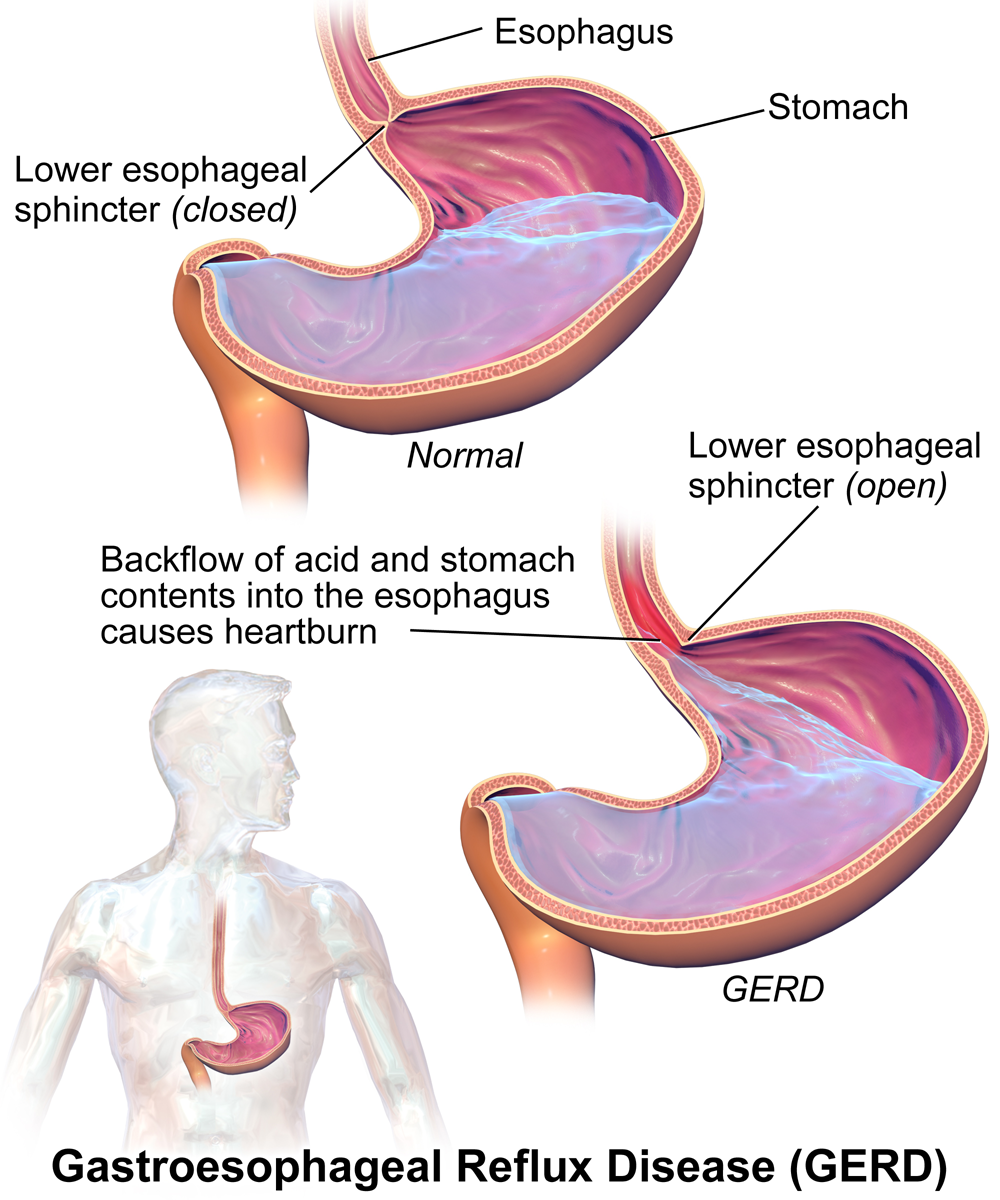
- Diet: Eating a giant steak at 10:00 PM is a recipe for disaster. Heavy meals consumed immediately before bedtime can cause gastroesophageal reflux. When the acid creeps up, gastroesophageal reflux causes sleep disruption due to esophageal discomfort.
- Alcohol: Many people think a "nightcap" helps them sleep. It might help them pass out, but it destroys sleep architecture. Alcohol consumption reduces the duration of REM sleep, meaning the patient wakes up cognitively exhausted.
The Double-Edged Sword of Sleep Medications
We often prescribe sedative-hypnotics (like Zolpidem) or Benzodiazepines (like Lorazepam) to help patients sleep. But there is a biological cost!
Warning: The Pharmacological Trap First, benzodiazepines decrease the duration of deep NREM sleep. You get more total sleep, but lower quality restorative sleep. Second, the brain is smart and adapts. Clients can develop physiological tolerance to sedative-hypnotic medications with prolonged use, meaning they need higher and higher doses. Finally, you can't just stop them cold turkey. Sudden discontinuation of sedative-hypnotic medications causes rebound insomnia, leaving the patient worse off than when they started.
Now we arrive at the art of nursing. How do we synthesize all of this physiology to schedule client care and protect their sleep?
Defending the Environment
Hospitals are notoriously terrible places to sleep. It is your job to build a fortress of solitude.
- Closing client room doors reduces environmental noise transmission.
- Be smart with your technology! Lowering the volume on medical alarms safely reduces sleep fragmentation. You don't turn them off, you turn them down so you can hear them at the desk, but the patient doesn't jump out of bed.
Organizing Nursing Care
Every time you wake a patient, you force them to restart their sleep cycles. Therefore, clustering nursing assessments minimizes interruptions to the client's sleep cycle. Instead of taking vitals at 1:00 AM, hanging an IV antibiotic at 2:00 AM, and giving a pill at 3:00 AM, group them! Scheduling vital signs and medication administration simultaneously promotes longer uninterrupted client sleep periods.
Managing the Body's Disruptions (Fluid, Air, and Pain)
Often, the patient's own body is what keeps them awake. We must anticipate and neutralize these threats:
- The Bladder: Nocturia is the frequent need to urinate during the night. If your patient is taking Furosemide, do not give it at 8:00 PM! Administering prescribed diuretics in the morning prevents sleep disruption from nocturia.
- The Lungs: If a client has heart failure or COPD, laying flat causes fluid to pool in the lungs (orthopnea). Simply elevating the head of the bed improves oxygenation for clients with orthopnea during sleep.
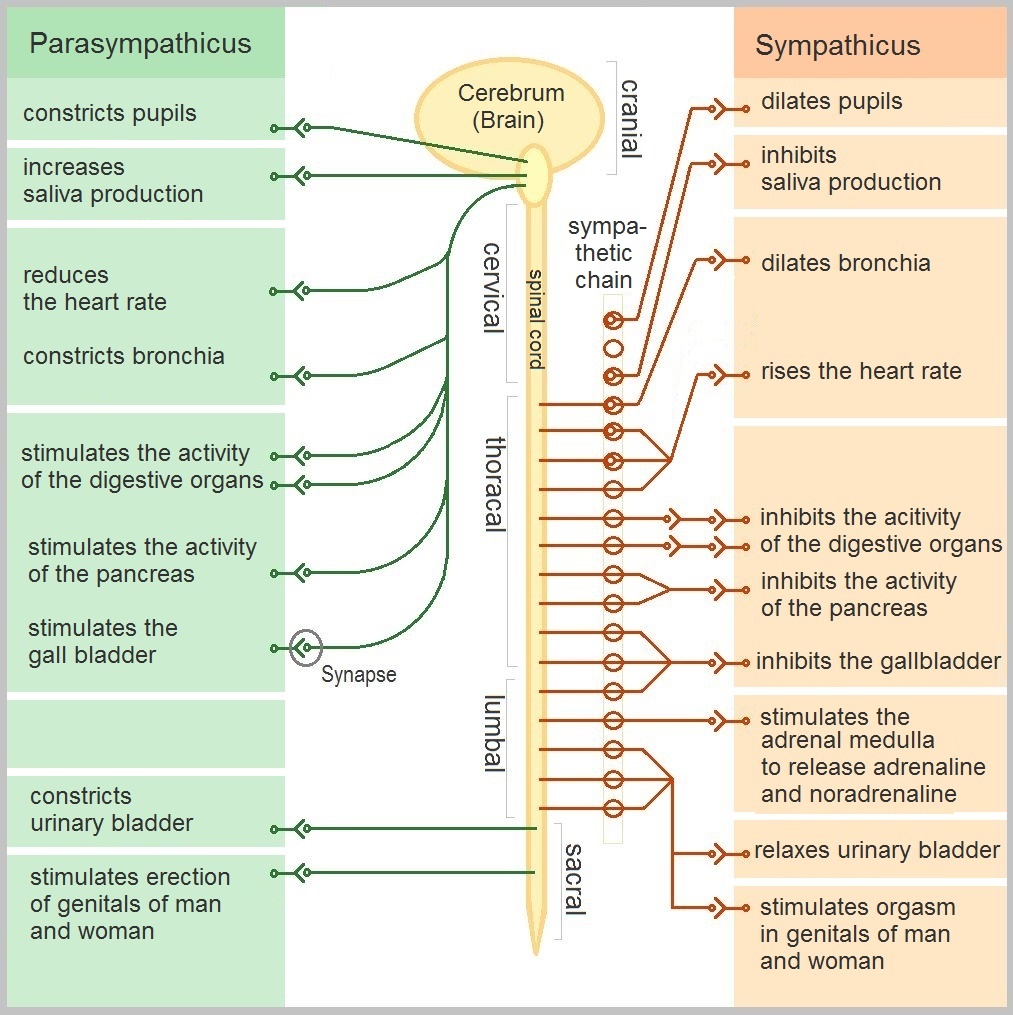
- The Pain Cycle: This is a huge NCLEX concept. Pain isn't just uncomfortable; it is a physiological alarm bell. Uncontrolled pain stimulates the sympathetic nervous system (your fight-or-flight response). In turn, this sympathetic nervous system stimulation from pain inhibits the onset of sleep. You cannot sleep if a bear is attacking you, and your brain treats pain like a bear attack. Therefore, administering prescribed analgesics before bedtime facilitates sleep onset for clients experiencing pain.
Final Thoughts for the NCLEX
When you approach a question about rest and sleep, think like a physiologist. Ask yourself: What is disrupting the biological clock? Are we missing NREM physical repair or REM cognitive repair? How can I schedule my care to stay out of the body's way?
Protect the sleep cycle, protect the patient. Now go out there and ace this exam!