Personal Hygiene
Not sure you’re ready?
Take the ~3-minute readiness diagnostic and see where you stand.
Welcome to the fascinating, intensely human world of nursing. When most people think of healthcare, they imagine the high-stakes drama of emergency rooms, flashing monitors, and complex pharmacology. But let me tell you a secret: the profound mastery of nursing doesn’t just happen during a code. It happens when you are helping a patient navigate their most basic, vulnerable human needs—like taking a bath, getting dressed, and eventually, leaving this world with dignity.
Today, we are going to explore the physics, the physiology, and the deep empathy required for personal hygiene and postmortem care. We aren't just memorizing checklists; we are figuring out why these practices make a profound difference in our clients' lives.
You can’t help someone if you don’t understand exactly what they can and cannot do. We never want to assume. So, how do we measure this objectively? We use the Katz Index of Independence in Activities of Daily Living. This is our gold-standard assessment tool used to evaluate a client's ability to perform routine self-care tasks. It breaks down daily living into measurable parts: bathing, dressing, toileting, transferring, continence, and feeding.
But a comprehensive personal hygiene assessment is more than just a physical checklist. It requires evaluating the client's cultural preferences regarding bathing frequency. Not everyone needs or wants a daily scrub! We must respect these variations to build trust.
When you are assessing self-care deficits, you are basically doing a full-body biomechanical and neurological workup without the client even realizing it. You are watching for three specific things:
- Physical strength: Can they bear weight? Can they grip the washcloth? Assessing self-care deficits requires observing the client's physical strength.
- Active range of motion: Assessing self-care deficits requires observing the client's active range of motion. Can they lift their arms to wash their hair? Can they bend forward?
- Neurological processing: Cognitive impairment requires assessing the client's ability to logically sequence the steps of personal hygiene tasks. If a client puts soap on a dry washcloth and tries to scrub their hair, their muscles work, but the sequence is broken. That tells you a lot about their brain!
And here is the beautifully efficient part: while you are doing all of this, you are also doing a head-to-toe dermatological exam. Nurses must assess the client's skin integrity simultaneously during routine bathing activities. It is the ultimate two-for-one deal.
The Vulnerable Extremities: Sensory Deficits
When someone's nervous system is compromised, the bath becomes a high-risk zone. You have to step in as their sensory protector.
Crucial Safety Rule: Water temperature must be tested by the nurse before assisting clients with altered sensory perception. Because their nerves won't warn them if the water is scalding, you are their thermostat. A safe bath water temperature for adult clients is generally between 105 and 110 degrees Fahrenheit.
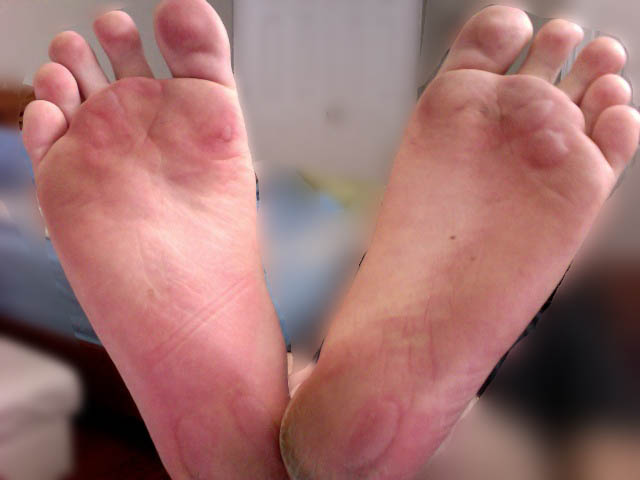
Furthermore, peripheral neuropathy requires specialized daily visual assessment of the client's feet. Why? Because they simply cannot feel a blister or a cut. Consequently, diabetics require daily foot inspections to identify early signs of skin breakdown before they turn into limb-threatening ulcers.
Our goal is never to do everything for the client. Our goal is to empower them to do it themselves. By changing the environment, we preserve their dignity. Let's look at how we adapt the physical world to match their physical realities:
| Client Deficit | Nursing Adaptation & Rationale |
|---|---|
| Poor standing tolerance | Providing a shower chair promotes independence, allowing them to wash safely without fear of falling or exhausting their oxygen supply. |
| Limited shoulder mobility | Long-handled sponges assist clients in performing self-bathing, effectively extending their reach so they don't have to over-extend their joints. |
| Impaired fine motor skills | Velcro closures on clothing serve as an adaptation so the client doesn't have to wrestle with tiny buttons or zippers. |
When it comes to the bed bath, we must act as guardians of the client's privacy. Pulling curtains around the client's bed is an essential action to ensure privacy during personal hygiene tasks. Once the curtains are drawn, covering the client with a bath blanket during a bed bath preserves client dignity, exposing only the small area you are actively washing.
But remember the golden rule of autonomy: Let them do what they can! Allowing the client to wash their own face and allowing the client to wash their own perineal area promotes autonomy during a bed bath.
When it is your turn to wash the client's extremities, use physics to your advantage. Directional bathing from distal to proximal promotes venous return during a bed bath. By stroking firmly from the fingertips toward the armpit, or the ankles toward the groin, you are physically pushing venous blood back toward the heart, fighting gravity, and reducing edema. It’s simple, but brilliant.
Now, let's move up to the head and neck. The stakes get higher here because we are working near the airway and the major blood vessels.
Oral Care
If a client is unconscious, they cannot protect their own airway. Gravity is either your best friend or your worst enemy.
Warning: Oral care for an unconscious client requires positioning the client in a side-lying position to prevent aspiration. If fluid pools in the back of their throat, lying on their side allows it to drain out of the mouth, not into the lungs.
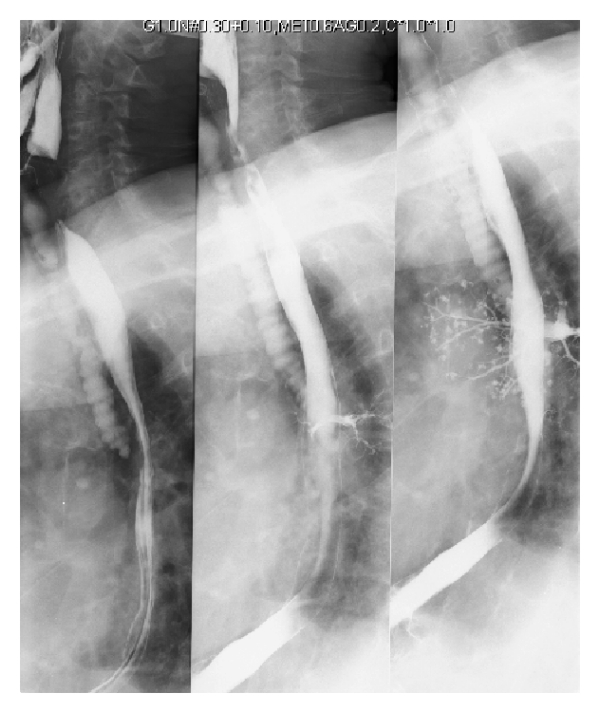
If the client is neurologically compromised to the point of lacking a gag reflex, traditional toothbrushes and running water are too dangerous. Instead, foam swabs are used for oral care in clients lacking a gag reflex.
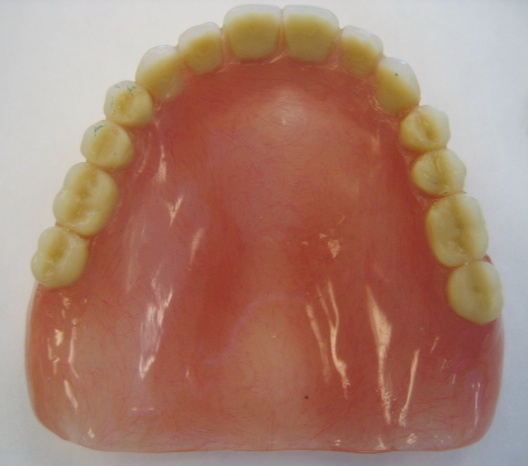
What if the client has dentures? Dentures are highly engineered, expensive pieces of acrylic. When removed from the moist environment of the mouth, they can dry out and physically warp, ruining the fit. Therefore, removed dentures must be stored in a labeled cup filled with water to prevent acrylic warping.
Grooming & Coagulation
Grooming is about making the client feel like themselves again. But if your client is on blood thinners (like heparin or warfarin), a tiny nick from a razor isn't just an annoyance; it's a hemorrhagic event. Therefore, shaving clients on anticoagulant therapy requires the use of an electric razor to prevent bleeding.
Eventually, despite our best efforts, life ends. The body is a fascinating, fleeting thing, and how we treat a client after death is the ultimate testament to our respect for human dignity. We aren't just treating a "body"—we are caring for someone's mother, brother, or friend in their final transition.
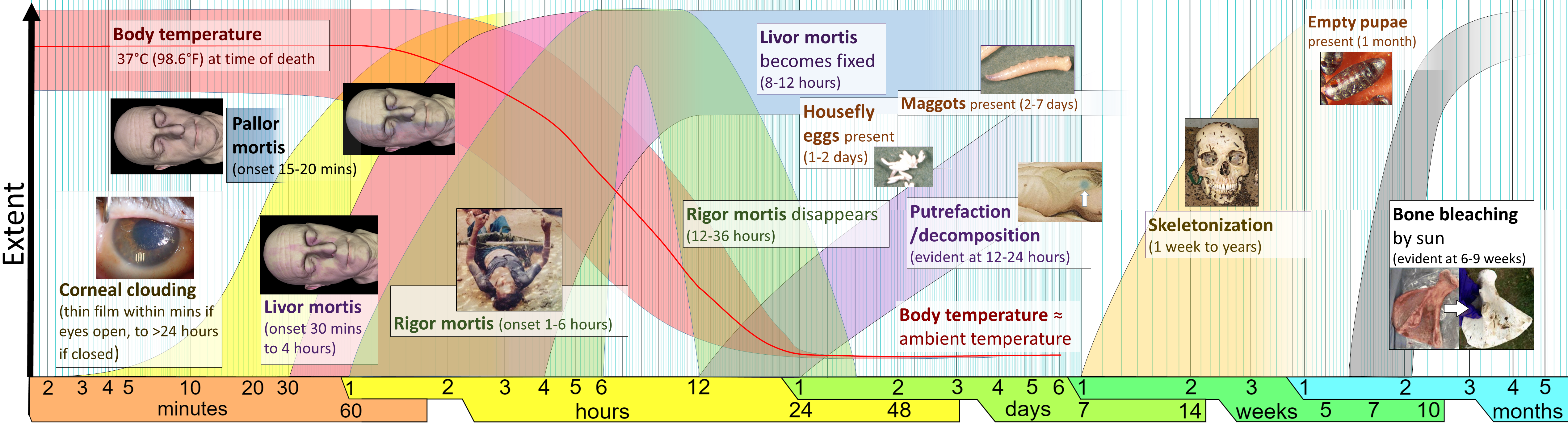
Postmortem care must be performed as soon as possible after death to prevent tissue damage. The biological clock starts ticking the second the heart stops. Rigor mortis—the chemical binding of muscle fibers due to a lack of ATP—begins to stiffen the muscles two to four hours after death.
Because of this physiological reality, you must act strategically:
- The nurse must close the deceased client's eyes immediately after death before rigor mortis sets in.
- The nurse must close the deceased client's mouth immediately after death before rigor mortis sets in.
- Elevating the head of the bed slightly prevents blood pooling and facial discoloration in the deceased client. (Gravity strikes again! Keeping the head up keeps venous blood from staining the delicate tissues of the face).
The Coroner's Rules vs. Standard Prep
Before you touch any medical equipment on the deceased, you must know the legal status of the death.
| Legal Status | Action Required |
|---|---|
| Coroner Case / Autopsy | Medical tubes and intravenous lines must remain in place if the deceased client is subject to an autopsy. The coroner needs an untouched "crime scene" to determine the exact cause of death. |
| Non-Coroner Case | Medical tubes and intravenous lines are removed during postmortem care for a non-coroner case, allowing the family to see their loved one free of medical machinery. |
Preparing for Family Viewing
The family's final memory of the client should be as peaceful as possible. To achieve this:
- The nurse must wash soiled areas of the deceased client's body before the family views the deceased.
- Clean gowns and linens must be placed on the deceased client prior to family visitation.
- Keep the anatomy looking restful. The deceased client's arms are positioned with palms down outside the sheet to appear natural during family viewing.
- Maintain the structure of the face. Dentures should be inserted into the deceased client's mouth to maintain normal facial shape, preventing the cheeks from severely caving in.
- If the jaw relaxes, rolled up towels can be placed under the deceased client's chin to keep the mouth closed until rigor mortis solidifies the position.
- Remember that the sphincter muscles relax after death. An absorbent pad must be placed under the deceased client's buttocks to catch releasing bodily fluids.
Cultural Competence in Death
Death is a deeply spiritual event, and the nurse must accommodate specific cultural and religious practices requested by the family during postmortem care.
- Orthodox Judaism: In Orthodox Judaism, the body of the deceased is typically washed by members of the Jewish burial society (the Chevra Kadisha). We step back and allow them this sacred duty.
- Islamic Tradition: In Islamic tradition, the family or same-sex Muslims typically wash the deceased body.
The Final Administrative Duties
Our empathy must be matched by our meticulous attention to legal and administrative detail.
- What about their wedding ring? Their watch? Personal belongings of the deceased client must be documented by the nurse to ensure an exact chain of custody, and must be handed directly to the designated family member.
- For the transit of the body to the morgue, identifying tags must be correctly attached to the deceased client's toe and the exterior body bag. This ensures absolute safety in identification.
- Finally, the legal closure of a human life: A death certificate must be completed and signed by the attending physician or designated provider.
When you study personal hygiene and postmortem care, do not view them as simple "chores" of nursing. Whether you are finding the exact safe temperature for a bath, strategically placing a washcloth to preserve modesty, or closing a patient's eyes for the final time, you are acting as an engineer of human dignity. Understand the why, and the how will always fall perfectly into place!