Support Systems
Not sure you’re ready?
Take the ~3-minute readiness diagnostic and see where you stand.
The Human Equation: Support Systems, Autonomy, and the Art of Caring
Hello! Welcome. Let’s talk about one of the most magnificent and profoundly complex puzzles you will ever encounter in nursing. We spend a lot of time talking about anatomy, pharmacology, and pathophysiology. We learn how the heart pumps and how the kidneys filter. But what happens when the machinery is failing, and there is a conscious, feeling human being—and their entirely terrified family—attached to it?
How do we support them? How do we figure out what they want? How do we handle the fact that a disease doesn’t just happen to a body; it happens to a life?

In this guide, we are going to explore Support Systems. We’ll master how to assist families in planning care for clients with cognitive impairment, how to orchestrate client involvement in healthcare decisions, and how to decode the emotional shockwaves of a new diagnosis.
Let's dive in and look at the actual physics of human empathy and medical ethics.
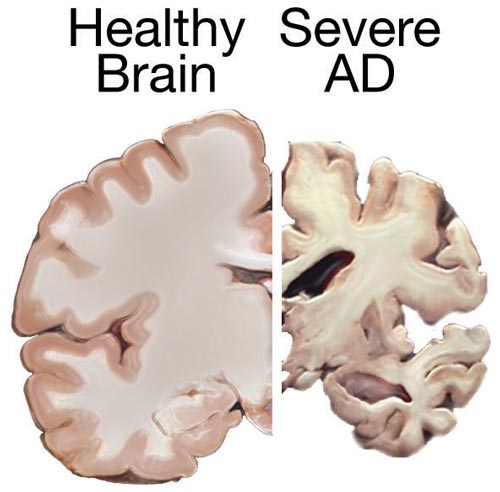
When a patient's cognition begins to slip—whether from progressive dementia, delirium, or trauma—it is like watching a television slowly lose its signal. The picture gets fuzzy. The rules of reality bend. For the family watching, this is terrifying. For the nurse, it requires an entirely new set of rules.
The First Law: Safety and Routine
When planning care for clients with impaired cognition, maintaining a safe environment is the primary priority. Period. Before we can talk about anything else, we must ensure the patient cannot be harmed by their own confusion. For example, wandering behaviors in cognitively impaired clients necessitate the installation of secure locks on residential exit doors. If they can walk out the door at 2:00 AM in a snowstorm, nothing else we do matters.
Once safety is secured, we move to the environment. Establishing a predictable daily routine minimizes confusion for clients with impaired cognition. The brain relies on patterns; when internal patterns break down, we must supply external ones. In the hospital setting, the nurse encourages family members to bring familiar objects from home to orient a hospitalized client with dementia. A favorite blanket or a family photo acts as an anchor in a swirling sea of unfamiliar hospital stimuli.
Communication and Assent
How do you talk to someone whose processing speed is severely compromised? You adjust your bandwidth.
- Utilizing short sentences improves communication with a cognitively impaired client. Give them bite-sized pieces of information.
- Furthermore, limiting choices to two options decreases decision-making anxiety for a client with cognitive impairment. Instead of asking, "What do you want to wear today?" you ask, "Do you want the red shirt or the blue shirt?"
Feynman's Warning: Do not mistake a loss of complex decision-making for a loss of basic human rights. Cognitive impairment does not automatically invalidate the right of a client to assent to basic daily care tasks. They may not be able to manage their finances, but they absolutely get a say in whether they want to brush their teeth or eat their pudding right now.
Saving the Caregivers
Dementia is a disease that often claims two victims: the patient and the primary caregiver. Caregiver role strain occurs frequently among family members providing constant care to clients with dementia. They are exhausted, grieving, and overwhelmed.
How do we help them plan care? First, the nurse must assess the readiness of a family to learn before providing education regarding the cognitive decline of a loved one. If they are in a state of absolute panic, they cannot absorb physiological facts. Once they are ready, providing families with education about disease progression improves care planning for clients with progressive dementia. They need to know what the trajectory looks like so they can prepare.
We also have a toolkit of support systems to offer them:
- Respite care programs provide temporary relief to primary caregivers of clients with chronic cognitive impairments. It allows the caregiver to step away, rest, and recharge.
- Adult day care centers provide supervised socialization for cognitively impaired adults during daytime hours, which keeps the patient stimulated and gives the family a vital daytime break.
Now let's talk about the rules of decision-making. Medicine is fundamentally collaborative. Shared decision-making requires active collaboration between the healthcare provider and the client. But how does that work legally and ethically?
The Core Principle
Everything we do is built upon one bedrock idea. The ethical principle of autonomy guarantees the right of a competent client to make personal healthcare decisions. You own your body. It is that simple. And legally, the Patient Self-Determination Act requires healthcare facilities to inform clients of their legal right to accept or refuse medical treatment. You are legally bound to tell them, "You have the right to say no."
To act on this, a patient must give informed consent, which requires the client to comprehend the specific risks and benefits of a proposed medical procedure.
The Nurse's Role: The Great Translator
You are the bridge between complex medical jargon and the patient's understanding. The nurse acts as a client advocate by ensuring the client receives adequate information to make informed healthcare choices.
To do this effectively:
- The nurse assesses the health literacy of a client to ensure medical information is presented at an understandable level. You wouldn't teach quantum mechanics in Latin to a kindergartener; don't explain a cholecystectomy using purely clinical jargon to a layperson.
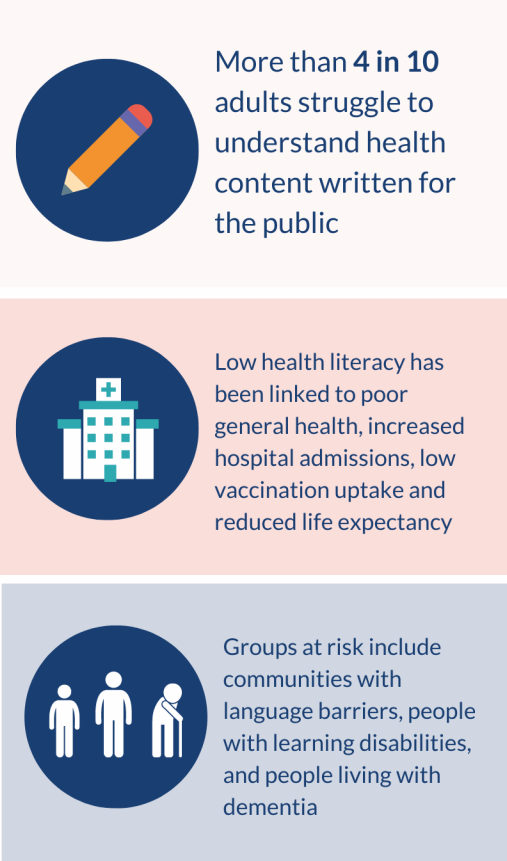
- Language matters deeply. Providing treatment options in the primary language of the client is essential for equitable participation in decision-making. Use professional interpreters, not family members.
- Check yourself. The nurse must identify and mitigate personal biases when supporting the healthcare decisions of a client. You might think refusing a life-saving blood transfusion is foolish, but it is not your body. Your job is to support their autonomous choice.
Capacity vs. Competency
This is a classic area of confusion. Let's make it crystal clear. Think of it this way: one is medical, one is legal.
| Feature | Decision-Making Capacity | Competency |
|---|---|---|
| Who decides? | Healthcare provider (Physician/Nurse Practitioner) | A Judge in a court of law |
| What is it? | A clinical evaluation made by a healthcare provider regarding the ability of a client to make a specific healthcare choice. | A formal legal determination made by a judge. |
| Scope | Fluid. A patient might have the capacity to choose their lunch, but not to consent to open-heart surgery. | Global. If declared incompetent, they lose the legal right to manage their own affairs entirely. |
Note on fluid capacity: Clients experiencing extreme pain frequently exhibit a temporarily diminished capacity to participate in complex healthcare decisions. Treat the pain first, then ask them to sign the consent form!
When the Patient Can't Decide
What happens when a patient is legally or clinically unable to speak for themselves? We look to advance directives.
- A living will is a legal document detailing the specific medical treatments a client desires at the end of life (e.g., "Do not put me on a ventilator").
- A durable power of attorney for healthcare legally designates a surrogate decision-maker for an incapacitated client. This is the person chosen to speak for the patient when the patient cannot.
What about kids? Generally, parents decide. But there are exceptions. Emancipated minors possess the legal authority to make their own comprehensive healthcare decisions. They are legally recognized as adults regarding their medical care.
Finally, what happens when the family is tearing each other apart over what to do? A family meeting facilitated by a social worker helps resolve interpersonal conflicts regarding patient care planning. Social workers are the diplomats of the hospital—use them!
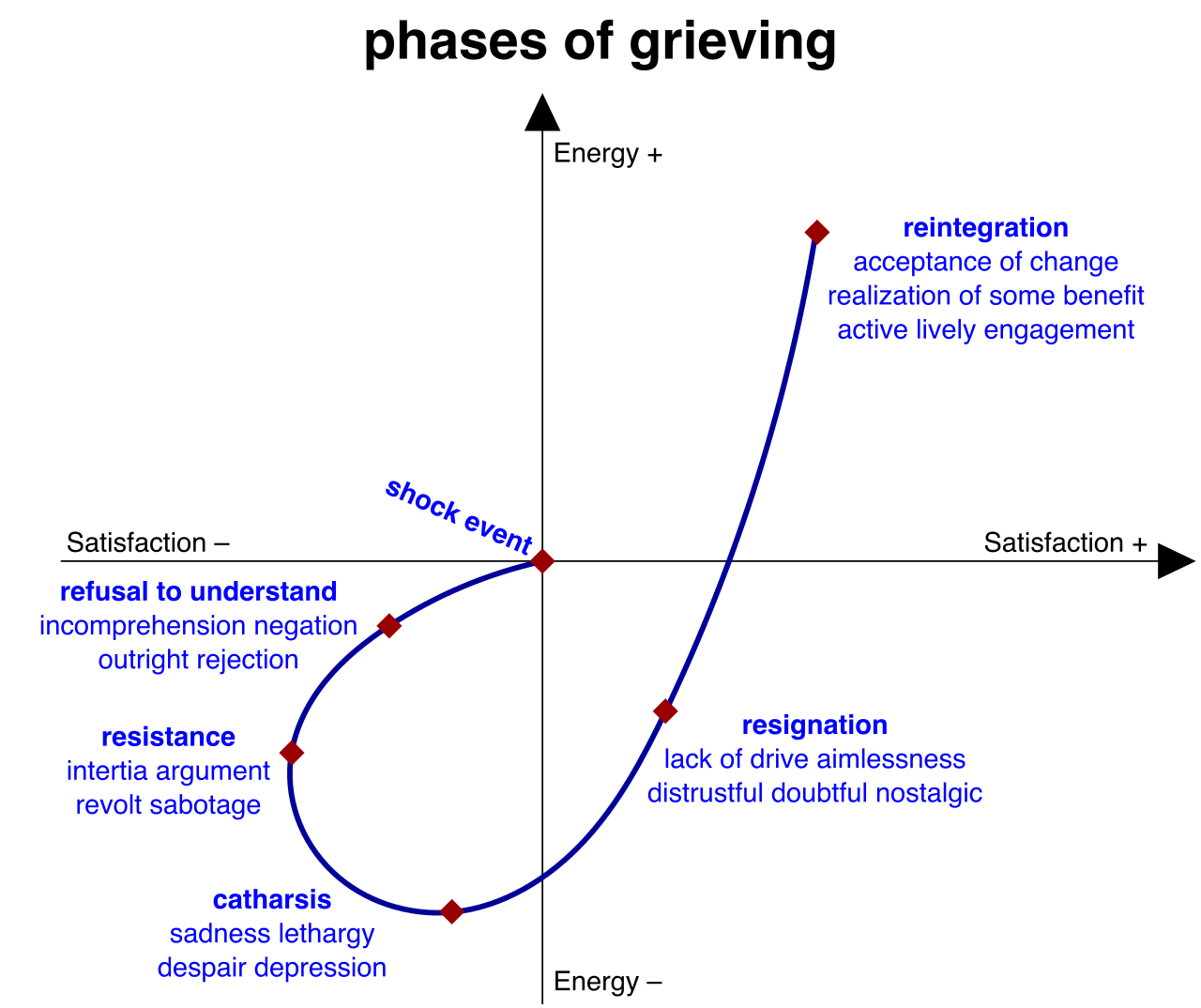
Let's imagine you've just told a patient they have chronic kidney failure. To you, it's a diagnosis. To them, it is an earthquake. A new diagnosis of a chronic illness frequently triggers a grieving process for the loss of prior health. They are mourning the healthy future they thought they had.
Decoding the Emotion
How do we figure out what they are feeling? We have to look and listen closely.
- Nonverbal cues often reveal unexpressed client anxiety about an impending medical procedure. The white-knuckled grip on the bedrails, the shifting eyes, the rigid jaw—these speak louder than "I'm fine."
- Active listening enables the nurse to accurately identify the emotional response of a client to a proposed treatment plan. Don't just wait for your turn to speak. Listen to the subtext.
- Use the right tools to extract the truth: Open-ended questions facilitate the expression of client emotions regarding a new medical diagnosis. Don't ask, "Are you scared?" Ask, "What are your thoughts about this new diagnosis?"
As they process, they will likely move through a famous psychological framework. The Kubler-Ross grief model identifies denial, anger, bargaining, depression, and acceptance as sequential stages of grief. (Remember the acronym: DABDA). They might yell at you (Anger), or insist the lab results were swapped with someone else's (Denial).
The Power of Validation: Validating the feelings of a client builds therapeutic trust during the discussion of a difficult medical prognosis. Saying, "It is completely understandable that you are angry right now," diffuses the tension and proves you are on their side.
Identifying Specific Distressors
Sometimes the anxiety isn't just about the disease itself, but the consequences of the disease or its treatment.
- Treatments altering physical appearance frequently precipitate feelings of altered self-concept in the client. A mastectomy, an amputation, or hair loss from chemotherapy profoundly impacts how a person views their own identity.
- The nurse explores client misconceptions regarding a treatment plan to alleviate unfounded medical fears. Often, patients are terrified of a myth they read online. Ask what they know, and gently correct the errors.
- Money is a massive factor. Financial concerns related to ongoing medical treatments frequently contribute to severe client anxiety. If they can't afford the insulin, the prescription does them no good.
- Belief systems can crash into medical reality. Spiritual distress occurs when a medical diagnosis directly conflicts with the core belief system of a client. (e.g., "Why is God punishing me with this cancer?"). Additionally, never forget that cultural beliefs significantly shape the emotional reaction of a client to a terminal medical diagnosis. How a culture views death determines how the patient will face it.
Evaluating Coping Mechanisms
As a nurse, you are a master assessor. You don't just assess breath sounds; you assess resilience. The nurse evaluates the current coping mechanisms of a client to determine the ability of the client to manage diagnostic stress. Do they meditate? Do they drink heavily? Do they withdraw?
We look for two major factors that tip the scales of how well they will cope:
- The Light: A strong social support network positively influences the emotional adaptation of a client to a severe medical diagnosis. People with loving families, friends, or community groups fare drastically better.
- The Dark: You must remain vigilant for maladaptive coping. Assessing for signs of clinical depression is necessary when a client persistently refuses to participate in a newly prescribed treatment plan. Sometimes "non-compliance" isn't stubbornness; it is profound, paralyzing depression.
Final Thoughts for the Exam (and the Bedside)
Nursing is a science of systems. We have biological systems, electrical systems in the heart, and pharmacological systems. But the most vital system you will manage is the Support System.
When you sit for the NCLEX, remember that safety is your primary physical priority, but autonomy is your primary ethical priority. Your job is to make the environment safe, ensure the information is understood, champion the patient's right to choose, and walk with them through the terrifying emotional landscape of illness.
That is the true art of nursing. Now, go study hard, and marvel at the complexity of the humans you are learning to save!